





 Portuguese
  English
  Spanish
 5 min of reading
  4 comments


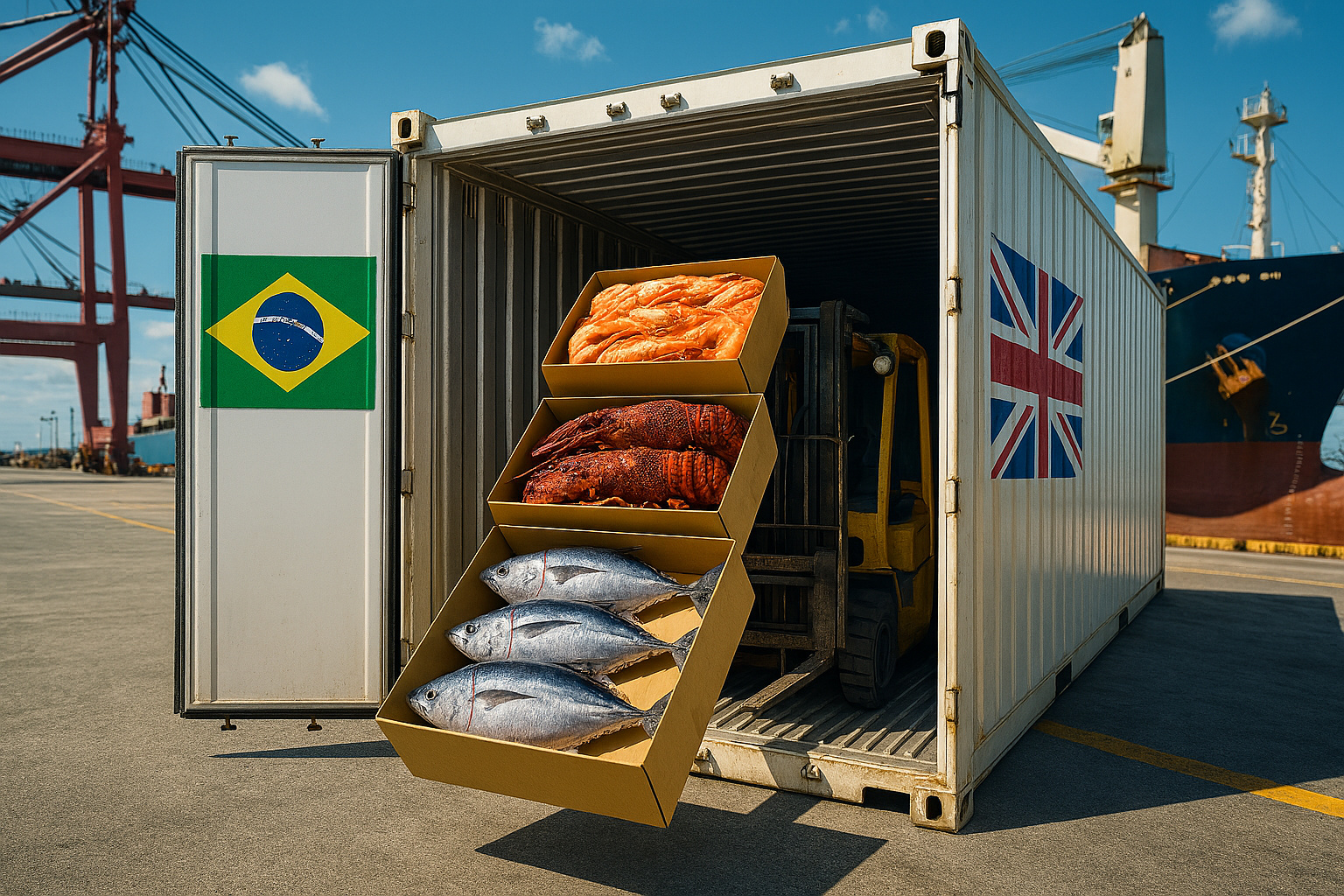


After Seven Years of Embargo, Ceará Negotiates Return of Shrimp, Lobster and Tuna Exports via United Kingdom in 2025. Agreement Could Reopen Billion-Dollar Market.
The year 2025 could mark a turning point for Brazilian fishing and aquaculture. After seven years of European embargo on Brazilian fish exports, Ceará is conducting negotiations to resume the shipment of shrimp, lobster, and tuna to the continent. Talks are progressing with the United Kingdom, a strategic gateway to the European market, and could unlock a sector valued in billions of dollars.
The embargo, imposed in 2017 due to sanitary concerns and traceability failures, interrupted one of the most lucrative routes for national fish. Now, with new inspection and auditing protocols, Brazil sees the chance to place its most prized species back on European tables, where per capita seafood consumption exceeds 25 kilograms per person per year.
Northeast Shrimp: Threatened Tradition and Opportunity for Recovery
The shrimp cultivated in the Northeast, especially in Rio Grande do Norte and Ceará, was once a leader in Brazilian exports. In 2003, the sector shipped more than 60 thousand tons abroad, with Europe absorbing the bulk of the volume.
-
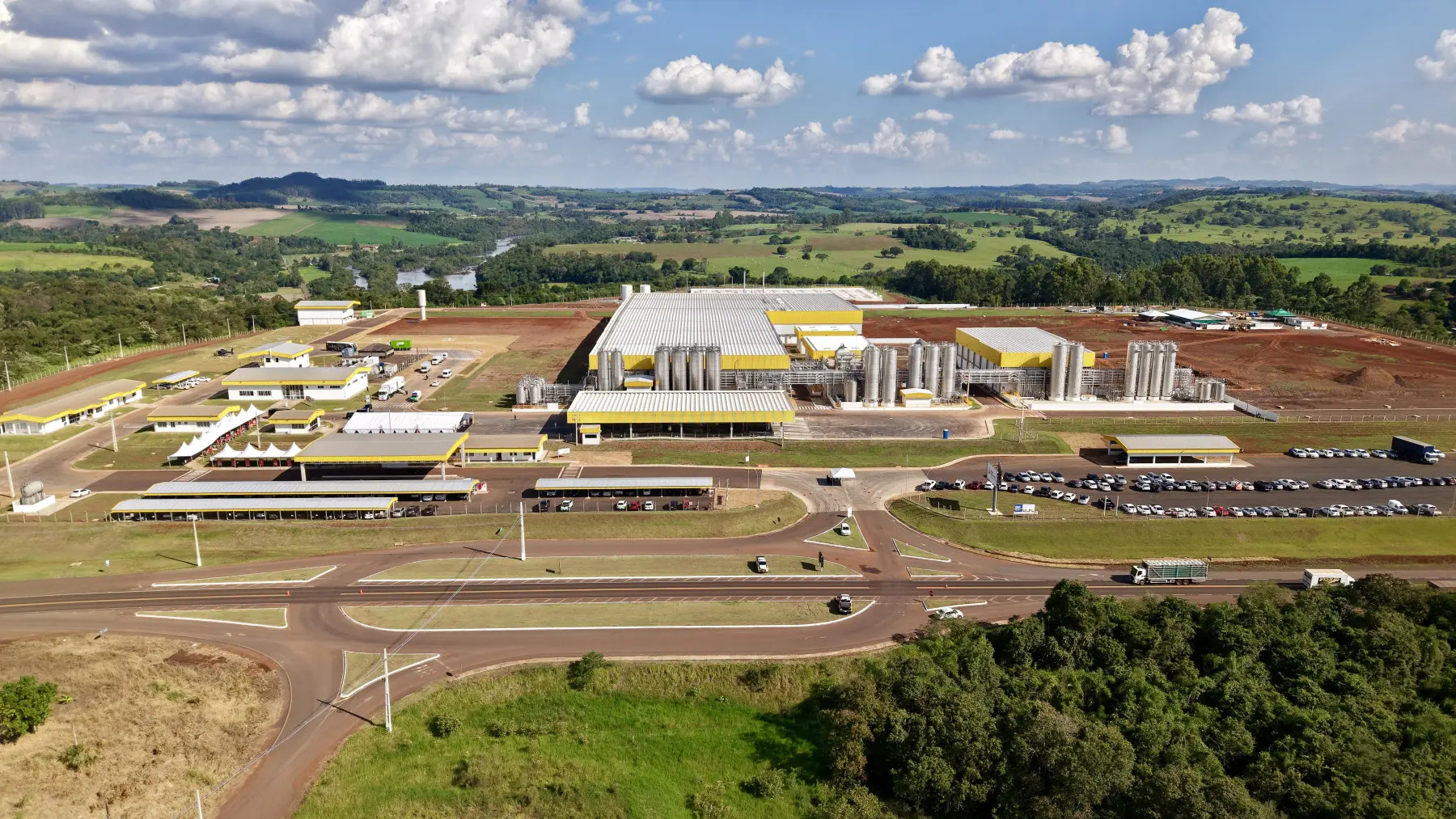
With an investment of R$ 612 million, a capacity to process 1.2 million liters of milk per day, Piracanjuba inaugurates a mega cheese factory that increases national production, reduces dependence on imports, and repositions Brazil on the global dairy map.
-
Brazilian city gains industrial hub for 85 companies that is equivalent to 55 football fields.

-
Peugeot and Citroën factory in Argentina cuts production by half and opens a layoff program for more than 2,000 employees after Brazil drastically reduced purchases of Argentine vehicles.

-
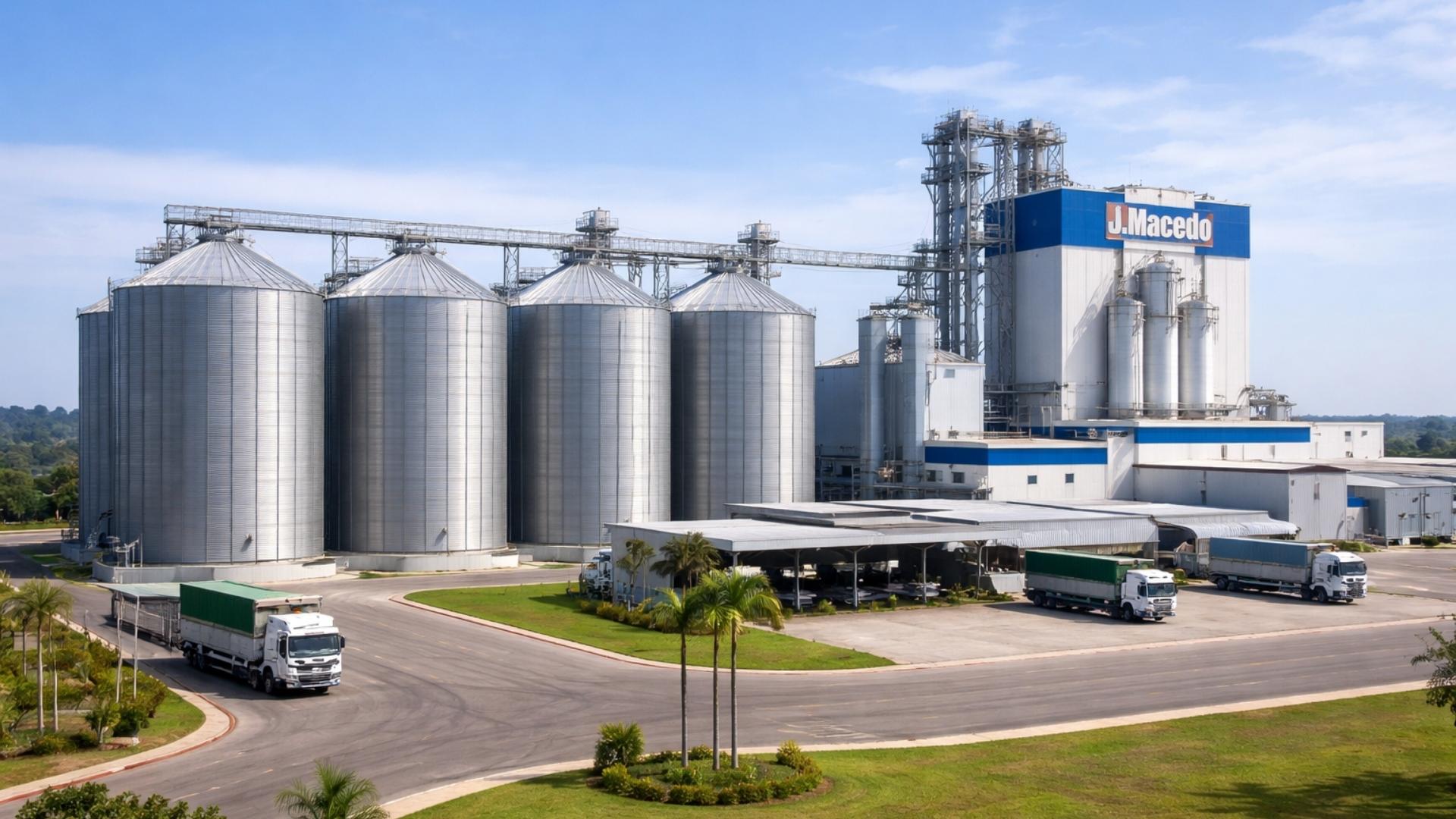
A Brazilian city gains a factory worth R$ 300 million with the capacity to process 200 thousand tons of wheat per year, a mill of 660 tons/day, silos for 42 thousand tons, and an industrial area of 276 thousand m².

After the embargo, sales shifted to alternative markets, such as the United States and Arab countries, but profit margins decreased.
In 2025, the possible reopening of Europe represents not only a return to a historic customer but also a chance to reposition the product as premium shrimp, taking advantage of the protein’s appreciation in restaurants and food service chains. Experts estimate that the recovery could yield US$ 300 million in additional annual revenue just from the crustacean.
Lobster from Ceará: A Gem of the Sea That Returns to the Game
The Brazilian lobster, caught mainly off the coast of Ceará, has always been a high-value product in foreign trade. The European embargo directly impacted artisanal fishermen, who lost access to customers willing to pay high prices per kilo.
In 2025, the resumption of exports could reposition national lobster among the most coveted in the world, alongside Caribbean and Australian varieties.
The United Kingdom, with its strong seafood tradition, emerges as a priority destination: London alone handles hundreds of millions of dollars in annual imports. The revenue potential for Brazil with lobster is estimated at up to US$ 150 million per year.
Brazilian Tuna and the Global Market
The tuna caught off the coast of Ceará may also benefit directly from the agreement under negotiation. The species is valued by the canned fish industry, but mainly by the sushi and sashimi sector, which pays premiums for fresh, high-quality fish.
With the embargo, exports were restricted to alternative markets, but the return to the United Kingdom could open a value chain that includes not only Europe but also Japan and other Asian destinations that operate in partnership with European importers.
Billion-Dollar Seafood Market
The phrase “billion-dollar seafood market” is no exaggeration. According to the FAO (Food and Agriculture Organization of the United Nations), the global trade in fish exceeds US$ 160 billion per year, with Europe accounting for about 30% of that volume.
If Brazil regains ground, even in small slices, the impact will be significant for fishermen, processing industries, and the trade balance. Ceará, with its tradition in fishing and aquaculture, is likely to be a key player.
Bottlenecks and Sanitary Requirements
The return to the European market, however, depends on complying with strict rules. The new protocol under discussion includes:
- Complete traceability of fish, from capture to arrival at the destination port;
- International sanitary certification, with independent inspections;
- Refrigerated storage infrastructure that guarantees product quality throughout transport;
- Periodic audits conducted by technical missions from the United Kingdom and the European Union.
These measures come at a cost, but they also reinforce the image of Brazilian fishing as sustainable and reliable.
Brazilian Seafood and the Global Competition
The agreement with the United Kingdom should also be viewed in the context of the global competition for marine proteins. Countries like Chile, Ecuador, and Vietnam have expanded their exports while Brazil was absent from Europe. Brazil’s reentry could reposition the country as a relevant competitor and open new trade routes.
China is already moving to increase its presence in the South Atlantic by investing in fishing fleets and infrastructure. Resuming exports via the United Kingdom is also a way to ensure commercial sovereignty and prevent the space from being occupied by foreign competitors.
The Social Impact in Ceará
Beyond the numbers, the return to the European market would have a direct effect on thousands of families in Ceará that rely on artisanal fishing. The sale of lobster, shrimp, and tuna supports entire communities along the coast.
The resumption of exports would mean better prices for fishermen, job creation in processing plants and industries, and strengthening the regional economy. For cities like Fortaleza, Aracati, and Camocim, the impact would be immediate.
Prospects for 2025 and Beyond
Negotiations are ongoing, and if confirmed, the first shipments of Brazilian seafood to the United Kingdom should occur in 2025. The agreement would serve as a confidence test: from it, other European Union countries could gradually begin to authorize imports again.
The expectation is that within five years, Brazil will regain the prominent position lost in the European market and reach over US$ 500 million in annual fish exports.
The Return of a Sleeping Giant
After seven years of embargo, Brazil is nearing a historic return to the European seafood market. The agreement via the United Kingdom could be the key to unlocking billions in business and positioning shrimp, lobster, and tuna from Ceará among the most valued in the world.
More than numbers, this is a symbolic victory for Brazilian fishing, which seeks to regain credibility, conquer premium markets, and ensure a future for thousands of families along the coast. If 2017 marked the decline, 2025 could be remembered as the year of the great recovery.








Há inúmeras maneiras de se falar que alguém se enganou ou não entendeu alguma coisa mas hoje em dia o que se vê é um festival de agressões verbais, grosseiras e desnecessárias. Educação e tolerância é artigo em falta, que nem atum brasileiro na Europa.
Reportagem incompleta.
Inacreditável que não tenham explicado o(s) motivo(s) da Europa ter feito tais embargos ao Ceará.
Ou você não sabe ler ou lê e não entende o que leu, pois a reportagem fala em falta de rastreabilidade e questões sanitárias, então dizer que a reportagem não explica o motivo do embargo e no mínimo não entender o que leu.
Pois é, está muito bem pontuado a questão do embargo