





 Portuguese
  English
  Spanish
  3 min of reading


Advancement in Heat Dissipation Promises to Redefine the Future of Electronic Devices and Electric Vehicles
Transforming Heat Management in Electronic Devices
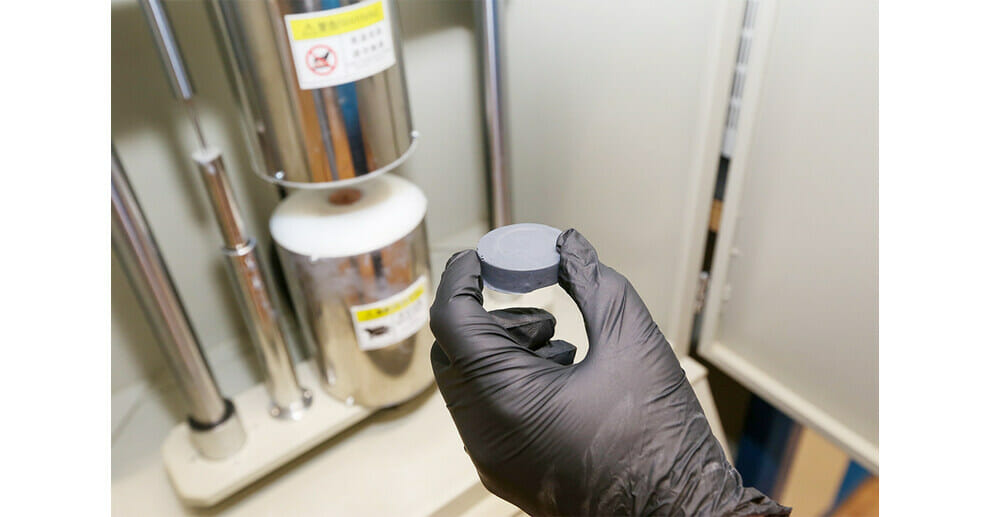
Heat management in electronic devices is an increasing challenge in the technological world, especially with the emergence of innovations like 5G networks, high-performance servers, and the revolution of electric vehicles. In this context, Celera Fibras from Campinas, in a strategic partnership with the State University of Campinas (Unicamp), has developed a cutting-edge material that not only dissipates heat efficiently but also enhances the performance and durability of these devices. “Our technology aims to control excess heat in electrical devices, extending their lifespan and efficiency,” says Alex Souza, CEO of Celera Fibras.
The Science Behind: Graphene Takes Center Stage
The great innovation of this technology lies in the use of nanocomposites, which incorporate various properties, including graphene, into a single structure. This approach makes the new technology a true revolution for the electronic device industry, providing essential features such as thermal and electrical conductivity superior to traditional materials like metal.
Commercial Applications: Lighting and Electric Mobility in Focus
According to the CEO of Celera Fibras, the next phase after patenting is to expand laboratory testing for commercial scale. The commercialization of the product is expected to begin in early 2024, initially targeting the lighting and electric vehicle markets. “Brazil has about 18 million public lighting points, many of which still use incandescent bulbs. In the coming years, the migration to LEDs will be accelerated, making this a significant market for our innovation,” notes Souza.
-
Man builds functional 5-meter submarine in his garage using gas cylinders, PVC pipes, and a refrigerator motor, and navigates with the vessel on a lake in Colombia.

-
Millions of people have been eating yam for centuries without knowing that this humble tuber contains a compound called diosgenin, which scientists have now discovered can improve memory and help control blood sugar levels.

-
Costing R$ 16,000, the new Yamaha features a 125 cc hybrid engine with electric assistance, delivers 8.3 hp, includes ABS, optimized fuel consumption, Y-Connect connectivity, 25 liters of storage space, and a surprising 4-year warranty in the urban segment.

-
Scientists from an international project drill 1,800 meters of ice in Antarctica using hot water and discover details about one of the most intriguing places on planet Earth.


General Benefits: From Industry to Consumer
The technology also has the potential to revolutionize the electric battery industry, especially with the expansion of electric mobility in Brazil. The use of this nanocomposite in the composition of devices means extended lifespan, less heating, and greater durability, benefits that reach the end consumer. “This innovation not only helps industries but also provides direct advantages to society,” says Souza.
International Recognition and Future Projects
The application of the technology has not gone unnoticed on the global scene. Recently, Celera Fibras was chosen by a Canadian company to supply components for the MSG Sphere, a mega-project with a capacity for 17,500 people. This building, the largest of its kind, is an initiative of the Madison Square Garden group and highlights Celera as the only Brazilian company involved in the project.
The MSG Sphere, which will open on September 29, represents a global showcase for the technology developed by Celera Fibras and Unicamp, with a potentially transformative impact on various industrial sectors and society as a whole.
With this combination of innovation in nanocomposites, strategic partnerships, and forward-thinking vision, Celera Fibras and Unicamp are positioned not only to meet the needs of modern industry but also to set the parameters of what is possible in terms of efficiency and sustainability.
Source: Marcelo Oliveira – Strategic Communication Campinas.







Seja o primeiro a reagir!