





 Portuguese
  English
  Spanish
  3 min of reading
  0 comments


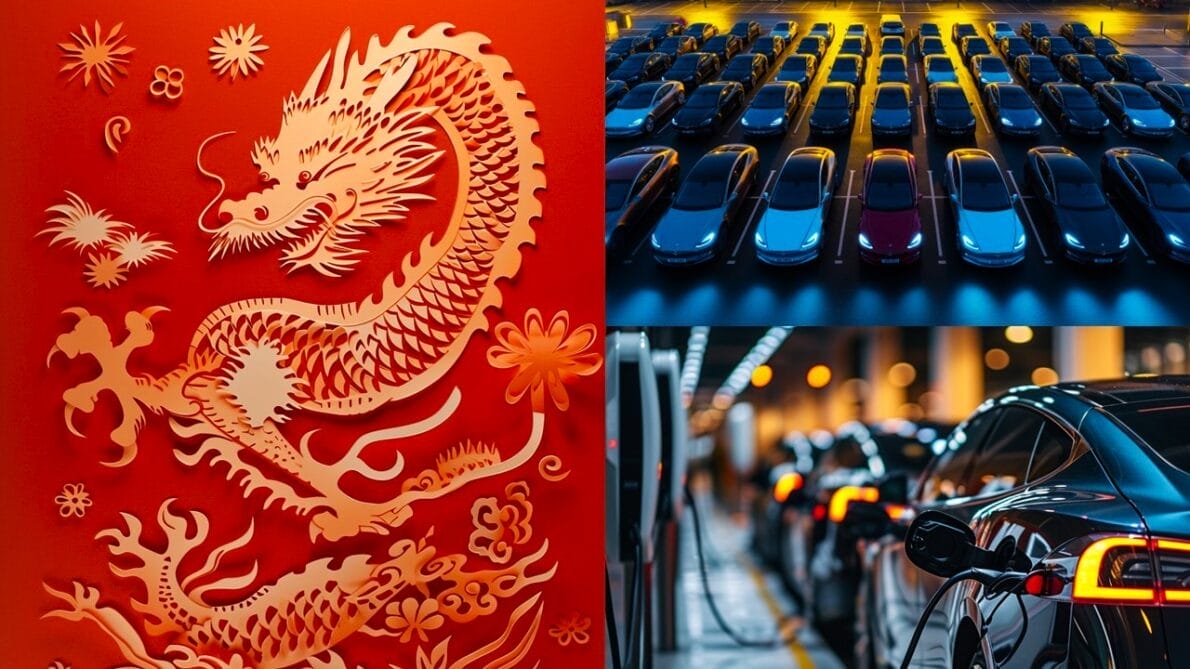
Discover The Reasons Behind The Mass Abandonment Of Electric Vehicles In The Asian Giant
In recent years, electric cars have transformed the automotive sector globally. In 2010, electric vehicles accounted for just 0.01% of vehicle sales worldwide. By 2022, this number jumped to 14%, with the trend expected to continue rising. China, one of the largest economies in the world, is also one of the leading consuming markets for electric vehicles, according to a video from the channel Conhecimento Global.
In 2022, the country was responsible for 60% of global sales in this segment. Currently, more than half of all electric cars in the world are theoretically in circulation in China. However, recent photos and videos show thousands of these vehicles abandoned in lots, known as “car cemeteries.”
The Popularization Of Electric Cars In China
The popularization of electric vehicles has been extremely beneficial for China. Previously, Chinese automakers, despite producing cheap cars, were viewed with suspicion due to inferior quality compared to Japanese, American, or German manufacturers. With electric vehicles, all companies essentially started from scratch, providing an opportunity for Chinese firms to compete on equal footing.
-
Engineers propose a fourth traffic light for intersections – the change promises to affect crossings, queues, and waiting times.

-
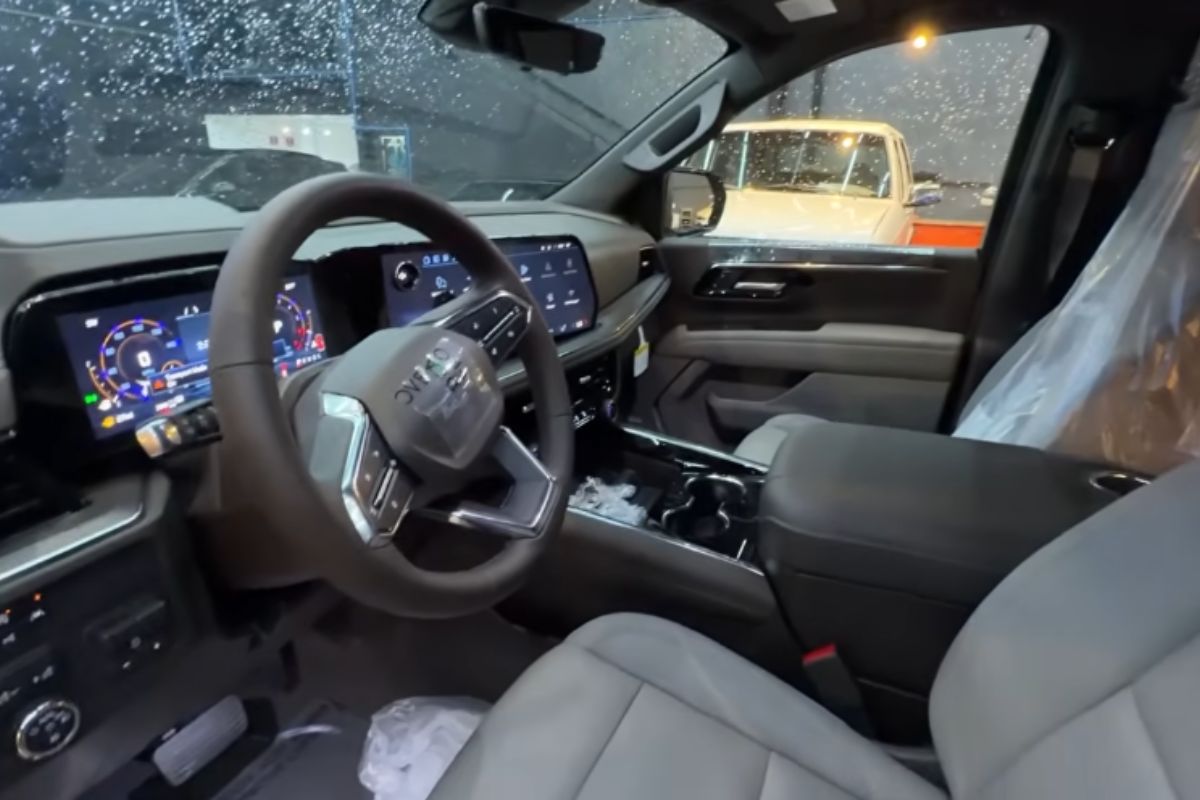
Chevrolet Suburban Z71 lands in Brazil with a V8 engine, off-road design, air suspension, seven seats, and colossal size, a rare version imported for around R$ 1.3 million with luxury and exclusivity.
-
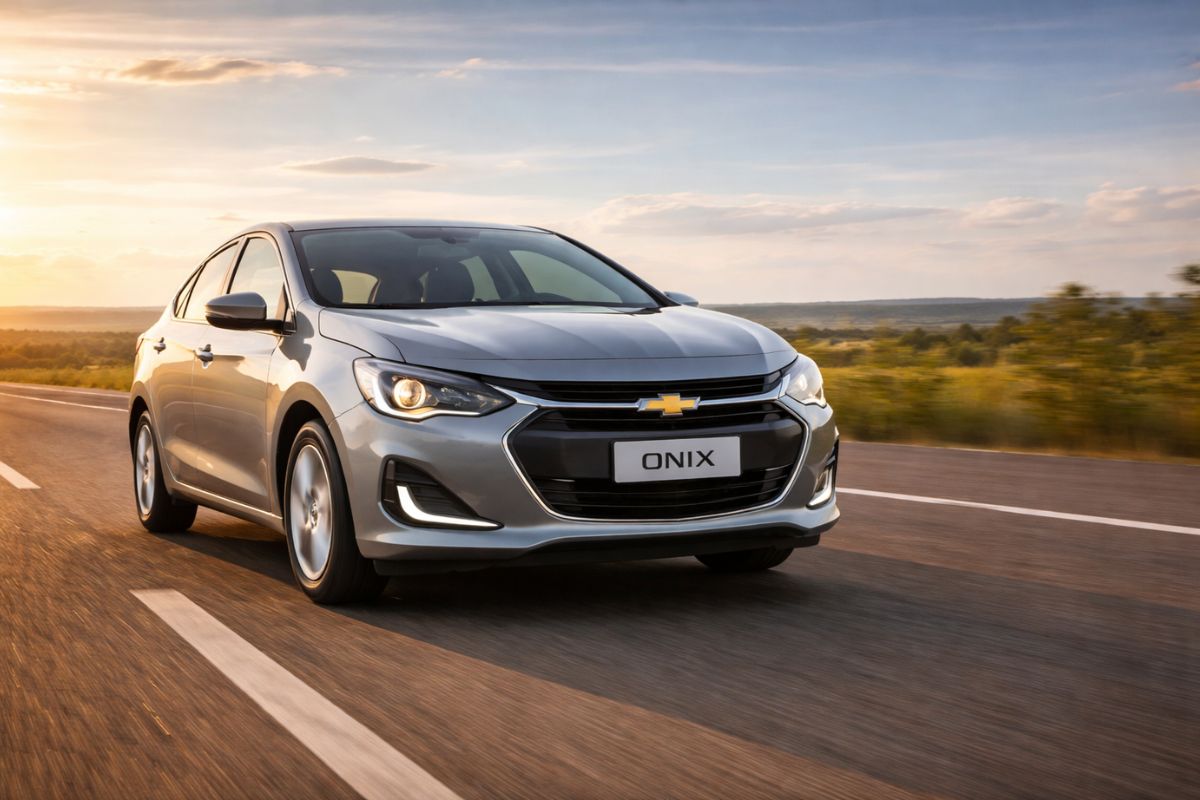
The Chevrolet Onix 1.0 turbo achieves 17.7 km per liter on the highway and ranks among the three most economical cars in Brazil in 2026, alongside two more expensive Toyota hybrids available at dealerships.
-
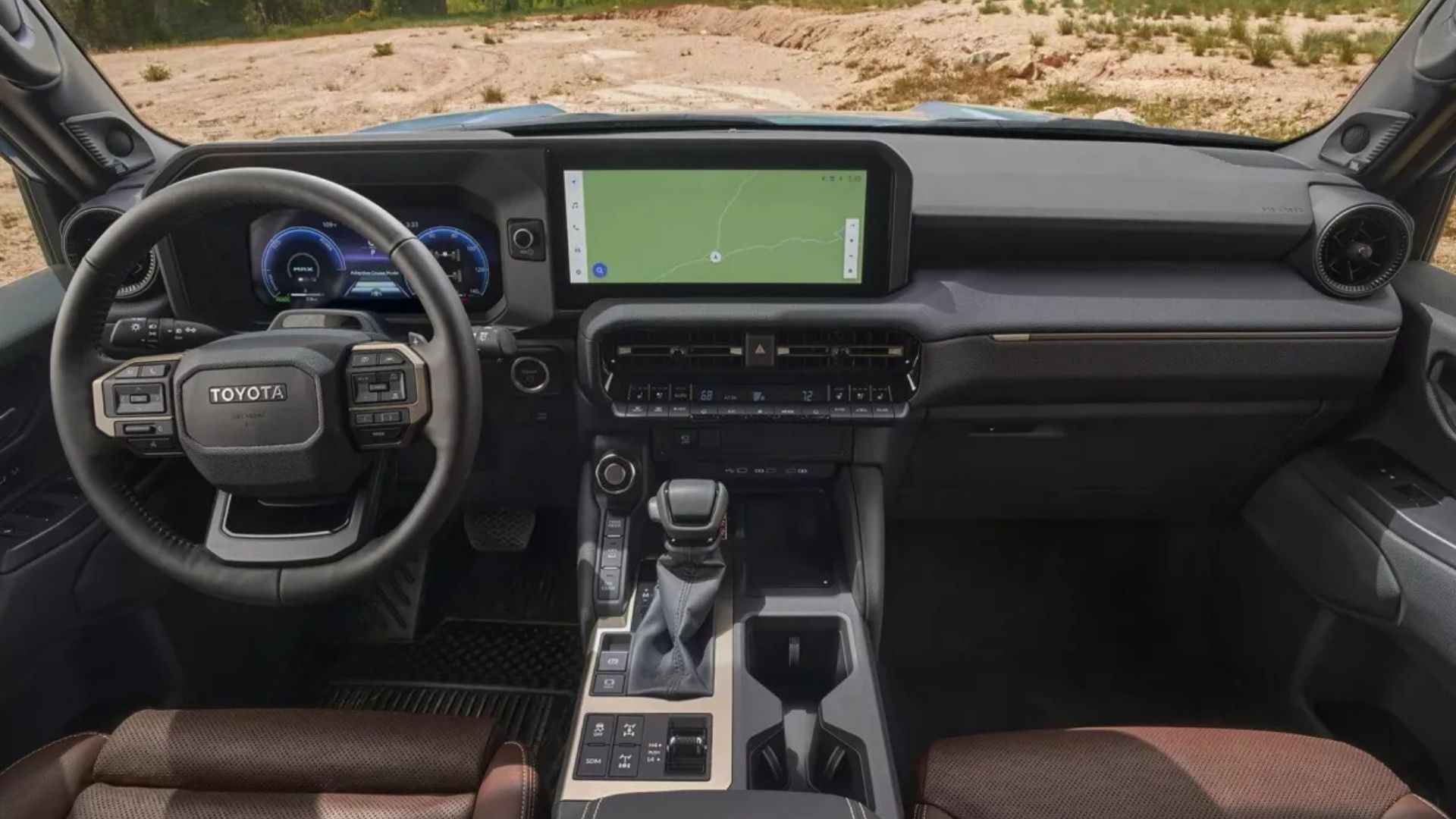
Little sister of the Hilux: Toyota launches Land Cruiser FJ with 4 radical versions, 2.7 engine with 166 hp and 4×4 traction with locking.
In addition to reducing dependence on oil and meeting environmental goals, the Chinese government decided, starting in 2009, to grant large incentives for companies and consumers, with the aim of promoting the development of electric cars. So far, the government has invested around 60 billion dollars in subsidies for buyers and investments in companies.
Understand Better Why The Abandonment Of Electric Cars Occurs


Government Incentives And Exponential Growth
With financial and legal support, the electric car industry in China has grown exponentially. Of the 25 largest companies in the sector, 15 are Chinese, including BYD, the world leader in sales of electric and hybrid vehicles. Other traditional Chinese automakers, such as Chery and Lifan, have also entered the promising market.
In addition to financial incentives, the government has implemented laws favoring electric vehicles. In cities like Beijing, only electric cars are allowed to transit in the city center, while in Shanghai, the registration of a traditional vehicle costs 12 thousand dollars, while it is free for electric ones. The country has also announced plans to eliminate the sale of fossil fuel-powered cars by 2035.
The Emergence Of “Car Cemeteries”
Despite growth, photos and videos show that many electric vehicles are being abandoned in “car cemeteries” in various parts of China. This phenomenon is the result of a combination of factors, including the rapid rise and fall of vehicle-sharing companies.
China has become a fertile ground for the sharing economy, with companies like Uber and Airbnb popularizing the concept. With the increase in incentives and investments, the number of vehicle-sharing companies skyrocketed. In 2017 alone, the sector received around 76 billion yuan (approximately 51 billion reais). Over 340 vehicle-sharing companies were established between 2015 and 2017.
Companies like EVCard and MicroCity stood out for the number of vehicles offered, with fleets reaching tens of thousands. Luxury automakers like BMW, Mercedes-Benz, and Audi have also entered the market, offering their own vehicle-sharing services.
The Decline Of Vehicle-Sharing Companies
However, the intense competition and lack of differentiation led to a price war and reduced profit margins. Many consumers began to face difficulties in parking the vehicles and complained about the condition of the cars. The pandemic and the stringent lockdowns imposed by the Chinese government were the final blow for many of these companies. Unable to deliver the expected returns, many companies turned away investors and failed to perform adequate maintenance on their vehicles, resulting in the mass abandonment of cars.
The abandoned electric vehicles are ironically causing environmental pollution. The lack of official information makes it difficult to know if the batteries, which contain heavy metals, have been removed from the vehicles. If left in the cars, they can cause serious environmental damage.








Seja o primeiro a reagir!