





 Portuguese
  English
  Spanish
  3 min of reading


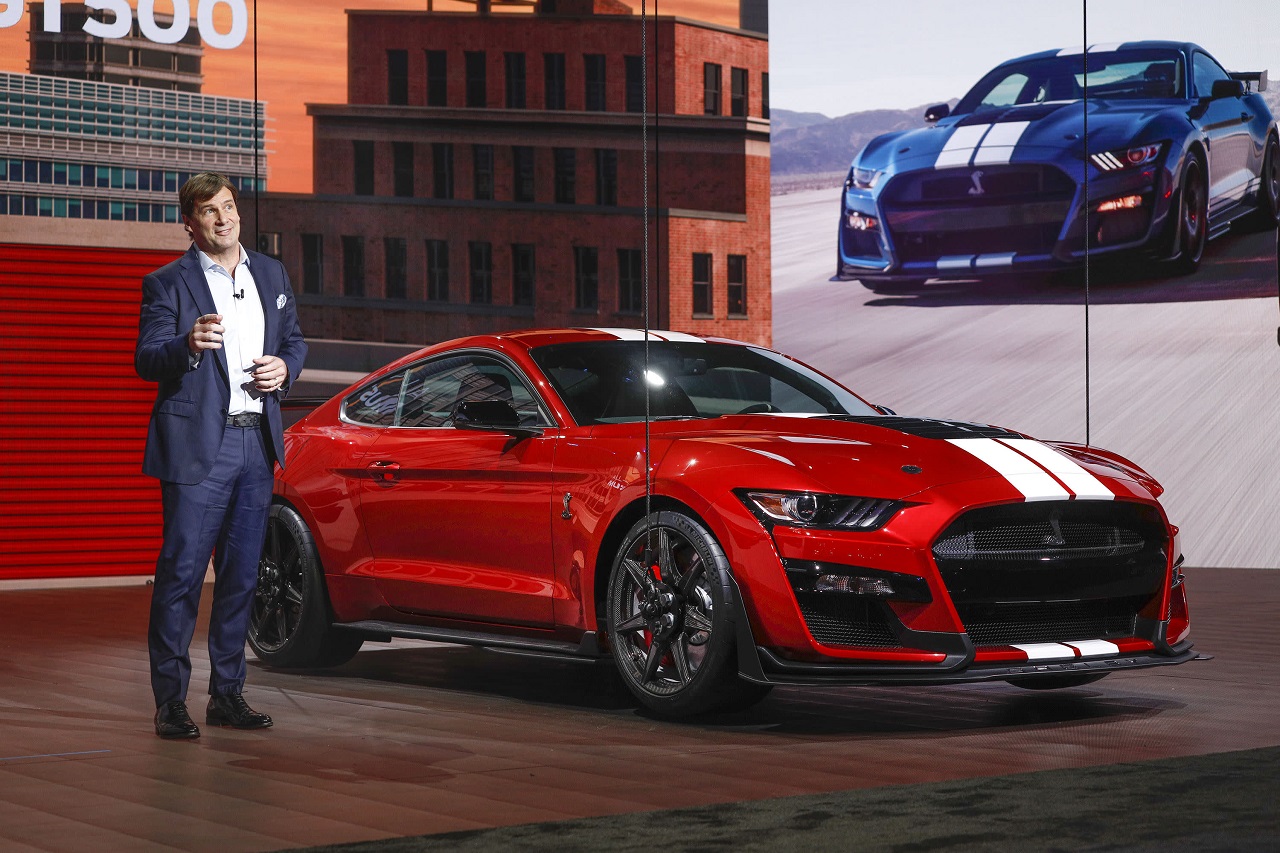
Ford Executive, Jim Farley, Says The Automotive Industry Will Go Through A Major Transition With The Arrival Of Electric Cars And The End Of Internal Combustion Engines.
The automotive industry, like all others, always undergoes various transitions that directly affect the posture and relationships of its members. A complete turnaround, from manufacturing processes to assembly lines that have been automated and parts manufacturing plants that have located in the same area or nearby. According to Ford President, Jim Farley, the automotive industry is not just undergoing modifications but rather experiencing an earthquake, with the end of the era of internal combustion engines.
Electromobility Is The New Highlight Of The Automotive Industry
Electrification is the main highlight on the initiative board, focusing on the production of battery-powered propulsion systems and the radical transition of assembly lines, with the removal of internal combustion engines. Additionally, there is a significant emergence of startups making their mark in every activity of the sector and the introduction of artificial intelligence in strategic decision-making.
The Ford executive also believes that the new direction of the industry will bring benefits to many Chinese companies, considering they will have a better position than the United States in the automotive sector.
-
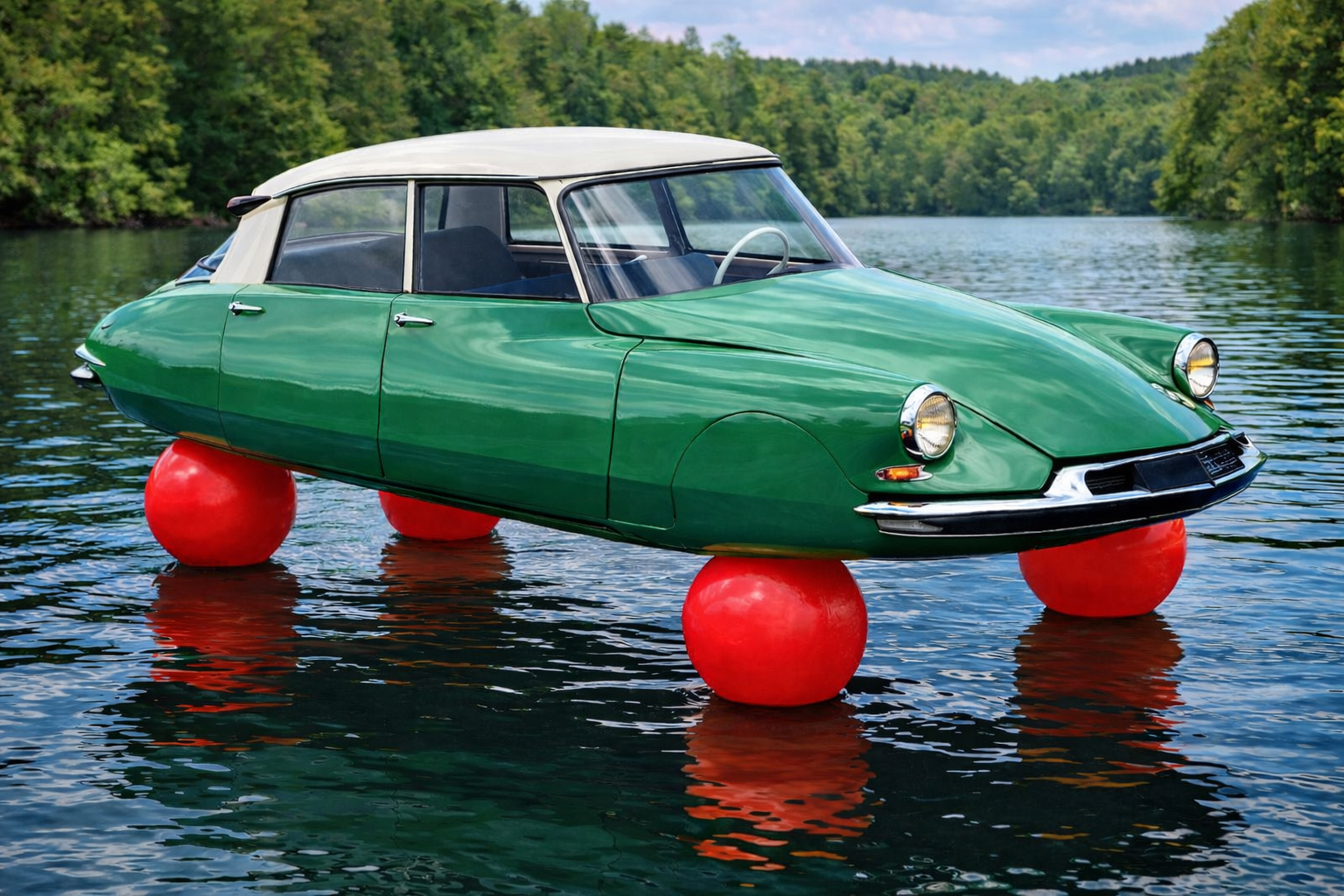
A French brand placed a car on four huge red balloons to prove that its suspension made the vehicle “float,” and the surreal scene became one of the most iconic and unusual images in automotive history.
-
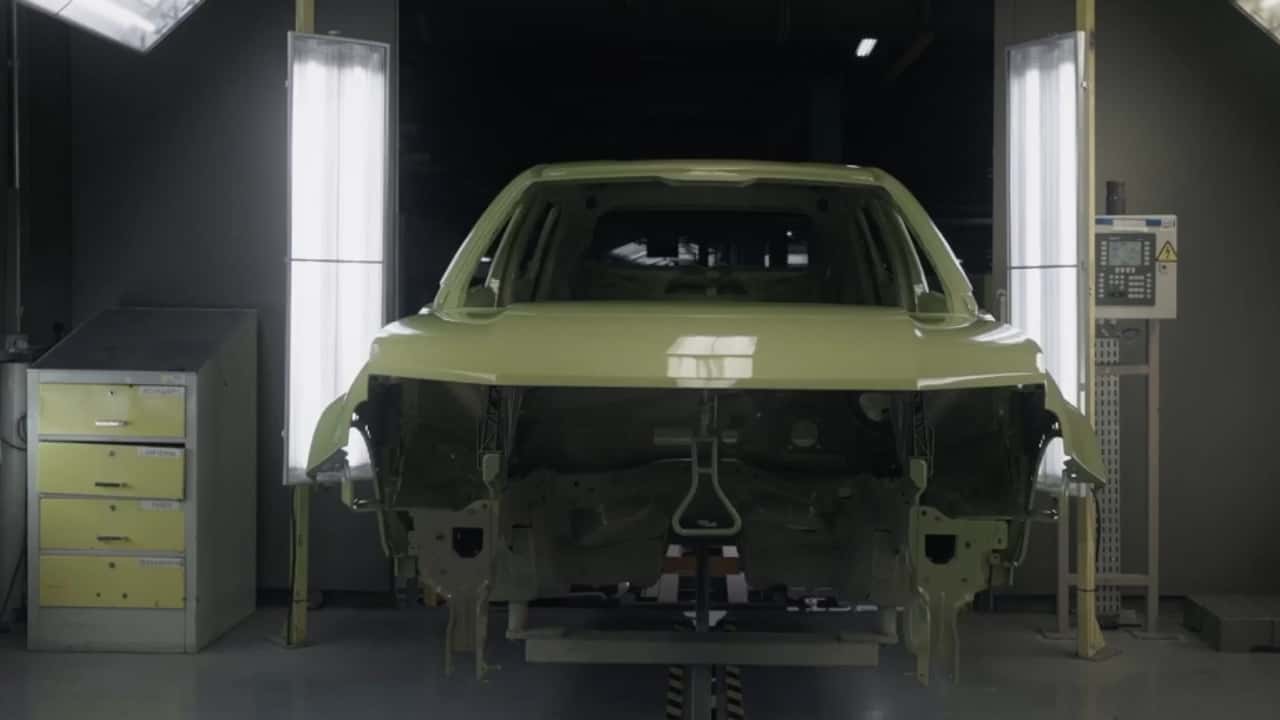
Jeep Avenger begins production in Brazil, debuting as the brand’s new entry-level SUV and inaugurating an unprecedented phase by becoming the first national Jeep manufactured outside of Goiana, as part of a R$ 3 billion plan.
-
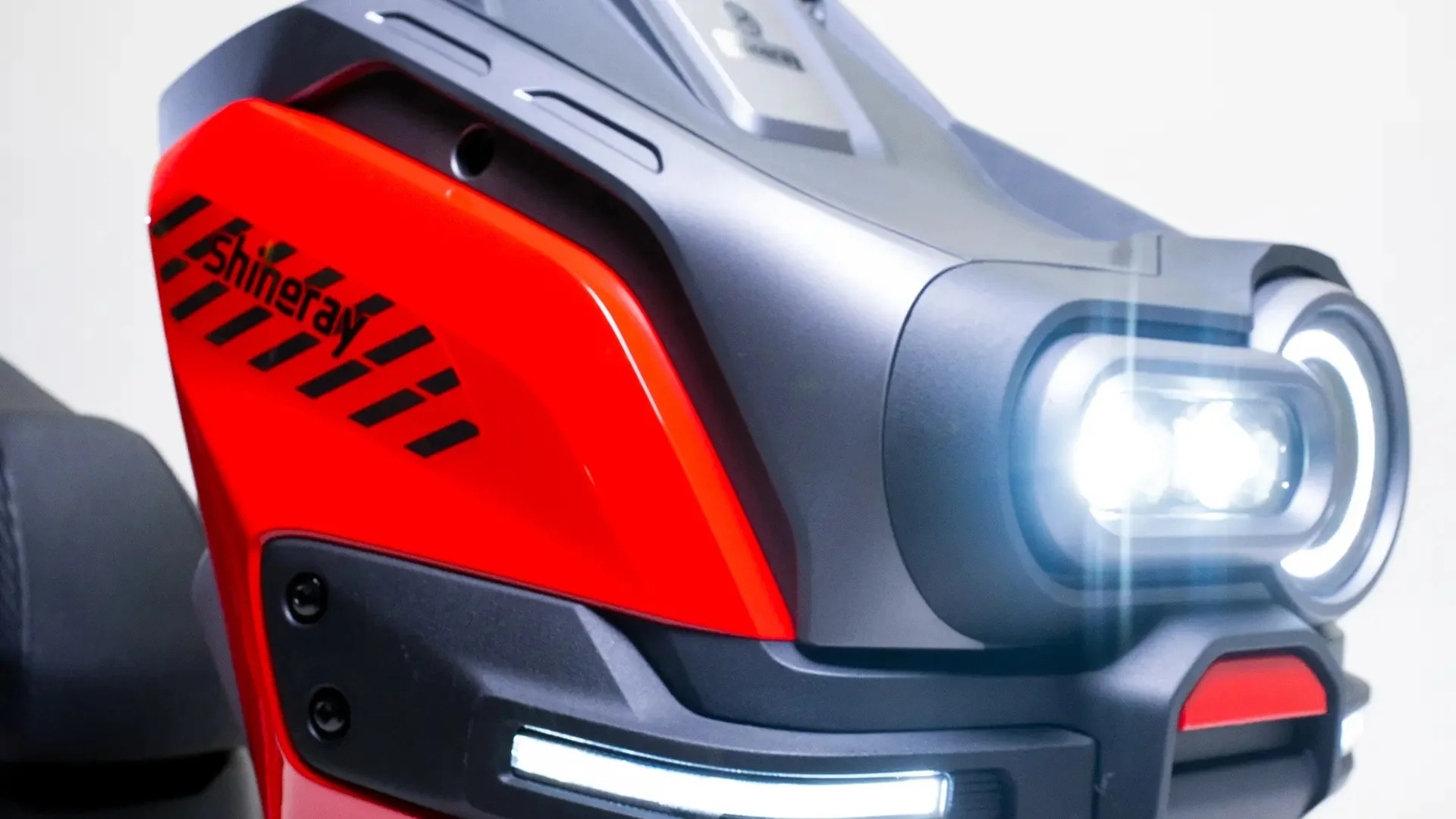
Costing R$ 12,490, the new Shineray Urban Lite 150 “cheap one” arrives in Brazil with a CVT transmission, digital dashboard, and LED lights, making it more affordable than the Biz and targeting those who want to abandon the bus.
-
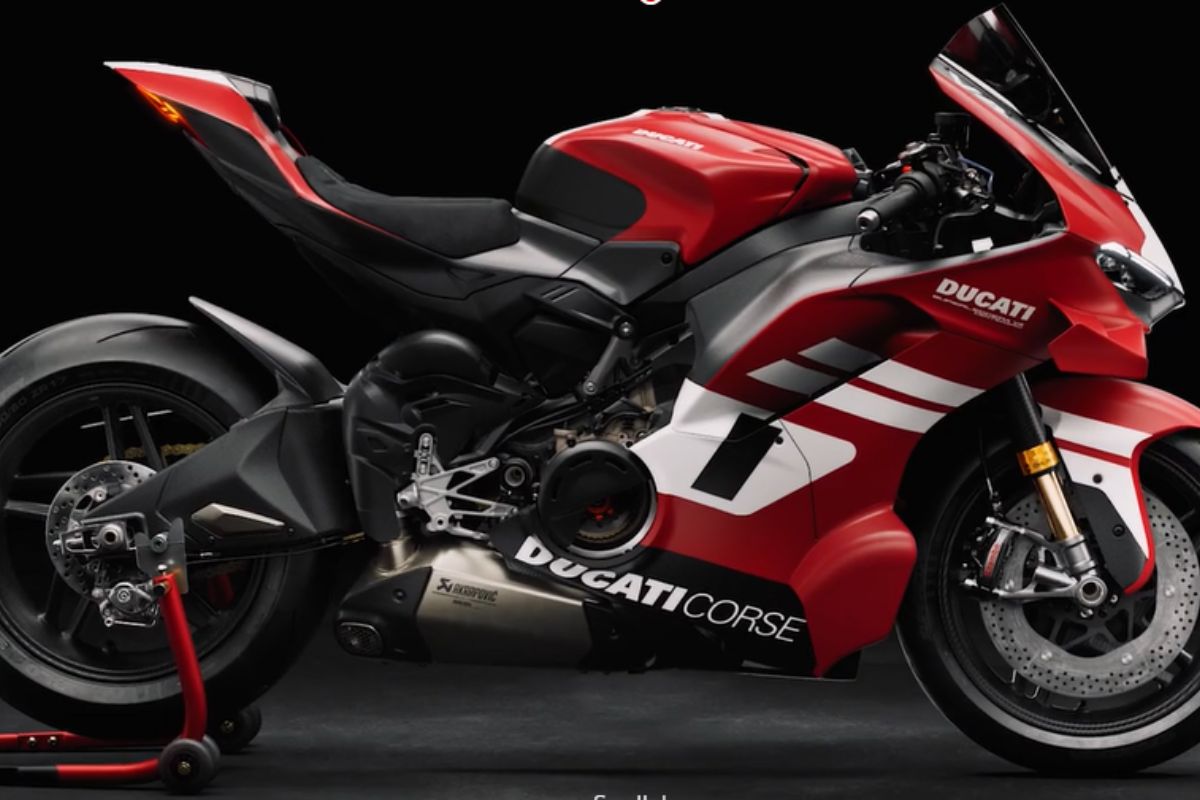
Ducati brings to Brazil the Superleggera V4 Centenario: 228 hp that become 247 with a track kit, carbon fiber and carbon-ceramic brakes, estimated price between R$ 1.5 and 2 million, deliveries only in 2027.
According to the president, it will be possible to observe a very extensive consolidation in the market. Major changes are coming with the end of internal combustion engines and it is not possible to see a market available for the company’s products in the medium and long term, as these companies are going after being sufficiently large to justify the capital they are spending.
Ford Multinational Will Use VW Platform As A Base For Its New Vehicles
According to Farley, high-level mergers between small companies and joint ventures will become increasingly common with the end of internal combustion engines. Changes within the automaker indicate, simultaneously, a signal of redefinition in the industry, as Ford is turning to the MEB platform from VW for the construction of its electric cars.
Despite being a German architecture, the manufacturer will use the platform as a base for two SUVs with an American look. The American executive predicted that a price war among electric cars is approaching and that his company would, in the short term, sell them starting at US$ 25,000.
Speaking of prices, the 2023 Chevrolet Bolt EV starts at US$ 26,595 (R$ 127,200), while the 2023 Chevrolet Bolt EUV starts at US$ 28,195 (R$ 134,800) – both prices include a shipping fee of US$ 995. In practice, a reduction of US$ 5,900 (R$ 28,200) and US$ 6,300 (R$ 30,200), in the case of the hatchback and the SUV, respectively.
Already in Brazil, more affordable electric vehicles are being suggested. Such is the case of the Renault Kwid E-Tech, both in the R$ 140,000 range.
The Communication World Will Also Undergo Changes
According to the Ford executive, even the communication of the automotive industry is undergoing a transformation with digital media and social networks rapidly changing the way information is conveyed to the market.
Print media, such as newspapers and magazines, is in full decline and has given way to electronic media. Various specialized journalists have had to adapt to digital to stay active. They are still competing with influencers today, individuals without any technical training or concern for credibility, who nonetheless reach millions of followers on their twitters and tik-toks of life. Those responsible for the advertising budgets of factories are keeping up with this rapid media transition, but still lack an objective definition of where and how to apply them.










Seja o primeiro a reagir!