





 Portuguese
  English
  Spanish
  3 min of reading
  0 comments



Ford CEO Admits Chinese Electric Vehicles Outperform Western Ones in Quality, Price, and Technology, Issues Warning About the Future of the Industry.
Jim Farley, Ford’s CEO, has once again drawn attention in the automotive sector with strong statements. Known for his straightforward style, he did not hold back criticism when comparing Chinese electric vehicles to Western models.
In an interview with Business Insider, Farley stated: “It’s the most humbling experience I’ve ever had.”
Trips and Observations
Farley revealed that he has been to China six or seven times in the past year.
-
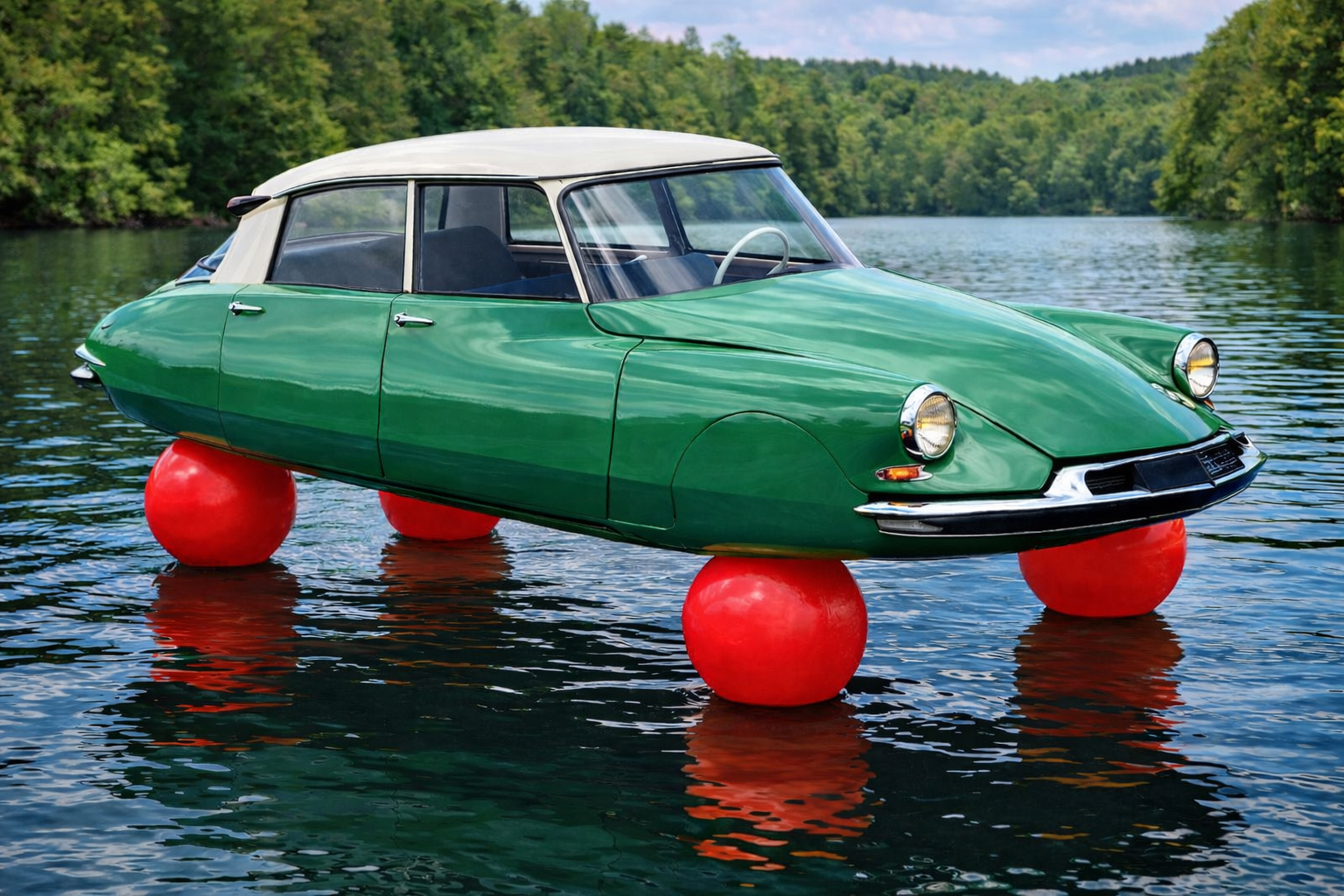
A French brand placed a car on four huge red balloons to prove that its suspension made the vehicle “float,” and the surreal scene became one of the most iconic and unusual images in automotive history.
-
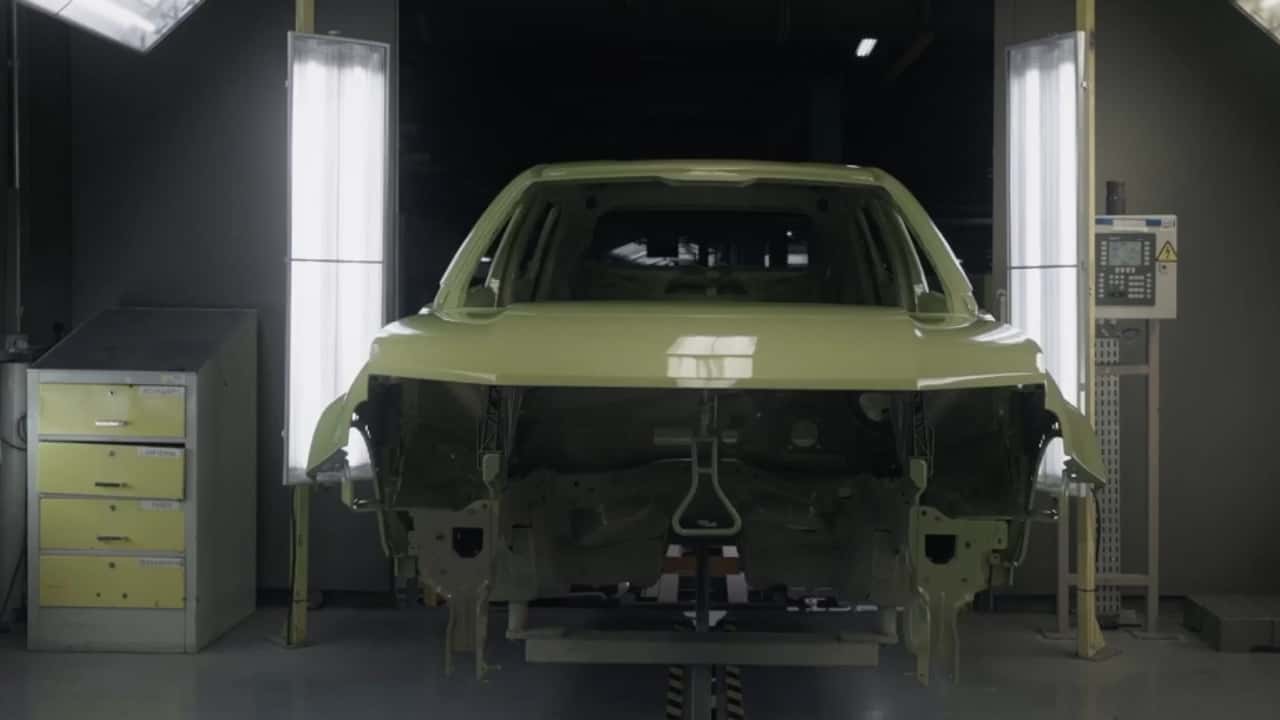
Jeep Avenger begins production in Brazil, debuting as the brand’s new entry-level SUV and inaugurating an unprecedented phase by becoming the first national Jeep manufactured outside of Goiana, as part of a R$ 3 billion plan.
-
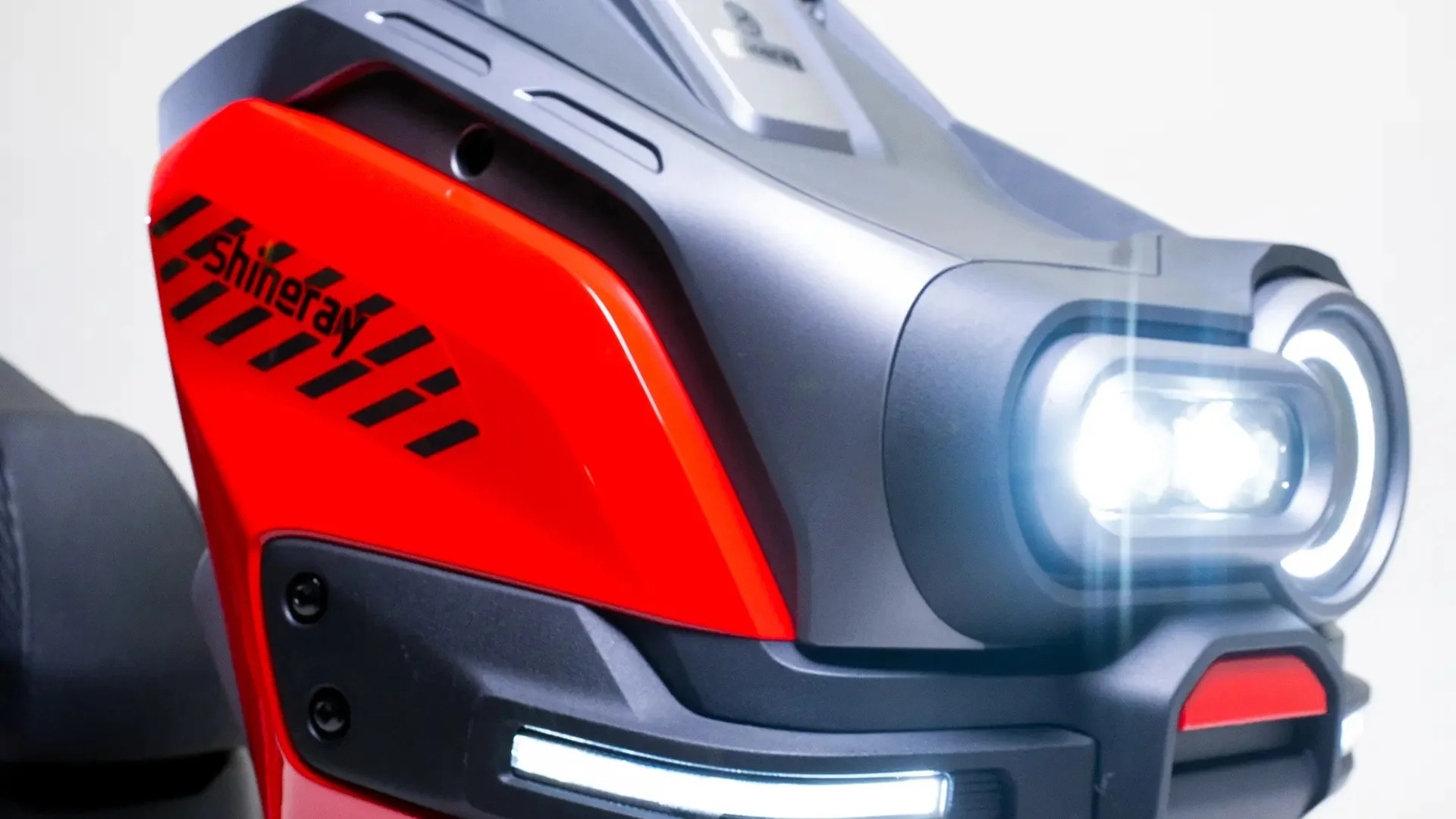
Costing R$ 12,490, the new Shineray Urban Lite 150 “cheap one” arrives in Brazil with a CVT transmission, digital dashboard, and LED lights, making it more affordable than the Biz and targeting those who want to abandon the bus.
-
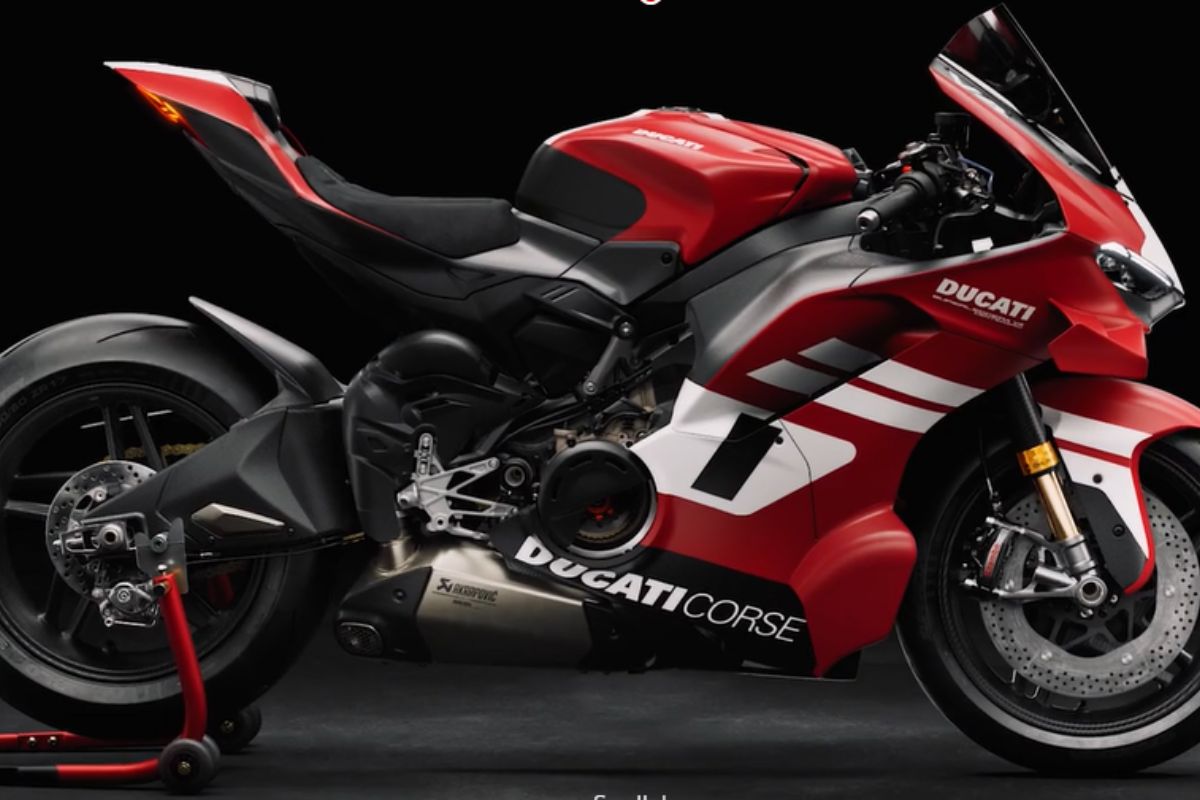
Ducati brings to Brazil the Superleggera V4 Centenario: 228 hp that become 247 with a track kit, carbon fiber and carbon-ceramic brakes, estimated price between R$ 1.5 and 2 million, deliveries only in 2027.

During these visits, he was impressed with what he found.
According to him, Chinese electric cars are far superior to those produced in the West. “Seventy percent of all electric vehicles in the world are made in China,” said the executive.
He also praised Chinese companies Huawei and Xiaomi, highlighting their technological advancements.
“They have a much superior technology. Huawei and Xiaomi are in every car. You get in and don’t need to pair your phone. Your entire life automatically appears in the vehicle,” he explained.
Farley also commented on cost and quality.
For him, Chinese vehicles offer more for less. “The cost and quality of these vehicles are far superior to what I see in the West,” he stated.
Critique of Tech Giants
The Ford CEO also pointed out the limitations of the Western market.
According to him, companies like Google and Apple missed the opportunity by deciding not to actually enter the automotive sector.
This, in Farley’s view, weakened the West’s competitiveness compared to China.
“We are in a global competition with China, and it’s not just about electric vehicles. If we lose this, there will be no future for Ford,” he declared.
Farley Praises Xiaomi’s Car
Farley’s statements carry even more weight as he revealed that he himself drives a Chinese car daily.
The Ford CEO stated that he has been driving the SU7, Xiaomi’s first electric model, for six months. “I have been driving for six months and don’t want to stop,” he said.
The executive’s choice doesn’t seem exaggerated.
Xiaomi’s success in the electric vehicle sector is rapidly growing. Evidence of this is the launch of the company’s second model, the YU7 SUV. The vehicle received 200,000 orders in just three minutes.
Impressive Demand
Shortly after the launch, Xiaomi announced that the YU7 already had 289,000 interested customers in less than an hour.
In various physical stores in China, demand was so high that it caused crowds of people trying to secure a spot on the waiting list.
The SUV has a competitive price, starting at 30,196 euros in China, which is lower than the 31,390 euros of the Tesla Model Y, its main competitor. Already dubbed “Electric SUV of the Year,” the model shows that Xiaomi is determined to lead.
Farley’s final statement summarizes the sentiment: the Western industry needs to react quickly.
With information from hibridosyelectricos.










-

-

-

-

9 pessoas reagiram a isso.