





 Portuguese
  English
  Spanish
  3 min of reading
  1 comment


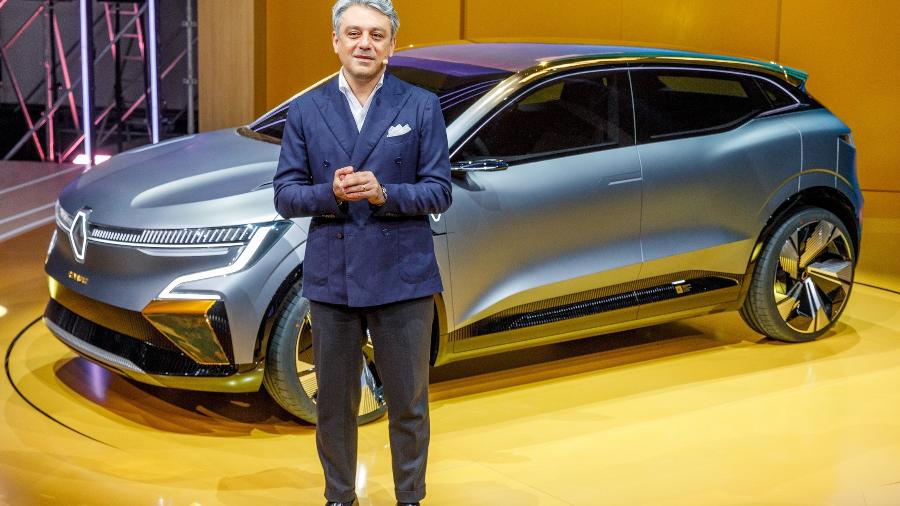


The CEO of Renault Predicts That Electric Car Prices Could Increase by Up to 40% by 2030 Due to Rising Material and Technology Costs.
The electric car market is undergoing a major transformation, but the challenges are many. While sales continue to grow, a forecast made by Luca de Meo, CEO of Renault, revealed a concerning alert: the production costs of these vehicles could rise by up to 40% by the end of the decade.
Electric Transition
The transition to electric cars is progressing, but not without difficulties. Recent studies indicate that by 2025, sales of these vehicles could reach 30% of the global market.
Even in countries where adoption of electric vehicles is slow, such as Brazil, the number of registrations is growing.
-
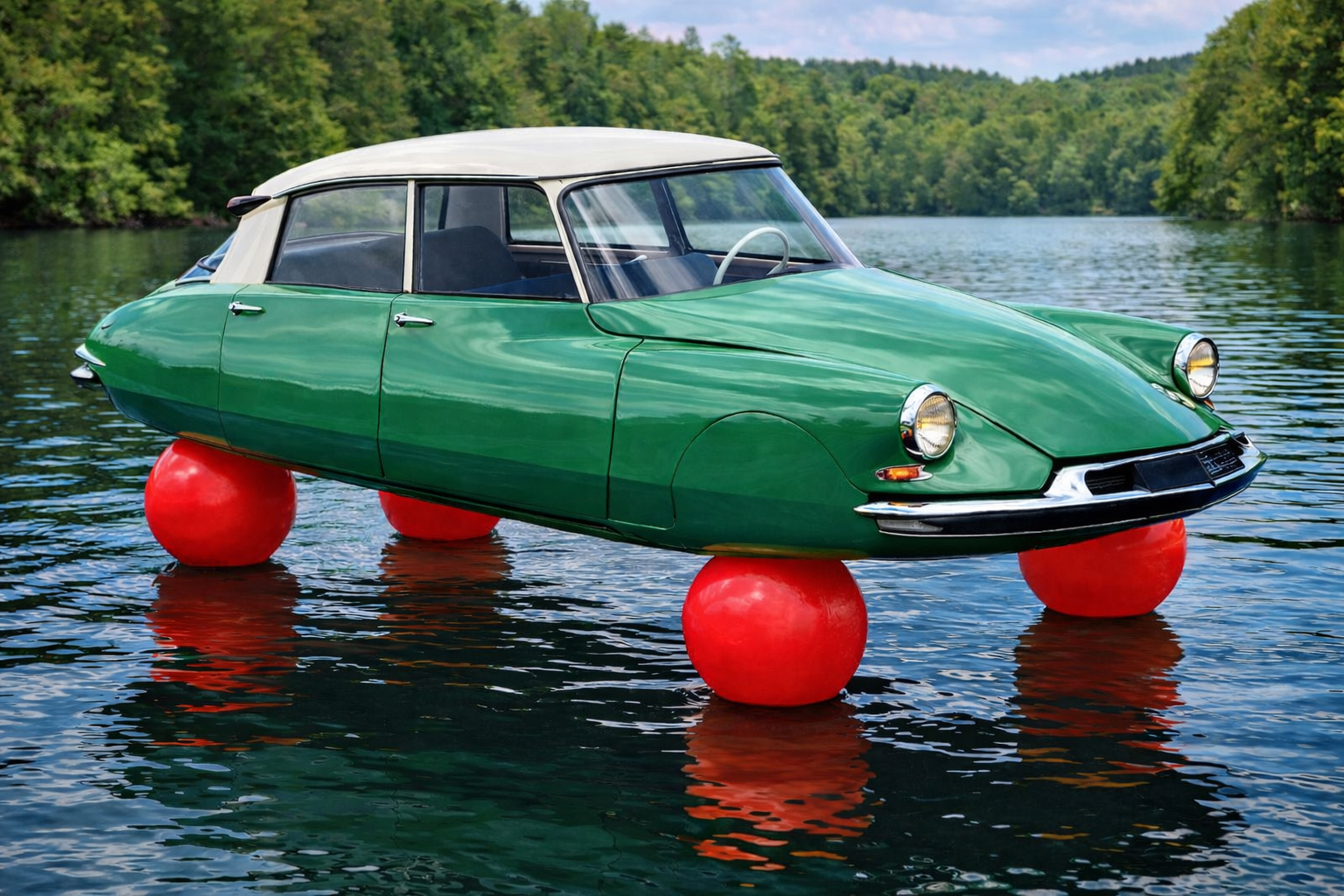
A French brand placed a car on four huge red balloons to prove that its suspension made the vehicle “float,” and the surreal scene became one of the most iconic and unusual images in automotive history.
-
Jeep Avenger begins production in Brazil, debuting as the brand’s new entry-level SUV and inaugurating an unprecedented phase by becoming the first national Jeep manufactured outside of Goiana, as part of a R$ 3 billion plan.
-
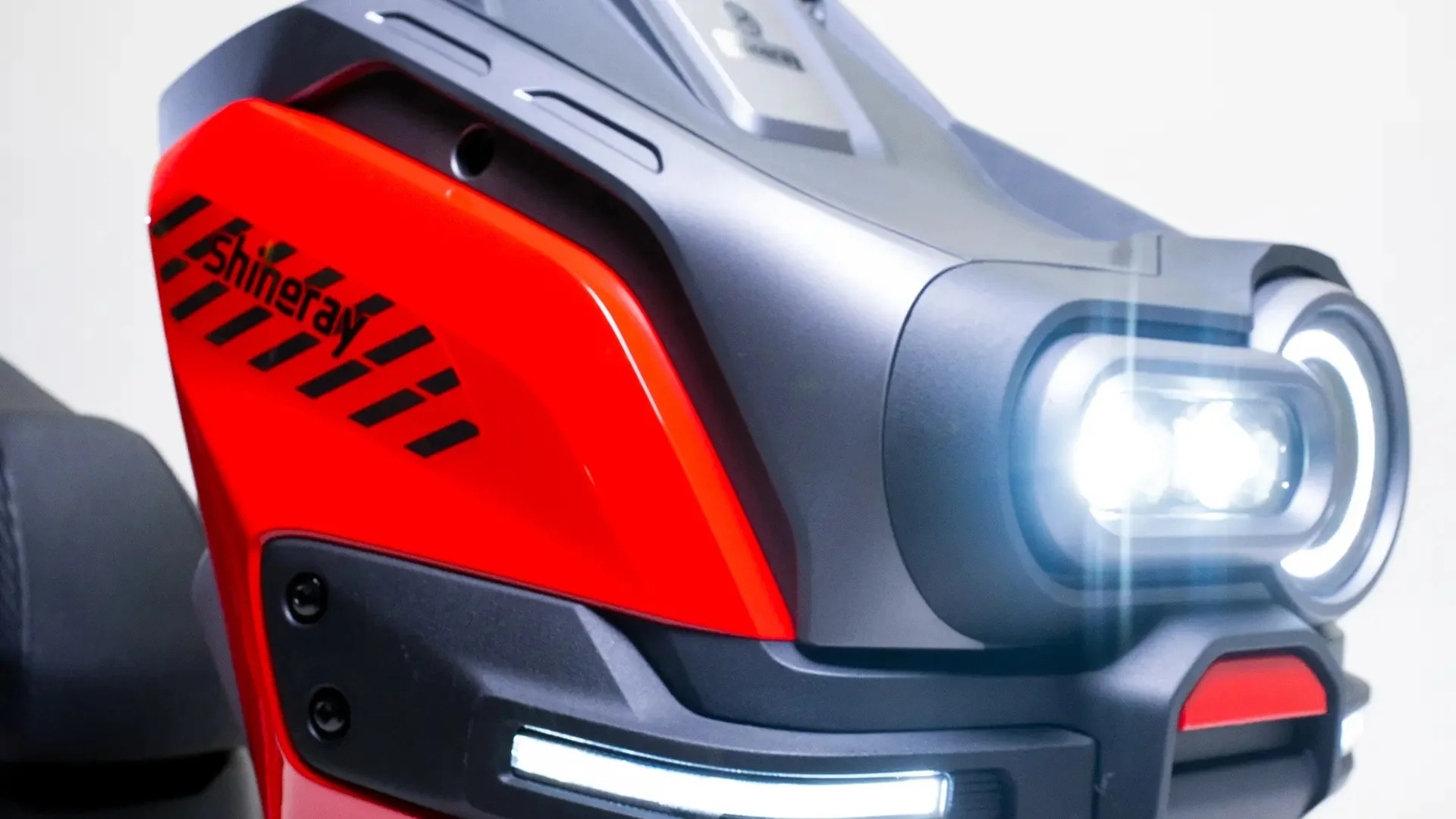
Costing R$ 12,490, the new Shineray Urban Lite 150 “cheap one” arrives in Brazil with a CVT transmission, digital dashboard, and LED lights, making it more affordable than the Biz and targeting those who want to abandon the bus.
-
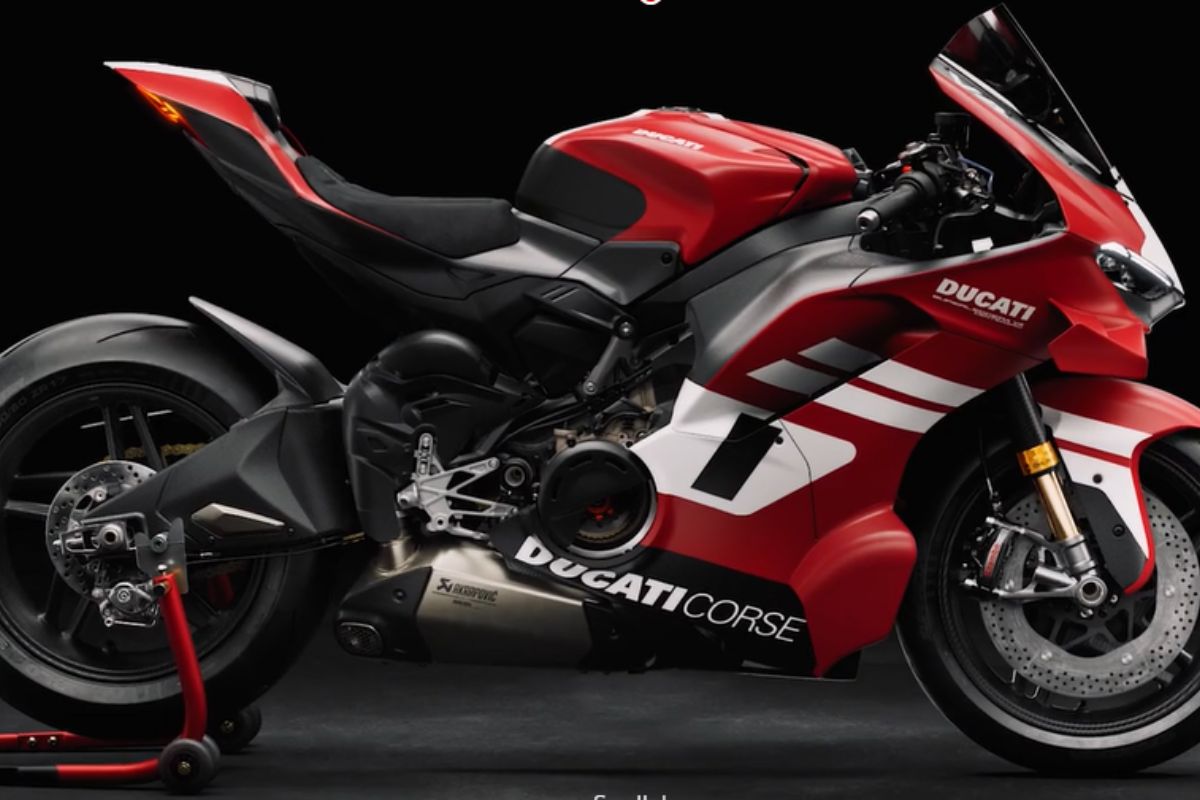
Ducati brings to Brazil the Superleggera V4 Centenario: 228 hp that become 247 with a track kit, carbon fiber and carbon-ceramic brakes, estimated price between R$ 1.5 and 2 million, deliveries only in 2027.

However, Luca de Meo emphasizes that prices are already too high for most people. “The key to the success of electric cars lies in the purchasing power of the middle class. If the middle class is not doing well, the automotive industry will not be either,” he stated.
According to him, the loss of purchasing power of the middle class is one of the main threats to the future of this segment.
The Role of European Standards
One solution to increase accessibility would be to reduce production costs. In an interview with the Belgian economic newspaper De Tijd, he criticized the increasingly stringent regulations imposed on car manufacturers in the European Union.
“The new standards require substantial investments and generate additional costs. Currently, eight to twelve regulations are approved each year. This will result in a 40% increase in the cost of vehicle production by 2030,” he explained.
Additionally, Luca revealed that about 25% of Renault’s research and development budget is being allocated exclusively to adapt cars to new environmental and safety regulations.
Charging Infrastructure
Another critical point is the infrastructure for charging electric vehicles, which is considered insufficient. According to de Meo, the development of this network needs to accelerate significantly: “It is necessary for the charging infrastructure to grow between 6 and 7 times faster than the current pace.”
He advocated that this expansion will only be viable with the support of governments and financial institutions. For him, charging stations can be highly profitable from the moment they start operating.
The Future of the Electric Car
Despite the challenges, the trend towards electrification in the automotive market seems irreversible. But the forecast of higher prices could slow the expected growth in the coming years, especially if there are no advancements that balance costs and accessibility.
The automotive industry, governments, and institutions will play a crucial role in enabling this transition and ensuring that electric cars become a reality for everyone.










Mas que diabo de CEO é esse, cada vez caem mais os preços, essas montadoras tradicionais estão desesperadas, agora o loby é com influencers de YouTube, desespero tá grande