





 Português
  Inglês
  Espanhol
  3 min de leitura


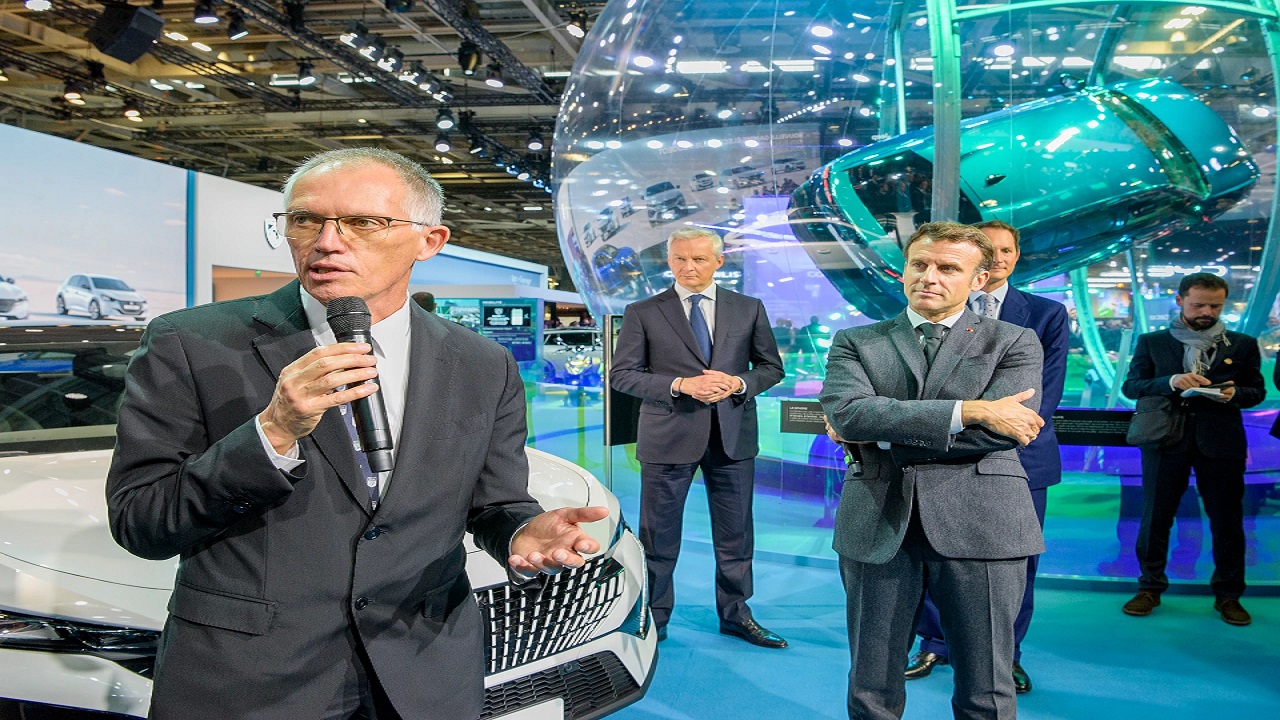
Stellantis CEO Comments on the Electric Car Market in Brazil and Claims That Ethanol Can Be the Solution for Many Consumers.
The Portuguese Carlos Tavares, CEO of Stellantis Group, an automotive conglomerate that includes brands such as Fiat, Peugeot, Jeep, and Citroën, did not hesitate to stir emotions and stated thatBrazilian consumers do not need electric cars, but rather ethanol. This declaration was made during a press conference with journalists from around the world at the group’s financial results announcement event.
Electric Cars in Brazil Are Disadvantageous Compared to 100% Ethanol, Says Carlos Tavares
The response came after the Stellantis CEO was questioned about the taxes levied on electric cars in Brazil. The executive claims there are no reasons for people to adopt electric cars in Brazil since electric vehicles do not make sense compared to cars that can run on 100% ethanol.
Tavares’ remarks align with recent statements made by Antonio Filosa, operating director of Stellantis in South America. According to Filosa, Brazil currently has the largest electric fleet in the world, in equivalence, citing the carbon capture generated by sugarcane planting.
-
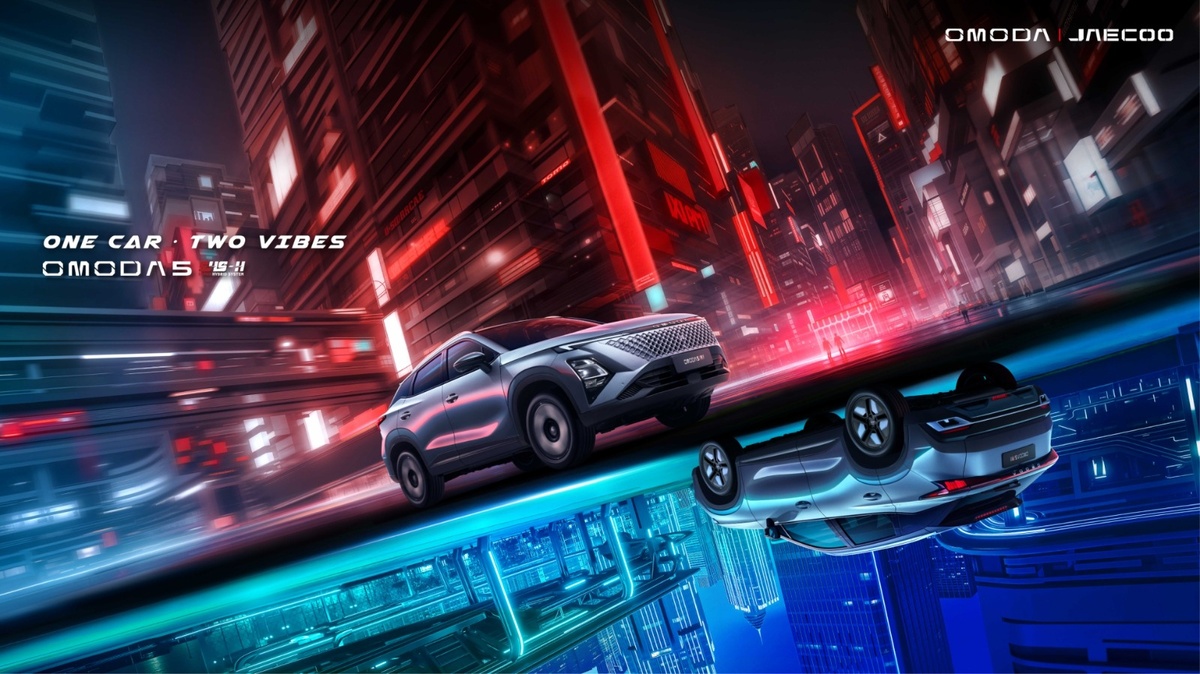
OMODA & JAECOO grows in Europe in 2026 with an integrated strategy of sales, innovation, local production, and technological advancement in the United Kingdom, Italy, and Spain.
-
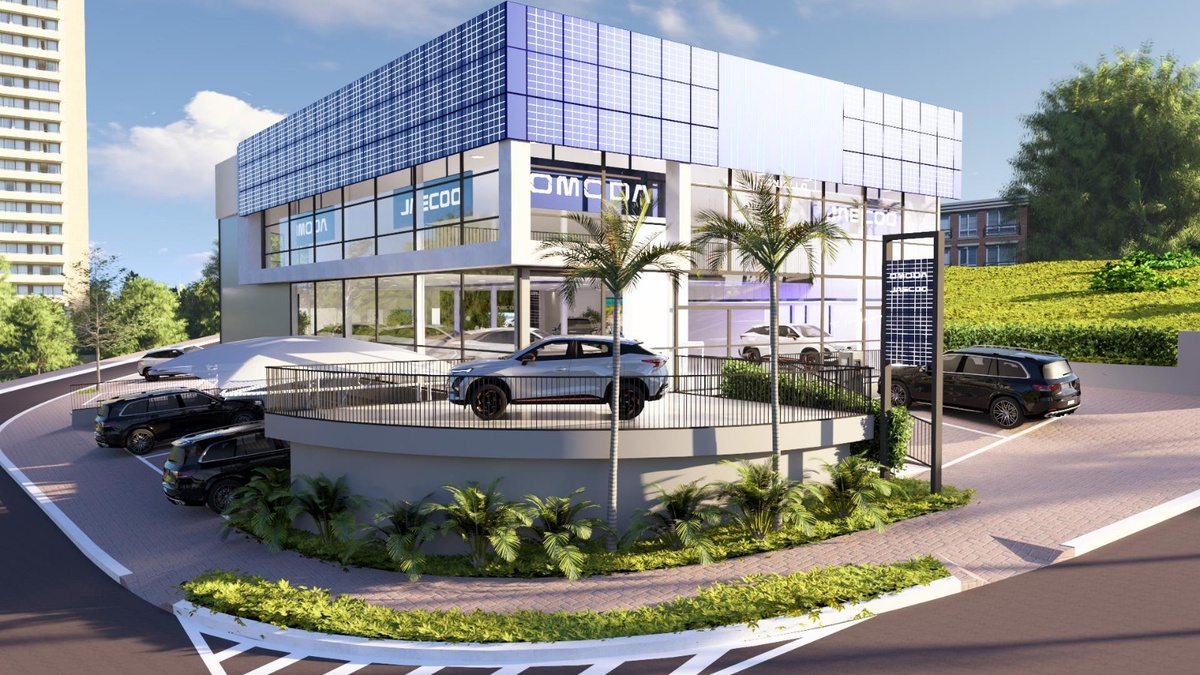
OMODA & JAECOO expands after-sales service in Brazil with competitive maintenance, a 7-year warranty, and high availability of parts for technological SUVs.
-
OMODA & JAECOO appoints Alessandra Souza as executive marketing director in Brazil and accelerates brand expansion with a focus on innovation, networking, and hybrid portfolio.

-
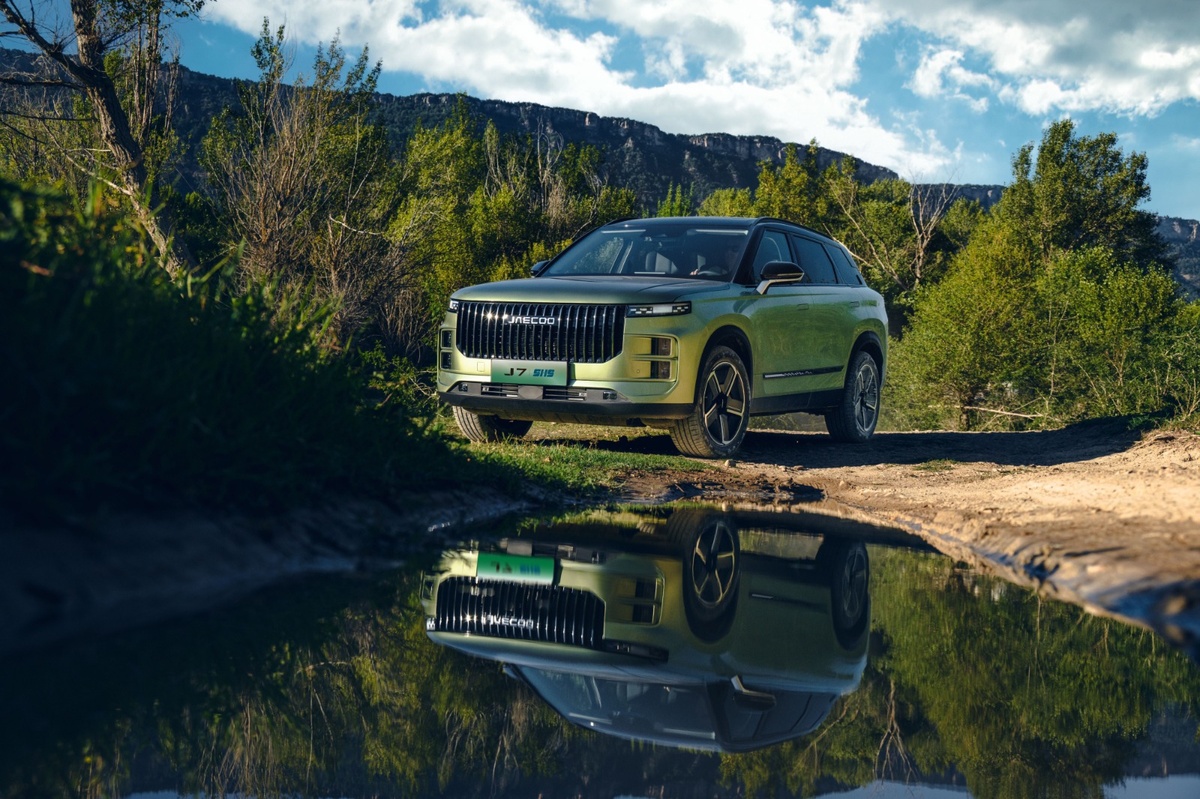
Jaecoo 7 with super hybrid SHS system exceeds 1,200 km of combined range with a 1.5 turbo engine, high-density battery, and intelligent energy management.

Carlos Tavares was quite realistic in analyzing electric cars in Brazil, as these vehicles are not superior in terms of emissions perspective, which has indeed been proven by some studies, while they are significantly more expensive compared to models that run entirely on alcohol.
On the other hand, one cannot deny that electric propulsion is also linked to the idea of a modern and updated car. It is something that the completely ethanol-powered models that Stellantis plans to launch will never achieve, and in this case, the only solution is to market electric cars as well.
Can Stellantis Launch a New Ethanol-Powered Car by 2023?
The executive claims that this may be a market niche and states that there are no intentions of leaving it to competitors, so Stellantis will be there too. Slightly provocative, the executive did not provide details regarding launches for the Brazilian market but stated that electric cars will also be brought to Brazil to counter those who think they can destabilize Stellantis’ leadership.
There is a strong probability that consumers will receive an ethanol car from the brand even this year, even if in prototype form. However, do not be surprised if the manufacturer chooses one of its models to launch a version fully powered by ethanol, serving as a laboratory for its project.
The outlook for the coming years is even more interesting, with the goal of adding electrified systems to these engines and, in an ideal future, even hydrogen generation through the complex steam reforming process.
The Electric Car Market
The executive also emphasizes his concern about reducing the costs of electric cars, dependence on subsidies, future supply of inputs, and rising interest rates. These are plausible concerns and, of course, should be weighed. Carlos states that Stellantis has tested all types of cars in Brazil and knows there are options for all demands.
The electric car is currently not the solution, but rather an alternative for those who generate energy at home or for those who prefer a noiseless vehicle, for example. If it is claimed that the electric car is the definitive solution for the country, certainly many people will say otherwise for various reasons. It is not mandatory to have a single path or a single alternative; it is necessary to have all of them, and consumers choose the one that best suits them.









Seja o primeiro a reagir!