





 Portuguese
  English
  Spanish
  3 min of reading
  0 comments


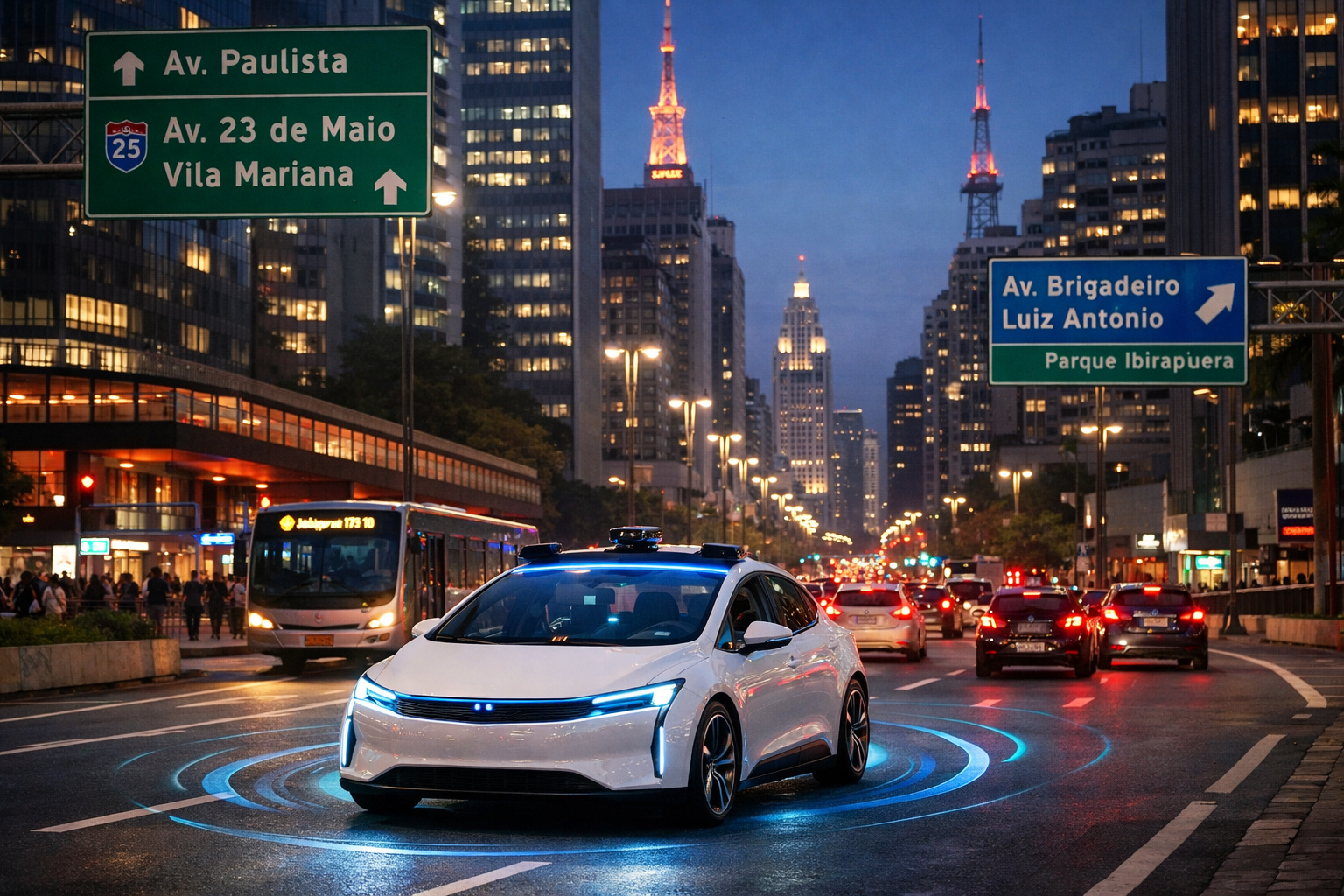
Dara Khosrowshahi’s Statement Indicates Gradual Transition to Autonomous Cars, Revives Debate on Jobs and Reveals How Artificial Intelligence Can Redesign Global Urban Transport
The work model that transformed urban transportation in the last decade may be entering a new phase. According to Uber‘s CEO, Dara Khosrowshahi, the role of the human driver is expected to gradually disappear over the next two decades, as autonomous vehicles and artificial intelligence systems mature and scale.
This information was revealed by “The Wall Street Journal”, according to a recent interview given by the executive, in which he describes a future where automation plays a central role in urban mobility. According to Khosrowshahi, this change is not based solely on operational efficiency, but, above all, on safety and massive data processing.
In this context, the CEO was straightforward in stating that “robots do not get distracted.” According to him, autonomous systems can analyze traffic scenarios based on a data volume equivalent to millions of human lives, something impossible for any individual driver. Thus, Uber bets that artificial intelligence will be the next big leap in the sector.
-
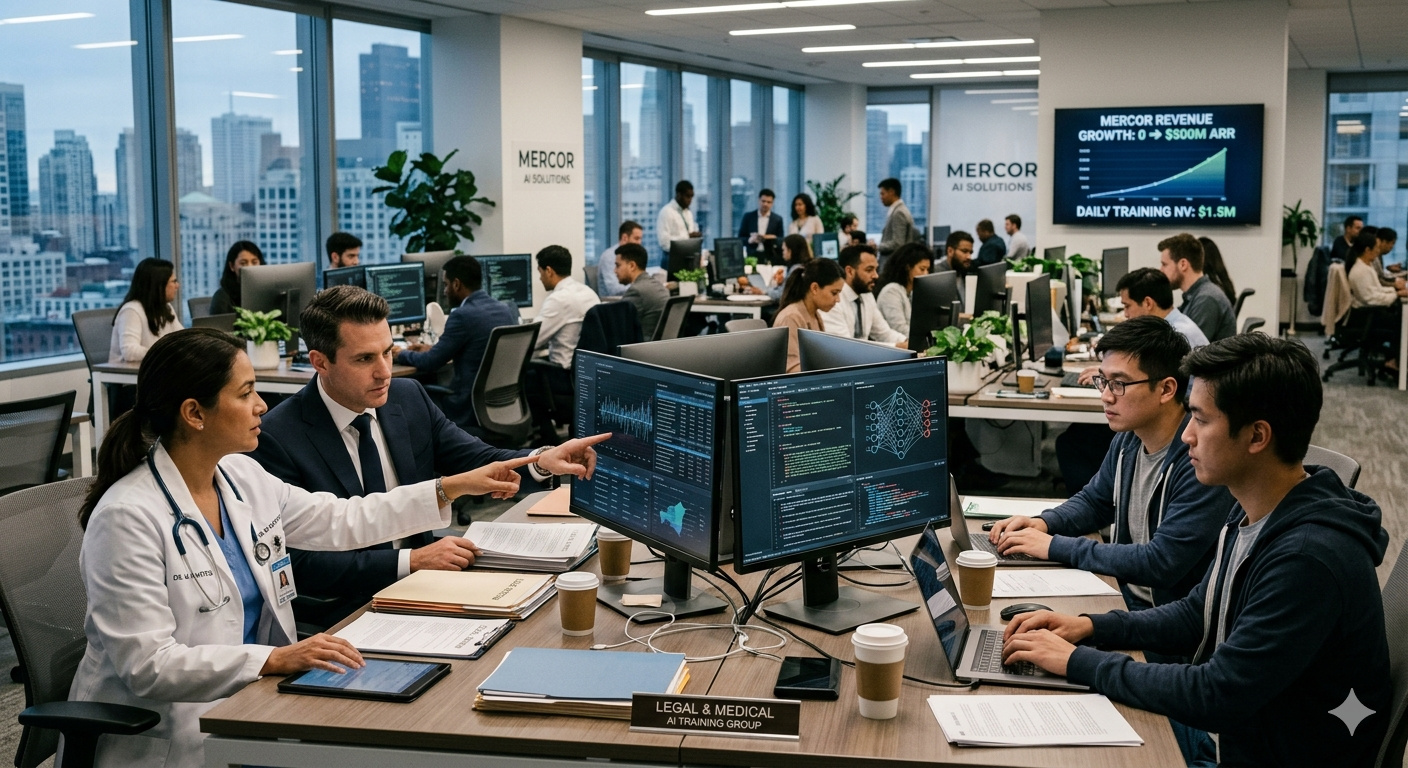
Mercor paid $1.5 million per day for doctors, lawyers, and former Goldman Sachs bankers to teach artificial intelligence to do their jobs, and in 17 months, it went from zero to $500 million in annual revenue while its own contractors accelerated the replacement of their own work.
-
Casio Unveils Moflin, Robotic Pet With Artificial Intelligence Designed To Provide Emotional Comfort And Simulate A Permanent Affectionate Bond

-
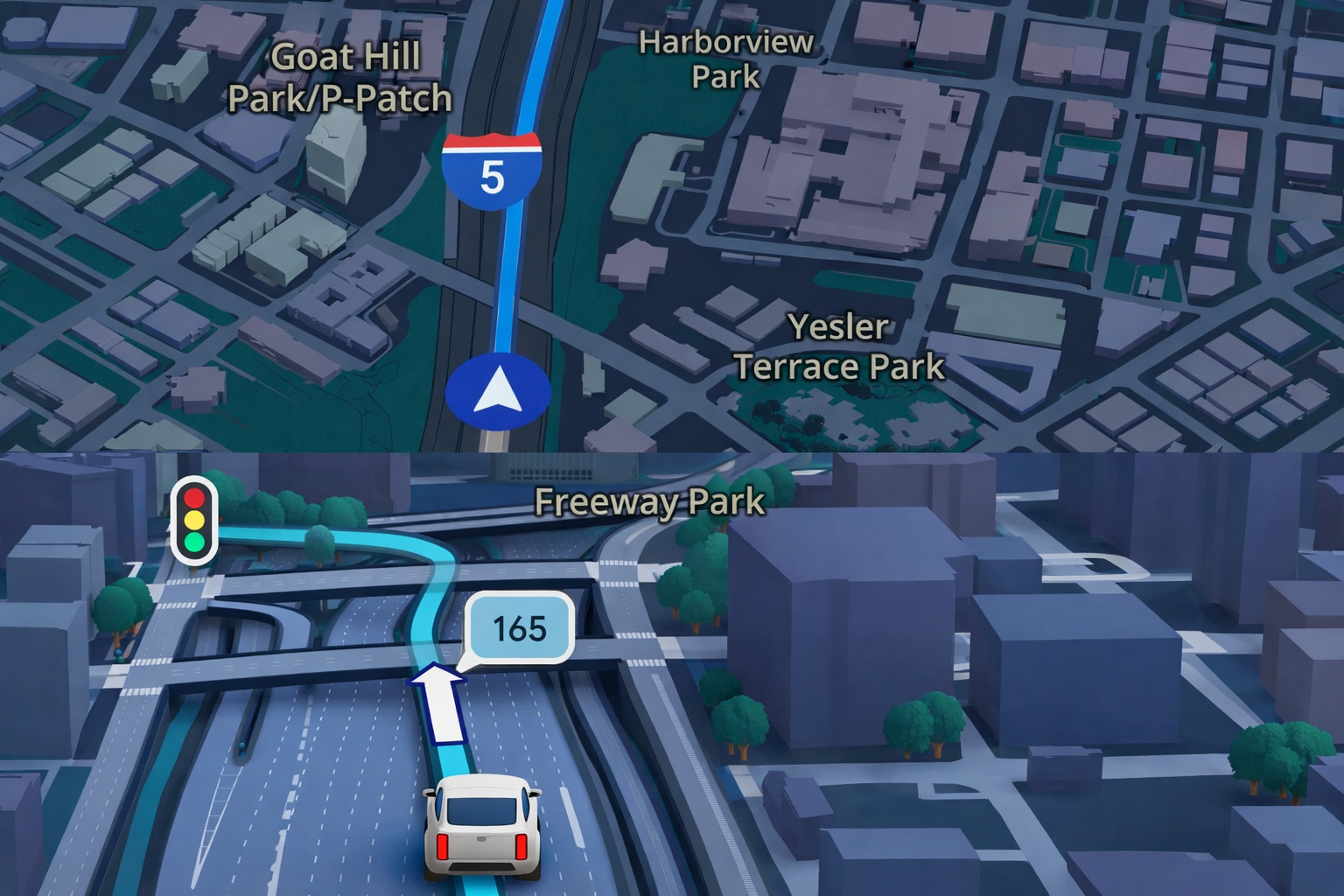
Google Maps Revolutionizes GPS Navigation With Gemini Artificial Intelligence, Ask Maps Feature, and Advanced 3D Visualization for Route and Travel Planning
-
China Warns the U.S. of a “Terminator” Style Apocalypse: Military AI Rivalry, Sanctions Against American Startup, and Fear of Algorithms Deciding Who Lives or Dies Place the World on the Brink of a Nightmare That Seemed Like Fiction

Gradual Transition Expected to Take 10 to 20 Years, According to Uber
Despite the impact of the statement, the company dismisses any immediate disruption. On the contrary, the transition is expected to occur in a progressive manner over 10 to 20 years. Currently, Uber has over seven million drivers and delivery workers in the United States alone, making any abrupt replacement unfeasible.
According to the timeline presented by the CEO, the process is to follow some well-defined stages. In the next 10 years, the trend is the consolidation of a “hybrid network”, in which vehicles driven by humans and autonomous cars will share routes. During this period, the technology will still act complementarily.
After 2035, however, the expectation is for a more accelerated advance of automation. In this scenario, the human workforce is expected to gradually lose ground as autonomous systems become more reliable, cheaper, and widely regulated.
Still, Khosrowshahi acknowledges that total replacement depends not only on technology, but also on social acceptance, legislation, and urban infrastructure. Therefore, the future projected by Uber involves multiple variables and challenges.
Safety in Debate: Humans vs. Machines on the Road

Although Uber’s promise is for greater safety, current data still reveal important limitations. A study conducted by the University of California compared thousands of incidents involving autonomous vehicles and human drivers.
The study showed that, overall, autonomous cars adopt a more cautious driving style. However, they also exhibit specific vulnerabilities, such as a greater propensity for collisions in low visibility conditions, especially during the early morning and dawn.
This technology is already operating in an assisted manner in cities like Las Vegas, where autonomous vehicles circulate in controlled areas. Nevertheless, turning this exception into a global rule requires significant advancements in sensors, artificial intelligence, legislation, and standardization of systems.
At the same time, Uber sees automation as an inevitable path. For the company, the combination of AI, big data, and autonomous vehicles can reduce accidents, optimize routes, and fundamentally change the logic of urban mobility.
Thus, the CEO’s forecast not only anticipates a technological scenario but also raises a profound debate about the future of work, professional retraining, and the role of humans in an increasingly automated sector.
Do you believe that autonomous vehicles will truly make traffic safer, or will the human presence still be indispensable for a long time?










Seja o primeiro a reagir!