





 Portuguese
  English
  Spanish
  5 min of reading
  0 comments


Understand How Offshore Certifications Influence Your Professional Life, Increase Business Credibility, and Open Doors in the International Market.
In the globalized world we live in, terms like “offshore” have gained space not only in economic debates but also in decisions that directly affect the lives of companies and individuals. Thus, offshore certifications are becoming increasingly relevant.
They emerged with the growth of international trade and the need to ensure quality, compliance, and safety in activities carried out outside the company’s country of origin.
But after all, what are these certifications and how can they affect your personal life or the direction of your business?
-
With Announcement for ROV Course in Partnership with Zen, Rio das Ostras Aims to Transform Technical Qualification into Real Jobs in the Competitive Offshore Market

-
Free Offshore Steward Course in São Gonçalo Emerges as a Strategic Opportunity for Those Seeking Qualified Work at Sea

-
Messer Gases Reopens Branch in Macaé to Serve Offshore Oil and Gas Market in Northern Fluminense with Supply of Oxygen, Argon, and CO₂

-
Offshore Profession Simplified: Comprehensive Guide Reveals How to Trade Common Routine for High Salaries and Long Breaks in Life Aboard in the Oil Sector
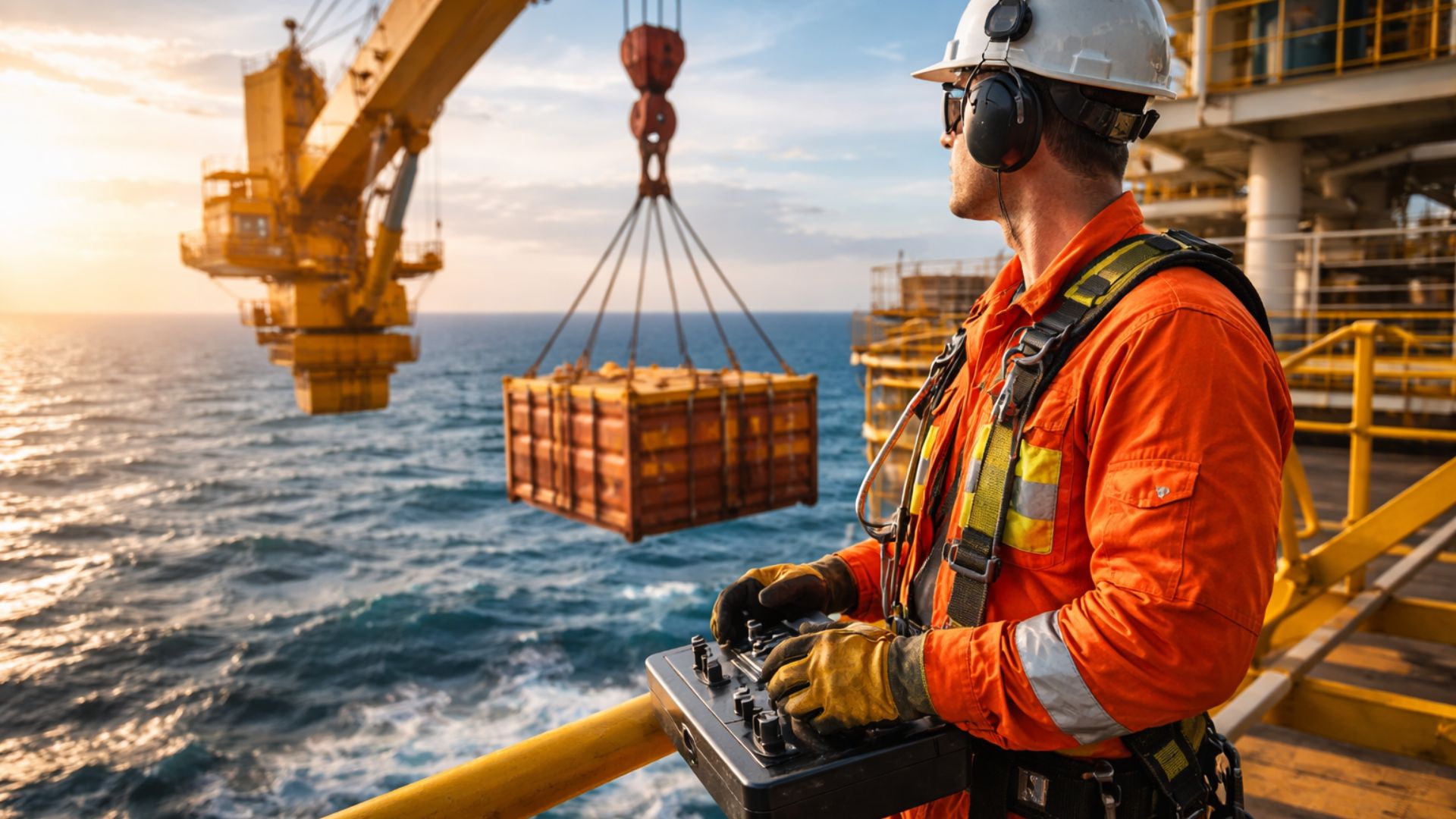

To better understand this concept, it is important to realize that the global market is in constant transformation.
Therefore, companies seek to expand their operations to different countries to take advantage of competitive advantages, such as skilled labor, tax incentives, or proximity to consumers.
However, this expansion brings challenges, mainly to ensure that products and services meet recognized standards, even in countries with different regulations.
This is where offshore certifications come in, functioning as a bridge of trust between different markets.
What Are Offshore Certifications and Their Historical Origins
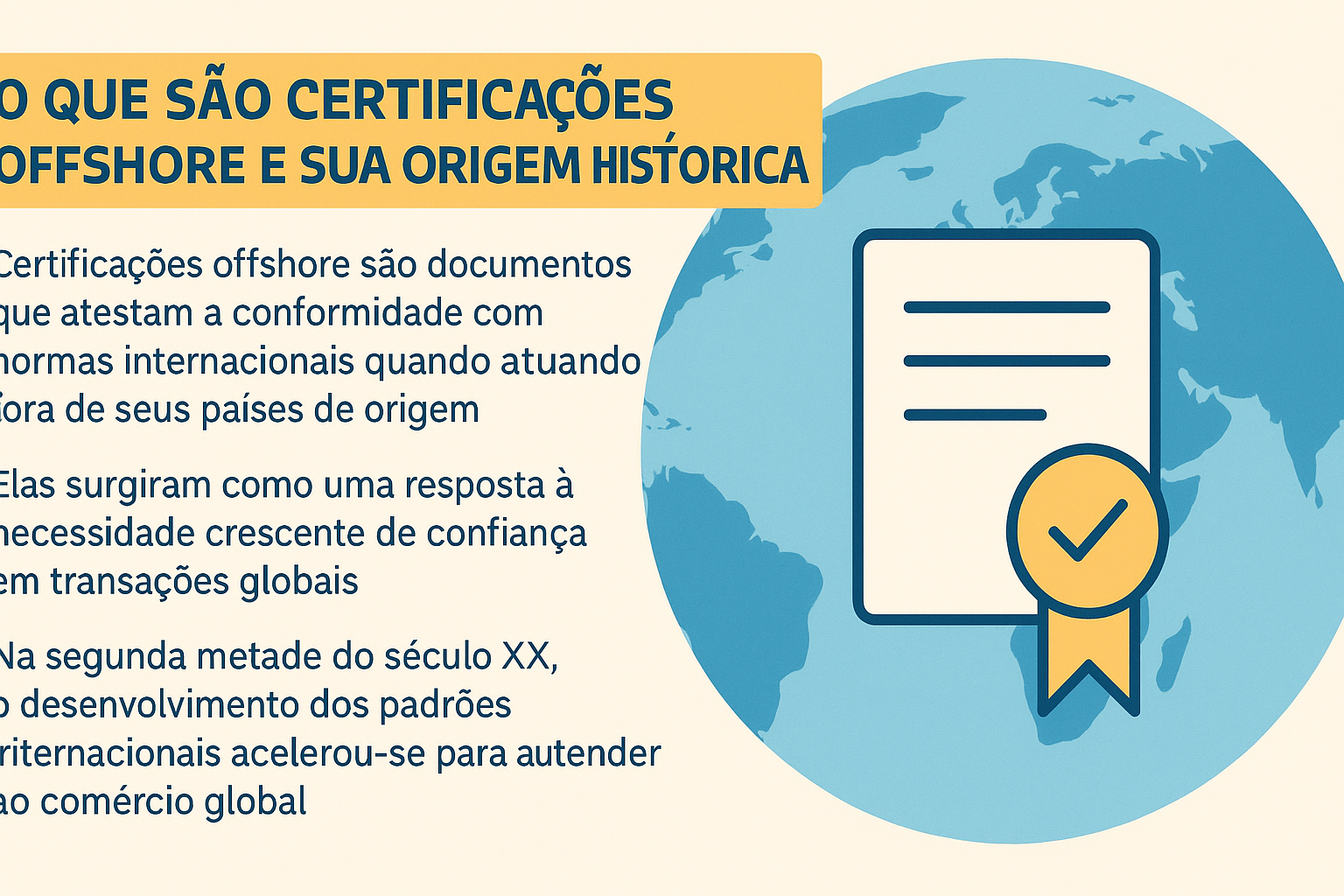
Offshore certifications are documents that certify the compliance of products, services, companies, or professionals with technical standards and international benchmarks, when they operate outside their countries of origin.
In other words, the term “offshore” literally means “off the coast“, but in the corporate and financial field, it has come to represent operations conducted outside national territory, usually in countries with lower tax burdens or different regulatory rules.
These certifications emerged as a response to the growing need for trust in global transactions.
With companies establishing factories, providing services, or investing in other countries, it became essential to create mechanisms that ensure these operations adhere to quality and legality criteria recognized internationally.
Additionally, the trade liberalization of the 1990s, according to a report by the World Trade Organization (WTO) in 1995, propelled the establishment of companies in different countries to maximize competitive advantages.
This phase was marked by the opening of markets and the reduction of tariff barriers, which stimulated offshore expansion.
Throughout the 1970s and 1980s, with the advancement of telecommunications and globalization, many countries relaxed rules to attract foreign investments, giving rise to so-called “tax havens” and free trade zones, according to a study by the Organization for Economic Cooperation and Development (OECD) in 1987.
During this period, there was an increased concern about quality control and transparency of activities conducted outside the country of origin.
Thus, international bodies such as ISO began to develop certifications that would be globally recognized and that would ensure the safety and quality of these operations.
According to the International Labour Organization (ILO), in a report published in 2020, certifications began to incorporate stricter standards related to health and safety at work, reflecting growing international attention to labor conditions in offshore operations.
Therefore, many of these certifications incorporate assessments of sustainability, social responsibility, and corporate governance, reinforcing the commitment of companies to ethical and transparent practices, which are essential for today’s global market.
The Importance of Certifications for Businesses
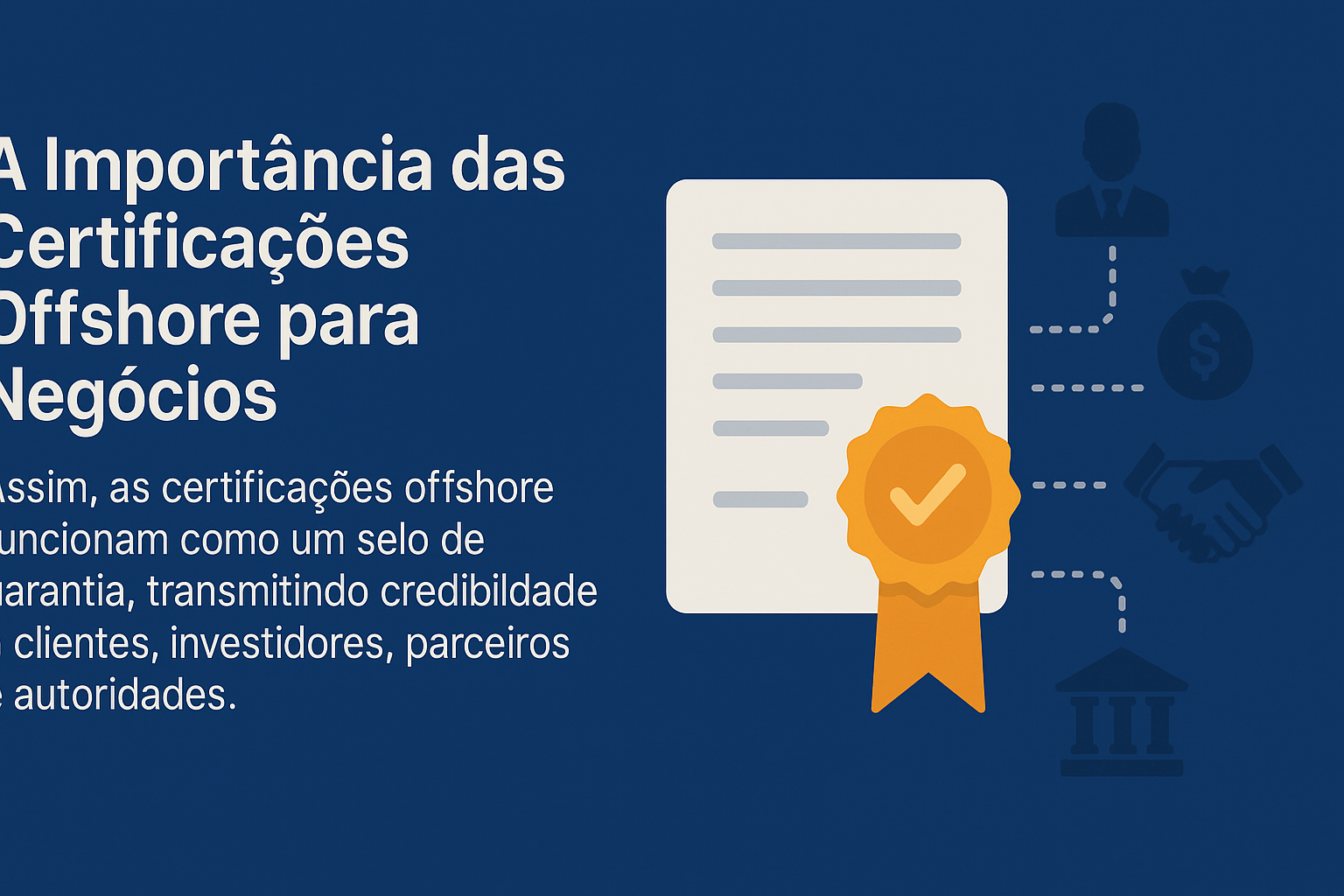
In the business world, trust is everything. When a company operates outside its country, it needs to demonstrate that it acts responsibly, following technical, environmental, tax, and labor standards.
Thus, offshore certifications serve as a guarantee seal, conveying credibility to clients, investors, partners, and authorities.
For example, imagine a Brazilian company that exports products to the European Union. Even if producing outside Brazil, this company must meet European standards for quality, safety, and sustainability.
Therefore, having an offshore certification can open doors, avoid trade barriers, and facilitate entry into new markets.
Additionally, in sectors such as oil and gas, shipbuilding, information technology, and finance, certifications become prerequisites for international contracts.
In other words, companies operating offshore without proper recognition risk losing valuable opportunities or facing legal and commercial sanctions.
Another relevant point is the direct impact on competitiveness. Certified companies can negotiate better prices, deadlines, and conditions in contracts because they offer less risk to their business partners.
This can result in accelerated growth and increased profitability.
Beyond the commercial aspect, certifications help maintain compliance with local and international legislation, avoiding fines, sanctions, and damage to reputation.
Indeed, in a world where transparency and social responsibility are increasingly valued, being certified demonstrates a commitment to these demands.
According to the website of the Brazilian Association of Technical Standards (ABNT), international certifications are seen as essential tools for Brazilian companies to gain more space in the external market, especially after the intensification of globalization in the early 21st century.
Impacts of Certifications on People’s Lives
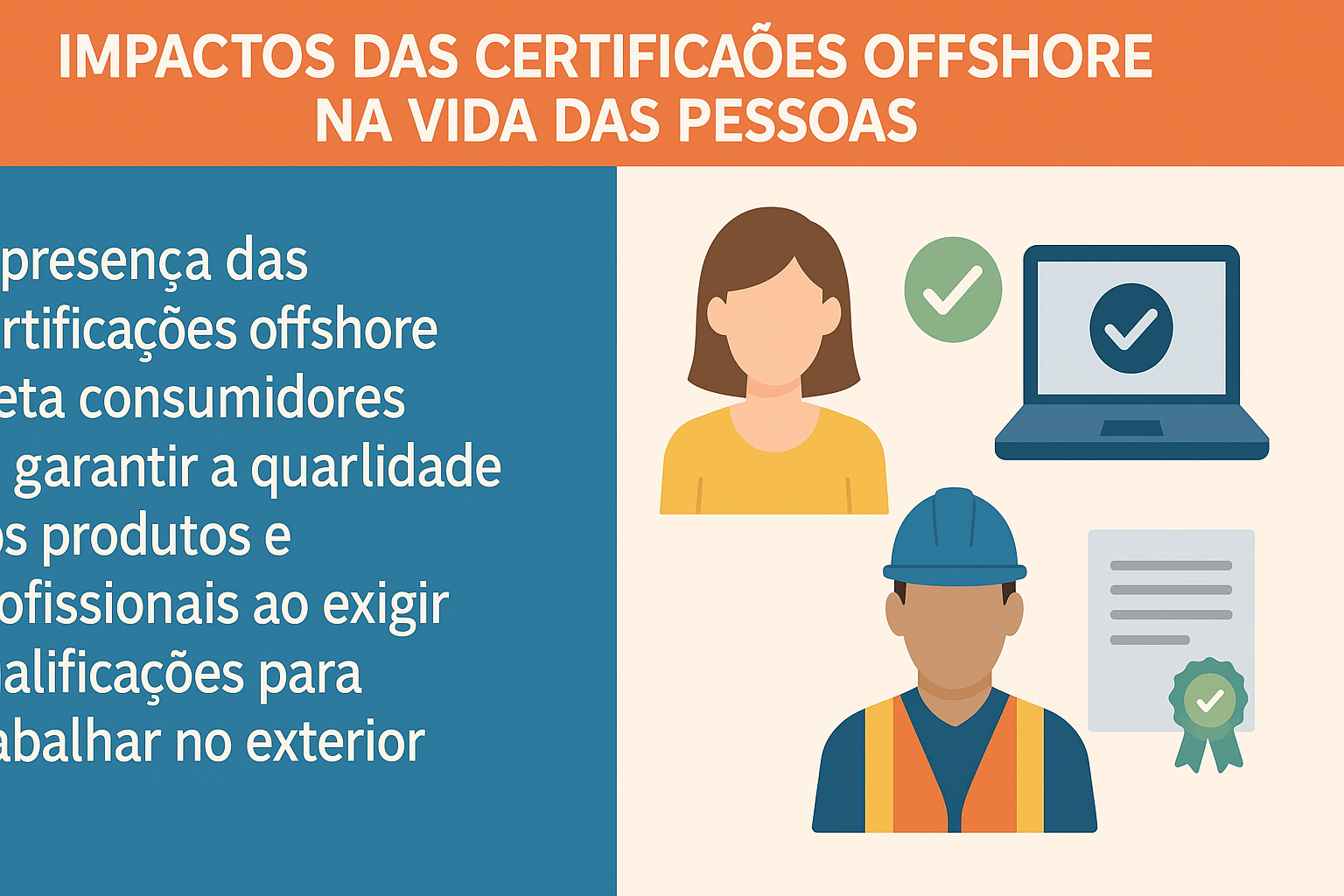
One is mistaken if they think this issue only pertains to large corporations. On the contrary, the presence of offshore certifications also affects the lives of ordinary people, especially in a world where consumption and work are increasingly globalized.
When buying an electronic device made in Asia or consuming imported foods, the consumer relies on a chain of trust validated through these certifications.
They ensure that the product was manufactured within acceptable standards, both technically and ethically.
Furthermore, many professionals working abroad or on offshore platforms, such as engineers, technicians, and seafarers, need to obtain specific certifications to perform their functions.
This means that even a person’s employability can depend on obtaining these certifications, reinforcing their importance in everyday life.
It is worth noting that certifications also influence end consumers in areas such as health and safety. Certified products undergo rigorous controls, which reduces risks and promotes greater safety for those who use or consume them.
Additionally, the quest for sustainability and environmental responsibility, present in various offshore certifications, reflects a concern that benefits society as a whole.
Thus, these certifications contribute to a healthier planet and collective well-being.
The Future of Offshore Certifications
With advancements in technology and the intensification of global relations, offshore certifications will become even more common and required.
Moreover, the digitalization of certification processes, the use of blockchain to validate documents, and the expansion of ESG (Environmental, Social, and Governance) criteria will directly influence this scenario.
Therefore, companies and professionals wishing to remain relevant in the global market must keep up with these transformations, constantly seeking updates and adaptations to new standards.
In addition, it is expected that certifications will become more accessible to small and medium-sized enterprises, which currently face difficulties in obtaining these documents due to costs and bureaucracies.
Thus, this democratization can create a fairer and more competitive production chain on a global scale.
Offshore certifications are not merely bureaucratic details.
In fact, they represent a key element of the global economy, promoting trust, quality, and responsibility in activities carried out beyond borders.
Whether in professional life, as a competitive differentiator, or in business, as a strategic requirement, these certifications have a profound and lasting impact.
Thus, understanding their value and seeking adherence to these standards is an essential step for anyone wishing to act safely, ethically, and effectively in an increasingly interconnected world.











Seja o primeiro a reagir!