





 Português
  Inglês
  Espanhol
  3 min de leitura
  0 comentários



The Intriguing Financial Backstage of Automakers and Their Profits: Unraveling the Numbers Behind It All!
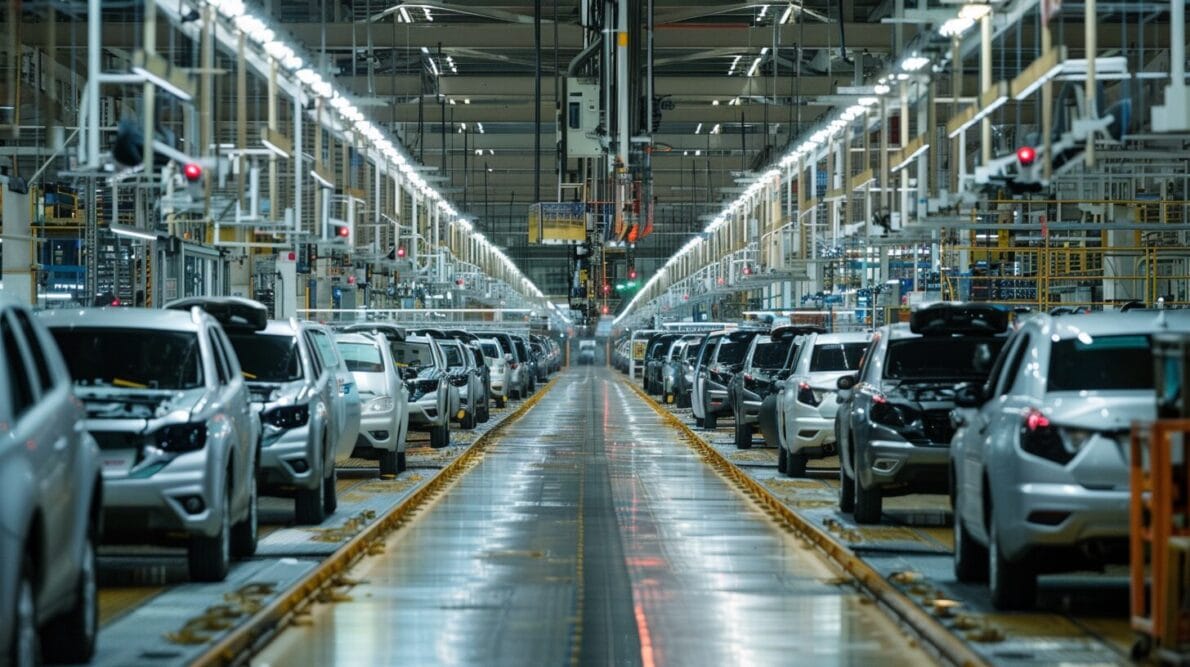
The automakers, with their complex production lines and factories filled with robots and engineers, seem to operate in their own universe. But how do these industry giants actually make money? Let’s uncover the backstage and understand what lies behind car prices and automaker profits, according to autopapo.
Sergio Habib, the visionary behind the controversial statements, takes us into the backstage of automakers. Imagine selling a car with a retail price of R$ 100 thousand. Seems simple, right? But reality is more complex. Let’s unravel the numbers:
- Distribution Cost: About 30% of the car price goes to distribution costs. This enables the vehicle to reach you, whether at the dealership or directly to your door.
- Network Margin: The dealership network does not keep the entire profit margin, which is 10%. They retain about 6% to 7%, while the remainder is given as discounts to customers.
- Warranty and Logistics: The 2% (or sometimes 3%) allocated for warranty is essential for consumer confidence. And we can’t forget about the 3% for logistics, which keeps the machinery running.
Profit Margins on Replacement Parts: The Well-Kept Secret of Automakers
Sergio Habib, the irreverent executive of Jac Motors, recently revealed in an interview that automaker profits do not come solely from new car sales. The real source of sustenance for these companies lies in replacement parts. Yes, those parts you only think about when you need to fix your vehicle after an accident or normal wear and tear.
-
OMODA & JAECOO grows in Europe in 2026 with an integrated strategy of sales, innovation, local production, and technological advancement in the United Kingdom, Italy, and Spain.

-
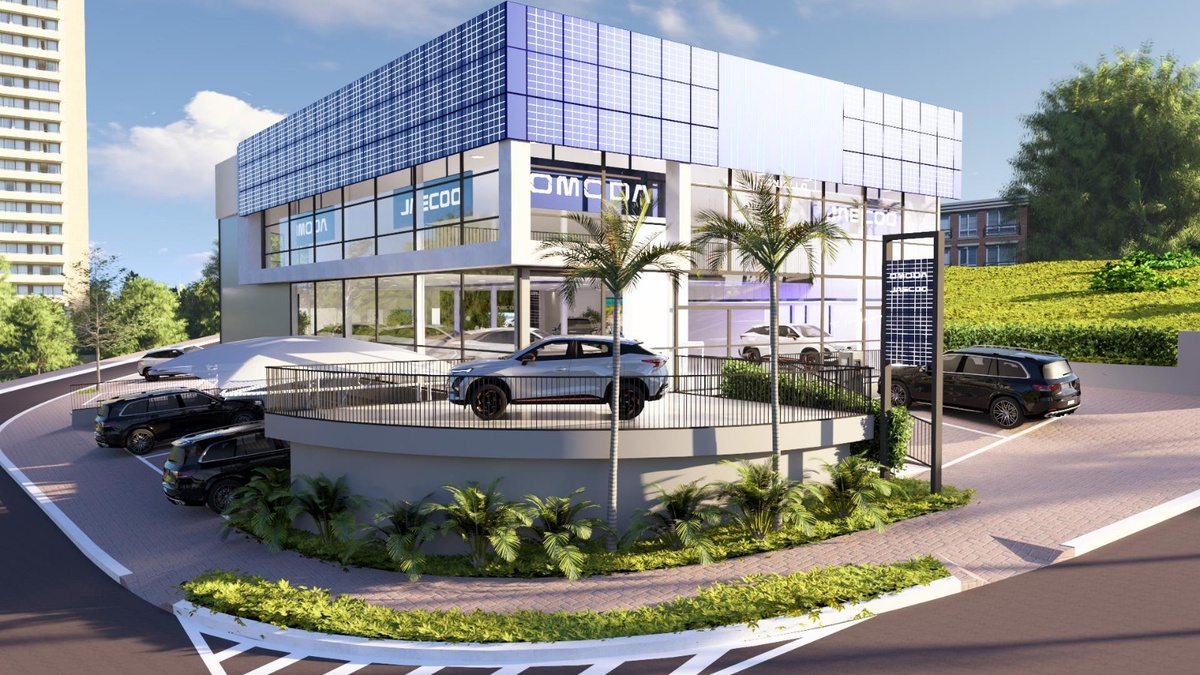
OMODA & JAECOO expands after-sales service in Brazil with competitive maintenance, a 7-year warranty, and high availability of parts for technological SUVs.
-
OMODA & JAECOO appoints Alessandra Souza as executive marketing director in Brazil and accelerates brand expansion with a focus on innovation, networking, and hybrid portfolio.

-
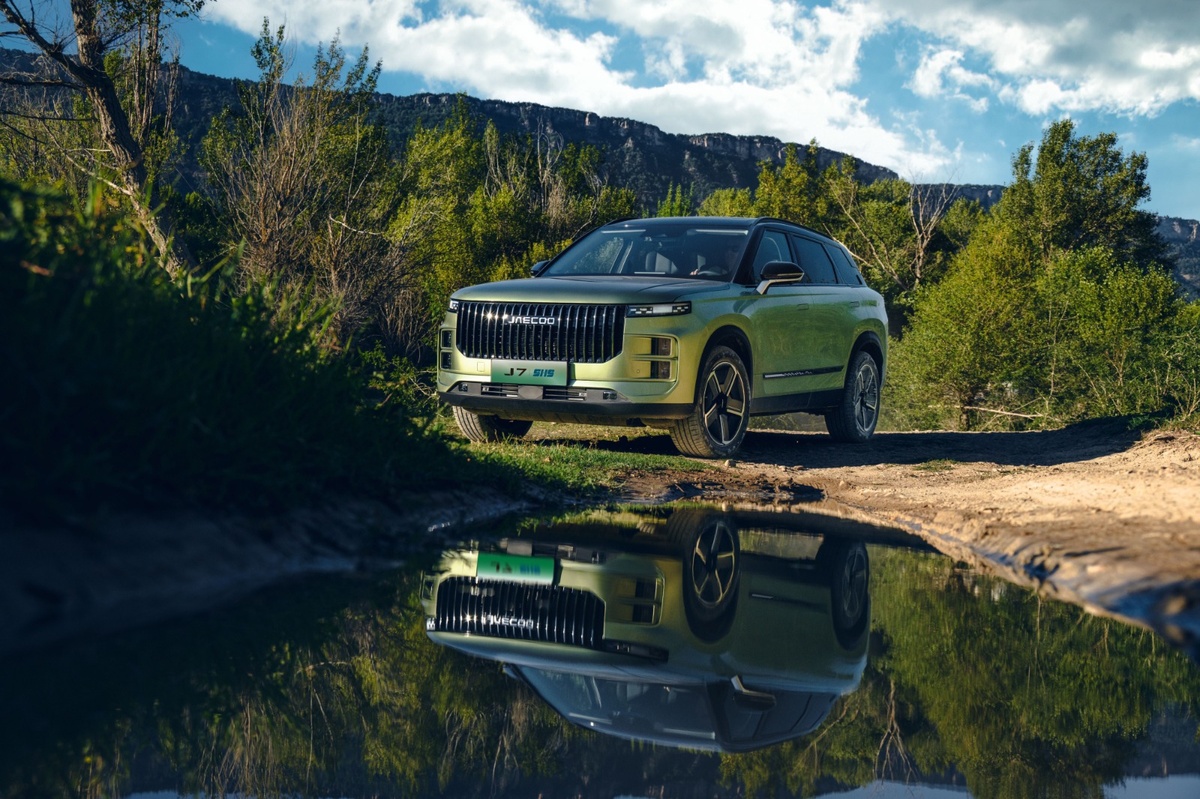
Jaecoo 7 with super hybrid SHS system exceeds 1,200 km of combined range with a 1.5 turbo engine, high-density battery, and intelligent energy management.

- Profit Margins on Parts: Basically, automakers cover a large part of their operational expenses with the margins obtained from the sale of replacement parts. When you need to replace a headlight, a bumper, or even an electronic module, that’s where the automaker recoups some of the production and maintenance costs.
- The Car Price Calculation: The final price of a car is not just the manufacturing cost. It includes profit margins from the dealership, logistics expenses, advertising, and even the “extra” removed during promotions. Additionally, taxes also come into play. In the end, about 10% of the car’s value is allocated to the automaker’s profit.

The Challenge of Electric Cars: A Disruptive Revolution
Traditional automakers are facing a silent revolution: the transition to electric cars. This change is driven by government incentives and proposals to ban combustion vehicles. But how does this affect automaker profits?
- Declining Replacement Parts: Electric cars have fewer moving parts in the engine and therefore require less periodic maintenance. This means that automakers will lose part of the profit margins that previously came from replacement parts.
- Dependence on Suppliers: While in combustion cars, the powertrain is produced internally, in electric vehicles, batteries and motors come from external suppliers. This dependence reduces control over product quality and innovation, affecting profit margins.
- Financial Challenge: The transition to electric cars represents a financial challenge for automakers. They need to balance the production of electric vehicles with traditional ones while maintaining their profit margins and adapting to a transforming market.
The Future of Automakers and the Search for Balance
Automakers are at a crossroads. They need to innovate, invest in sustainable technologies, and at the same time, ensure their financial survival. Replacement parts will continue to be an important pillar, but the transition to electric cars is inevitable. The challenge now is to find the balance between profit and sustainability as they drive towards a cleaner and more efficient future.
And you, did you know about this? Leave your comments here to let us know if you were aware or what you think about these statements from the Jac Motors executive.









Seja o primeiro a reagir!