





 English
  Francês
  Alemão
  Italiano
  Japonês
  Norueguês
  Portuguese
  Spanish
  5 min of reading


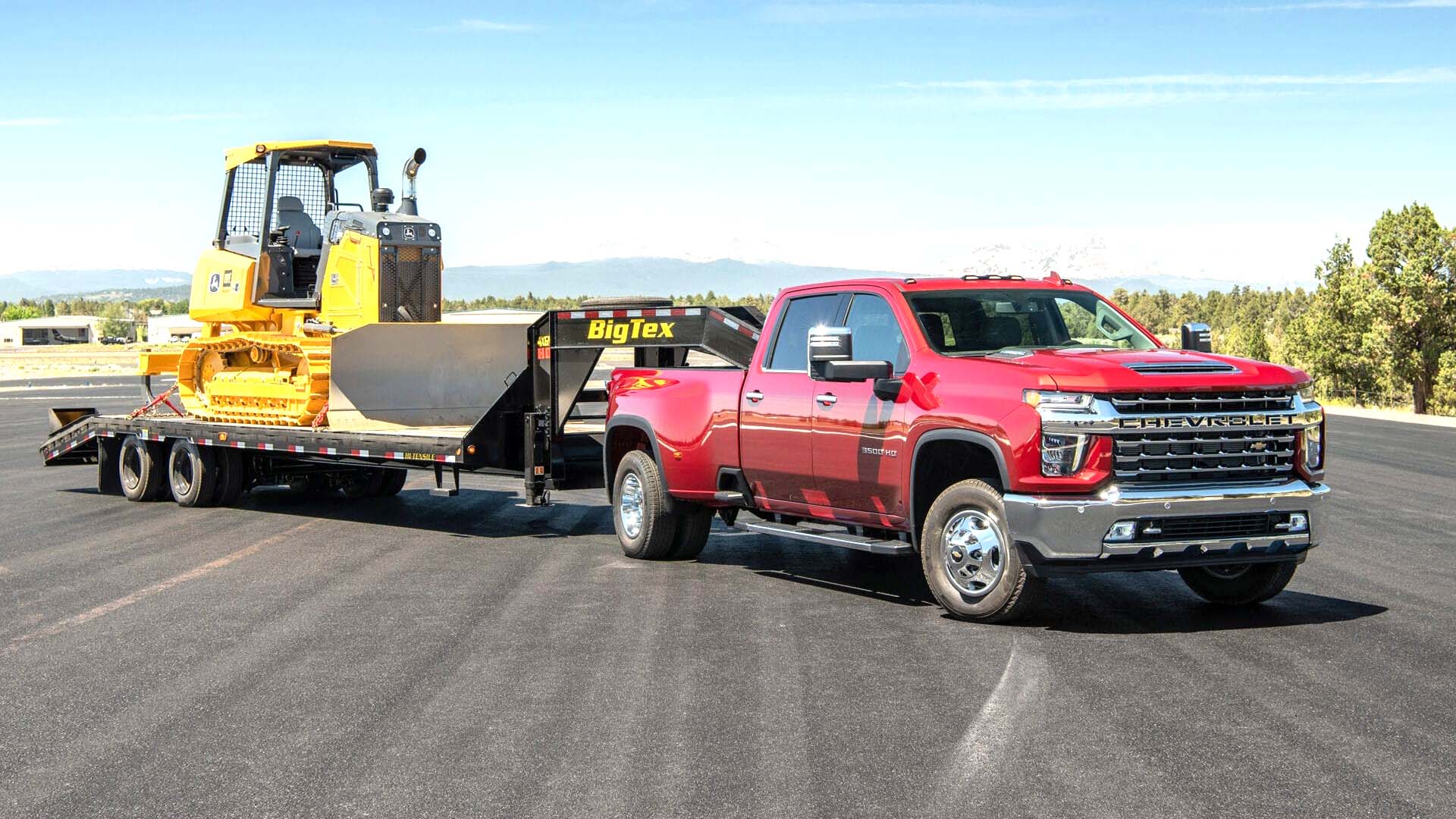
Company Is Working to Convert the Powerful 6.6L Duramax Diesel Engine from General Motors into a Clean Hydrogen-Fueled Engine.
The idea of using hydrogen as fuel enjoys growing support in the automotive industry because, among other advantages, it allows for the continued use of properly adapted internal combustion engines. Just a few days ago, Yamaha gifted the world with the first hydrogen-powered V8, and today we will present the project from Punch Powertrain, a regular partner of manufacturers such as BMW, General Motors, or Stellantis, to convert diesel engines to hydrogen use.
Read Also
- In Contrast to Ford, Which Halted Vehicle Production and Closed All Factories in Brazil, Multinational Volkswagen Surpasses Five Thousand Employees in Its Industrial Complex, with One Thousand Hires Since the Beginning of the Pandemic
- Niobium, the “Wild Card” for the Industry of the Future, with Lighter Cars, Lower Consumption in Combustion Engines, and Ultra-Fast Charging in Electric Vehicles. All This Is Possible with the Presence of This Abundant Metal in Brazil
- Ford Motor, One of the Most Important Automakers in the World, Will Stop Developing and Manufacturing Combustion Engines, Gasoline, and Diesel for a Completely Electric Future
- Volkswagen Announces End of Production of Gasoline and Diesel Combustion Engines
The battery electric vehicle is the future of the automotive industry, but unfortunately, reality shows that this statement applies only to light transport. In heavy transportation, it is not possible to apply battery-powered electric propulsion, at least not with current technology, and that is why the use of hydrogen has been discovered as the best formula to reduce emissions in this sector and even in maritime applications.
General Motors Uses the Powerful Duramax V8 Engine, Which Delivers 445 hp and 910 lb-ft in Its Most Powerful Trucks, Such as the Chevrolet Silverado HD and the GMC Sierra HD
Automotive News Europe recently spoke with Belgian engineer Guido Dumarey, founder and CEO of Punch Group. One of these facilities – a powertrain engineering complex in Turin, Italy, that Punch acquired from General Motors after its exit from the European market – is working to convert GM’s powerful 6.6L Duramax diesel engine into a clean hydrogen-burning engine.
-
Engineers propose a fourth traffic light for intersections – the change promises to affect crossings, queues, and waiting times.

-
Chevrolet Suburban Z71 lands in Brazil with a V8 engine, off-road design, air suspension, seven seats, and colossal size, a rare version imported for around R$ 1.3 million with luxury and exclusivity.
-
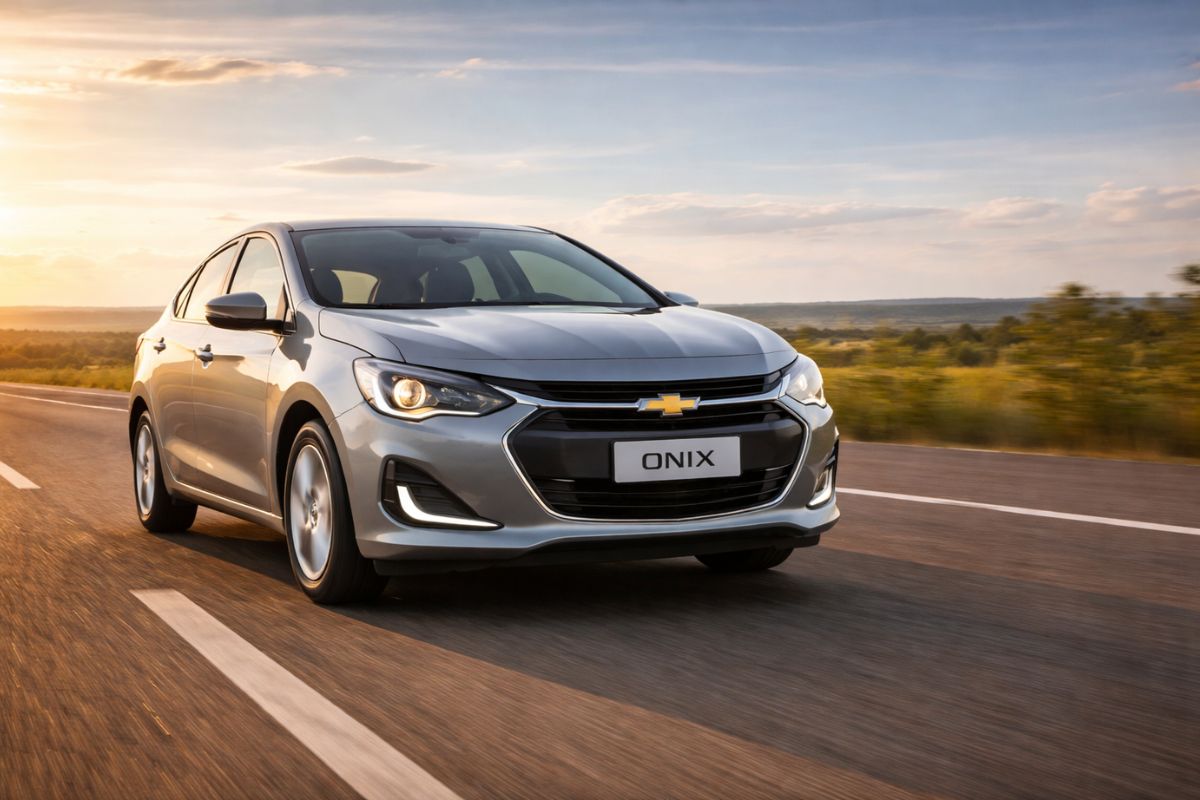
The Chevrolet Onix 1.0 turbo achieves 17.7 km per liter on the highway and ranks among the three most economical cars in Brazil in 2026, alongside two more expensive Toyota hybrids available at dealerships.
-
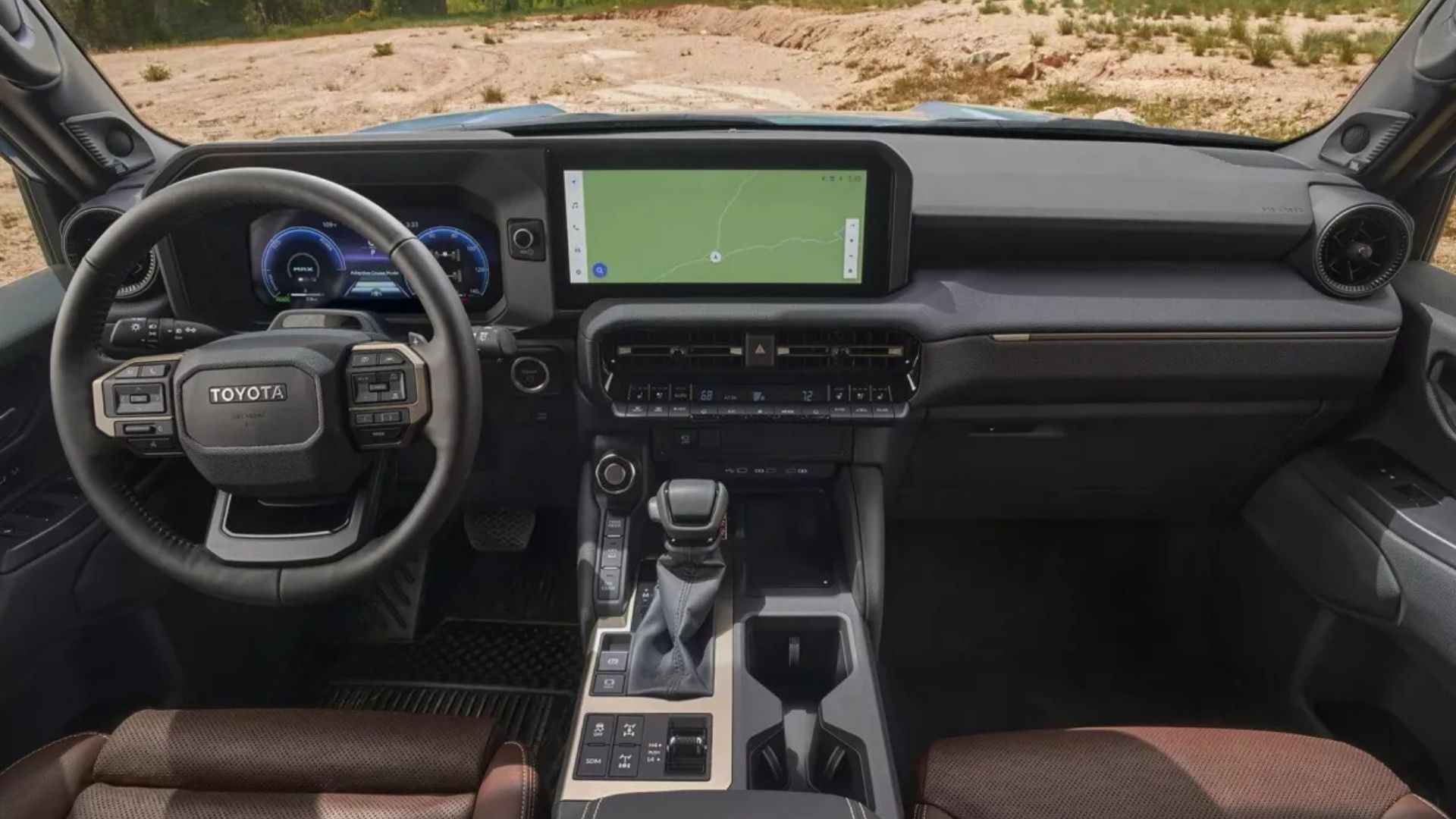
Little sister of the Hilux: Toyota launches Land Cruiser FJ with 4 radical versions, 2.7 engine with 166 hp and 4×4 traction with locking.
It is worth noting that General Motors uses the Duramax V8 engine, which offers 445 hp and 910 lb-ft in its most capable trucks, such as the Chevrolet Silverado HD and the GMC Sierra HD.
In addition to buying the Turin complex from GM, Punch Group also acquired the rights to manufacture and sell the 6.6L Duramax V8 in any market outside the U.S. Curiously, however, once these engines are converted to hydrogen combustion, they can be sold anywhere in the world, including America. Punch wants to go even further, announcing its intention to start converting diesel engines to hydrogen in 2024, with smaller offerings starting at 109 horsepower; meanwhile, the big Duramax sits on top with 544 hp.
Punch Group is not the only one trying to convert combustion engines to run on hydrogen. The chemical element has practically become the only salvation for the traditional combustion engine, a technique that Toyota and Korean Hyundai are also working on, struggling to get ahead by presenting such an important novelty, which will mean an alternative to battery-electric vehicles and hydrogen fuel cells.
The Technical Challenges of Converting the Diesel Combustion Engine to a Hydrogen Engine
The head of Punch Group admits that there are many technical obstacles to overcome. For example, he says, “hydrogen burns seven times faster than diesel, so you need to lower the temperature in the combustion chamber” for proper combustion. “Water injection is a proven technology to do this, but a negative side effect is that it creates corrosion.”
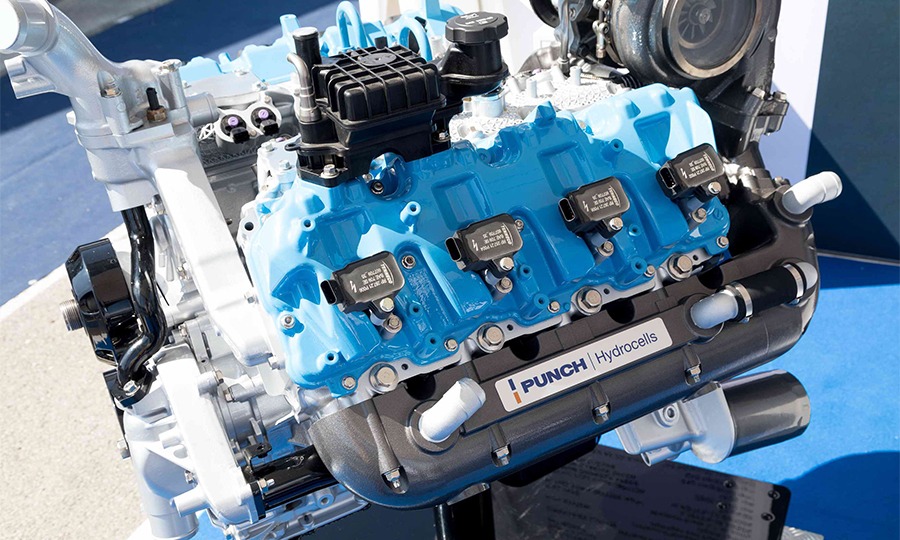
Then, there is the issue of lubrication, which is “another potential problem for an engine that tends to be very dry,” says Dumarey. “Spray lubrication is the only solution.”
The rest of the GM Duramax diesel engine requires relatively little to effectively run on hydrogen, according to Dumarey. This includes some minor changes to the cylinder head and, of course, a reformulation of the injection and control systems.
Punch Group Is Working on Converting Diesel Engines Instead of Gasoline Combustion Engines to Operate on Hydrogen
As for why Punch Group is working on converting diesel engines instead of gasoline combustion engines to operate on hydrogen, there are two main reasons: availability – because, as stated above, Punch already holds the rights to sell the 6.6L Duramax diesel everywhere except the U.S. – and durability. “Modern diesels are designed to last 350,000 km,” explains Dumarey, “while gasoline engines are designed to last about 250,000 km.” And Dumarey anticipates that as more and more countries reduce transport emissions by limiting or prohibiting the sale of new internal combustion vehicles, more diesel plants across Europe will inevitably appear for sale.
So, will we see a hydrogen-powered Punch Duramax diesel engine in the North American market Chevrolet Silverado HD or GMC Sierra HD? It is a possibility; Punch Group does not have the rights to the 6.6L Duramax diesel in the U.S., but it does have U.S. rights to its hydrogen-powered version, and the presumably low rate may mean it wouldn’t make sense for GM to develop and manufacture its own hydrogen-powered Duramax V8.
None of Punch’s hydrogen engines will land in light passenger vehicles anytime soon. Dumarey does not believe there is a compelling case as a light vehicle emissions solution because of the hydrogen fuel tank. While light, it is large enough that packaging becomes a challenge. That is why we have seen a focus on hydrogen fuel cell vehicles so far in large commercial trucks.
“Although the weight of the tank is a fraction of a battery – about 50 kg versus several hundred kilograms for batteries – the tank requires a space of approximately 100 liters,” says Dumarey. “This is a significant packaging challenge if you want to house the tank in the trunk of a sedan. It’s even more problematic with hatchbacks.”








Seja o primeiro a reagir!