





 Portuguese
  English
  Spanish
  5 min of reading
  1 comment





Ford Chief Explains Why He Abandoned The Full-Line Strategy, Admitted That He Can’t Compete With Toyota And Hyundai In Cheap Cars And Focused Ford On High-Profit Trucks, Mustang, And Bronco Since 2018, Even With Strong Decline In Global Sales And Constant Pressure From Investors
The Ford chief, Jim Farley, made the clearest statement so far about the automaker’s direction: he acknowledged that the company lost the cheap car war to Toyota and Hyundai and that insisting on models like Fiesta and Focus no longer made financial sense.
In an interview with the Argentine newspaper La Nación, he stated that Ford was unable to match the costs of the Japanese and South Korean competitors, which turned the ambition of being a full-line manufacturer into a strategic mistake.
Since the restructuring cycle began around 2018, the numbers show the turnaround.
-
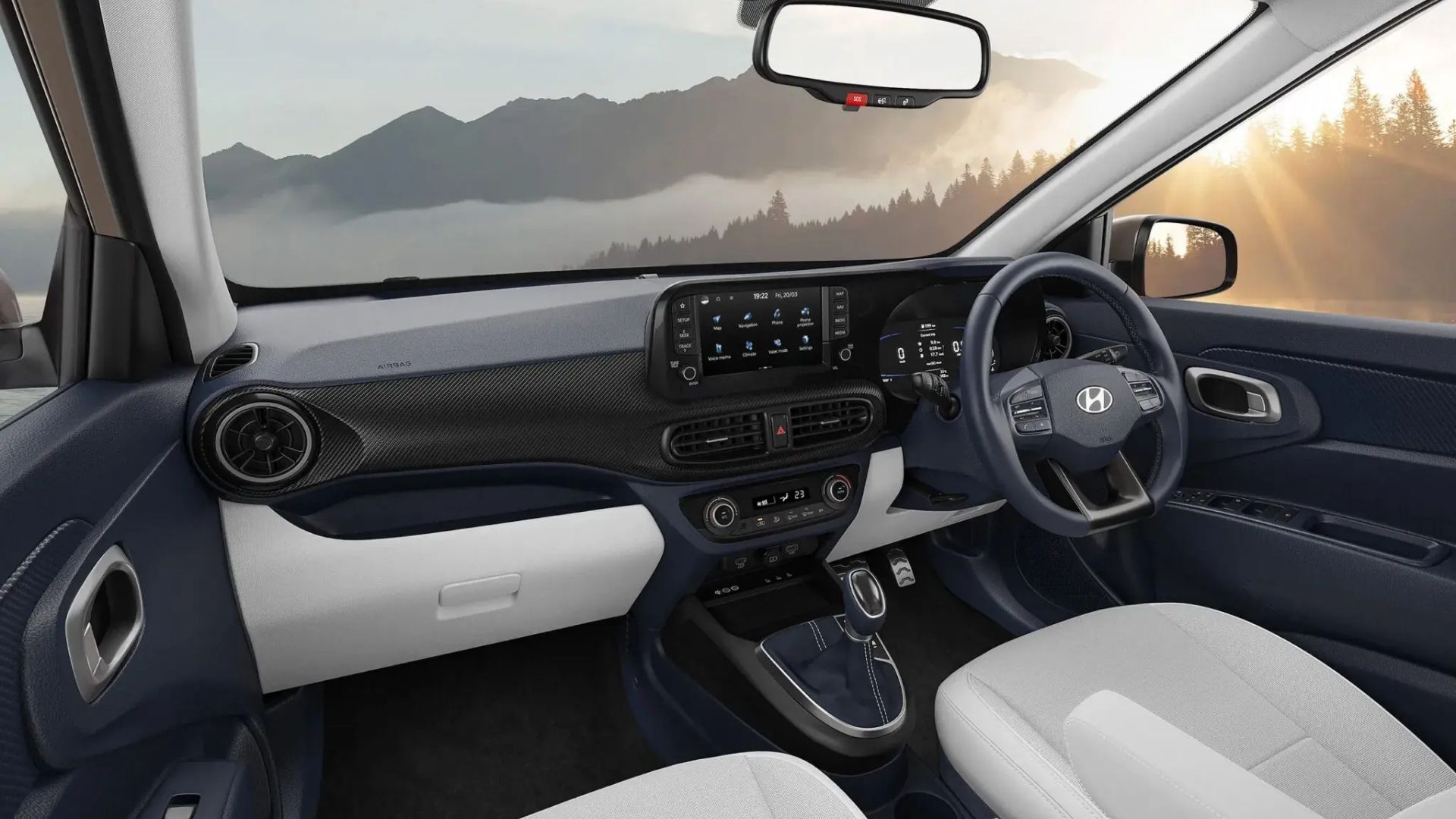
For R$ 32,000, a brand new Hyundai car is a rival to the Kwid with a 1.2 engine producing 82 hp, 6 airbags as standard, multimedia with wireless Android Auto, up to 391 liters in the trunk, and a refreshed look for 2026 in India.
-
He bought a new car in 1983, locked it in the barn in 1988, and no one opened the door for 38 years until the family discovered what was stored inside and realized it looked like something out of a movie.

-
A 250cc motorcycle that can reach 560 km with a 14-liter tank, features disc brakes on both wheels and is among the most well-known in Brazil.

-
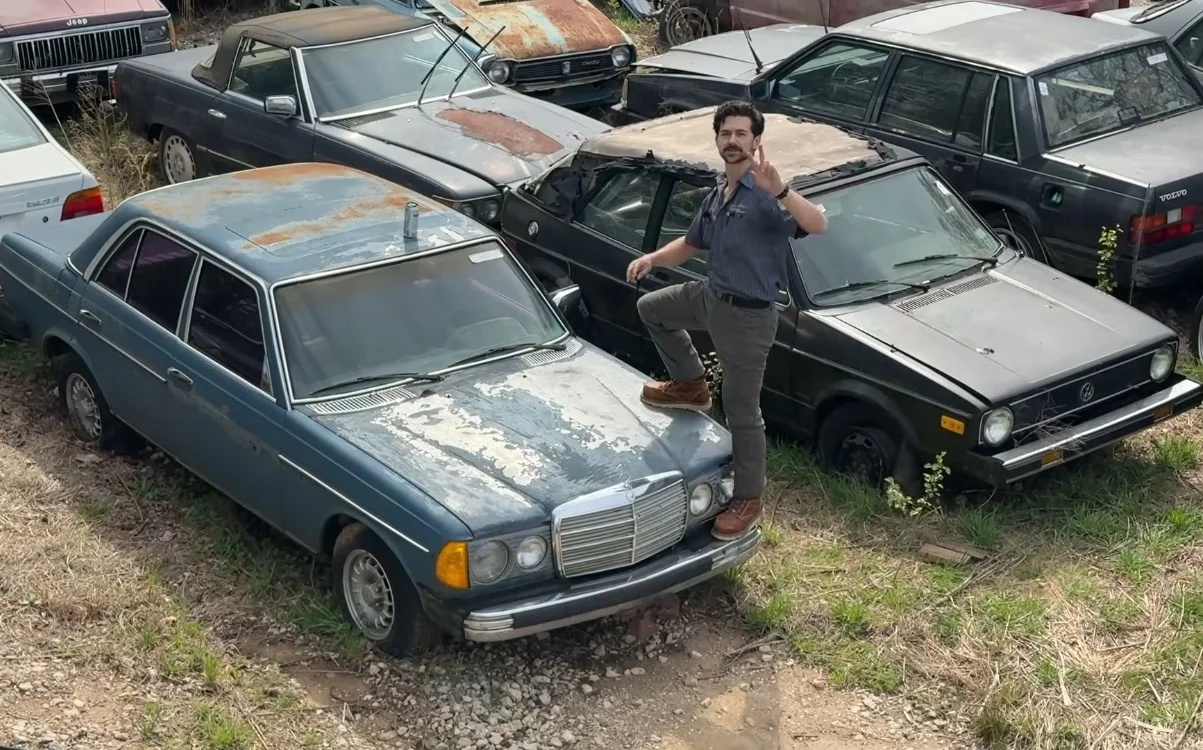
Man finds over 200 rare cars abandoned on a lot and tries to do the impossible in 8 hours with a surprise at the end.

Between 2013 and 2017, Ford sold over 6.3 million vehicles per year, but in 2018, sales fell to just under 6 million, plunged to 4.2 million in 2020, retreated to 3.9 million in 2021, and then stabilized between 4.2 and 4.4 million annual units.
At the same time, the automaker began to earn more per unit sold by focusing the portfolio on trucks, Bronco, Mustang, and high-performance versions.
What The Ford Chief Admitted About Toyota And Hyundai
In the conversation with La Nación, the Ford chief was explicit in explaining why the brand abandoned affordable compacts.
He said that the company tried for years to compete with Toyota and Hyundai in the small and cheap car segment, but industrial costs never reached the same level as the rivals.
Farley classified the period when Ford sought to be a full-line manufacturer as a “spiritual moment” for the company but acknowledged that the strategy was not sustainable.
“It was not a mistake to try, but our costs were not competitive with those of Toyota and Hyundai and, in the end, we had to shift to the Bronco and trucks”, he summed up.
The internal reading today is that the insistence on having a car for every price range made the business almost impossible.
End Of Fiesta And Focus And Goodbye To The Full Line
The practical impact of the Ford chief’s speech appears in the list of discontinued models.
Fiesta and Focus were removed from the main markets, including Europe and Latin America, in moves that added to the end of other vehicles like Escape, Fusion, Taurus, and Edge in North America.
This pruning was not just symbolic. It marked the abandonment of the idea that Ford should replicate the logic of the Model T by offering a “democratic” product for the masses while maintaining a broad range of vehicles across all segments.
According to Farley, the ambition to be a full-line company made the business too heavy because the automaker lacked cost advantage and sufficient scale in all categories in which it operated.
Less Volume, More Profit With Trucks, Mustang, And Bronco
Global sales data show a smaller Ford in volume, but more focused on expensive products.
From over 6.3 million vehicles per year between 2013 and 2017, the automaker dropped to around 4.2 to 4.4 million annual units after 2021, with successive discontinuations of affordable cars.
In compensation, the company began to highlight models like Mustang GTD, Bronco Raptor, and F-150 Raptor R, all designed to deliver performance, sporty image, and higher margins.
Farley and his team argue that it’s better to sell fewer cars, but more expensive and profitable, than to compete cent by cent in the segment where Toyota and Hyundai dominate efficiency.
The very internal comparison cited by the company that the gasoline Mustang almost sold more than the entire line of electric vehicles in a certain period is used as an argument that there is space for niche emotional products.
The Bet On Emotional Products And Automotive Nostalgia
Another central point of the Ford chief’s discourse is the shift in focus to what the company calls “emotional products.”
This list includes the Mustang coupe, the Bronco SUV, and versions of trucks designed for intense off-road use or high performance.
These vehicles tap into nostalgia, adventurous spirit, and a sense of exclusivity, instead of merely fulfilling a function of cheap transportation.
In practice, the automaker channels engineering, marketing, and production investment into these models while reducing exposure to entry-level segments.
Farley’s reading is that the consumer looking for something cheap and rational already finds better answers in Toyota, Hyundai, and Kia.
Ford, in turn, seeks to position itself as a manufacturer of robust trucks, strong-image SUVs, and some sports cars with a historical signature.
Electrics, Restructuring, And Impact In Latin America
The transformation described by the Ford chief is not occurring only in the United States.
Farley stated that the strategy applied in Argentina and Latin America reflects the same logic of reducing the lineup, cutting less profitable models, and restructuring operations to concentrate resources on more expensive trucks and SUVs.
This process is combined with a review of electric vehicle plans, which have also undergone adjustments due to high costs and demand below expectations in some markets.
In the region, this means fewer options for compact and entry-level cars bearing the Ford emblem and more focus on utility vehicles and trucks aimed at mixed urban and rural use.
The company bets that brand loyalty and the historical appeal of models like Ranger, Bronco, and Mustang will compensate for the absence of small cars, even if this reduces the share of total registrations.
What The Ford Chief’s Decision Signals To The Market
The stance of the Ford chief is seen as a clear signal of the consolidation of a broader movement in the sector: traditional automakers leaving low-margin segments and concentrating efforts on high value-added products.
In the case of Ford, the public admission of having lost to Toyota and Hyundai in cheap cars acts almost as a watershed in corporate communication.
For consumers, the consequences are ambiguous.
Those looking for a cheap entry-level car with a Ford emblem have fewer options today, while those seeking a robust SUV, a heavy-duty truck, or an iconic sports car find increasingly sophisticated and expensive versions.
For investors, the message is to focus on profitability, even at the cost of reduced market share in volume.
In light of the Ford chief’s admission that the company has abandoned cheap cars to focus on profitable trucks, Mustang, and Bronco, do you think other traditional automakers should follow the same path, or is it still worth fighting for entry models even with tight margins?










If he can’t compete with Toyota, Hyundai, and Kia he’s also saying he can’t compete with any Chinese brand.