





 Português
  Inglês
  Espanhol
  4 min de leitura
  0 comentários


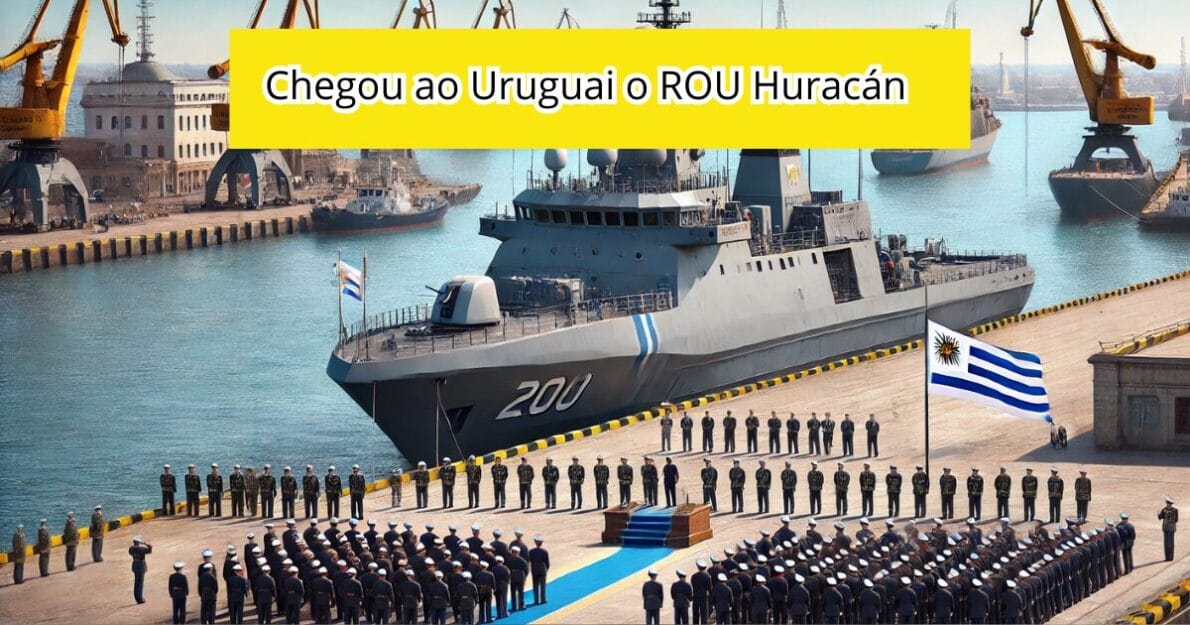
Powerful ROU Huracán, South Korean Patrol Ship, Arrived in Montevideo, Bringing Significant Advances in Uruguay’s Maritime Security. With State-of-the-Art Weapons and a New Era of International Collaboration, the Huracán Promises to Transform National Defense, Ensuring the Protection of the Waters and the Interests of the Country.
This Wednesday morning, Montevideo was the scene of an event that could transform the history of Uruguayan maritime security.
The delivery of the ROU Huracán, a Chamsuri-class patrol ship, marks a new chapter in the relations between Uruguay and South Korea. This extraordinary achievement, which promises to strengthen the country’s defense capabilities, is the result of strategic negotiations that began last year.
The ROU Huracán arrives at a crucial moment when maritime security is becoming increasingly relevant in global geopolitics.
-
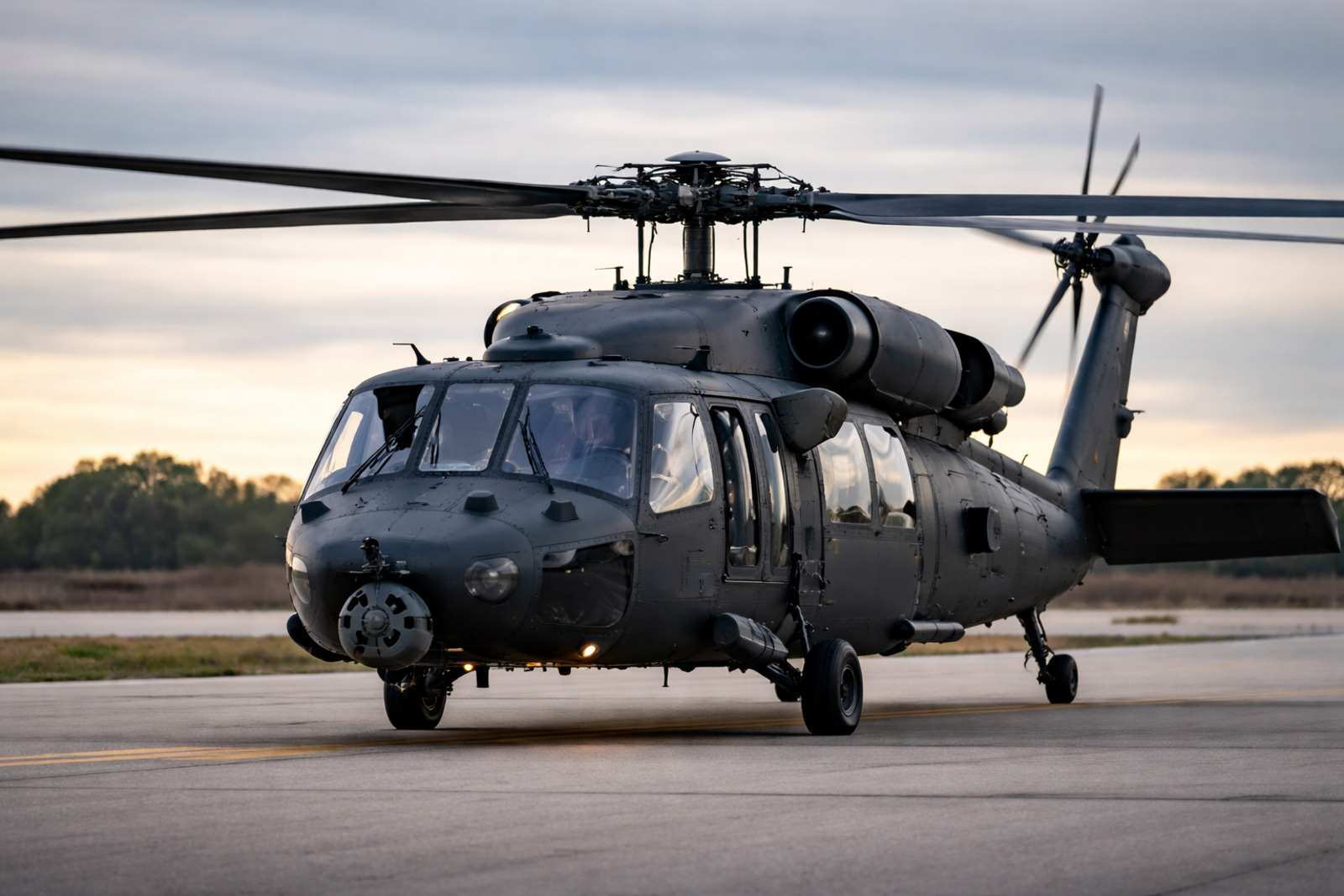
The U.S. Army receives the first Black Hawk helicopter that can fly without pilots, be controlled by a tablet, and even land on its own during high-risk missions.
-
With 11,000 tons and sensors capable of hunting submarines at long distances, the Type 055 has become one of the most feared floating arsenals of the Chinese navy.

-
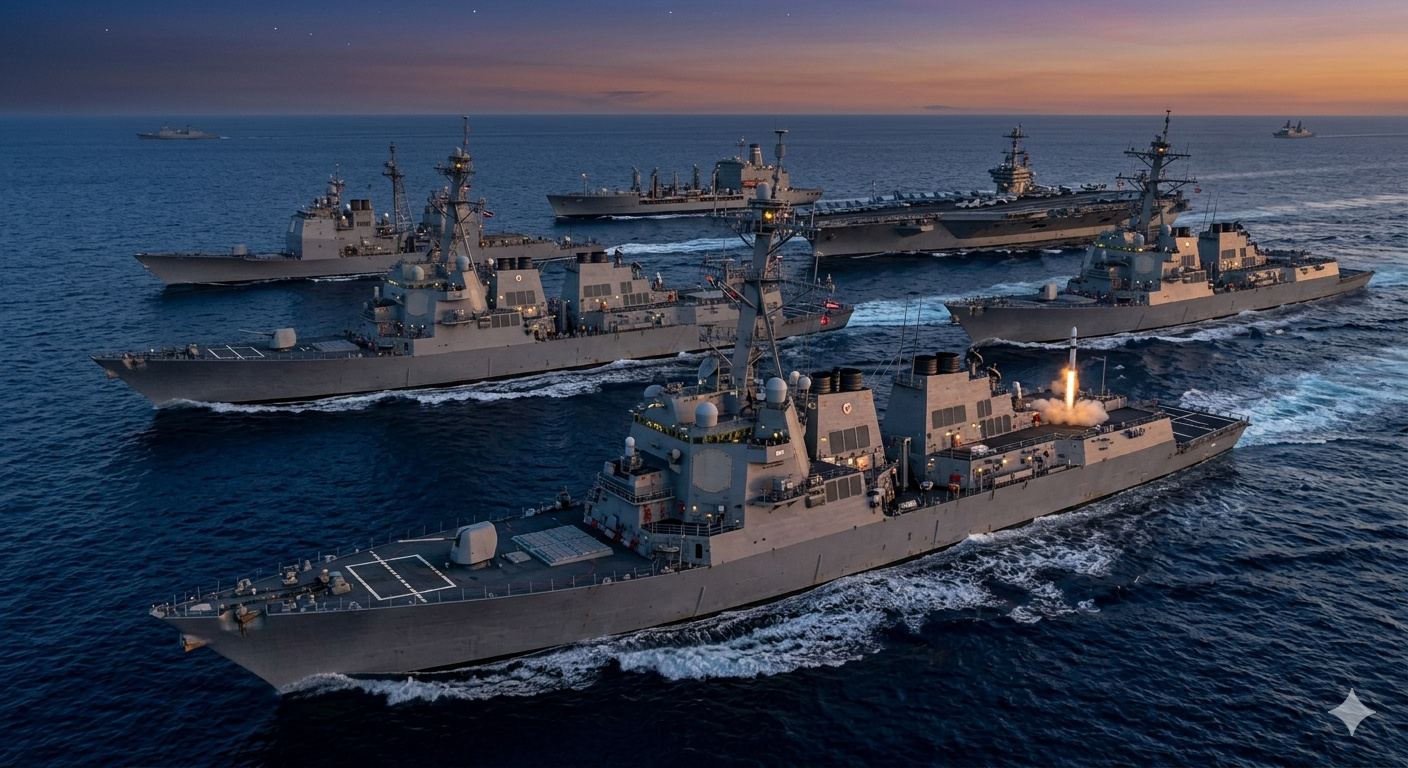
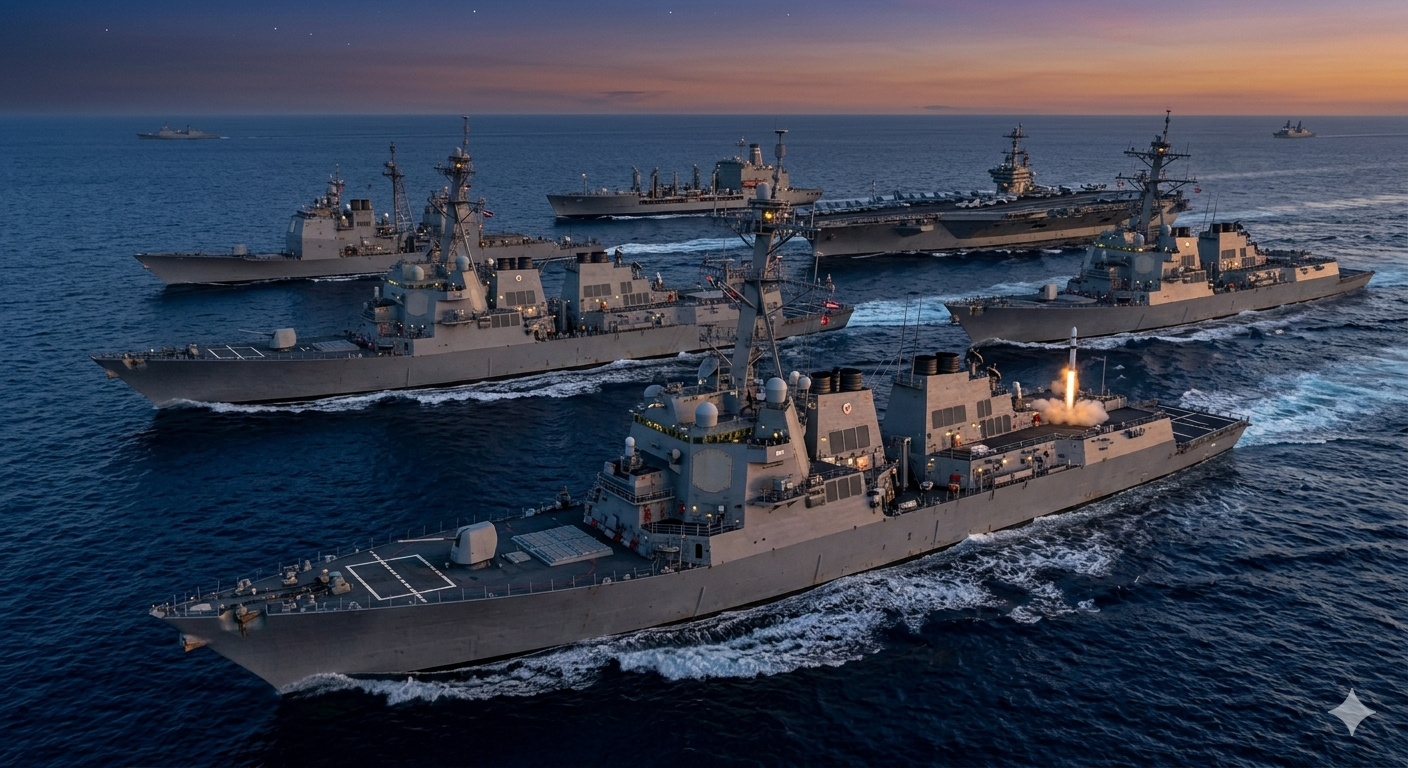
With over 15,000 tons, radars capable of tracking hundreds of targets simultaneously, and more than 120 missiles ready for launch in seconds, modern destroyers cease to be escorts and begin to dominate the naval battlefield.
-
With over 15,000 tons, radars capable of tracking hundreds of targets simultaneously, and more than 120 missiles ready for launch in seconds, modern destroyers cease to be escorts and begin to dominate the naval battlefield.

History of the Delivery
The ROU Huracán, previously known as PKM 318, arrived at the port of the Uruguayan capital after being transported on a cargo ship.
The delivery ceremony was marked by a symbolic raising of the Uruguayan flag aboard, a tradition that represents the new ownership of the ship and its integration into the Uruguayan Navy.
This moment is not just a formality; it symbolizes trust and partnership between Uruguay and South Korea in matters of defense and security.
Important Representatives Were Present
The event was attended by important figures, such as the Uruguayan ambassador to Seoul, Pablo Sheiner, and Rear Admiral José Ruiz Tocci, current Director of Naval Material.
Commander Jorge Cigliutti, the new captain of the ROU Huracán, also participated in the ceremony, which not only celebrates the delivery of the ship but also the collaboration between the two nations.
The presence of these officials highlights the importance of the ROU Huracán not only for the Navy but for the entire national security.
Characteristics of the ROU Huracán
The ROU Huracán patrol ship has a displacement of 170 tons, measuring 33.10 meters in length and 6.92 meters in beam.
Equipped with a 40 mm Bofors cannon as its main armament, the Huracán also features Sea Vulcan machine guns of 20 mm and 12.7 mm, giving it a significantly superior fire capability compared to the current patrol ships of the Uruguayan Navy.
This upgrade in armament is crucial in a scenario where the security of territorial waters is a priority.
With the power of two MTU MD538 TU90 diesel engines, the ship can reach speeds of up to 30 knots. Additionally, it is equipped with two 50 kW diesel generators, ensuring electricity production on board.
This combination of power and efficiency makes the ROU Huracán a valuable addition to the Uruguayan Navy fleet, expanding patrol and response capabilities in emergency situations.
A History of Resistance
The Chamsuri class, of which the ROU Huracán is a part, has a remarkable history. Built between the 1970s and 1980s, these ships were initially designed to defend South Korean territory against North Korean amphibious incursions.
With a total of 101 boats built, the Chamsuri class has stood out in various operations over the decades.
However, currently, only 52 of these boats remain in operation, making the transfer of the ROU Huracán even more significant.
One of the most well-known boats, PKM 357, was sunk in 2002 during the Battle of Yeongpyeong, an event that marked the tension between the two Koreas. The history of the ROU Huracán and its class is not only one of resistance but also of innovation.
The upgrade and modernization of Chamsuri ships are testaments to South Korea’s ongoing commitment to strengthening its naval power and expanding its influence in the region.
International Collaboration
In addition to the ROU Huracán, South Korea has expanded its presence in South America, transferring patrol units to the navies of Peru and Colombia as well.
These actions not only strengthen the defense capabilities of the involved countries but also reinforce the partnership between South Korea and Latin American nations.
International collaboration in security matters is vital in an increasingly interconnected world, and the arrival of the ROU Huracán reflects that.
The Future of Uruguayan Security
The arrival of the ROU Huracán represents a new era for maritime security in Uruguay. With advanced armaments and a robust structure, the ship can play a crucial role in protecting the country’s territorial waters.
Uruguay, as a coastal nation, has the responsibility to ensure the security of its extensive coastline and marine resources. The ROU Huracán can significantly contribute in this regard.
Furthermore, integrating the ROU Huracán into the Uruguayan Navy represents an opportunity for knowledge and experience exchange between the countries. This collaboration could result in joint training and coordinated operations, increasing the effectiveness of naval forces in crisis situations.
What Is the Next Step for Uruguay?
Now, the question remains: how will the ROU Huracán impact the security and operations of the Uruguayan Navy in the coming years? The expectation is that the ship will not only enhance patrol capacity and threat response but also serve as a symbol of modernization and Uruguay’s commitment to protecting its maritime interests.
The ROU Huracán has arrived to stay, and its presence on the Uruguayan coast promises to be a turning point in the history of national defense.







-

Uma pessoa reagiu a isso.