





 Portuguese
  English
  Spanish
  5 min of reading
  0 comments


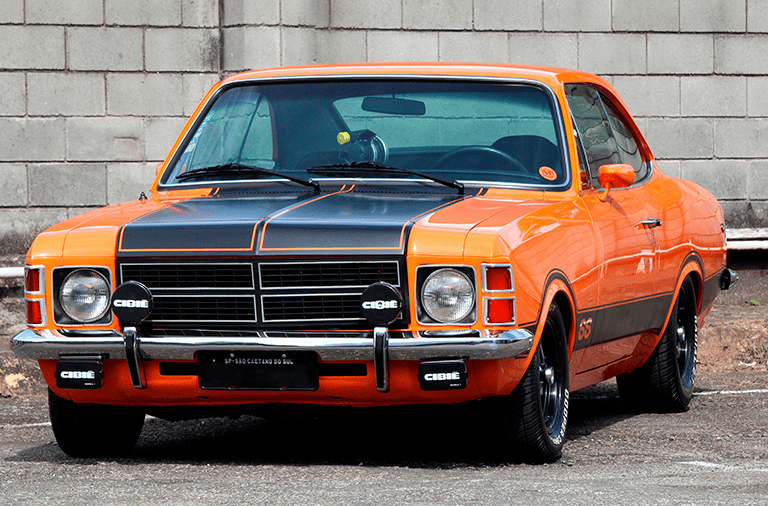
With the Opala, the Brazilian automotive industry reached a milestone of innovation and style, accompanying generations with its adaptable design, which enchanted everyone from families to executives, becoming one of the largest automotive passions in Brazil.
On November 19, 1968, a milestone in the Brazilian automotive industry was established in São Caetano do Sul, in the state of São Paulo.
It was the beginning of the production of one of the most iconic cars in the country: the Chevrolet Opala.
After two years of testing, the first units of the model began to be assembled by General Motors, inaugurating the production of automobiles at the company, which had previously dedicated itself exclusively to the manufacture of pickup trucks.
-
Son of a seamstress from the rural area of Ceará who did not speak English wins a scholarship of over 2 million reais at Williams College, one of the top 10 universities in the United States, covering everything including dormitory, meals, and annual trips to Brazil.

-
Bill Gates revealed that the true secret behind every great achievement is not a brilliant leap but rather small improvements repeated over the years, and the data from his own career and the fight against climate change prove that he is right.

-
With 22 thousand tons of steel, a height nearly three times greater than the Eiffel Tower, and a cost of R$ 1.6 billion, China is building the highest bridge on the planet over a colossal canyon, reducing a crossing time of over 2 hours to just over 2 minutes.

-
With more than 635,000 doctors, Brazil sees competition increasing in large cities, and recent graduates are competing for shifts at an accelerated pace while the countryside still faces shortages.

The Opala, with its versatility and innovations, won over Brazil and left an indelible mark on the history of national motorsport.
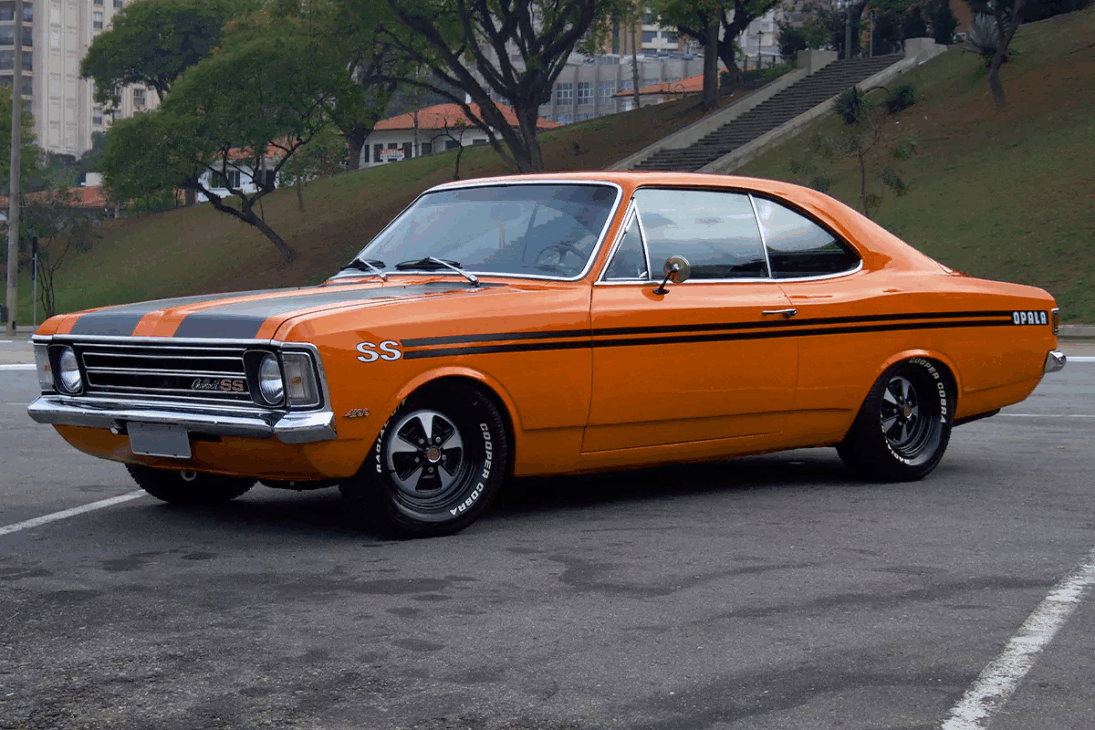
During its 23 years of production, the Chevrolet Opala became an icon, pleasing different audiences and meeting a variety of needs.
Originally designed as a family sedan, the Opala evolved into a desired sports coupe, a station wagon that met the demands of Brazilian families, and even became a status symbol for the more fortunate.
Nothing compares to how the Opala adapted to the times and was appreciated by generations.
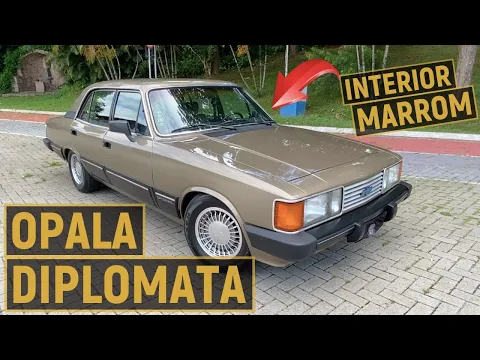
To remember the importance of this model, we bring to light two versions of the Opala that marked an era: the Opala SS from 1978 and the Opala Diplomata from 1992.
Although these models represent different phases of the car, both are still admired by enthusiasts and collectors.
Opala SS 1978: The Charm of the 1970s
The 1970s were marked by great cultural and social transformations.
In Brazil, the music of the Bee Gees echoed on AM radios, while the Chevrolet Opala SS 1978 paraded through the streets, admired for its bold design and impressive performance.
This model, with its elegant beige tone and black stripes, was designed to be the dream car of many Brazilians at the time.
The Opala SS 1978 boasted features that set it apart as a true sports car.
Its 4.1-liter inline six-engine, known to fans as “six cans,” offered a power of 141 hp and torque of 29 kgfm, providing a vibrant and engaging drive.
The car also stood out for its four-speed manual transmission and a rigid suspension, features that were common in sports vehicles of that time.
Driving the Opala SS was a unique experience. The deep sound of the engine and the sensation of being behind the wheel of a high-performance classic enchanted any enthusiast.
The handling experience, with a long-throw shifter and demanding clutch pedal, was challenging but rewarding.
If you got used to the driving style, the reward came in the form of pure excitement behind the wheel.
The Opala SS 1978, with its combination of elegance and power, became a status symbol for many drivers in the 70s.
And, in an impeccable state of preservation like that of Sylvio Luiz, president of the Opala Club of São Paulo, this car becomes even more valuable and desirable for collectors.

Opala Diplomata 1992: The Sophistication of the End of an Era
The Opala Diplomata 1992 represents the last version of the Opala to be produced, marking the end of an era.
After more than a million units manufactured, Chevrolet brought to this model the most modern features of the time, including power windows, power mirrors, air conditioning, and even a cassette player.
This model was aimed at a more sophisticated audience, including executives and business owners who saw in the Diplomata a car that exuded status.
However, the Opala Diplomata was not limited to being just a status symbol; it also offered a unique driving experience.
Equipped with the same 4.1 inline six-engine, the Diplomata had 141 hp and torque of 32 kgfm, providing a smooth and comfortable yet exciting drive.
The Diplomata’s suspension was softer and of greater travel compared to the SS.
This made the car easier to drive on uneven streets, although care was needed with the large front and rear swings of the vehicle when going over bumps.
The transmission, now with five speeds, offered a more modern drive but still required skill, especially when handling the gear shifter.
The Opala Diplomata 1992, with its combination of luxury and performance, was the last gasp of a golden era for the model.
It became one of the most desired cars in Brazil during the 1980s and 1990s, especially among those who saw the car not just as a means of transport but as a symbol of success.

The Legacy of the Opala: More Than a Car, An Icon
The Chevrolet Opala was not just a car; it was a true icon of the Brazilian automotive industry.
With its innovative design, advanced technology for its time, and versatility, the Opala captured the hearts of millions of Brazilians and entered history as one of the most desired cars in the country.
Over the years, the Opala underwent several transformations, but always maintained its character and charm.
Be it as a family sedan, a sports coupe, or a luxury car, the Opala was a car for all tastes and all needs.
Chevrolet hit the mark by creating a car that adapted to market changes and consumer desires, creating a true classic that remains alive in the memory of Brazilians to this day.
But the Opala is not just a relic of the past; it is also a symbol of nostalgia for those who grew up alongside this car.
Those who had the chance to drive an Opala, whether an SS or Diplomata, know that it’s a unique experience that transcends the simple act of driving.
What Remains Today? The Memory of a Classic
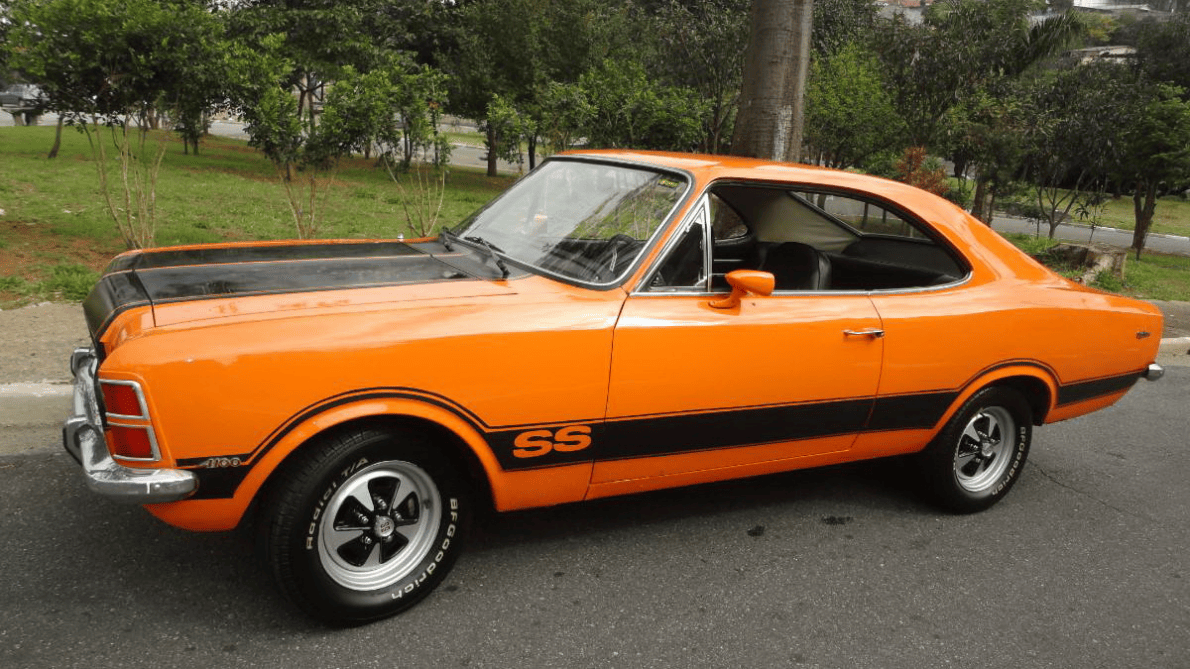
Today, the Chevrolet Opala is a rare car, especially in the older versions, like the SS 1978.
Those who still own an Opala keep this vehicle as a treasure, and the vintage car market has further increased the value of these models, which are true specimens of Brazil’s automotive history.
And you, have you ever had the chance to drive an Opala? Or perhaps, do you know someone who has one of these cars in their garage? Leave your answer in the comments!






-

-

2 pessoas reagiram a isso.