





 Portuguese
  English
  Spanish
  10 min of reading
  8 comments


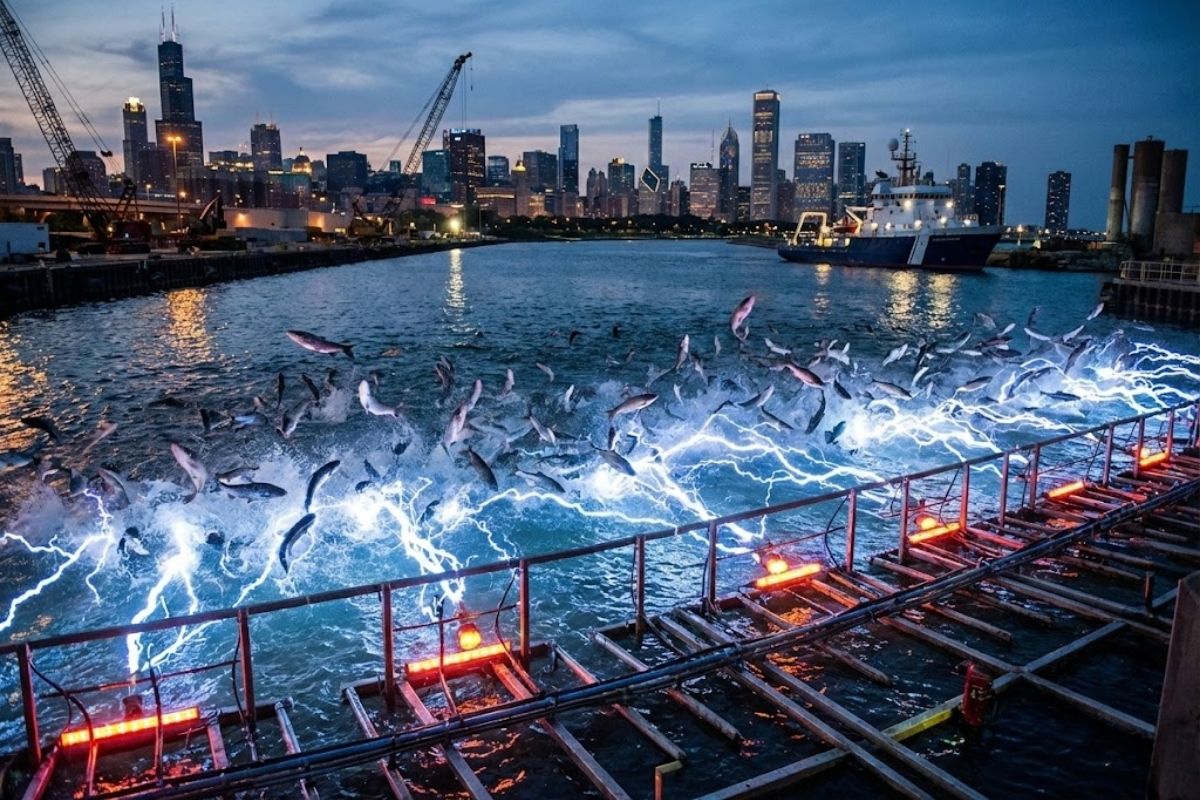


On December 3, 2009, Chicago Isolated The Chicago Sanitary and Ship Canal And Triggered Electrical Barriers And Chemicals To Deter The Asian Carp Heading To The Great Lakes. The Action Killed Tons Of Fish In 9 Km, Cost $3 Million, Became A No-Rescue Zone And Opened A War.
The Asian carp pushed Chicago into a scenario that seems unlikely even by American standards: the city isolated the Chicago Sanitary and Ship Canal as a federal operation and decided to electrify the water to prevent an invasive species from reaching the Great Lakes.
The episode began on December 3, 2009, gained reinforcements months later and ultimately became a symbol of a larger conflict involving engineering, billions in economic risks, diplomatic pressure from Canada, and a dispute over how far the United States is willing to go to contain invasive species.
The Day Chicago Treated The Canal As A Federal Crime Scene
On the morning of December 3, 2009, residents of Chicago saw the Chicago Sanitary and Ship Canal being isolated with checkpoints, barriers, and armed police presence along the banks.
-
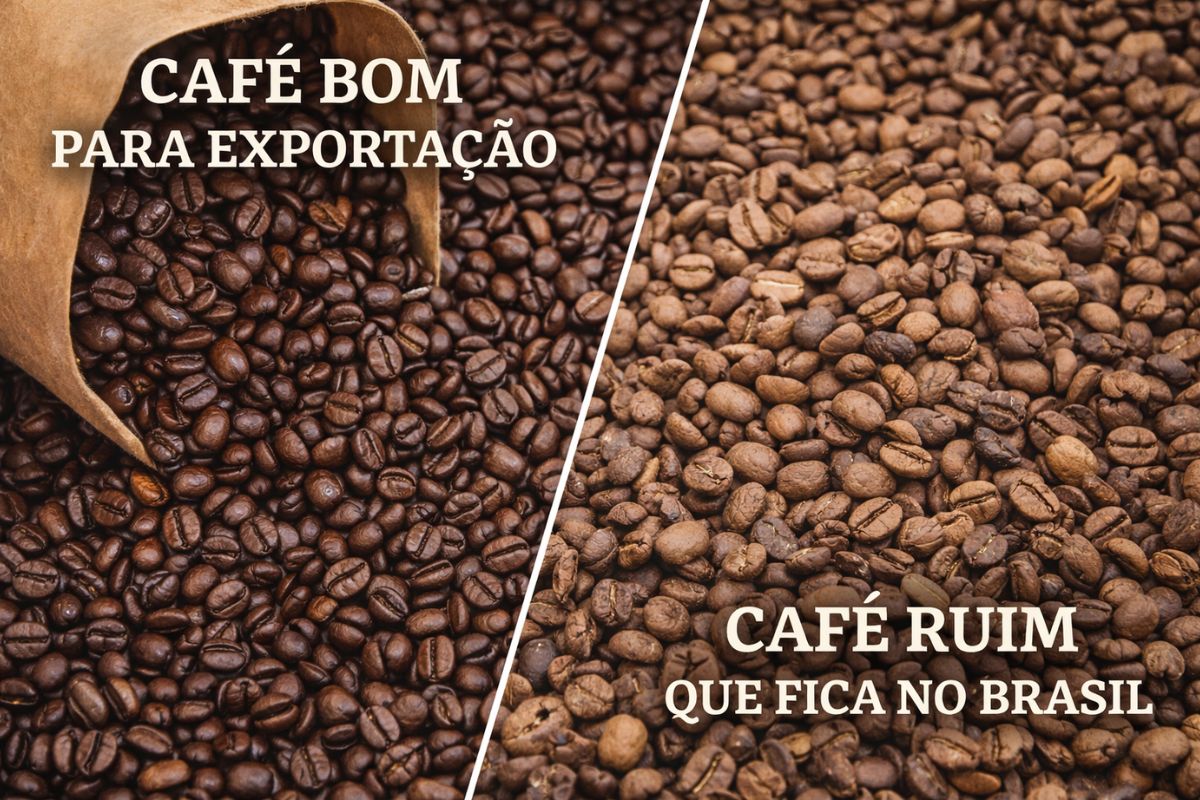
You grew up hearing that the good coffee from Brazil goes all abroad and the bad coffee stays for Brazilians, but this story has completely changed, and the numbers show that in the 1980s, thirty percent of the coffee sold here was adulterated with corn and barley.
-
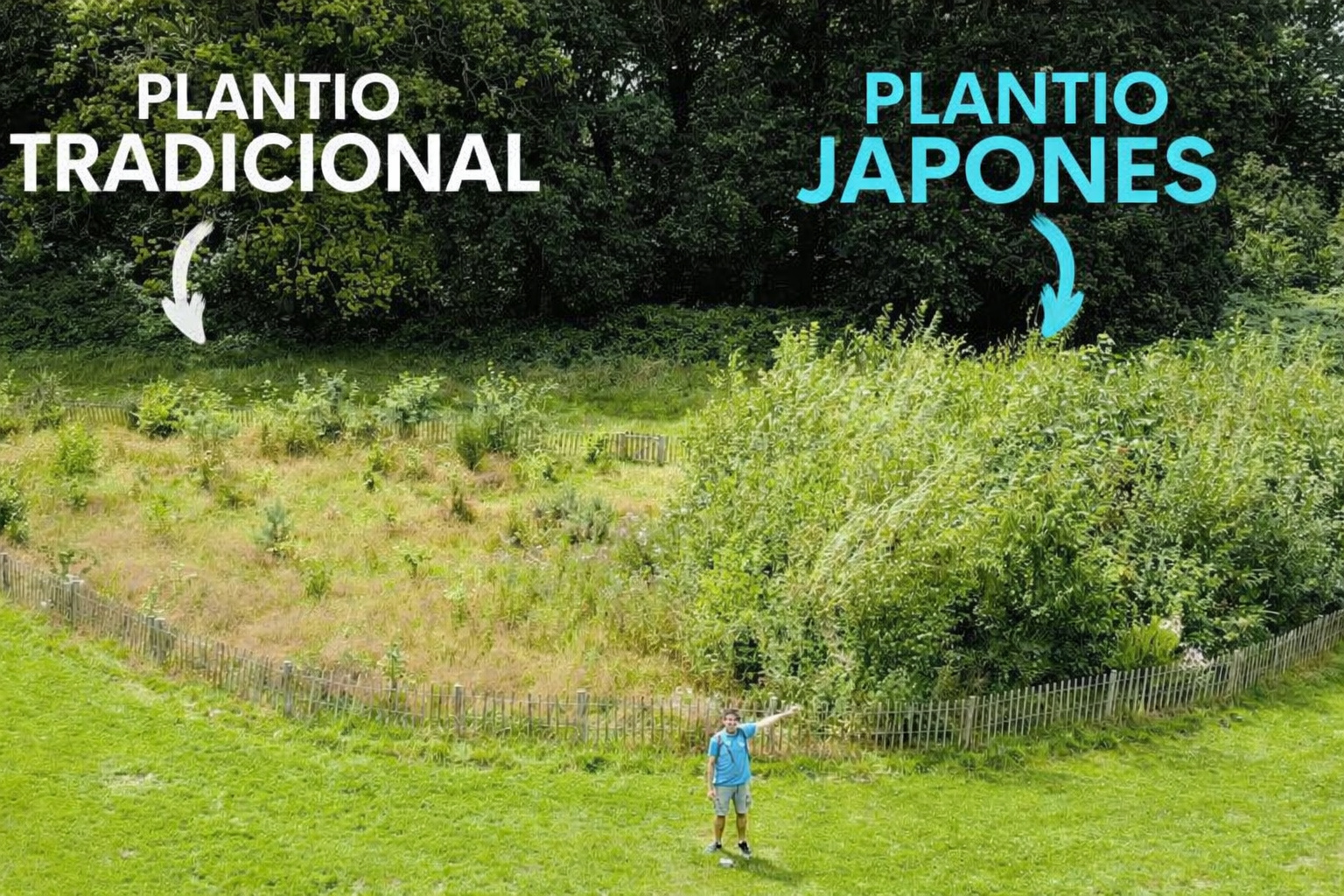
Engineer creates reforestation method that transforms small plots into dense forests in a few years using local biomass and can reduce environmental recovery costs.
-
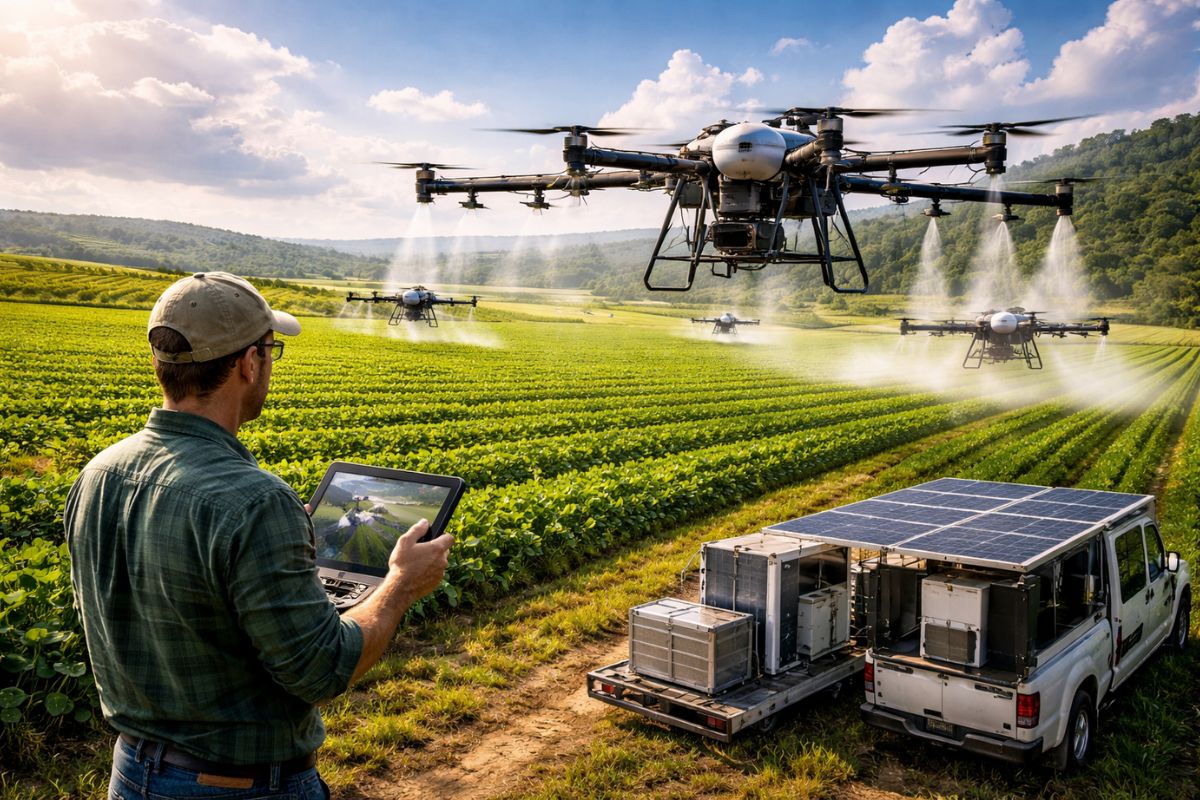
Alone, the producer applies 7,400 hectares with the T100 drone in an optimized structure, replaces the generator with a silent battery, and demonstrates how technology reduces costs, increases productivity, and even challenges the uniport in the field.
-
China banned the export of 22 tons of meat from Argentina.

The Corps of Engineers installed specialized vehicles, cables, and military-grade electronic equipment, while journalists crowded behind the isolation areas.
The justification presented by the authorities was straightforward: the canal needed to be neutralized to win the war against the fish. The intervention combined chemicals and electric currents to disrupt the advance of invasive organisms along the route connecting the Mississippi River to the Great Lakes system.
The Cost, The Impact, And The Stretch That Lacked Life For 9 Km
Shortly after the operation began, there was a widespread fish die-off, leading teams to collect the animals with nets throughout the day.
In the end, the intervention resulted in about 25 tons of dead fish and no form of life remained in a stretch of approximately 9 km of the canal.
The estimated cost of that action reached $3 million in public funds, and the extreme nature of the measure became even more evident when the intervention needed to be repeated.
Six months after the first operation, a new action was carried out, collecting about 453 tons of fish, including approximately 40 different species.
The message was clear: the government was willing to sacrifice the canal to protect the Great Lakes.
Why This Canal Exists And How It Became An “Invasion Highway”
To understand why Chicago accepted such an aggressive measure, it is necessary to go back to the early twentieth century. In 1900, the city accomplished an unprecedented engineering feat: it reversed the natural flow of the Chicago River, forcing its waters to flow from Lake Michigan toward the Mississippi River.
The motivation was sanitary and urgent. By the end of the nineteenth century, Chicago was dumping sewage into a small river that emptied into the lake providing drinking water for millions. A report from 1891 recorded about 2,000 deaths from typhoid fever per year. The solution was to construct a gigantic canal to divert the sewage away from the lake.
Decades later, the same canal that helped save the city began to function as a perfect route for exotic species, connecting water systems and facilitating invasion.
The “Electric Wall” And The Area Where No Rescue Exists
The stretch equipped with the electric barrier became a singular case within the United States: it is the only place described where, if someone falls into the water, no one is authorized to perform a rescue. Steel grids and warning signs highlight the risk of high voltage and classify the location as no-rescue zone.
The logic behind this is operational: teams, including the Coast Guard, are required to keep their distance because the electrical risk makes human intervention unsafe. A technical point mentioned is the pulsing operation, with 2.3 V repeated every 2.5 milliseconds, distributed along the electrified zone. Documents attributed to the Corps of Engineers state that there is no safe rescue method within the electrical barrier zone.
The Threat Behind The Decision: The Asian Carp And Its Four Species
The creature that led the United States to electrify a canal has a name and history: Asian carp. The material describes four species, each associated with a type of ecological and operational risk.
The first is the Silver Carp, known for jumping when startled. In the United States, these jumps are reported as targeting people and can reach up to 3 meters high, with collisions reported at speeds close to 70 km/h.
Illinois hospitals have recorded cases of injuries associated with this behavior, and there is concern that, in the Great Lakes where there are around 4 million recreational boats, the presence of the species could turn navigation into a constant problem.
The second is the Bighead Carp, described as the largest of the four, capable of reaching 1.5 meters in length, with a world record of 55, compared to the weight of an adult woman.
Size, in this case, means a huge demand for food, and ecologist Dwayne Chapman from USGS warned that it only takes a few breeding seasons for them to completely eliminate the ecosystem’s base.
The third is the Grass Carp, described as smaller, but even more voracious, capable of consuming up to 100% of its own body weight per day.
The fourth is the Black Carp, noted as the most feared, with hard teeth capable of destroying large quantities of mollusks and snails each day, with an adult consuming 15 snails daily. Biologists estimate that if this species reaches the Great Lakes, more than 30 native species of mollusks could become extinct.
Why The Great Lakes Became The Red Line For The US And Canada
The Great Lakes are not just a collection of lakes between the United States and Canada. They contain about 21% of the surface fresh water on the planet and sustain a critical system for 30 to 40 million people, providing water supply, irrigation, industrial production, and domestic use.
Furthermore, the lakes support a fishing and tourism industry valued at approximately $7 billion per year, and host more than 10,000 species.
In a system of this size, an invasive species is not a local problem: it is a structural threat. Therefore, any risk related to Asian carp ceases to be an internal American issue and takes on a bilateral dimension.
How The Asian Carp Arrived And Why The Invasion Has Lasted More Than 40 Years
The origin of the problem is attributed to decisions made decades ago. In the 1970s, fish farms in the southern United States imported Asian carp to control aquatic plants and reduce farming costs.
They fulfilled the role of “cleaning the tanks,” but heavy rains and poorly designed containment systems allowed them to escape and reach the Mississippi River.
From there, the invasion gained scale. The Asian carp began to swim thousands of kilometers upstream, following a route that connects the Mississippi River to the Great Lakes via the Chicago Sanitary and Ship Canal.
More than $100 million has already been spent to prevent carp from advancing north. The canal that was born as a sanitary solution has become the main geographical vulnerability of the system.
Three Electric Barriers, Continuous Operation, And The Failure That Changed The Tone In 2017
Chicago’s central defense is described as an “electric wall” made up of three electric barriers, installed in the years 2002, 2009, and 2011, operating continuously 24 hours a day, 7 days a week.
The system was not designed to eliminate large fish, but to cause disorientation and force them to return, making the fish retreat.
Still, in 2017, researchers detected an adult Asian carp near Lake Calumet, after the electric barrier.
The hypothesis raised is that the fish may have “hitched a ride” behind a metal barge: when the vessel passes through the electrified zone, its hull would absorb some of the intensity of the electric field, creating a small area of water with less exposure just behind it.
The reaction was immediate. The federal task force captured the fish, conducted exams, analyzed stomach contents, tissues, and tested DNA. The detection of a single individual was enough to raise political and diplomatic risk, because the system relies on zero failure.
Canadian Pressure, Legal Threat, And The Dilemma Of Whether Or Not To Close The Canal
As the Great Lakes form a natural border between two countries, Canada began to see American actions as a shared risk. The Ontario government and authorities linked to the lakes sent official warnings, demanding that the United States close the canal identified as the entry route for the carp.
In a hearing held in 2010, Canadian representatives declared that if the United States failed to control the canal, Canada would consider taking legal action internationally.
The warning included the risk of an ecological catastrophe valued at tens of billions of dollars, threatening the fishing industry and directly impacting the livelihood of more than 75,000 workers linked to fishing and aquaculture.
The impasse is economic and logistical. Closing the canal is not simple: it moves about 600 million tons of cargo per year, supplying the American Midwest with wheat, steel, coal, and energy raw materials. Between protecting fresh water and keeping the waterway operational, Washington found itself caught in a difficult choice.
The Billion-Dollar Project At Brandon Road And The Idea Of “Convincing” The Fish To Give Up
After successive disputes and solutions considered insufficient, a mega project of $1.2 billion emerged at Brandon Road Lock and Dam, a vital point of the waterway connecting the Mississippi to the Great Lakes.
The described concept is less about extermination and more about deterrence. A chief engineer summarized the objective: “We need to make the fish feel that ahead there is a place where it does not want to continue living.”
The plan provides for multiple layers. The first is a CO2 bubble wall, a gas curtain about 800 meters long, pumped continuously from the bottom of the canal, leaving large fish stunned, disoriented, and forcing them to retreat.
Data from SGS indicates that high concentrations of CO2 cause Asian carp to give up more quickly than many native species, turning the curtain into a “psychological gate.”
The second layer is a sound barrier of high frequency, with underwater speakers. A study from the University of Minnesota published in 2018 indicated that these frequencies can repel up to 95% of Asian carp.
Next comes the “concrete corridor,” described as a lightless tunnel, without food, shelter, and with strong currents, designed to reduce the incentive for progression.
Finally, the ultimate challenge is a much more powerful electric barrier than the system used in Chicago. The message is clear: the war against Asian carp has become layered engineering.
The Global War Against Invasive Species And The Solutions That Divide The World
The material also expands the map of the conflict. In Australia, where carp represent 80% to 90% of the biomass of freshwater fish in many rivers, the government considered a controversial measure: the fish herpes virus.
In 2016, it was announced spending of 15 million Australian dollars to release the CHV3 virus into the Murray Darling river system, covering more than 2,500 km.
The virus is described as posing no risk to humans and native species but capable of eliminating almost 100% of carp. The project was postponed due to fears regarding the impact of simultaneous mass mortality.
In Europe, the response follows a different path: genetic traps. Laboratories in the UK and the Netherlands are testing the technique known as Gene Drive, which aims to make carp produce only males or become incapable of reproducing, leading the population to collapse in a few generations.
Environmentalists warn of the risk of irreversibility, as once released into nature, there would be no way to recover the mechanism, and it could cross borders.
The Strategy Of “Eating The Problem” And Rebranding It To Copi
In the United States, an alternative considered was to transform Asian carp into a consumer product.
The material states that carp are not toxic and, in many cases, can be cleaner than other species, as they feed on plankton.
The obstacle would be cultural and marketing, as for many Americans, carp is synonymous with “dirty” fish.
In 2020, the Great Lakes Agency and the Corps of Engineers proposed a rebranding, calling Asian carp Copi, a short and modern name, with culinary events and inclusion in experimental restaurants in Chicago, St. Louis, and Cleveland. Chef Brian Jupiter was quoted praising Copi meat as white, firm, and sweet.
The next challenge was technical: Silver Carp and Bighead Carp have many fine bones, making traditional filleting difficult. Therefore, factories began testing grinding, bone separation, and pressing, turning the fish into burgers, cakes, sausages, or crab-like surimi.
Some southern U.S. states included Copi in school lunch programs. The thesis is simple: if Asian carp cannot be quickly eliminated, they can at least be reduced through demand.
What This Story Reveals About The Cost Of Correcting Old Decisions
The thread that runs through this entire story is the same: Asian carp are not presented as enemies created by nature, but as a direct consequence of human decisions made decades ago that paved the way for a lasting ecological invasion.
Chicago entered the phase of electrification, chemical control, 24/7 barriers, and no-rescue zones because the perceived risk in the Great Lakes involves fresh water, economy, and biodiversity on a continental scale.
At the same time, Canadian pressure, logistical limitations of the canal, and the search for alternatives such as CO2, sound, billion-dollar projects, and even rebranding show that the war against Asian carp has become a test of limits for public policies.
Do you believe that the best solution against Asian carp is to reinforce barriers and technology, invest in projects like Brandon Road, or turn the fish into a consumption item to reduce the invasion?






Cement it up.
Cement it up
Tem que usar todos os métodos simultaneamente. E usar esse aprendizado para parar de trazer espécies de um país pro outro, olha o tamanho do prejuízo.