





 Portuguese
  English
  Spanish
  6 min of reading
  0 comments


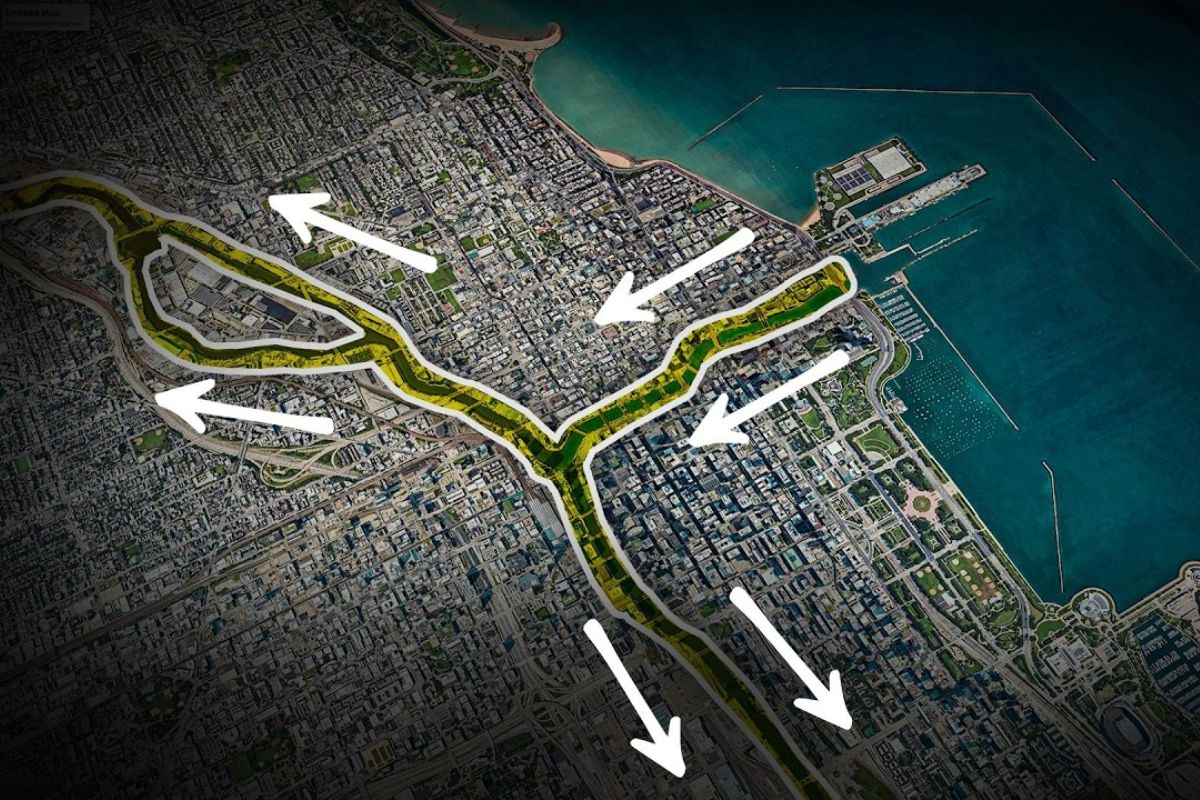
The Reversal Of The Chicago River Was Not Urban Fancy, But An Extreme Response To Epidemics, Thousands Of Deaths, And The Risk Of Seeing Lake Michigan Continue Contaminated By Sewage, In A Project That Redesigned The Regional Hydrology, Saved The City In The Short Term And Transferred The Problem Downstream.
Chicago Grew Too Fast For Its Own Water System To Support. The Chicago River Naturally Flowed Into Lake Michigan, Exactly The Source That Supplied The City, And This Meant A Lethal Combination Of Urban Expansion, Industrial Waste, Human Waste, And Daily Consumption Of The Same Contaminated Water.
What Seemed Just A Sanitary Problem Became An Existential Threat When Cholera And Typhoid Fever Outbreaks Started To Recur Frequently. The City Realized Too Late That It Was Drinking Its Own Sewage, And The Response Chosen Was As Radical As The Size Of The Crisis: To Force The Chicago River To Flow In The Opposite Direction.
When Chicago Realized It Was Poisoning Itself
In The 19th Century, Chicago Went From A Small Trading Post To A Metropolis With Over 1 Million People In Just 50 Years. This Explosive Growth Pressured Everything At Once: Housing, Factories, Slaughterhouses, Drainage, And Supply. The Problem Was That The Chicago River Carried The City’s Waste Directly Into Lake Michigan, Which Also Provided The Water Consumed By The Population. The River’s Natural Logic Turned Supply Into A Trap.
-
A couple buys an old chalet, breaks the kitchen floor for renovation, and finds over a thousand coins of gold and silver hidden since the English Civil War over 4 centuries ago.

-
Rigid bags with their days numbered: new trend prioritizes comfort in 2026.

-
YouTuber creates an excavator equipped with a giant 4.5-meter sword to challenge his brother to a rematch, and the invention quickly goes viral on social media.
-
The U.S. Army surprises the world by presenting the UH-60MX Black Hawk helicopter capable of flying without pilots, controlled by a tablet, featuring the MATRIX system, smart sensors, and full autonomy in real combat and rescue missions.


The Geography Aggravated The Situation. The Flat Landscape Made Drainage Difficult And Allowed The Accumulation Of Dirt To Become Even More Dangerous. Instead Of Pushing Contamination Away, The System Pushed Sewage In The Same Direction As Drinking Water. In Chicago, It Was Not Just A Polluted River, But A Continuous Circulation Between Disposal And Consumption.
The Breaking Point Came In 1885, When A Devastating Storm Dumped A Huge Amount Of Sewage Into Lake Michigan. The Contamination Became Visible In The Water, And In The Following Weeks, Thousands Of People Died. The Crisis Moved From A Technical Debate To An Urban Survival Emergency.
There Was Also An Economic Calculation Behind The Decision. If Chicago Were Seen As A Sick City, It Would Lose Commercial Strength, Prestige, And The Ability To Attract Investment. The Sanitary Issue, Therefore, Did Not Only Threaten Lives. It Threatened The City’s Own Strategic Position In The Midwest United States.
The Plan That Decided To Turn The Chicago River
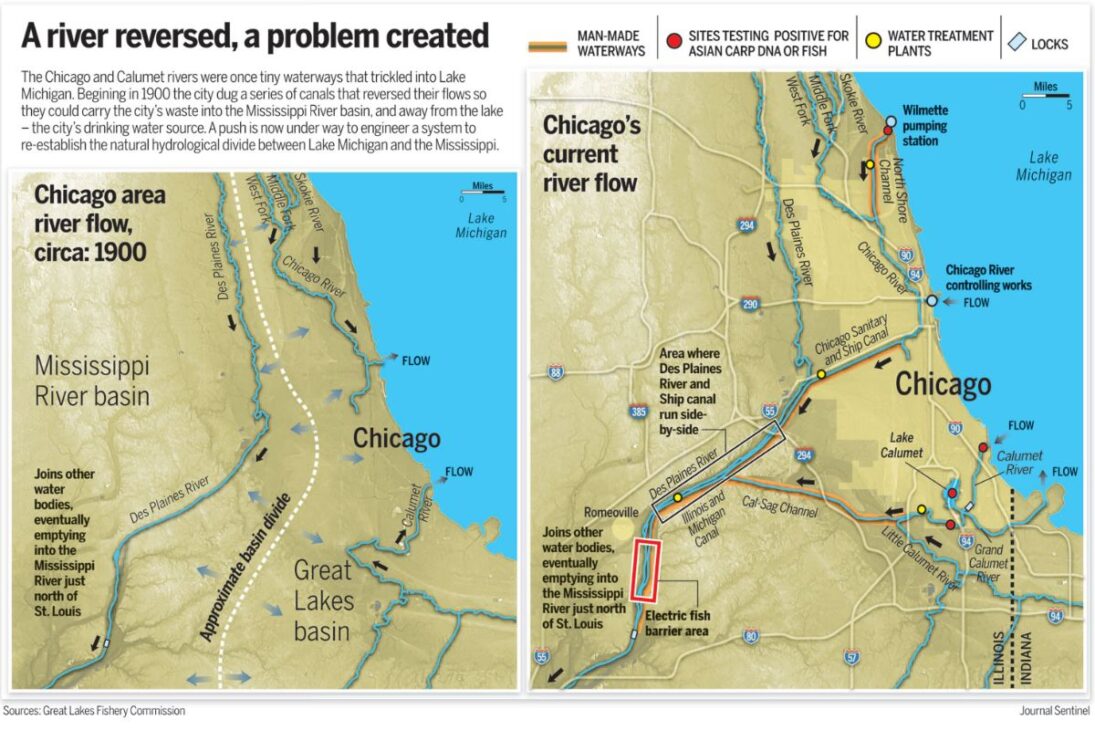
Instead Of Only Betting On Better Pipes Or Gradual Solutions, Chicago Chose A Much More Aggressive Exit. The Plan Was To Make The Chicago River Stop Flowing Into Lake Michigan And Force It To Flow West, Towards The Des Plaines And Illinois Rivers, Connected Later To The Mississippi. The City Did Not Just Want To Clean The Water; It Wanted To Invert The Entire Logic Of The System.
For This, The Chicago Sanitary And Ship Canal Was Dug, A 45 Kilometer Long Canal With About 7 Meters Depth. The Work Was Done Basically With Heavy Labor, Steam Machines, And Dynamite, At A Time Without GPS, Without Computational Modeling, And Without Modern Precision Equipment. Thousands Of Immigrant Workers, From Places Like Ireland, Poland, Italy, And Germany, Participated In The Construction.
The Difficulty Was Not Only In Digging. The Terrain Had Very Little Natural Incline, And Engineering Needed To Artificially Create The Necessary Difference To Pull Water In The Opposite Direction. Chicago Did Not Create A Dam On The Chicago River Or Make A Simple Detour; It Altered The Functional Incline Of The Landscape.
When The Canal Went Into Operation In 1900, The Result Was Historic. The Chicago River Began To Flow In The Opposite Direction Of What It Originally Did, Diverting Sewage From Lake Michigan. In Practice, Chicago Changed The Hydrological Map Of The Region And Consolidated Its Position As A Transportation Hub Between The Great Lakes And The Mississippi System.
The Canal Saved Chicago, But Exported The Problem
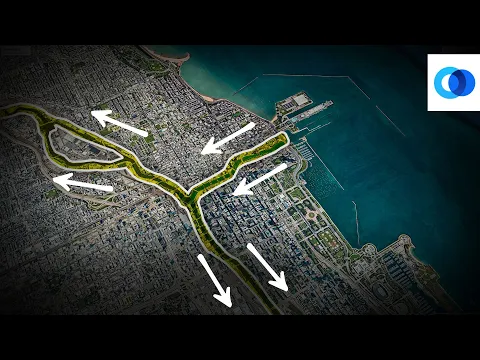

In The Short Term, The Strategy Worked Spectacularly. Waterborne Outbreaks Fell Sharply, The Supply Became Safer, And The City Managed To Interrupt The More Immediate Cycle Of Contamination. Chicago Resolved The Sanitary Emergency That Threatened To Make It Uninhabitable.
But The Canal Did Not Eliminate Sewage. It Only Changed The Destination Of That Sewage. Instead Of Entering Lake Michigan, The Polluting Load Began To Flow Downstream. What Was A Local Threat Became A Regional Problem, Affecting The Mississippi System And Generating Immediate Reactions From Neighboring States, Especially Missouri.
The Dispute Reached The Supreme Court Of The United States. Missouri Argued That The Work Of Illinois, The State Where Chicago Is Located, Was Compromising Water Supply Downstream. The Conflict Was So Serious That Containers With Polluted Water From The Mississippi Were Taken To Washington As Evidence. The Central Question Was Brutally Simple: Did A City Have The Right To Protect Its Own Population By Shifting Its Problem To Another?
Illinois Won The Dispute. The Supreme Court Understood That There Was Not Enough Evidence That Chicago’s Pollution Directly Caused The Health Damages Alleged By Missouri. As A Result, The Canal Remained, And The Chicago River Continued To Flow Backward. The Decision Saved Chicago Legally, But Made It Clear That The City’s Sanitary Solution Depended On Transferring Sewage To Another Place.
The Project Became An Engineering Triumph And Created A New Crisis
Over Time, The Canal Gained Status As An Engineering Feat. The Reversal Of The Chicago River Became Treated As A Symbol Of Urban Audacity From The 19th And 20th Centuries, When Domination Over Nature Was Seen As A Sign Of Progress. Chicago Proved That It Could Bend A River To Human Will, And This Helped Fuel The Confidence That Would Later Drive Other Major Works Of Dams, Canals, And Water Control In The United States.
However, The Same Artificial Connection Between Previously Separated Basins Opened A New Type Of Risk. By Linking The Great Lakes System To The Mississippi System, The Canal Created A Route For Invasive Species. The Asian Carp Became The Most Alarming Example, Threatening To Move Toward The Great Lakes And Pressuring Freshwater Ecosystems Of Huge Economic And Environmental Importance.
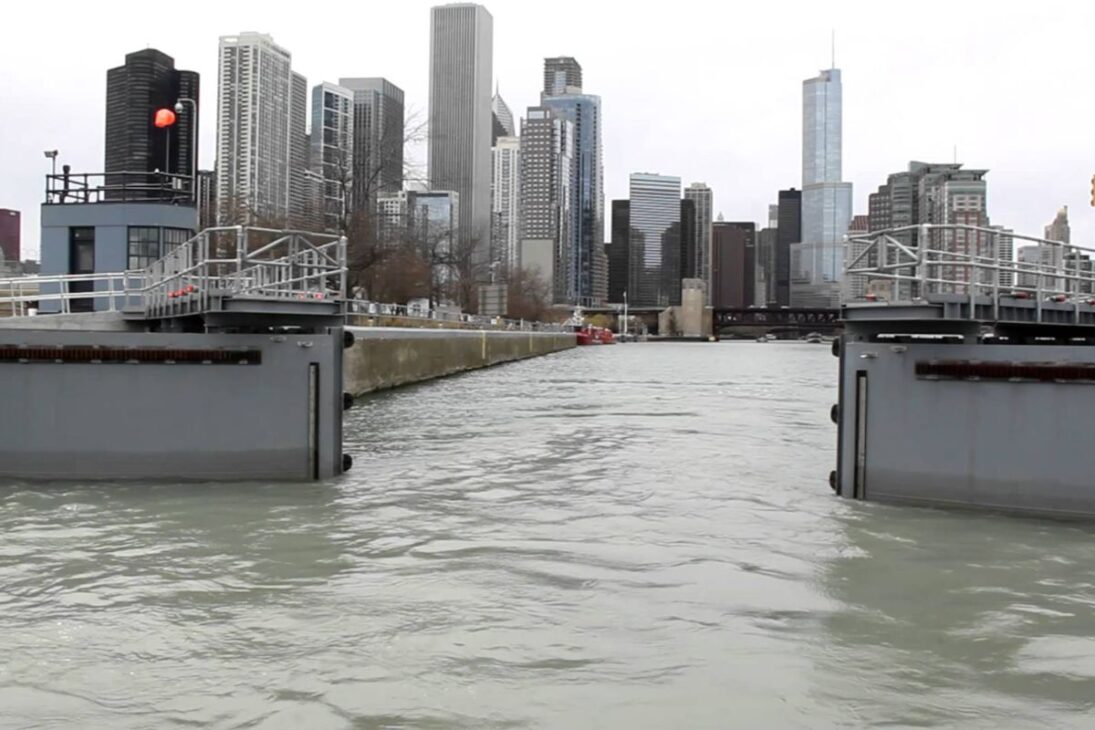
Today, Authorities Need To Spend High Amounts On Electric Barriers, Physical Structures, And Other Measures To Prevent This Migration. The Solution That Diverted Sewage From Lake Michigan In The 19th Century Helped Produce A 21st Century Ecological Tension. Chicago Overcame The Sanitary Crisis But Left Subsequent Generations With An Expensive And Ongoing Environmental Battle.
Meanwhile, The Chicago River Itself Changed Its Image. What Was Once Synonymous With Deadly Contamination Became A Tourist Space, A Scene Of Tours, Restaurants, And Events. Every St. Patrick’s Day, The Water Turns Green, And The River Became Part Of The City’s Public Identity. But Under This Renewed Image Lies The Same Lesson: Solving A Gigantic Problem By Force Almost Always Creates Another On Some Scale.
Chicago Forced The Chicago River To Flow Backward Because The City Had No Time, Margin, Or Safety To Continue Drinking Water Linked To Its Own Sewage. The Canal Saved Lives, Protected Lake Michigan, And Consolidated The City’s Urban Power, But Also Pushed The Crisis Downstream And Opened A New Ecological Front More Than A Century Later.
In Your Opinion, Did Chicago Do What Was Necessary Or Just Swap A Sanitary Tragedy For An Environmental Problem That Continues To Be Paid For Today?







Seja o primeiro a reagir!