





 Portuguese
  English
  Spanish
  3 min of reading
  0 comments


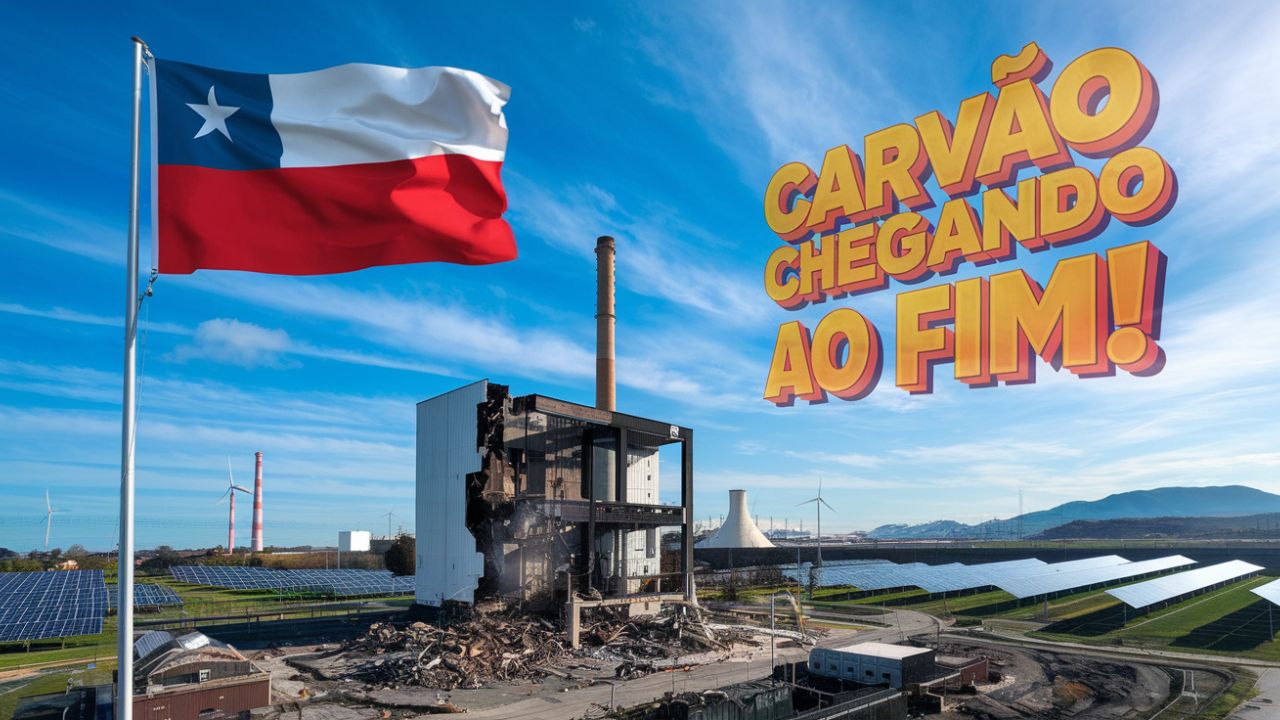
With Only 15.8% of Energy Coming from Coal in 2024, Chile Leads the Energy Transition in Developing Countries, Betting on Solar and Wind Energy to Eliminate Coal by 2030.
Ten years ago, Chile was heavily dependent on coal, with half of its electricity generated from this fossil fuel. But in 2024, this dependence plummeted to less than 16%, solidifying the country as one of the most agile in energy transition among developing nations. What explains this leap? A pioneering carbon tax, strong environmentalist pressure, and strategic investments in renewable energy.
The Historical Dependence on Coal in Chile
Looking back, the scene was different. In 2014, coal-fired power plants dominated the Chilean energy matrix. Coal was cheap and reliable, but its environmental impact was already concerning environmentalists and local communities. Patagonia, in particular, became a symbol of the fight against the expansion of coal mines and hydroelectric plants.
Fast forward to 2024, electricity generation from coal has dropped to just 15.8%. This reduction was not accidental but the result of meticulous planning and decisive actions, such as the first carbon tax in South America.
-
Renewable energy advances over protected areas in Brazil, and a survey by the Energy Transition Observatory reveals silent impacts that challenge environmental conservation and pressure sensitive traditional territories.

-
Rio Grande do Sul accelerates energy transition: State invests in renewable technologies and consolidates decarbonization strategies and pathways to attract billions in new industrial investments.

-
With 160,000 m² of collectors, an area larger than 20 football fields, Silkeborg, in Denmark, hosts a solar thermal plant that heats 19,500 homes and could become the largest solar heating plant in the world.

-
A study reveals the expansion of renewable energy procurement in Brazil and shows how companies are taking advantage of opportunities to reduce expenses, ensure energy efficiency, and strengthen strategic environmental commitments.


Pioneering Strategies for Reducing Coal Usage
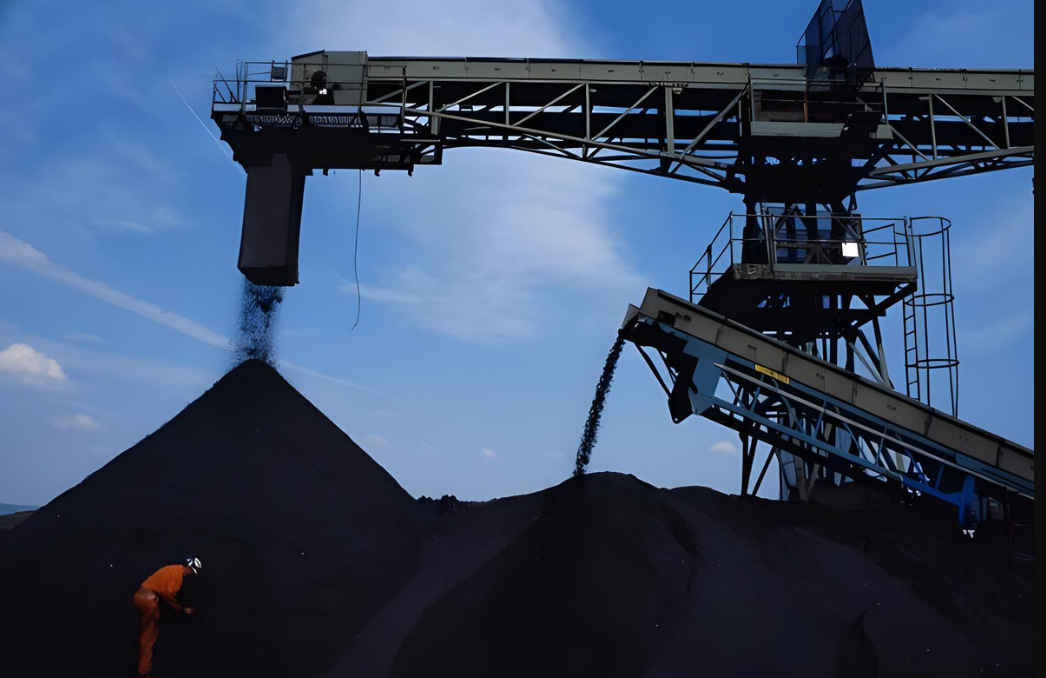
The carbon tax was a game changer. Instituted to price pollution, it made it economically unfeasible to maintain coal-fired power plants. New emission standards also increased the cost of building these facilities by 30%, pushing the energy sector towards cleaner alternatives.
Meanwhile, the government and private companies invested heavily in wind and solar energy. Today, Chile has the most diversified energy matrix in Latin America, with 66.8% of electricity coming from renewable sources.
The Role of Renewables in the New Energy Matrix
Among renewables, solar energy stands out: 20.9% of the energy mix is photovoltaic, placing Chile in a global leadership position in solar integration. The country is also a reference in wind energy, which makes up 12.8% of the matrix.
In the long term, operating solar and wind parks has proven to be more economical than maintaining coal-fired plants. Despite temporary subsidies to stabilize electricity prices in 2022, the transition is already beginning to show financial and environmental benefits.
Challenges and Costs of the Energy Transition
Of course, this transformation did not come without challenges. In 2022, Chile allocated about 1% of GDP to subsidies for fossil fuels, cushioning the impact of the transition on energy bills. However, according to experts, this strategy was essential to balance the market and maintain public confidence.
For former Chilean Minister of Environment, Marcelo Mena-Carrasco, the Chilean model is unique because it combines market principles with a clear environmental commitment. According to him, the Chilean experience can be replicated globally, especially in countries with emerging economies.
The Energy Future of Chile
The outlook is promising. Chile plans to close all its coal-fired plants by 2030, including the most recent ones. It is estimated that by then, between 80% and 90% of electricity will be generated from renewable sources.
This commitment makes Chile a reference not only in South America but worldwide, showing that it is possible to unite economic growth, innovation, and sustainability. Thus, Chile not only abandons coal but also paves the way for other nations to follow suit.









Seja o primeiro a reagir!