





 Portuguese
  English
  Spanish
  3 min of reading


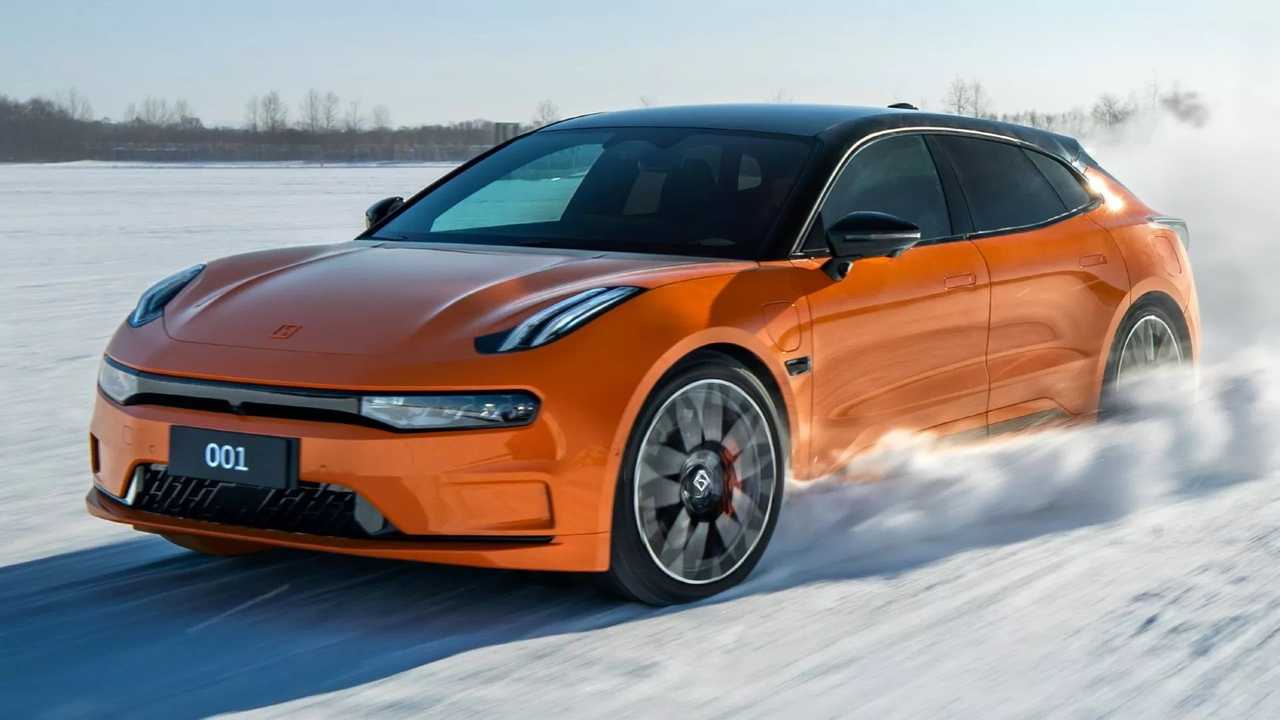
The Geely Sub-Brand Zeekr Is Bringing to the Chinese Market a New Electric Car with 1,000 Km of Range. The Vehicle Is Equipped with CATL Qilin Batteries.
The Zeekr, sub-brand of electric vehicles from Geely, announced this week the first deliveries of the Zeekr 001 WE, a new version of the premium electric car equipped with the new CATL Qilin batteries, which are certified for a range of 1,032 km by the Chinese CLTC standard.
Geely Electric Car Delivers 544 Horsepower
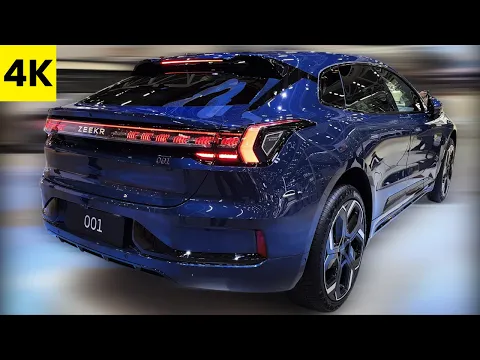

The electric car is a large electric hatchback measuring 4.97 meters in length and with a wheelbase of 3 meters, which has been on the Chinese market for some time. However, this new version was highly anticipated due to the debut of these higher-density batteries manufactured by CATL.
In terms of propulsion and performance, the all-wheel drive version with a dual motor of the Zeekr 001 delivers a power output of 400 kW, or 544 horsepower and 686 Nm of torque, allowing for acceleration from 0 to 100 km/h in just 3.8 seconds. It is noteworthy that this version offers two options of CATL batteries, with capacities of 86 kWh and 100 kWh, delivering ranges of 546 km and 656 km, respectively.
-
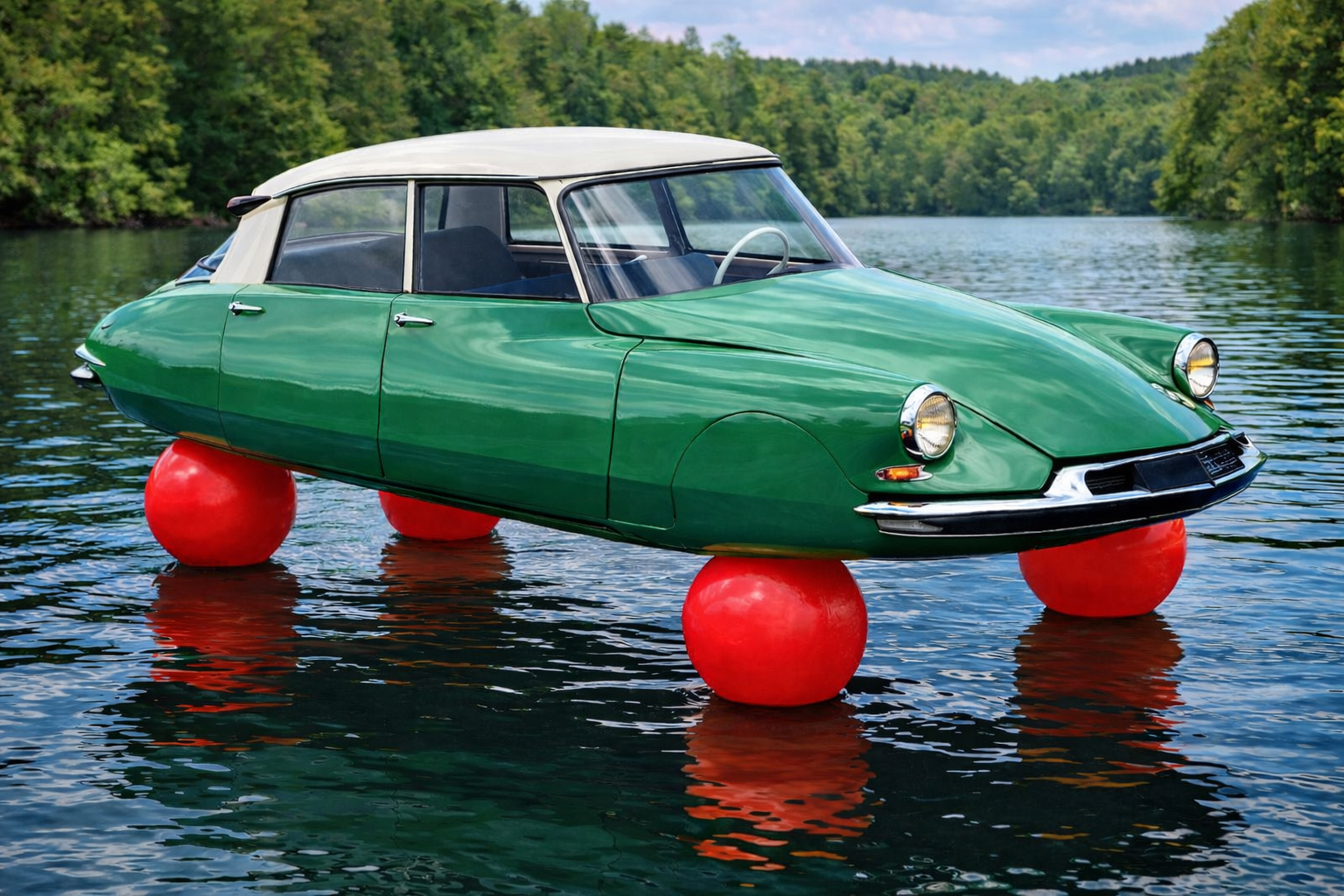
A French brand placed a car on four huge red balloons to prove that its suspension made the vehicle “float,” and the surreal scene became one of the most iconic and unusual images in automotive history.
-
Jeep Avenger begins production in Brazil, debuting as the brand’s new entry-level SUV and inaugurating an unprecedented phase by becoming the first national Jeep manufactured outside of Goiana, as part of a R$ 3 billion plan.
-
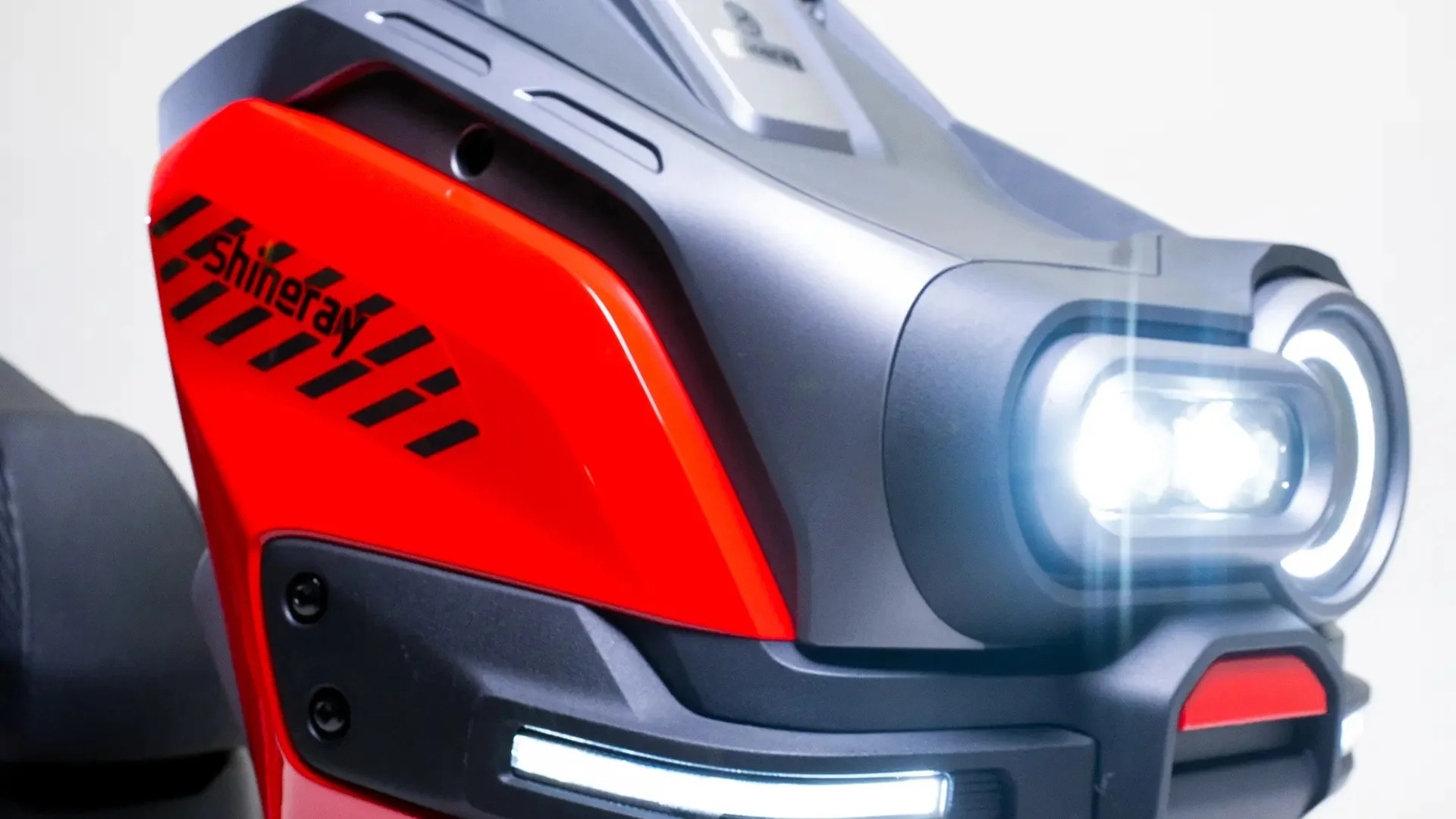
Costing R$ 12,490, the new Shineray Urban Lite 150 “cheap one” arrives in Brazil with a CVT transmission, digital dashboard, and LED lights, making it more affordable than the Biz and targeting those who want to abandon the bus.
-
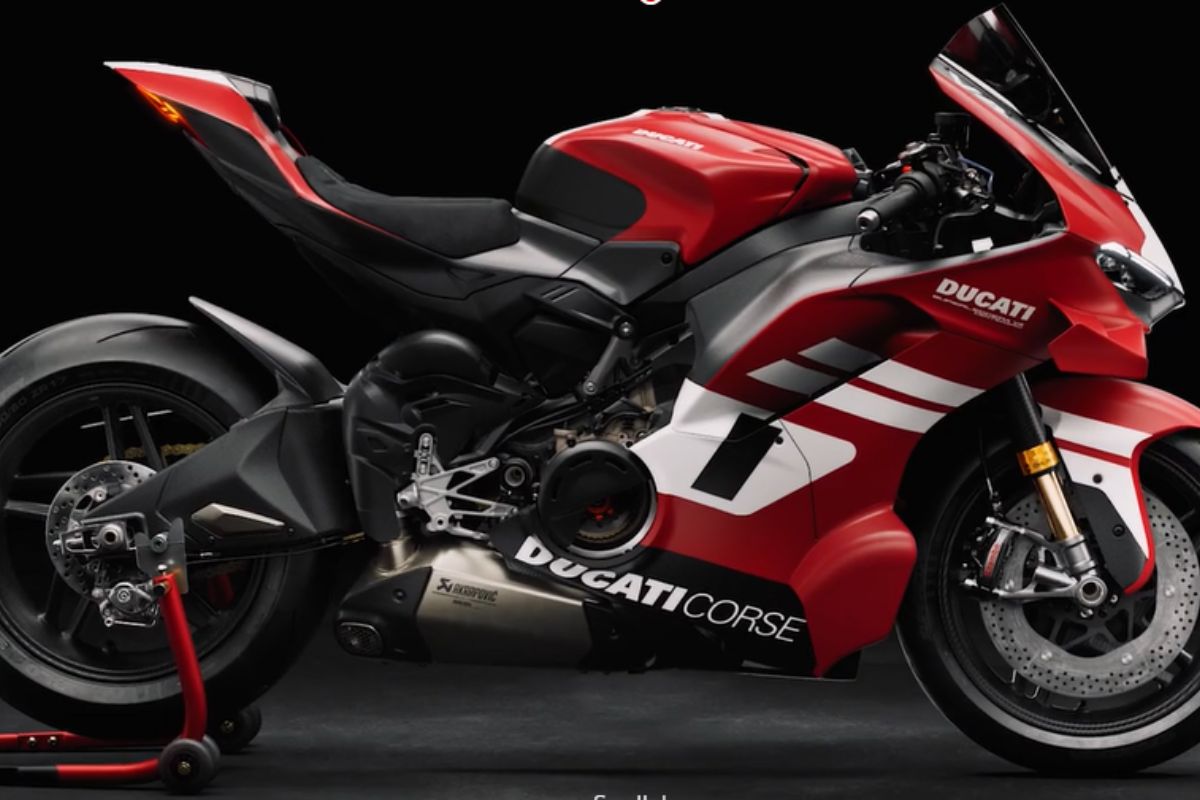
Ducati brings to Brazil the Superleggera V4 Centenario: 228 hp that become 247 with a track kit, carbon fiber and carbon-ceramic brakes, estimated price between R$ 1.5 and 2 million, deliveries only in 2027.

Now, the latest model, the Zeekr 001 2023, from the Geely sub-brand, which was launched at the beginning of this year, maintains the same design as the previous model while updating its configuration and battery life. The WE version of the 100 kWh model can be upgraded to the CATL Qilin batteries of 140 kWh.
The model is equipped with a standard 100 kW battery and costs 300,000 yuan, equivalent to R$ 212,000, a price that can increase by R$ 72,800, raising the car’s price to R$ 285,000 when opting for the new Qilin 140 kWh battery with a range of 1,032 km.
Meet the CATL Batteries
Introduced in June last year, the CATL CTP 3.0 Qilin battery features a volume utilization rate greater than 72% and an energy density that can reach 255 Wh/kg. Compared to the 4680 battery, the Qilin battery provides 13% more energy with the same size and chemical battery composition.
Also last year, CATL entered into a strategic cooperation agreement for 5 years with Seres, one of the electric car manufacturers in China that plans to use the Qilin battery system in its new sub-brand of premium electric cars Aito, which operates in partnership with Huawei.
It is worth mentioning that Seres is launching its first battery models in Brazil. According to the press release, the new models from the Chinese manufacturer will be equipped with CATL technologies. It is unknown when and which models will be the first to use the batteries.
Geely Sub-Brand Arrives in Europe
Founded in China, the Zeekr brand, a sub-brand of Geely, is preparing to land in Europe later this year, where it will begin its offensive in the Nordic countries, expanding to other markets in the region next year.
The flagship model will be the Zeekr 001; however, the company will also launch the Zeekr X, a compact electric SUV that will be positioned a step below the hatchback in terms of price and size.
The first European markets to receive the Geely sub-brand will be Sweden and the Netherlands in the last quarter of this year. Subsequently, more countries may receive the brand at the beginning of 2024, and Portugal may be included in this same batch, although nothing has been confirmed yet.









Seja o primeiro a reagir!