





 English
  Francês
  Alemão
  Italiano
  Japonês
  Norueguês
  Portuguese
  Spanish
  2 min of reading
  0 comments


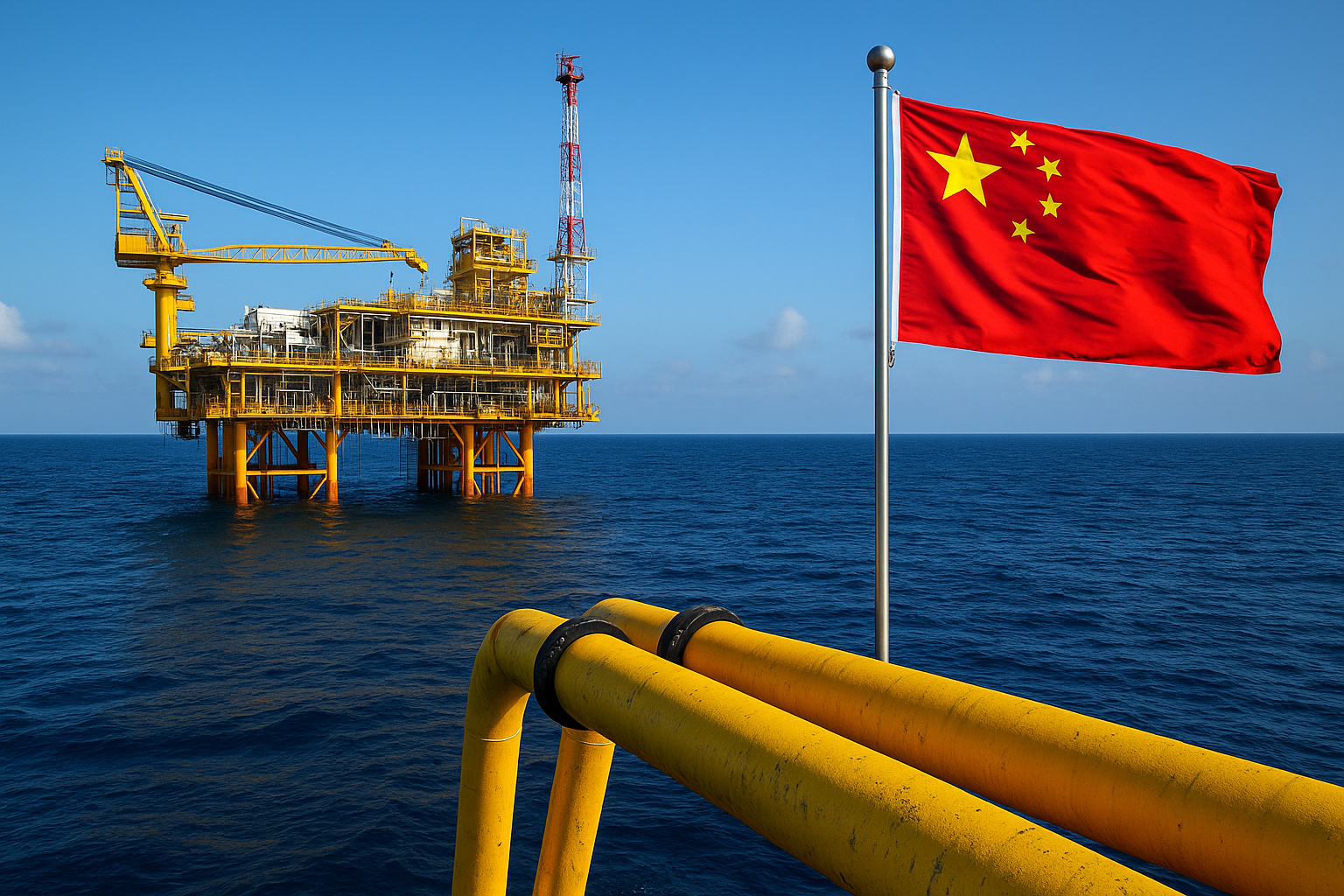
Historical Expansion in Chinese Offshore Infrastructure
The China reached a significant milestone in its offshore energy infrastructure in September 2025.
The country achieved 10,000 km of installed offshore oil and gas pipelines.
This announcement was officially made by the China National Offshore Oil Corporation (CNOOC) on September 28.
This advancement reflects the expansion of the energy transport network.
It also demonstrates the strengthening of Chinese technological capacity in installing complex structures in deep waters.
Strategic Partnerships and Advances Between 2021 and 2025
Between 2021 and 2025, CNOOC installed over 1,500 km of subsea pipelines.
This growth was supported by partnerships with universities and research centers.
National companies also participated, strengthening internal technological development.
With this strategy, the state-owned enterprise consolidated a model of strategic cooperation.
This model improved project efficiency and boosted Chinese offshore engineering.
Deep Water Operations and Global Leadership
The Chinese subsea network reached a maximum operating depth of 1,542 meters.
This figure represents a record for the company.
The oil and gas pipelines range from 2 to 48 inches in diameter.
This diversity of sizes positions China among the global leaders in engineering.
The country stands out in technology for subsea transportation of oil and gas.
This performance reinforces China’s international competitiveness in the offshore energy sector.
-
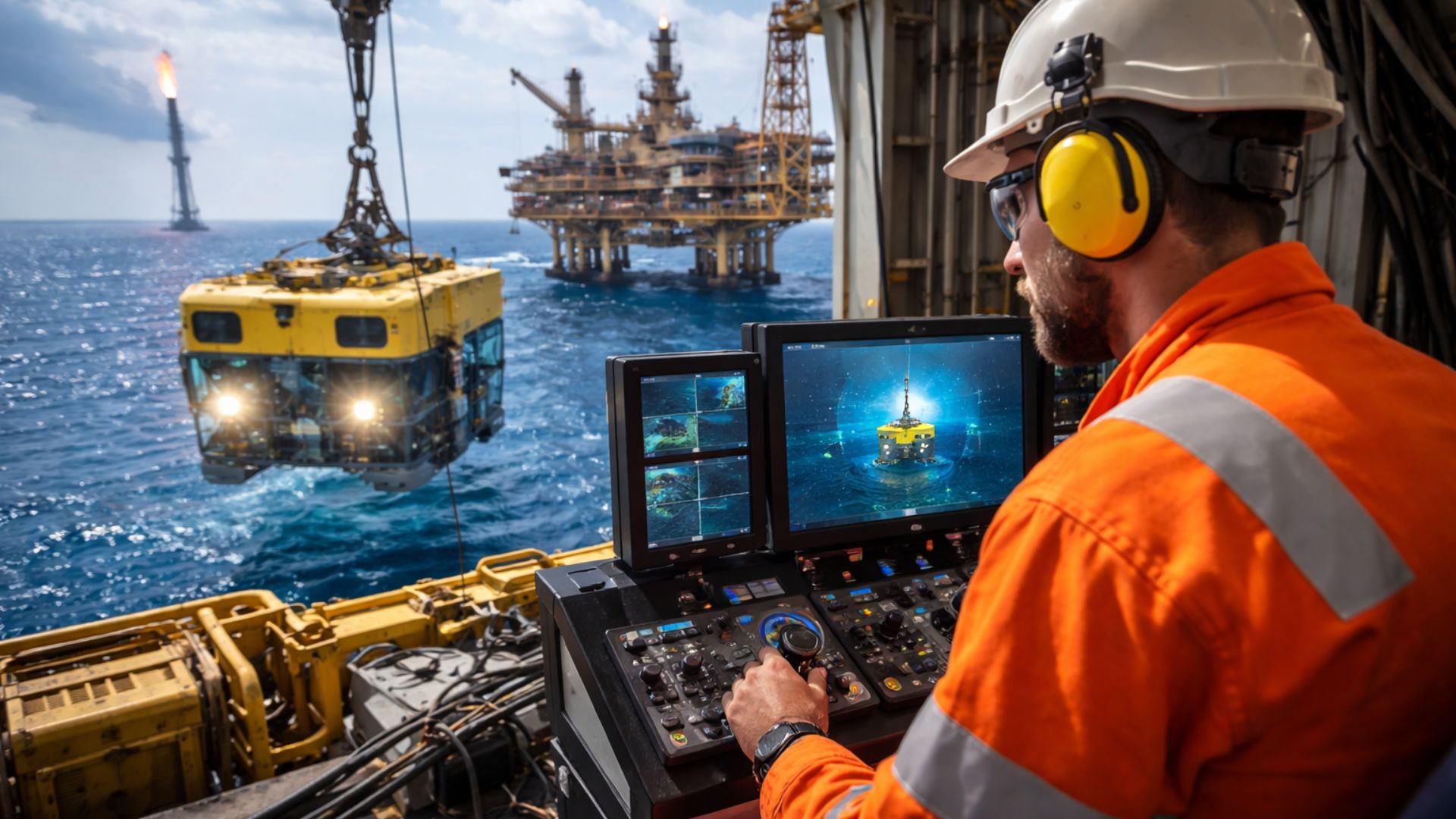
With Announcement for ROV Course in Partnership with Zen, Rio das Ostras Aims to Transform Technical Qualification into Real Jobs in the Competitive Offshore Market
-
Free Offshore Steward Course in São Gonçalo Emerges as a Strategic Opportunity for Those Seeking Qualified Work at Sea

-
Messer Gases Reopens Branch in Macaé to Serve Offshore Oil and Gas Market in Northern Fluminense with Supply of Oxygen, Argon, and CO₂

-
Offshore Profession Simplified: Comprehensive Guide Reveals How to Trade Common Routine for High Salaries and Long Breaks in Life Aboard in the Oil Sector
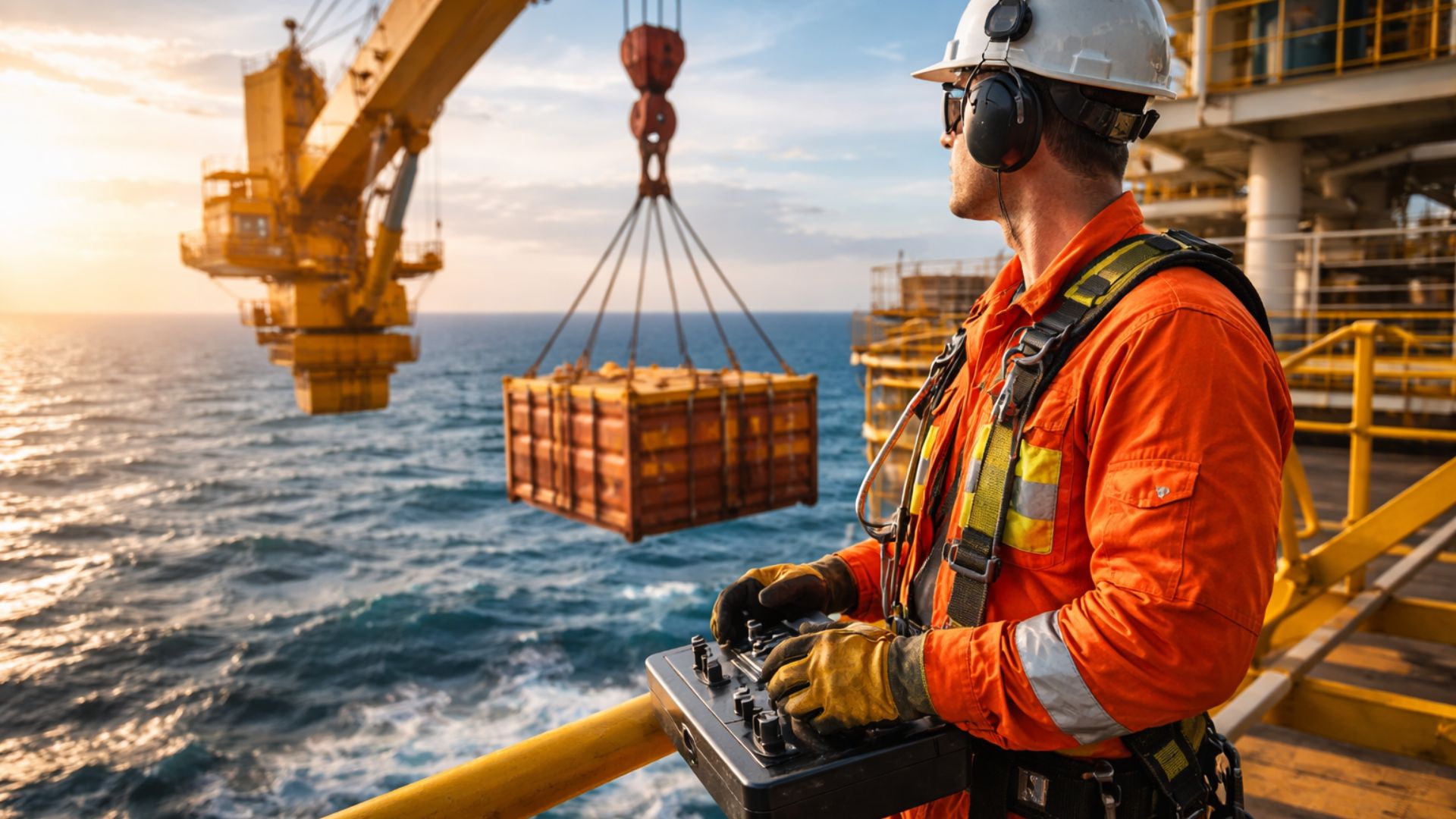

Financial Impacts in the First Half of 2025
Despite the expansion of infrastructure, financial results showed a decline, as the global situation pressured the sector.
Additionally, the balance sheet for the first half of 2025 recorded a downturn, as the international scenario remained unstable.
Therefore, revenue fell from 226.8 billion yuan in 2024 to 207.6 billion in 2025, representing a contraction of 8.5%.
This performance highlighted the challenges faced by the company, as recovery still seems distant.
Even with technological advances and pipeline expansion, the state-owned enterprise faced an unfavorable economic scenario, and consequently, needed to revise its strategic projections.
Outlook for the Second Half of 2025
According to a report released by the company, the second half will have a strategic focus. Furthermore, CNOOC will concentrate on exploring value in relevant key areas.
At the same time, it will consolidate its resource base to increase reserves. Thus, the central objective will be to continuously increase oil and gas production.
On the other hand, the state-owned enterprise also aims to strengthen its position in the global energy market, reinforcing its long-term vision.
Additionally, the strategy combines physical expansion of pipelines with sustainable growth, ensuring competitiveness. In this way, each action directly contributes to the consolidation of leadership.










-

-

2 pessoas reagiram a isso.