





 Português
  Inglês
  Espanhol
  2 min de leitura
  0 comentários


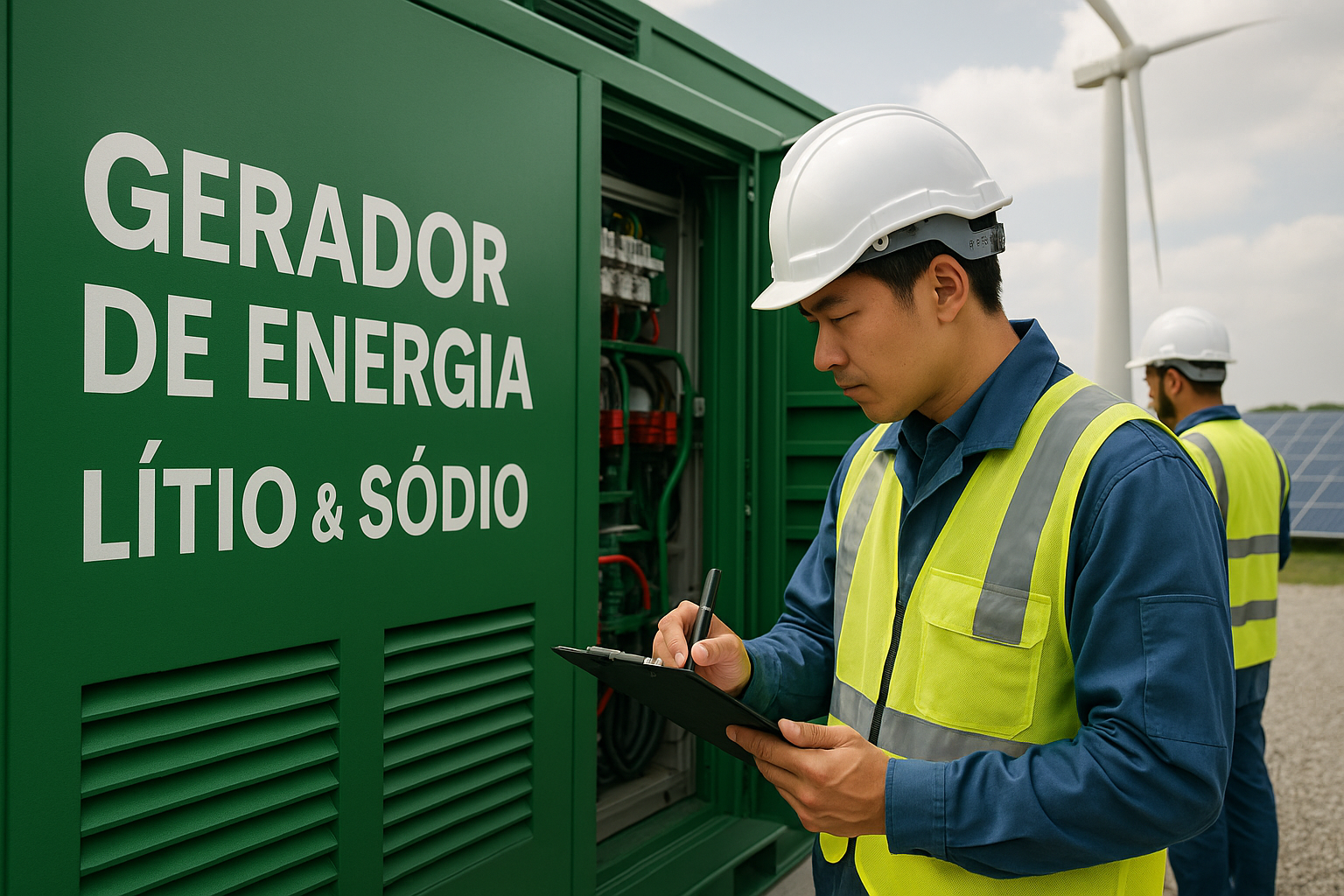
Meet The Station That Combines Lithium And Sodium Batteries To Supply 270 Thousand Homes With Renewable Energy
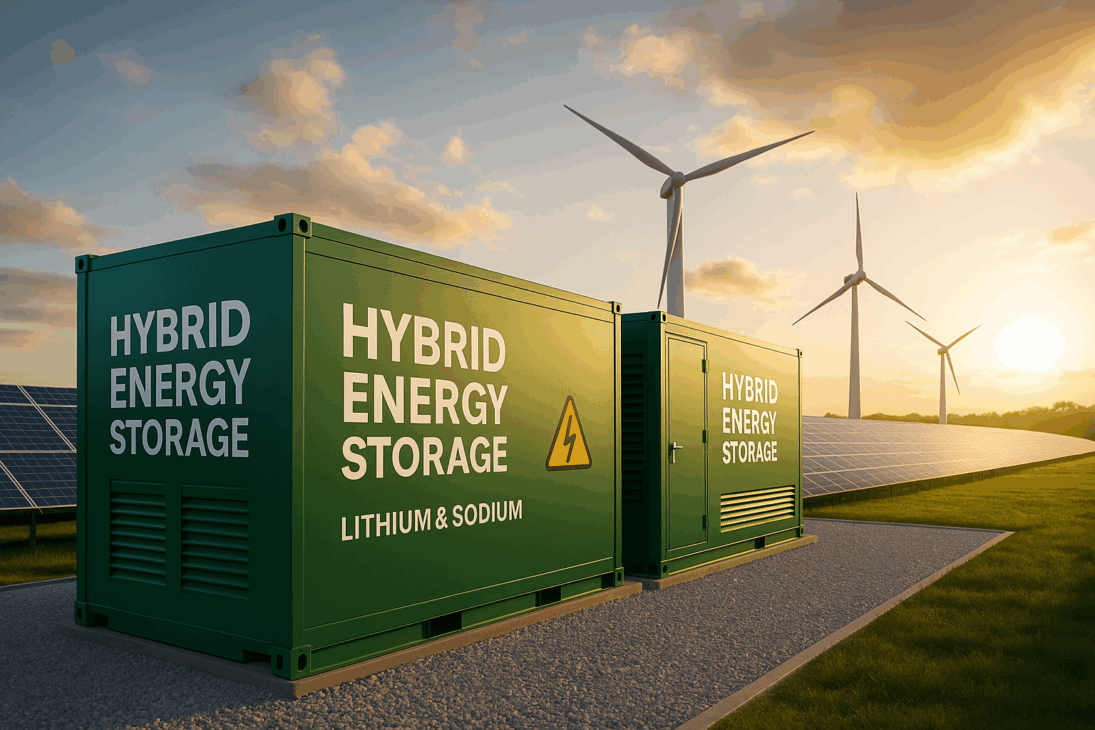
The China took a significant step in its journey towards sustainability by inaugurating the Baochi Energy Storage Station on May 25, 2025, located in Yunnan province. This pioneering project combines lithium and sodium ion batteries, marking the country’s first large-scale hybrid facility. With an installed capacity of 400 megawatt-hours, the station can store and release up to 580 million kilowatt-hours per year, enough to power approximately 270 thousand homes.
Efficiency And Sustainability In A Single System
The integration of lithium and sodium batteries at the Baochi Station offers an innovative solution to energy storage challenges. Sodium batteries, which are more abundant and cost-effective, exhibit a response speed six times faster than previous versions, operating efficiently in temperatures between -20 °C and 45 °C. This combination allows for a more stable and efficient operation, leveraging the best of both technologies.
Contribution To The Renewable Energy Matrix
The station plays a crucial role in integrating renewable energy sources into the power grid. Currently, 98% of the stored energy comes from solar and wind farms in the region, reinforcing China’s commitment to reducing carbon emissions and promoting a cleaner energy matrix. The installation serves more than 30 renewable generation plants in Yunnan, a province where the installed capacity of renewable energy exceeds 60 million kilowatts.
-
Renewable energy advances over protected areas in Brazil, and a survey by the Energy Transition Observatory reveals silent impacts that challenge environmental conservation and pressure sensitive traditional territories.

-
Rio Grande do Sul accelerates energy transition: State invests in renewable technologies and consolidates decarbonization strategies and pathways to attract billions in new industrial investments.

-
With 160,000 m² of collectors, an area larger than 20 football fields, Silkeborg, in Denmark, hosts a solar thermal plant that heats 19,500 homes and could become the largest solar heating plant in the world.

-
A study reveals the expansion of renewable energy procurement in Brazil and shows how companies are taking advantage of opportunities to reduce expenses, ensure energy efficiency, and strengthen strategic environmental commitments.


Strategic Advance In Energy Independence
In addition to environmental benefits, the Baochi Station represents a strategic advance for China’s energy independence, which seeks to reduce risks. Consequently, by diversifying storage sources and decreasing dependence on lithium, the country strengthens its energy and technological autonomy. As a result, exposure to high costs and environmental impacts from lithium extraction is reduced, favoring new solutions. Moreover, the abundance of sodium in nature, combined with its lower cost, offers a sustainable and economically viable alternative for China. Therefore, sodium batteries emerge as a promising option, especially for large-scale applications and domestic technology production.
Future Perspectives And Global Impact
The inauguration of the Baochi Station, therefore, signals a growing trend in the adoption of large-scale hybrid energy storage solutions. Additionally, with the constant increase in demand for renewable sources, there is also an urgent need for more efficient and reliable storage systems. For this reason, similar technologies are expected to spread rapidly in various parts of the world, particularly where energy transition is a priority. Thus, the Chinese initiative could even serve as a strategic model for countries seeking sustainable and economically viable alternatives for this transformation.










Seja o primeiro a reagir!