





 Portuguese
  English
  Spanish
  3 min of reading
  0 comments


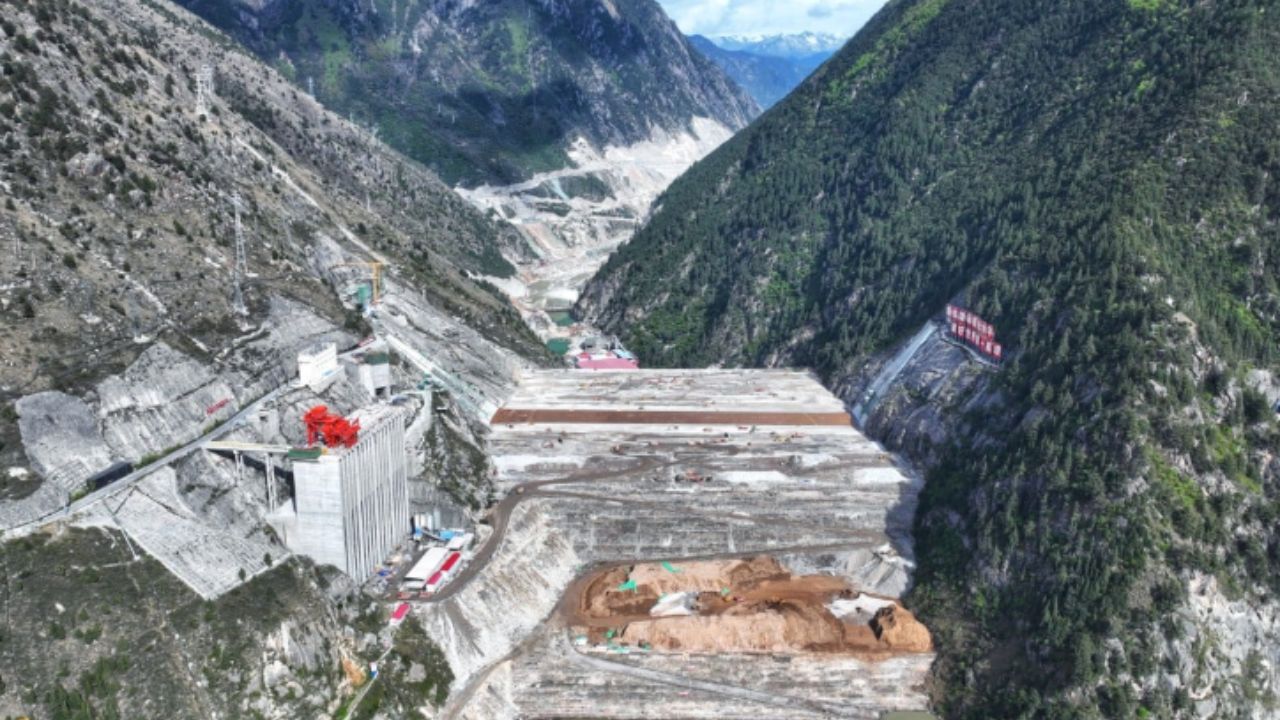
Hydroelectric Project in Sichuan Enters Decisive Phase and Promises to Change the Country’s Energy Matrix
The Shuangjiangkou Dam, which will be the highest in the world, has begun water storage and puts China’s construction once again at the center of global attention with a billion-dollar megaproject.
China’s Construction Enters a New Phase in the Southwest of the Country
Located in the Tibetan autonomous prefecture of Qiang of Aba, in Sichuan province, the Shuangjiangkou Dam began filling its reservoir on May 1st. The water level has already reached 2,344 meters above sea level, nearly 80 meters above the original riverbed of the Dadu.
The project, led by the state-owned Power Construction Corporation of China (PowerChina), has been underway since 2015 and has an estimated investment of 36 billion yuan (about US$ 4.9 billion).
-
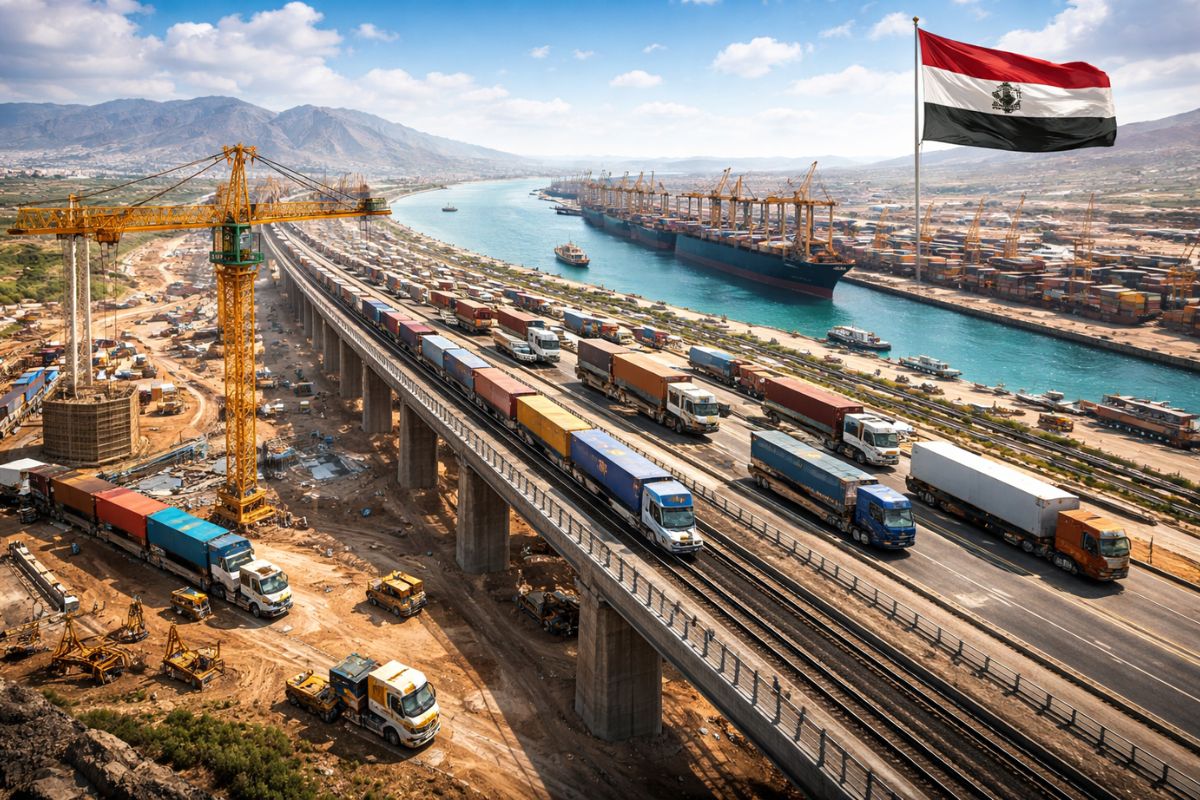
A megaproject worth R$ 89 billion is advancing in Iraq and promises to change the game in global trade by creating a new corridor between Asia and Europe, reducing traditional routes and repositioning the country as a logistics powerhouse.
-
Goodbye bedside table: floating shelves become a trend in 2026 by freeing up space in the bedroom, improving circulation, bringing visual lightness, and integrating technology without taking up floor space.

-
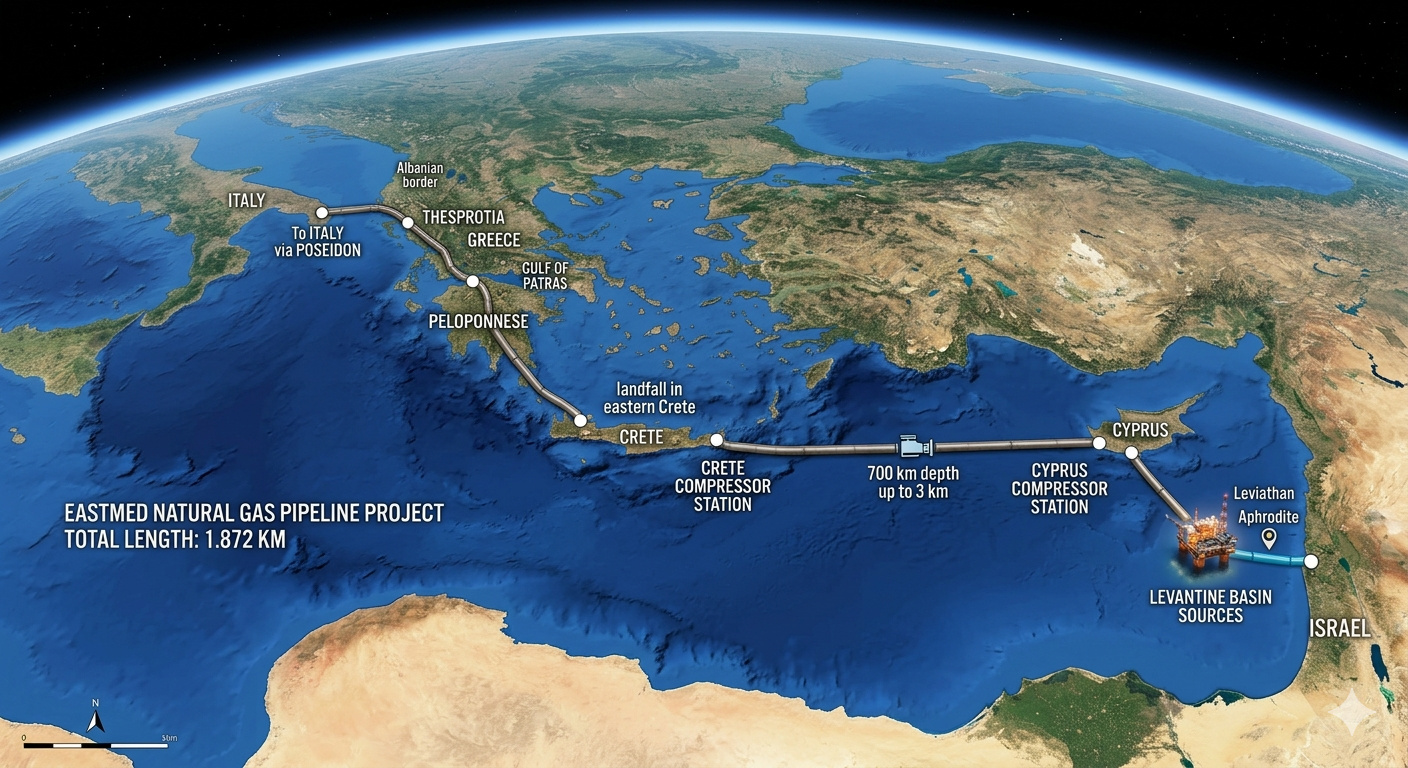
Israel, Greece, and Cyprus signed an agreement in 2020 to transport gas from the Mediterranean to Europe via a 1,872 km pipeline, but Turkey claimed sovereignty over part of the maritime route, and the project never materialized.
-
Israel, Greece, and Cyprus signed an agreement in 2020 to transport gas from the Mediterranean to Europe via a 1,872 km pipeline, but Turkey claimed sovereignty over part of the maritime route, and the project never materialized.

Shuangjiangkou Will Be a Key Piece in China’s Energy Matrix
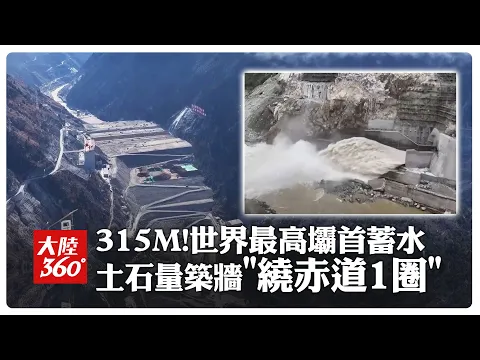

Set to start energy generation by the end of 2025, the plant will have an installed capacity of 2,000 megawatts. This represents enough energy to supply over 3 million homes annually. Additionally, it is estimated to save 2.96 million tons of coal and reduce CO₂ emissions by 7.18 million tons.
The storage capacity reaches 110 million cubic meters of water, almost eight times the volume of West Lake in Hangzhou. The 315-meter-high structure will surpass the Jinping-I Dam, the current world record holder, also in Sichuan.
Technological Innovations Challenge the Limits of Engineering
Since the start of construction, PowerChina has faced difficulties related to altitudes over 2,400 meters, as well as geological and seismic challenges. To overcome this, the project incorporated remote sensors, 5G networks, robotics, and drones. Robots with sensors monitor the soil in real time, while drones assist in identifying environmental risks.
An article published in the journal Engineering from the Chinese Academy of Engineering highlighted the complexity of the project and the use of cutting-edge technology as a decisive factor for the success of the structure.
Environmental Impacts and Relocation Worry Experts
Although the government and PowerChina have promoted actions such as creating botanical gardens to preserve affected plant species, information about environmental compensation and resettlement is scarce. Studies indicate that large dams in China have already led to the removal of over a million people over the decades.
Additionally, experts warn of consequences such as erosion, loss of biodiversity, and destruction of cultural heritage.
Dams and Megaprojects: Tradition and Controversy in China’s Construction
Since the 1950s, China’s construction has been marked by large water projects. The country has built more than 22,000 dams over 15 meters high, almost half of the world’s total.
The majority of these structures are concentrated in the southwest, in areas of difficult access and rich biodiversity, such as the valleys of the Yangtze and Lancang Rivers. Despite the benefits in energy and irrigation, China’s megaprojects policies always raise discussions about sustainability and social impact.







Seja o primeiro a reagir!