





 Portuguese
  English
  Spanish
  3 min of reading
  1 comment


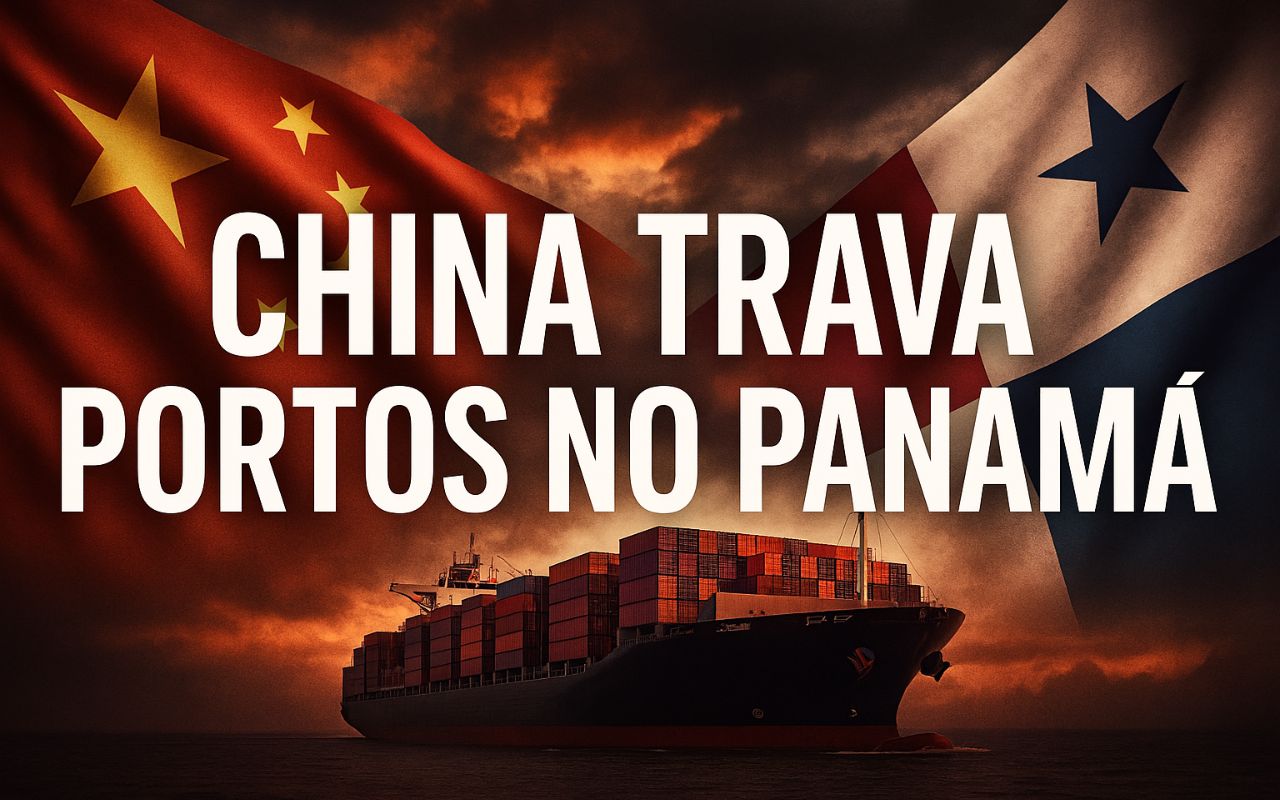


Billion-Dollar Deal Between Hong Kong Company and American Group BlackRock Suspended After Antitrust Investigation in China. Chinese Authorities Claim Monopoly Risk and Reinforce That the Panama Canal Is a Sensitive Area for the Country’s Interests.
China has once again taken strong action on the global geopolitical board. This time, the focus was the Panama Canal, one of the world’s most strategic trade routes. The Chinese government decided to suspend the sale of two Panamanian ports controlled by a Hong Kong company to the American group BlackRock, a deal that was about to be finalized and had an estimated value of US$ 23 billion.
The suspension came from the State Administration for Market Regulation of China, which opened an antitrust investigation to analyze the impact of the operation. According to regulators, the agreement could favor a U.S. monopoly over the logistical infrastructure in Panama, something that would jeopardize global competition and Beijing’s strategic interests.
Panama Canal: Key Piece in Trade and China-U.S. Tensions
The Panama Canal connects the Atlantic to the Pacific and handles about 5% of global maritime trade. China has a significant presence in the canal through companies like CK Hutchison Holdings, based in Hong Kong, which operates the ports of Balboa and Cristobal at both ends of the route.
-
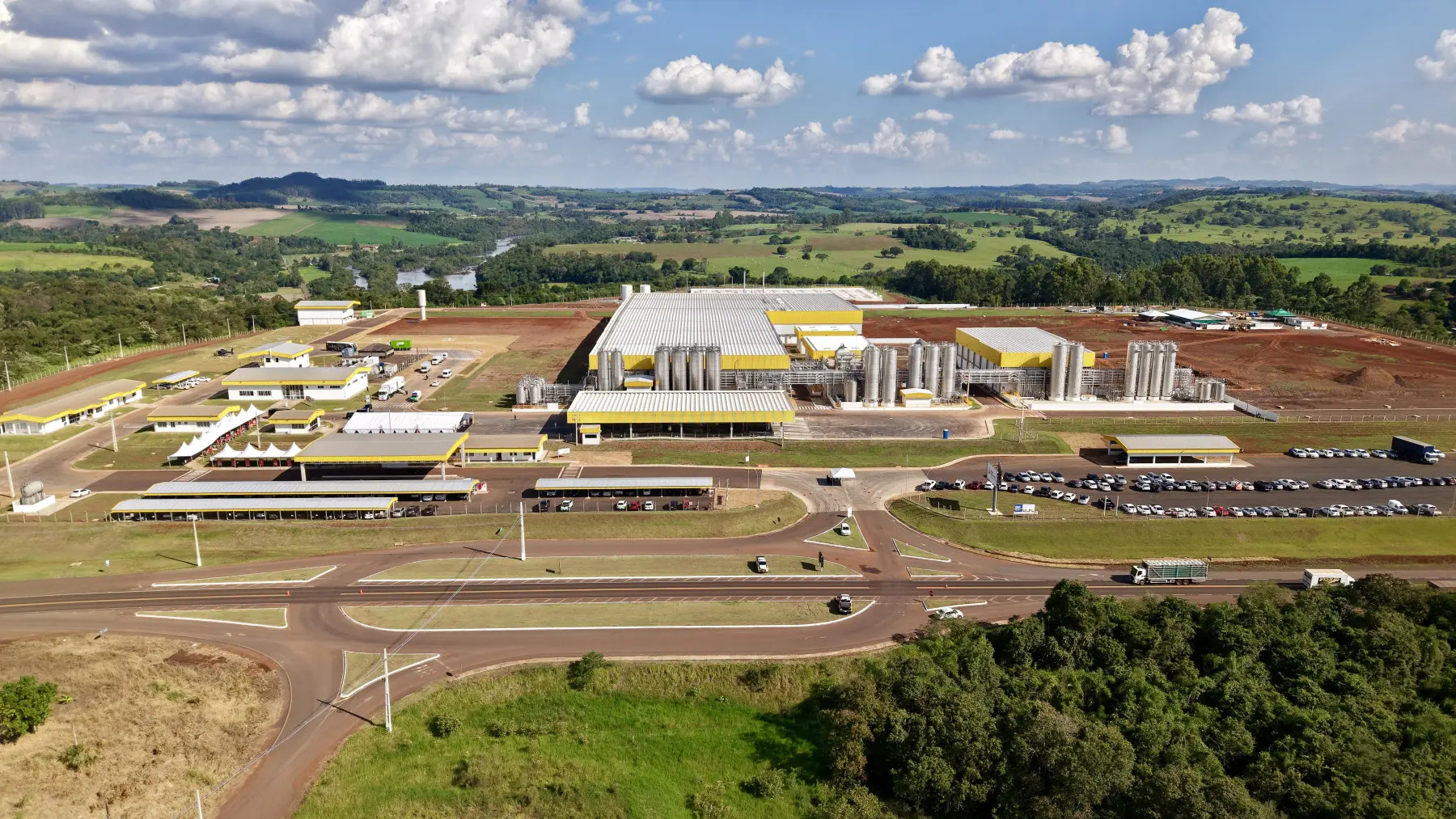
With an investment of R$ 612 million, a capacity to process 1.2 million liters of milk per day, Piracanjuba inaugurates a mega cheese factory that increases national production, reduces dependence on imports, and repositions Brazil on the global dairy map.
-
Brazilian city gains industrial hub for 85 companies that is equivalent to 55 football fields.

-
Peugeot and Citroën factory in Argentina cuts production by half and opens a layoff program for more than 2,000 employees after Brazil drastically reduced purchases of Argentine vehicles.

-
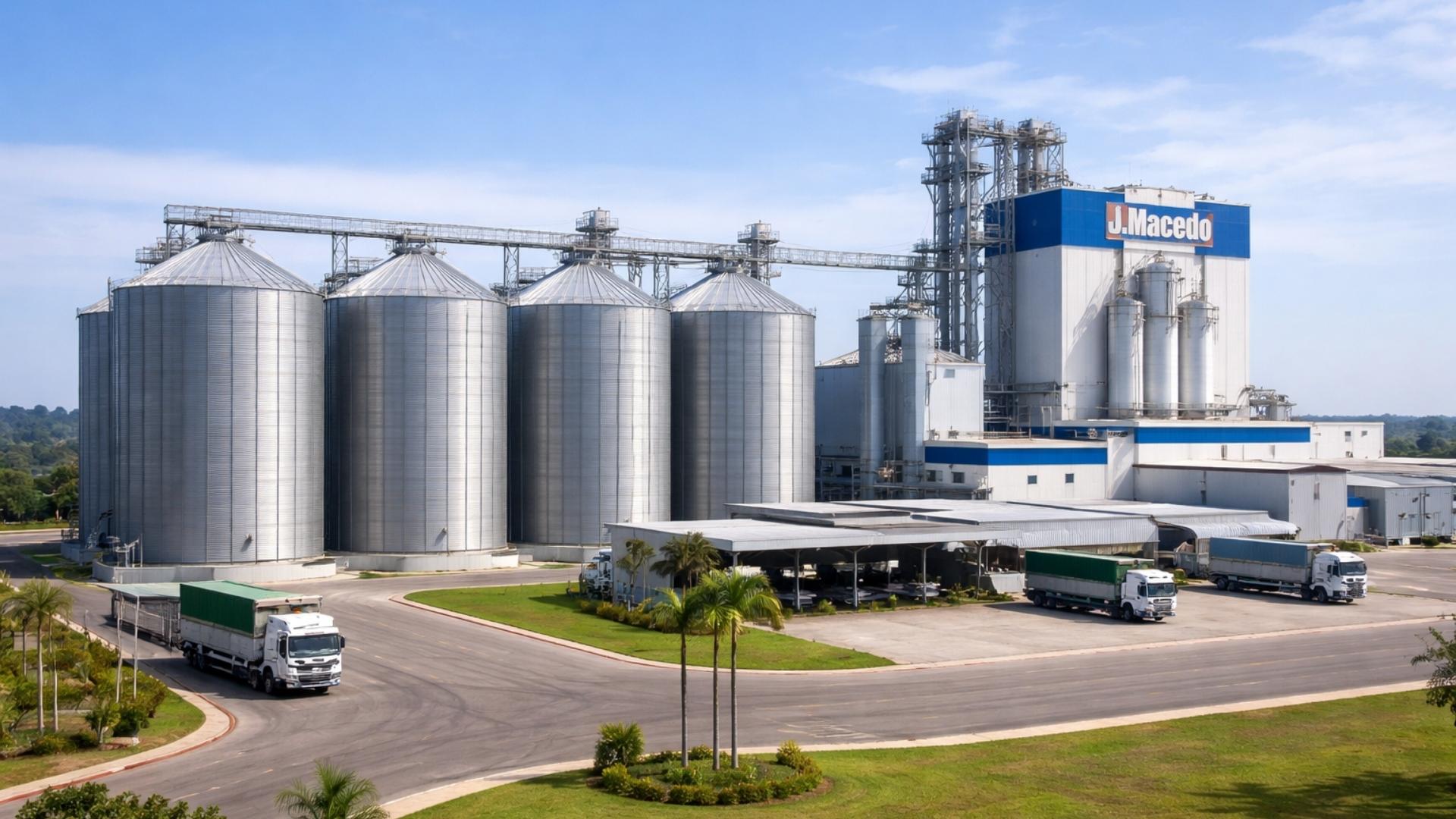
A Brazilian city gains a factory worth R$ 300 million with the capacity to process 200 thousand tons of wheat per year, a mill of 660 tons/day, silos for 42 thousand tons, and an industrial area of 276 thousand m².

The attempt to sell these operations to BlackRock, one of the largest asset managers in the world with over US$ 11 trillion in global assets, was seen by the United States as a move to “take space” from Chinese influence in Central America.
But China reacted quickly, and the state decided to temporarily block the operation, claiming that the sale could concentrate logistical power in American hands, harming not only China but also the free flow of international goods.
U.S. Celebrated Too Soon and the Market Reacted
Former President Donald Trump publicly celebrated the agreement, calling it a “strategic victory” against China’s advance. However, the response was immediate. In addition to the suspension, Chinese state media published harsh editorials, calling the sale an “imperialist move in disguise.”
The market also reacted: CK Hutchison’s shares fell more than 6% after the suspension announcement, and experts began to question the viability of the operation in the short term.
China Wants More Documents and Guarantees It Will Not Yield Easily
The Chinese government clarified that the sale is not completely blocked but rather suspended while awaiting new documents and justifications from BlackRock. The investigation continues under Chinese antimonopoly law, and analysts state that even if approved, the operation will face stringent requirements.
The decision reinforces the message that China is willing to confront the United States directly when it comes to strategic infrastructure outside its territory—especially in regions of high logistical importance.
And What About Panama in All This?
The Panamanian government has taken a neutral stance, stating that, as it is a negotiation between private companies, the state should only intervene in later stages if necessary. The canal is the country’s main source of revenue, and Panamanian authorities avoid getting involved in disputes that could affect its economic stability.
Is Brazil Affected?
In the Brazilian case, the impact is minimal. The majority of Brazil-China trade occurs via the South Atlantic, through private ports and maritime routes that bypass the African continent, without directly relying on the Panama Canal. The new air and logistics routes established with Chinese provinces also reinforce this commercial autonomy.








A BlackRock certa em comprar os dois portos no canal do Panamá e a China dizer isto é benéfico para nós. As negociações continuam . Vamos ver.