





 Portuguese
  English
  Spanish
  3 min of reading
  0 comments


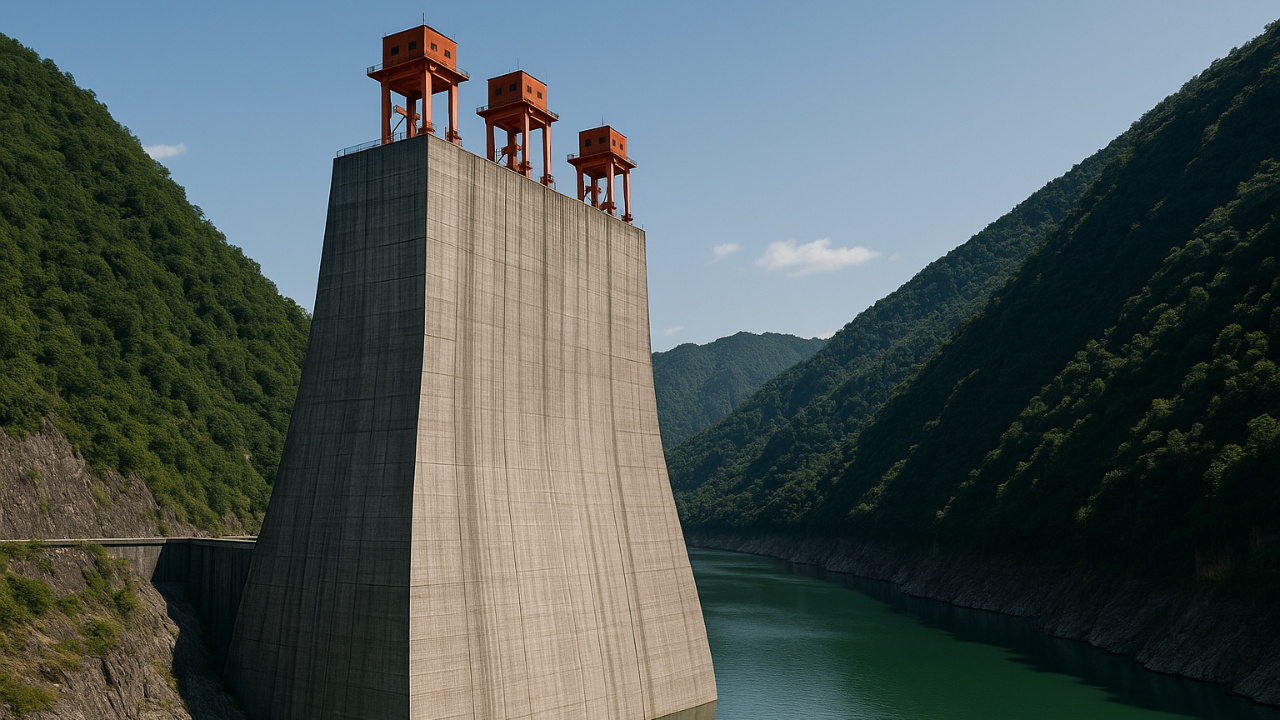
China Built Skyscraper-Sized Dam That Works as Giant Battery and Supplies Shanghai and Hangzhou.
China has built a skyscraper-sized dam to solve one of the country’s biggest energy challenges: to ensure stable electricity for eastern China, where some of the world’s most populous and industrial cities are located.
The project, completed in late October, is operated by the newly inaugurated Jurong Pumped Storage Power Plant.
The facility, which exceeds 182 meters in height, was designed to store large volumes of renewable energy and supply regions such as Shanghai and Hangzhou, which have a growing and constant consumption.
-
Equatorial adopts new national number for consumer units on electricity bills starting in April, following ANEEL standards and modernizing energy bills in several states.
-
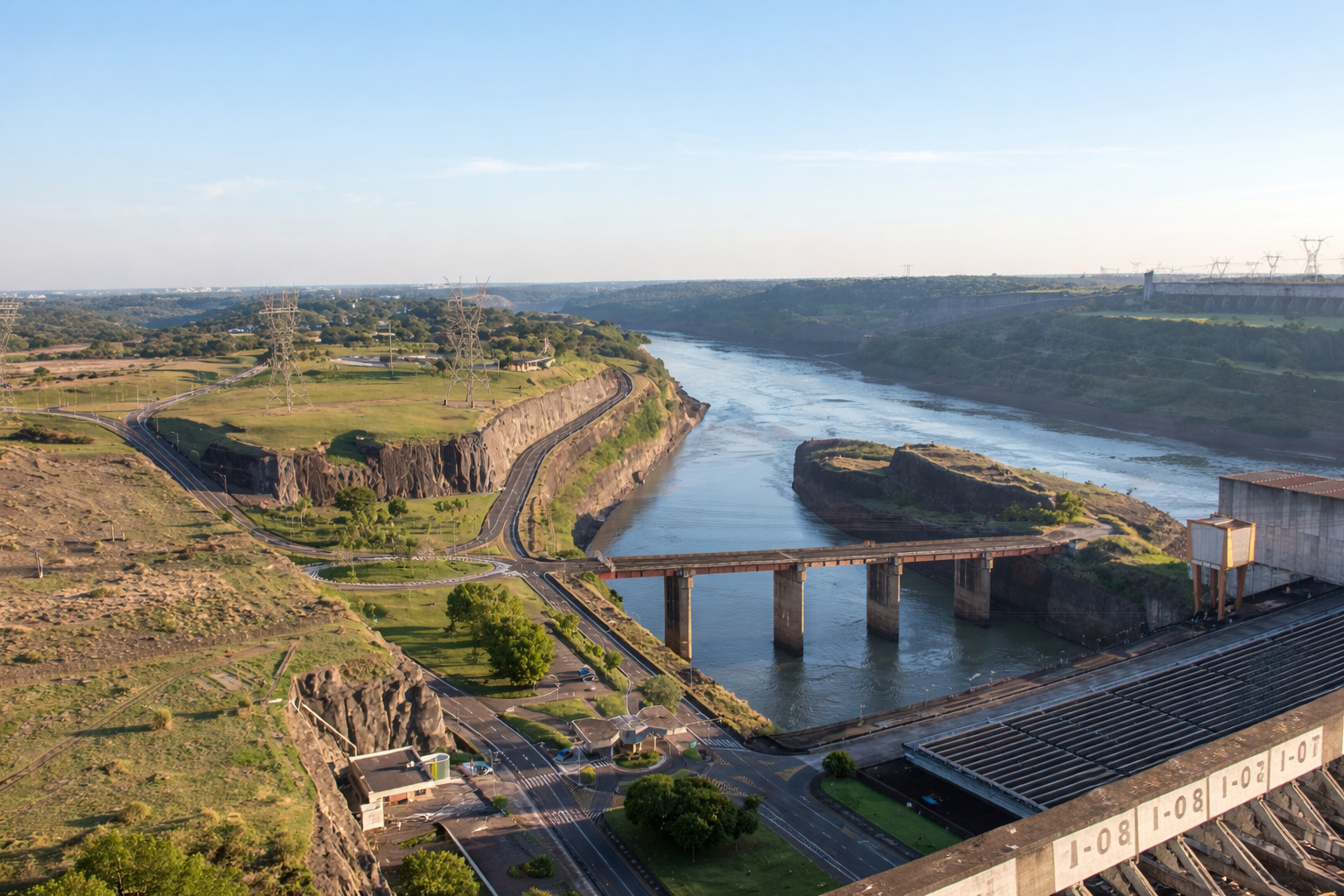
Itaipu Impresses the World: Hydroelectric Plant with 20 Turbines and 14,000 MW Generates Over 2.9 Billion MWh and Leads Global Clean Energy Production
-
Aneel Revokes CMAA Thermal Power Plants After Network Restrictions and Excess Energy in the System

-
13-Year-Old Scientist Creates Clean Energy Device For Just R$ 16, Wins $25,000 Prize And Surprises The World With Affordable Solution


The initiative arose because the main sources of clean energy are thousands of kilometers away.
Thus, the endeavor has become strategic not only because of its size but also due to its critical function: balancing the electricity supply in a region that is home to more than one-fifth of the Chinese population and is the economic hub of the country.
Power Plant That Transforms Water Into Giant Battery
China built a skyscraper-sized dam within a system known as pumped storage hydropower, a technology that functions like a massive capacity battery.
In practice, it pumps water to an upper reservoir during times of excess energy and releases the flow when demand increases.
In the case of the Zhenjiang/Jurong Pumped Storage Power Plant, located in the Yangtze River Delta, this mechanism has reached unprecedented proportions.
The dam reaches 182.3 meters, a height equivalent to a 60-story building, making it the largest in the world in its category.
Additionally, the two reservoirs can hold 17.07 million cubic meters of water, a volume comparable to 6,800 Olympic-sized swimming pools.
China Built Skyscraper-Sized Dam to Supply Major Metropolises
The significance of the project is directly linked to the energy profile of eastern China. Shanghai, Nanjing, and Hangzhou rank among the cities that consume the most electricity in the country, driven by industries, transportation, commerce, and population density.
However, the northern and western regions produce renewable energy—especially solar and wind—more intensively, thousands of kilometers away.
Therefore, the pumped storage plant acts as an essential link between generation and consumption. It stores energy when production is high and releases it when demand increases, keeping the grid stable even during peak usage.
In this way, China built a skyscraper-sized dam to prevent blackouts and ensure continuous supply to urban centers that cannot afford to stop.
Impressive Capacity and Large-Scale Operation
In addition to its record height, the plant boasts numbers that demonstrate its robustness. The installed capacity reaches 1.35 million kilowatts (1,350 MW), sufficient to meet millions of consumers.
The estimated annual generation exceeds 13.5 billion kilowatt-hours, reinforcing its position as one of the most powerful structures ever built for energy storage.
According to Chinese authorities, full operation marks a significant advance in integrating renewable energy into the electrical matrix.
Milestone in China’s Energy Transition
Finally, experts highlight that China built a skyscraper-sized dam because it seeks structural solutions to increase the use of clean energy and reduce dependence on fossil fuels.
Pumped storage plants like the one in Jurong allow for better utilization of renewable production, especially on days with higher solar and wind supply.









Seja o primeiro a reagir!