





 Portuguese
  English
  Spanish
  4 min of reading
  0 comments


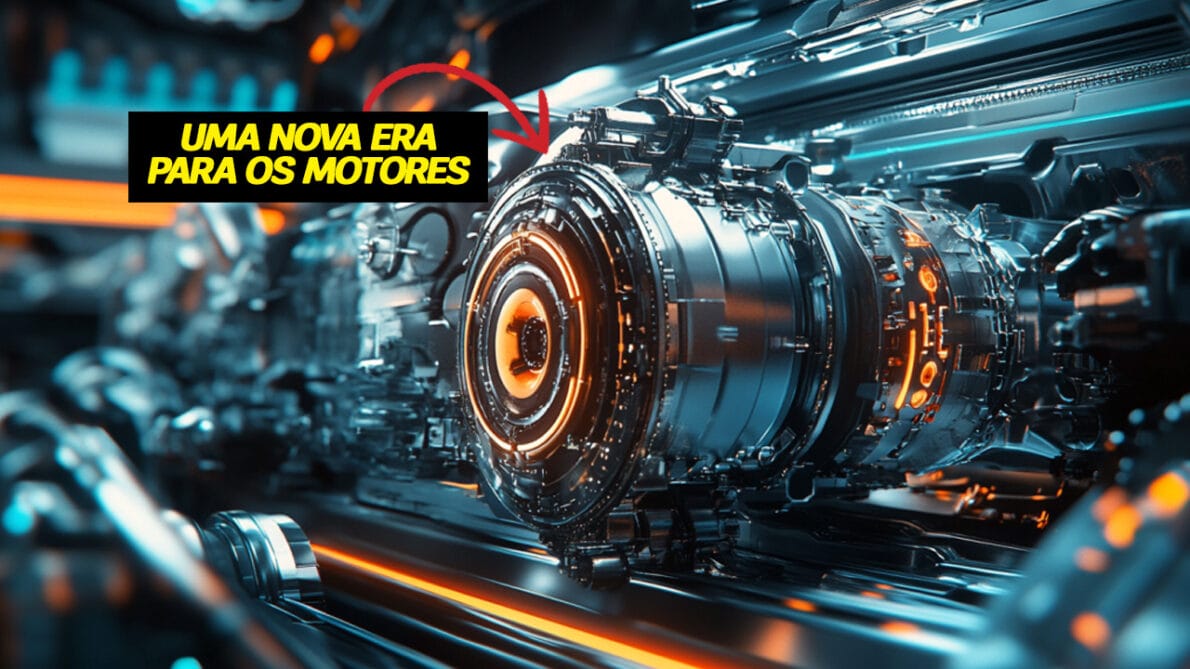
The Chinese Electric Mobility Giant Launches the Quark Electric Drive 2.0 and Challenges Ford and Toyota. With a billion-dollar investment in Brazil, the brand promises to transform the national automotive industry.
As the global automotive industry prepares for a new era, a Chinese giant emerges to transform electric mobility.
The GAC, officially known as Guangzhou Automobile Group, is about to launch an electric motor that promises to revolutionize the sector and shake up major competitors like Toyota, Ford, and Honda.
The news stirring the sector is the billion-dollar investment the company will make in Brazil to expand its operations and bring this innovative technology to the country. But are we ready to welcome this revolution?
-
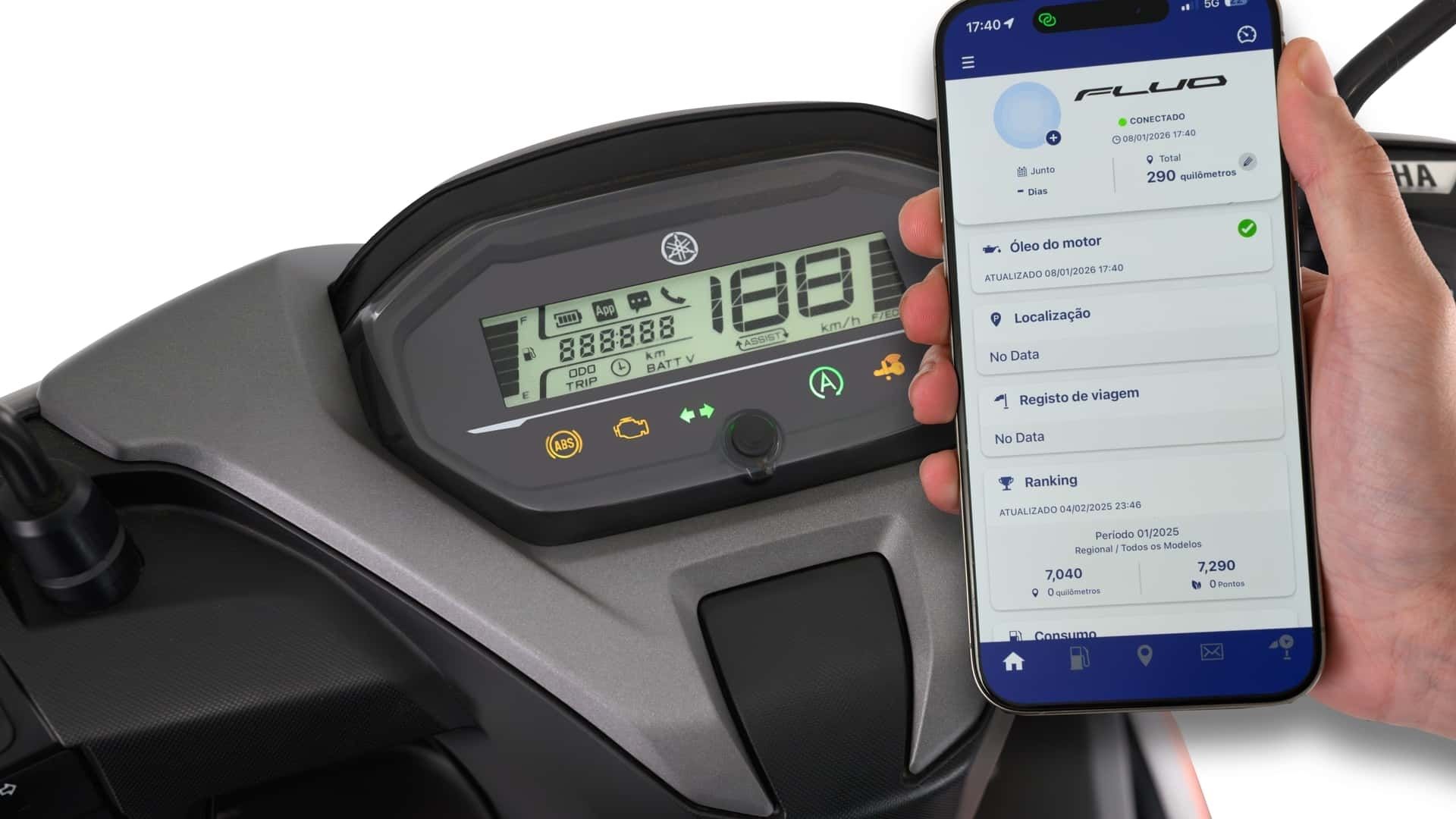
Costing R$ 16,000, the new Yamaha features a 125 cc hybrid engine with electric assistance, delivers 8.3 hp, includes ABS, optimized fuel consumption, Y-Connect connectivity, 25 liters of storage space, and a surprising 4-year warranty in the urban segment.
-
OMODA & JAECOO grows in Europe in 2026 with an integrated strategy of sales, innovation, local production, and technological advancement in the United Kingdom, Italy, and Spain.
-
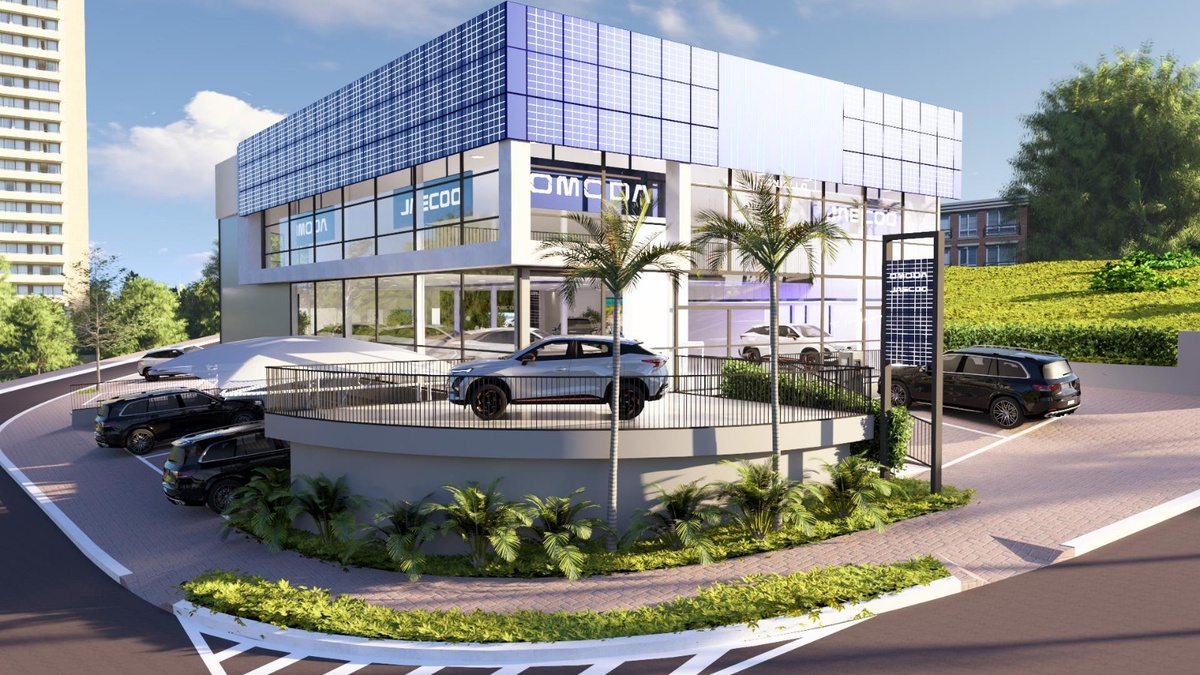
OMODA & JAECOO expands after-sales service in Brazil with competitive maintenance, a 7-year warranty, and high availability of parts for technological SUVs.
-
OMODA & JAECOO appoints Alessandra Souza as executive marketing director in Brazil and accelerates brand expansion with a focus on innovation, networking, and hybrid portfolio.

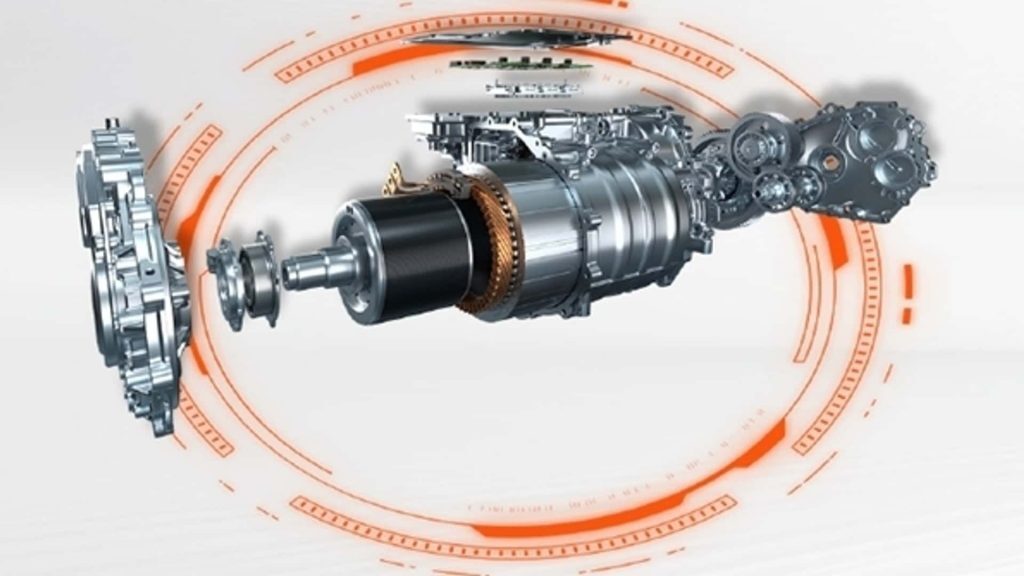
The new engine from GAC, named Quark Electric Drive 2.0, promises to impress not only with its remarkable performance but also with the materials used in its construction.
It is made of a flexible metal known as “amorphous soft magnet,” which is up to 100 times more permeable than common steel.
Additionally, the innovative technology promises to transform the performance of electric vehicles, achieving a record efficiency of 98.5%, figures that challenge the leading traditional manufacturers.
The Engine That Is Changing the Rules of the Game
According to the portal CarNewsChina, GAC claims that the Quark Electric Drive 2.0 not only promises superior efficiency and performance but also innovates in engineering terms.
The engine achieves a power density of 13 kW/kg and reaches a remarkable 30,000 revolutions per minute (rpm).
These numbers put the Chinese engine ahead of the most advanced models from Toyota, Ford, and Honda, further intensifying competition in the global electric vehicle market.
Moreover, the company states that the engine can enhance the range of electric vehicles by up to 50 km and plug-in hybrids by up to 150 km, data that indicates a significant improvement over technologies currently on the market.
This range advantage is particularly relevant for markets like Brazil, where distances are vast and charging infrastructure is still expanding.
Expansion to Brazil: The Investment of R$ 5.5 Billion
GAC is making a big bet on the Brazilian market with an investment of approximately R$ 5.5 billion, which will be allocated over the next five years.
According to information confirmed in September 2024, the goal is to create a complete structure that includes production units and a research and development center.
In a meeting in Beijing, which included the presence of Brazil’s Vice President, Geraldo Alckmin, and GAC’s President, Feng Xingya, it became clear that this partnership will play an essential role in establishing the brand in Brazil.
The investment will be a milestone for the national automotive industry, focusing on adapting the technology to the specific challenges of the Brazilian market.
Challenges and Expectations for the National Market
The arrival of GAC in Brazil represents a strategic opportunity for the country, which seeks to establish itself as a hub of innovation in electric mobility.
According to the company, the expansion will include the construction of factories that can produce vehicles with the Quark Electric Drive 2.0 technology, as well as research centers to develop solutions suitable for Brazilian reality.
This movement positions GAC as a potential competitor to brands like Tesla, Nissan, and Volkswagen, which have also heavily invested in innovation and sustainable mobility.
The major differentiator for GAC, however, lies in the use of flexible metal and the promise of greater efficiency.
The entry into Brazil demonstrates the company’s ambition to become a global leader, using the country as a platform for expansion throughout Latin America.
A Promising Future or a Challenge for Brazil?
With so many innovations, GAC is about to transform the automotive market, not only with the Quark Electric Drive 2.0 but also with a new approach to production and research that could bring significant benefits to the country.
This billion-dollar investment reinforces the company’s commitment to technology and to the development of a new generation of electric vehicles.
Now, the question remains: is Brazil prepared for this revolution in the automotive industry? Leave your comment below and share your expectations on how GAC may impact the national market.







Seja o primeiro a reagir!