





 Portuguese
  English
  Spanish
  3 min of reading


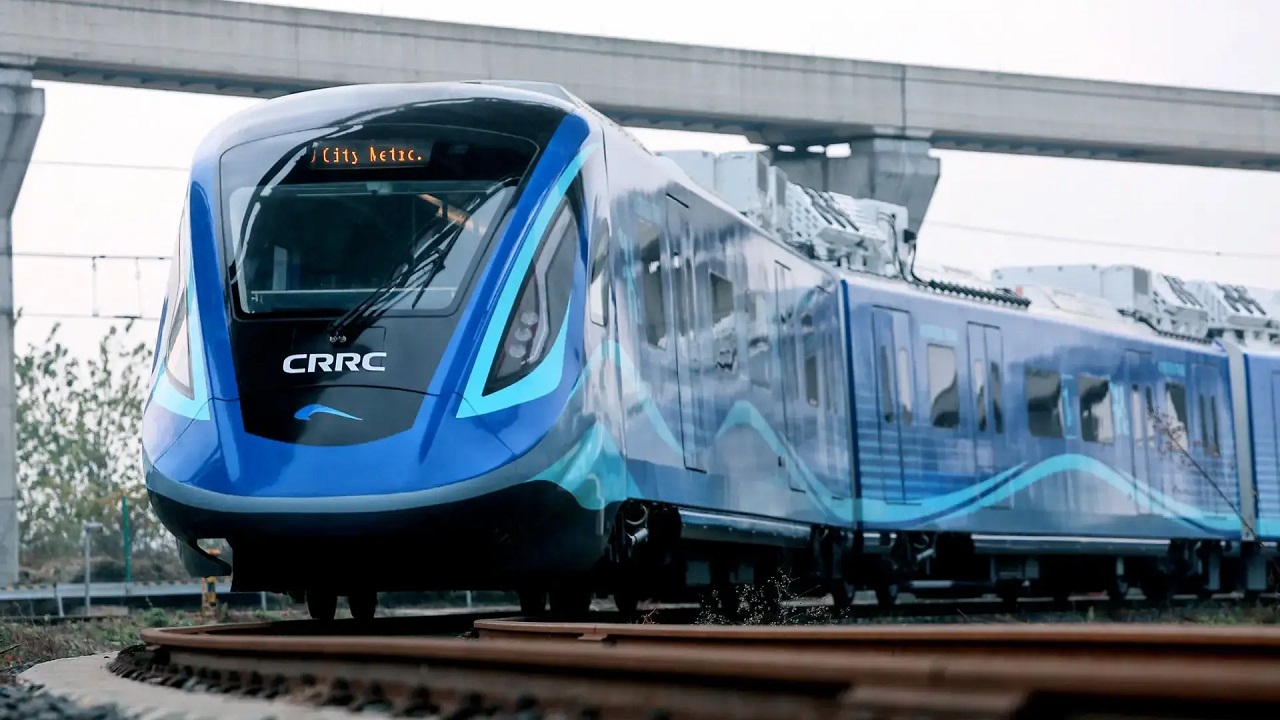
China Developed The World’s First Urban Hydrogen-Powered Train, With A Capacity To Reach 160 Km/h And A Range Of 500 Kilometers Per Charge.
According to data, the world’s first hydrogen-powered train was produced through a joint venture between CRRC Changchun Railway Company and Chengdu Rail Transit. While there are other hydrogen-powered trains, this is the first developed with a focus on the urban environment.
Hydrogen-Powered Train Can Reach 160 Km/h


Last Wednesday (January 18) of this year, the train came off the assembly line in Chengdu, Sichuan Province, in southwest China, according to reports from Chinese media. The vehicle is capable of reaching 160 km/h and uses basic technology from the Fuxing bullet train.
The Fuxing is a high-speed bullet train by China Railway Corporation. It is also called “Rejuvenation.” The Fuxing train began operations in 2017, reaching speeds of up to 350 km/h, making it one of the fastest trains in the world. They are developed to operate on the country’s high-speed rail network and have been used on various essential routes, such as the Beijing-Shanghai and Beijing-Guangzhou lines.
-
A French brand placed a car on four huge red balloons to prove that its suspension made the vehicle “float,” and the surreal scene became one of the most iconic and unusual images in automotive history.

-
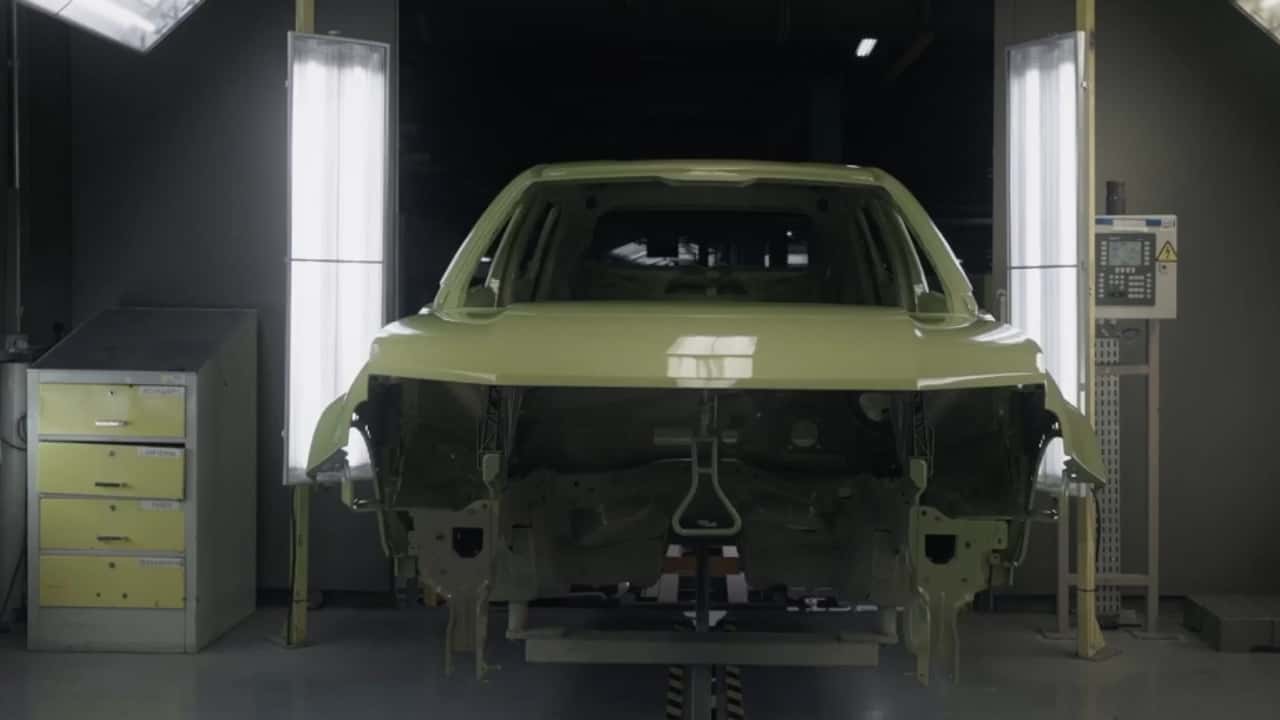
Jeep Avenger begins production in Brazil, debuting as the brand’s new entry-level SUV and inaugurating an unprecedented phase by becoming the first national Jeep manufactured outside of Goiana, as part of a R$ 3 billion plan.
-
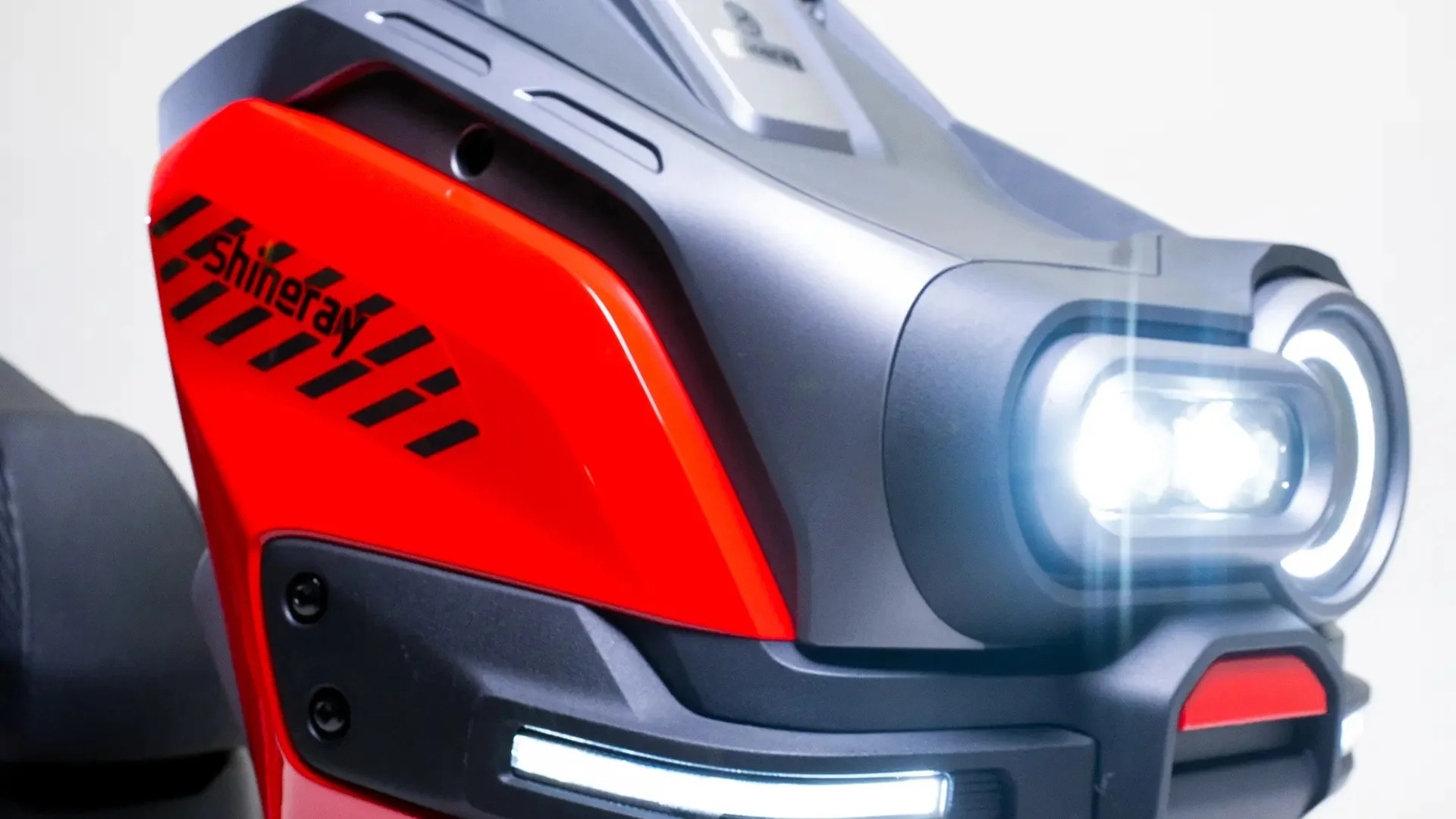
Costing R$ 12,490, the new Shineray Urban Lite 150 “cheap one” arrives in Brazil with a CVT transmission, digital dashboard, and LED lights, making it more affordable than the Biz and targeting those who want to abandon the bus.
-
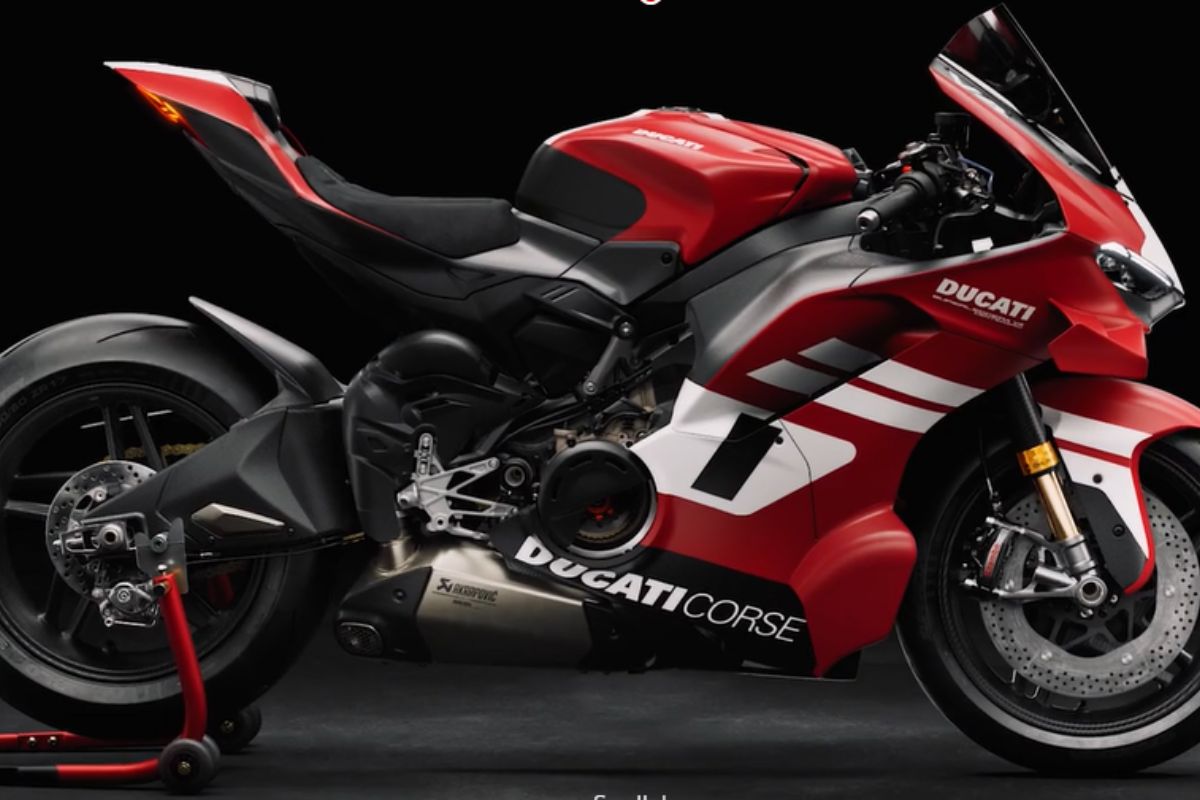
Ducati brings to Brazil the Superleggera V4 Centenario: 228 hp that become 247 with a track kit, carbon fiber and carbon-ceramic brakes, estimated price between R$ 1.5 and 2 million, deliveries only in 2027.


They have aerodynamics, consume less energy, and offer more amenities for passengers, such as power outlets and Wi-Fi. Other media sources from China report that the train has integrated hydrogen energy technology, a reliable and robust power source with a range of 600 km. Hydrogen is viewed as a clean energy source since water vapor is the only byproduct when the fuel is burned.
Moreover, it does not generate harmful pollutants or greenhouse gases, such as carbon dioxide or sulfur dioxide, associated with fossil fuel combustion. Hydrogen can also be generated through various sources, including renewables like wind, hydropower, and solar energy, further expanding its potential as an clean energy option.
Understand How The Green Hydrogen Train Works
For the hydrogen train from China, a hydrogen fuel cell and a supercapacitor were placed in place of the old catenary power source. According to the media, the electrochemical reaction of hydrogen and oxygen generates energy in a hydrogen fuel cell, the only byproduct of the reaction is water, and no nitrogen or sulfur byproducts are generated.
The reaction process is also stable and quiet. Experts pointed to a study highlighting that a hydrogen-powered train traveling at 160 km/h can go back and forth 500 km in just one day. This could reduce CO2 emissions by more than 10,000 kg per year.
Furthermore, since the train is no longer limited by catenary operation, urban vehicles can be used for various other purposes. This can be accomplished without significant investments in infrastructure and maintenance costs associated with electrification transition projects.
China Will Have 50,000 Hydrogen-Powered Vehicles By 2025
The China claims to have an ambitious goal of encouraging the growth of the hydrogen energy sector. According to a plan presented by the National Energy Administration (NEA) National Development and Reform Commission in March of last year, the country will have approximately 50,000 hydrogen-powered vehicles on the roads by 2025 and will produce between 100,000 and 200,000 metric tons of green hydrogen per year.
By the end of June last year, according to NEA data, China had about 270 hydrogen refueling stations, a relatively small network compared to the vast network of electric vehicle charging stations.










Seja o primeiro a reagir!