





 English
  Francês
  Alemão
  Italiano
  Japonês
  Norueguês
  Portuguese
  Spanish
  5 min of reading
  0 comments


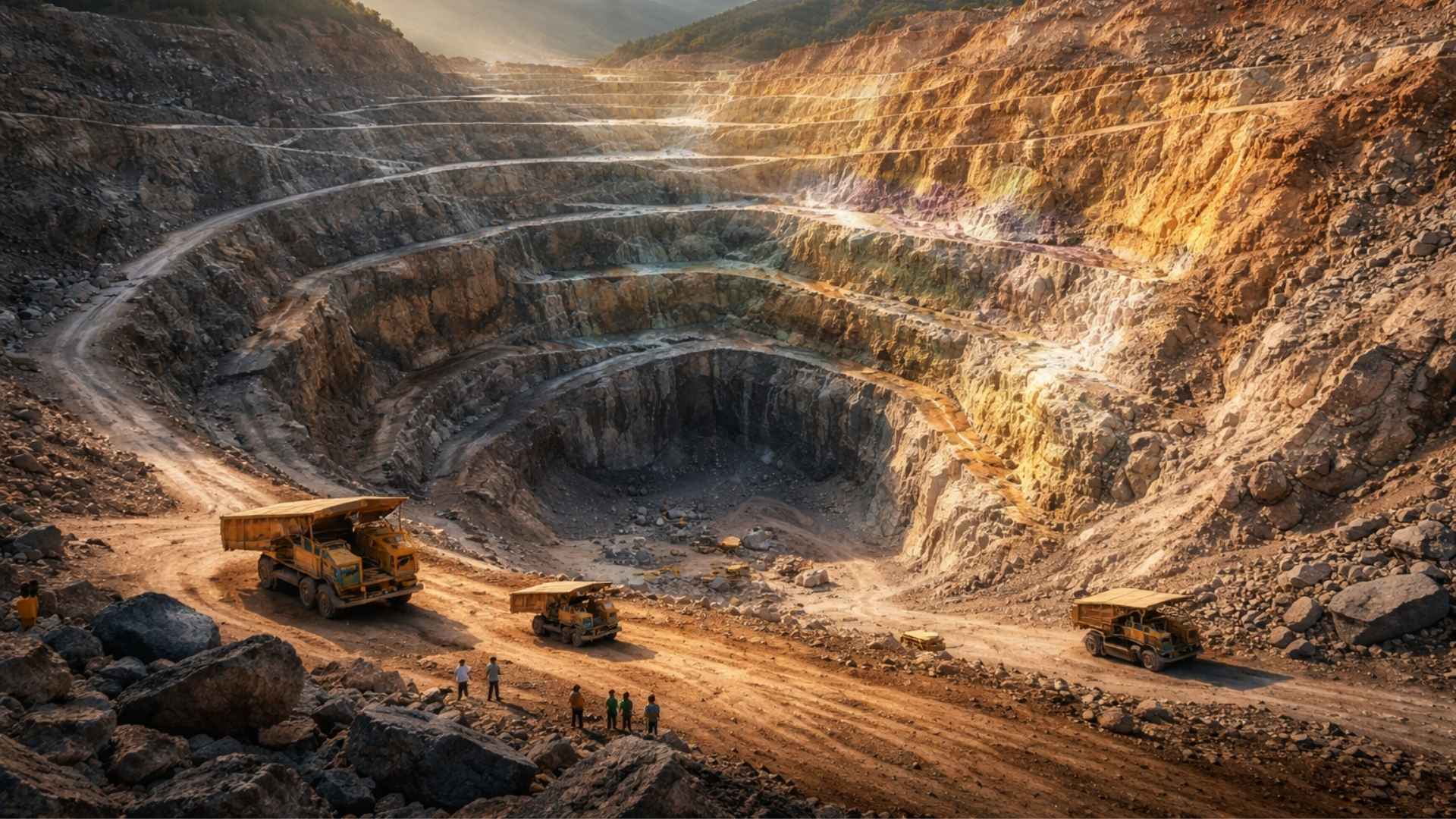
Discovery expands Chinese strategic reserves and strengthens global influence in critical industrial chains related to technology, clean energy, and defense, involving essential minerals like rare earths, fluorspar, and barite, which sustain advanced industrial sectors and growing geopolitical disputes.
China announced this March the expansion of strategic reserves identified at the Maoniuping mine in Mianning, Sichuan province, in a move that reinforces the country’s weight in decisive industrial chains for advanced technology, energy transition, and defense.
The new official data confirms 9.666 million tons of rare earth oxides, raising the proven total for the area to about 10.4 million tons, in addition to 27.135 million tons of fluorspar and 37.228 million tons of barite.
With this volume, Maoniuping ranks among the largest known deposits of light rare earths in the world and further consolidates China’s centrality in a segment considered sensitive by governments and companies.
-
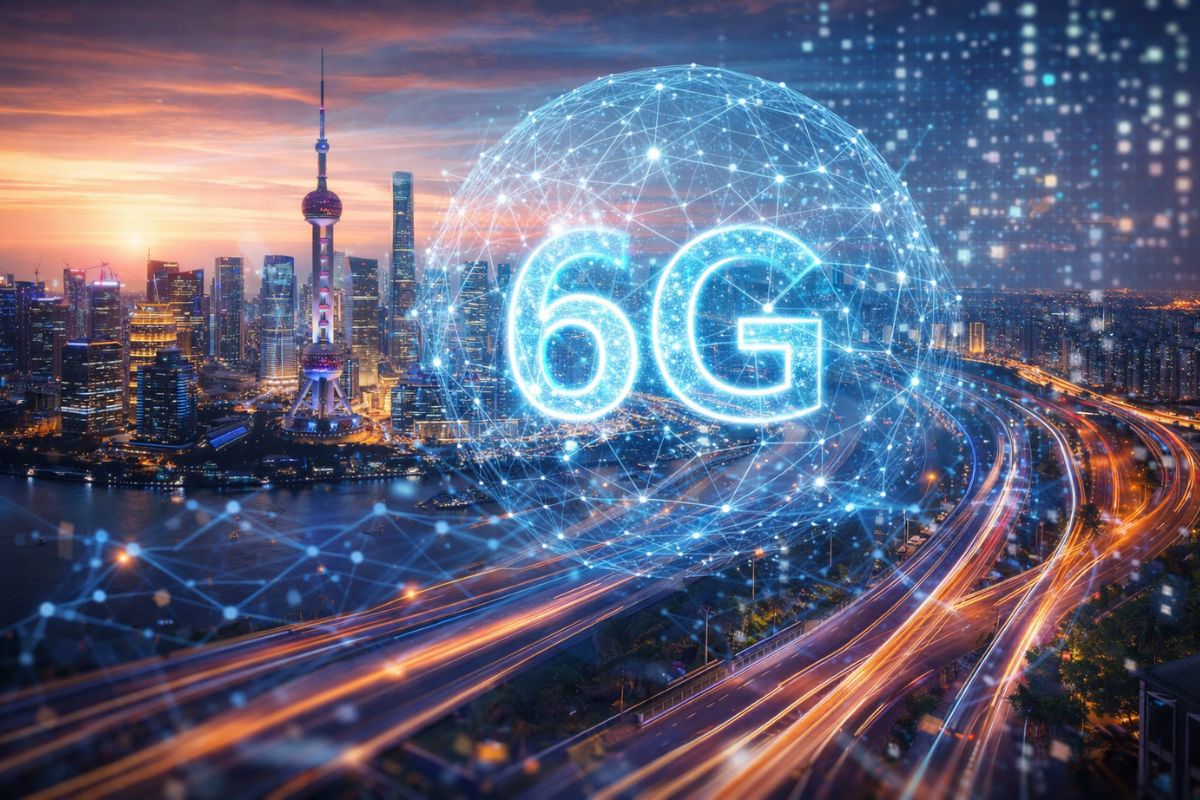
China began working on 6G in 2019 when commercial 5G barely existed and now leads the world in patents for a technology that promises speeds 100 times greater, and no country wants to be left out.
-
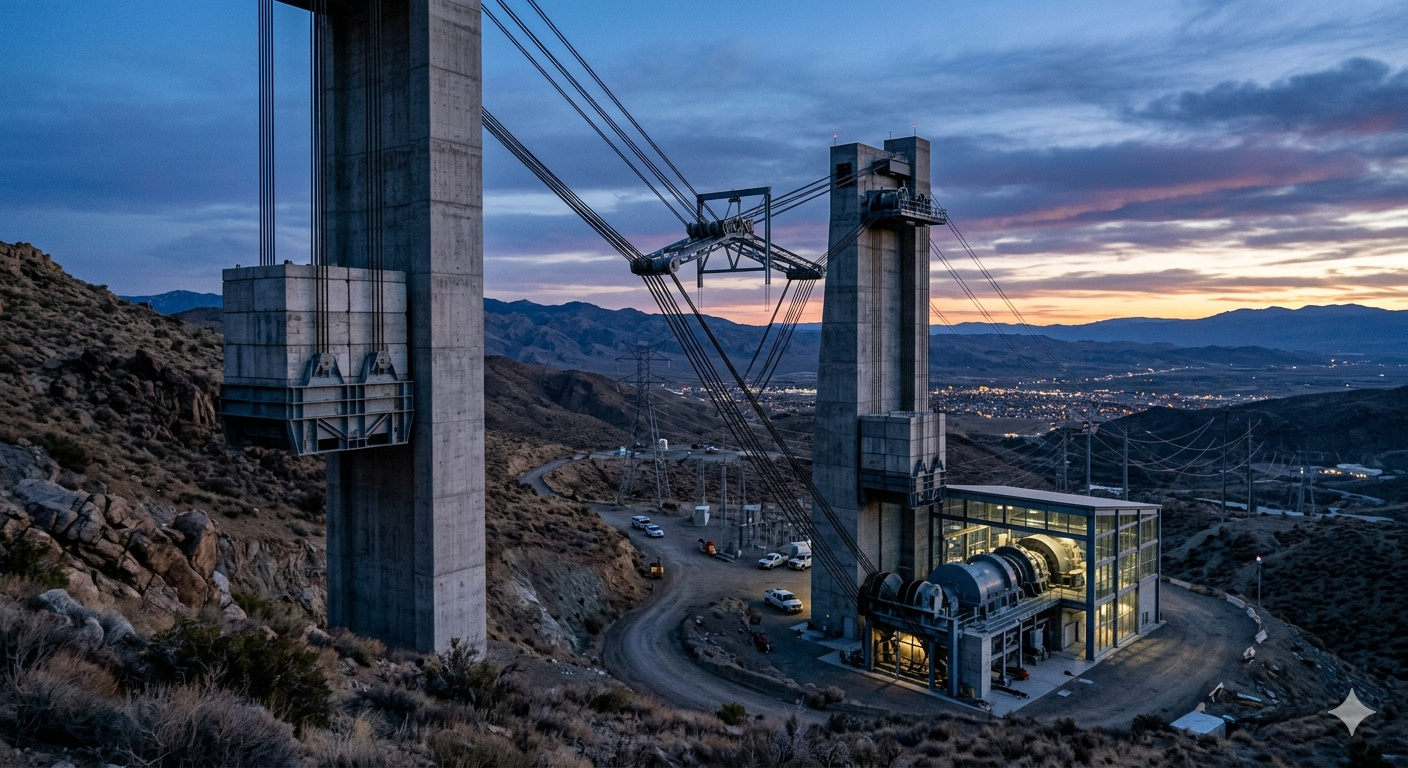
Around 500,000 abandoned coal mines could be turned into giant batteries using only sand and gravity, studies indicate a potential of up to 70 TWh of storage, with China, India, and the USA concentrating enough capacity to power entire cities without needing to build anything new.
-
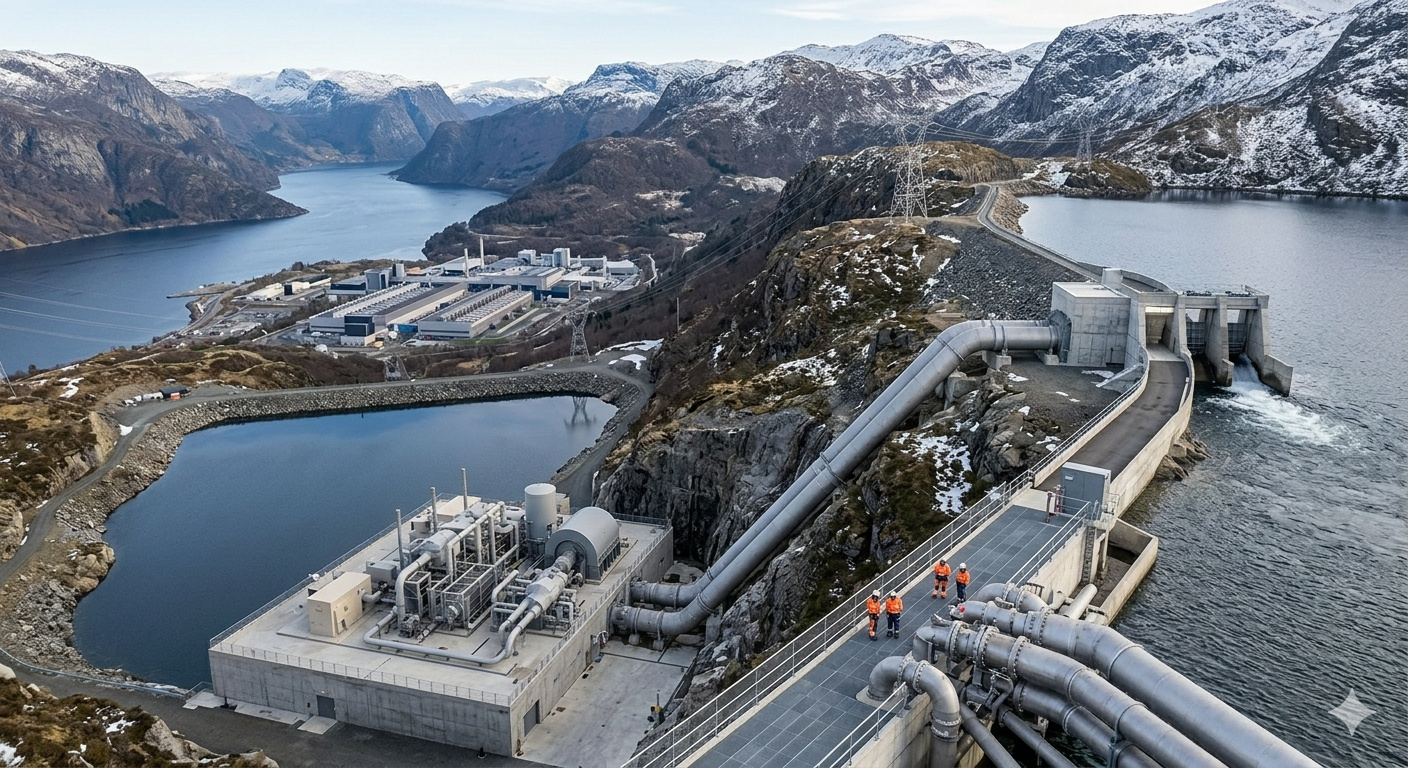
While the world bets on lithium, Norway invests over R$ 1.3 billion in a “water battery” that pumps energy 360 meters up the mountain, stores up to 107 GWh, and ensures stable electricity for the aluminum industry during the winter.
-
At 640 light-years from Earth, Betelgeuse revealed in 2025 a secret hidden for decades: a possible companion star with up to 1.5 solar masses orbiting the supergiant every ~6 years, unprecedented evidence that may explain its brightness variations without indicating an imminent supernova.


The announcement was made based on information from the Chinese Ministry of Natural Resources and reproduced by state media and the regional press in Hong Kong, which highlighted the jump of over 300% in the estimated reserves of the project.
Discovery in Sichuan expands reserves of strategic minerals
The discovery in Sichuan is not limited to rare earths, which attract most of the international attention.
In the same mineral district, surveys also identified deposits classified by Chinese authorities as large for fluorspar and barite, two inputs less known to the public, but widely used in high value-added industrial chains and in critical activities for heavy industry.
According to Wang Denghong, director of the Mineral Resources Institute of the Chinese Academy of Geological Sciences, the combined presence of these three mineral groups in the same venture enhances the economic and strategic relevance of the area.
The official assessment emphasizes that the result also serves as a showcase for new exploration models in geologically complex terrains, at a time when Beijing is trying to enhance the security of supply of inputs considered essential.
Rare earths and their role in technology and clean energy
Rare earths are a set of elements widely used in permanent magnets, fluorescent materials, metal alloys, and high-performance components.
In practice, they are used in products such as electric vehicles, wind turbines, consumer electronics, and military systems, which helps explain why the expansion of reserves in Maoniuping resonates beyond the mining sector and reaches industrial policy and national security in various economies.
The Chinese weight in this market was already significant before the announcement.
According to the U.S. Geological Survey, China accounted for about 270,000 tons of global rare earth production in 2024, out of an estimated total of 390,000 tons, and held 44 million tons in reserves, the largest national volume reported by the agency.
This situation helps to gauge why each new confirmed deposit in the country alters the international reading on supply, price, and external dependence.
In addition to mining, Chinese influence extends to the processing stage, considered even more sensitive due to its concentration of technology, industrial capacity, and commercial dominance.
The International Energy Agency has been warning that minerals like rare earths carry a high geopolitical risk because production and refining remain concentrated in a few countries, while the capacity to respond to supply disruptions remains limited in the face of the advancement of electromobility and the expansion of renewable energies.
Fluorspar and barite gain industrial relevance
Fluorspar, also known as fluorspar in international markets, has gained traction in discussions about critical minerals because it is a raw material for hydrofluoric acid and for compounds used in semiconductors, batteries, and a range of advanced chemical processes.
Documents related to projects supported by Japan and the United States and technical publications show that this input is associated with both chip manufacturing and the lithium-ion battery supply chain, especially in electrolytes and other fluorinated materials.
Barite, on the other hand, maintains a classic but still decisive role in the oil and gas industry.
The main global use of the mineral is as a weighting agent in drilling fluids, helping to control pressures in wells and reduce operational risks during extraction.
Technical sources indicate that this application remains dominant, which gives the discovery in Sichuan relevance also for segments less associated, at first glance, with the energy transition debate.
Geopolitical impact of critical minerals
The announcement comes in an international environment where critical minerals have ceased to be merely a matter of foreign trade and have begun to integrate economic security strategies.
In recent years, governments in the United States, Europe, Japan, and other industrialized economies have expanded initiatives to diversify suppliers and reduce excessive dependencies, especially in items that affect sectors such as clean energy, automotive industry, electronics, and defense.
In this context, the expansion of reserves at Maoniuping tends to strengthen China’s negotiating position in production chains already marked by high concentration.
Although a mineral discovery does not automatically convert into immediate supply to the international market, the mere increase in proven reserves already weighs on importers’ risk perception and reinforces the country’s long-term planning capacity.
This perspective appears strongly in recent analyses published after the official announcement of the find.
What changes for the global minerals market
In the short term, the discovery expands the available geological stock in a country that already leads global supply and remains central to the industry of magnets, batteries, electronics, and military applications.
In the medium and long term, the most relevant effect may be the signal given to the market.
China continues to find scale, mineral diversity, and institutional capacity to sustain its advantage in a sector where competitors are trying to advance but still face higher costs, lower refining capacity, and projects that take years to materialize.
At Maoniuping, the combination of rare earths, fluorspar, and barite makes the deposit something broader than a large isolated deposit.
It brings together, in the same mineral asset, inputs related to advanced manufacturing, energy infrastructure, the chemical industry, and oil and gas, which explains why the discovery was treated by Chinese authorities as a direct reinforcement to national resource security and why the announcement resonated so quickly outside of China.





Seja o primeiro a reagir!