





 Português
  Inglês
  Espanhol
  3 min de leitura
  0 comentários


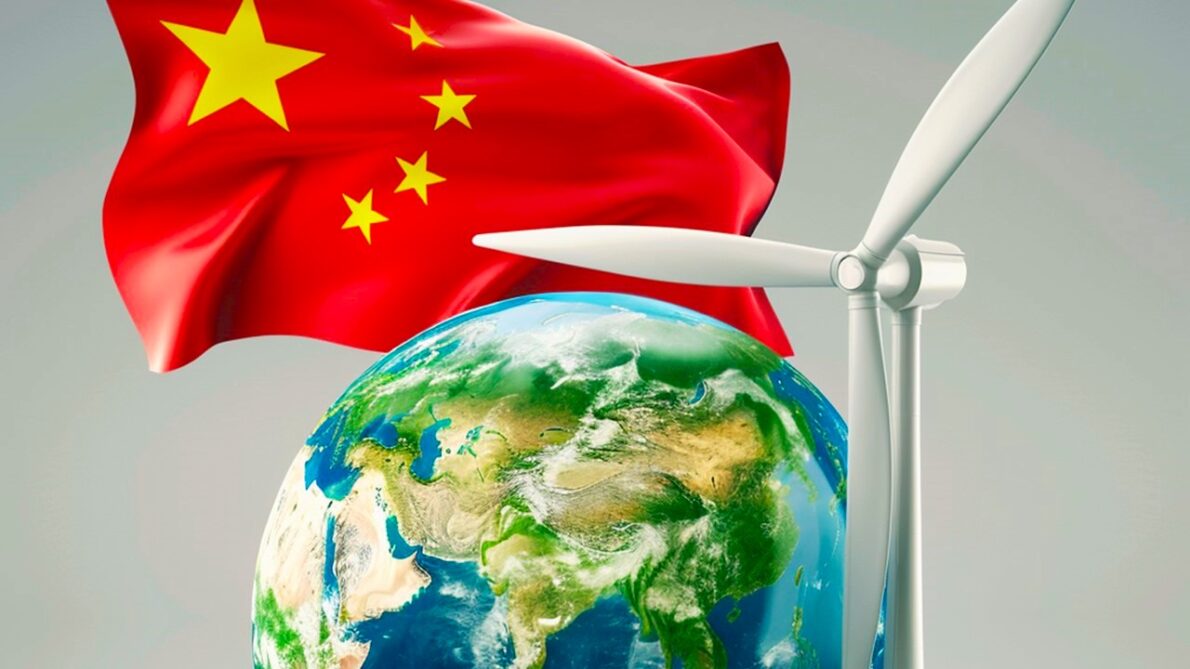
Asian Country Builds Two-Thirds of Global Projects and Positions Itself as a Power in Renewable Energy
China, known for its rapid industrial and economic growth, is now standing out as a global leader in renewable energy. The trend is that the country will significantly increase its wind and solar energy capacity by 2030, consolidating its leadership position in the sector, according to the website IGN.
China Advances in Renewable Energy
A recent survey by the NGO Global Energy Monitor (GEM) revealed that China currently has 180 gigawatts (GW) of solar power under construction and 159 GW of wind power. Together, these projects total 339 GW, nearly double what the rest of the world is building. To put it into perspective, the United States has only 40 GW under construction.
Understand Why China Is a Leader in Sustainable Energy

Researchers focused on energy farms with more than 20 GW, suggesting that the actual amount of renewable energy under construction in China may be even higher. “The uninterrupted wave of construction ensures that China will continue to lead the installation of wind and solar energy in the near future, far ahead of the rest of the world,” states the GEM report.
-
Renewable energy advances over protected areas in Brazil, and a survey by the Energy Transition Observatory reveals silent impacts that challenge environmental conservation and pressure sensitive traditional territories.

-
Rio Grande do Sul accelerates energy transition: State invests in renewable technologies and consolidates decarbonization strategies and pathways to attract billions in new industrial investments.

-
With 160,000 m² of collectors, an area larger than 20 football fields, Silkeborg, in Denmark, hosts a solar thermal plant that heats 19,500 homes and could become the largest solar heating plant in the world.

-
A study reveals the expansion of renewable energy procurement in Brazil and shows how companies are taking advantage of opportunities to reduce expenses, ensure energy efficiency, and strengthen strategic environmental commitments.


Ambitious Goals for 2030
Previous studies indicate that China needs to install between 1,600 GW and 1,800 GW of wind and solar energy by 2030 to reach its goal of producing 25% of all energy from non-fossil sources. With robust projects underway, the country is on track to achieve this ambitious goal.
China’s Strategy for Leadership in Renewable Energy
China’s advancement in renewable energy is not only a response to domestic demand but also a global strategy. The vast production capacity of equipment and the rapid implementation of projects are crucial factors for this leadership.
China invests heavily in infrastructure and cutting-edge technology to support the expansion of its renewable energies. With a well-organized system, the country can execute large-scale projects efficiently. Furthermore, technological innovation enables China to reduce costs and increase the efficiency of its wind and solar energy installations.
Government Policies and Incentives
The Chinese government plays a key role in the success of renewable energies. Favorable policies, tax incentives, and subsidies for clean energy projects are some of the strategies adopted to promote the sector. These measures not only attract investments but also encourage the adoption of sustainable technologies.
China’s leadership in renewable energy has a significant impact on the global landscape. By reducing its reliance on fossil fuels, the country contributes to the reduction of greenhouse gas emissions, helping to combat climate change. Additionally, China serves as an example for other nations, demonstrating that it is possible to combine economic growth with environmental sustainability.









Seja o primeiro a reagir!