





 Portuguese
  English
  Spanish
  4 min of reading
  0 comments


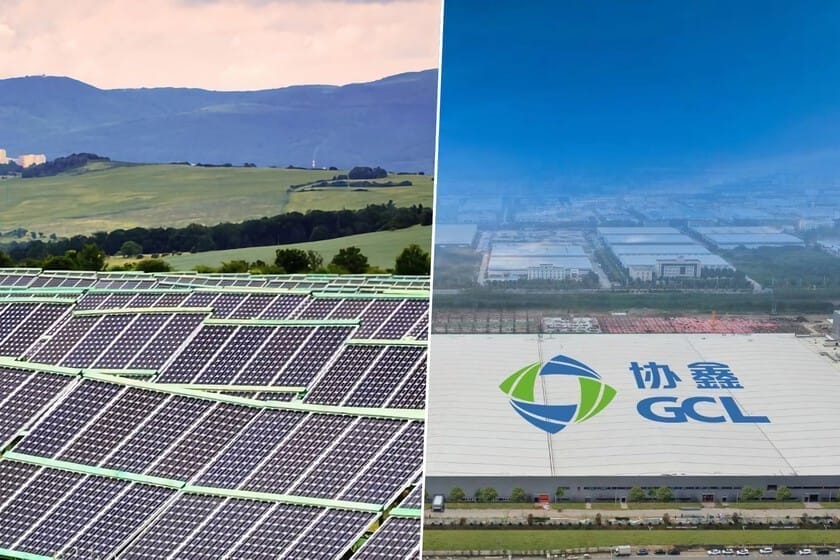
The Future Of Solar Energy In China Is At Stake. With The Crisis In The Sector, The Government Is Seeking Solutions To Maintain Global Leadership
After two decades of uninterrupted growth, the Chinese solar energy industry is going through a crisis. Many companies in the sector are losing money, and some may end up closing, even with China alone dominating the global market and installing more capacity than any other country.
Surplus Of Solar Panel Factories
The production capacity of the Chinese solar sector has tripled in a short time. There are many factories producing solar panels and other photovoltaic components, leading to a drop in prices and profits in the sector. Supply far exceeds demand, and projects equivalent to 70 gigawatts of solar capacity have already been canceled.
The Ice Age Of The Photovoltaic Sector
GCL Technology — the second-largest solar company in China and one of the largest in the energy sector — has asked for help from the state. Its founder, Zhu Gongsha, states that prices along the entire production chain (from silicon to photovoltaic modules) have fallen below costs, meaning companies are losing money on every sale. Zhu says that China’s solar industry has “entered its Ice Age” and requires state support.
-
Renewable energy advances over protected areas in Brazil, and a survey by the Energy Transition Observatory reveals silent impacts that challenge environmental conservation and pressure sensitive traditional territories.

-
Rio Grande do Sul accelerates energy transition: State invests in renewable technologies and consolidates decarbonization strategies and pathways to attract billions in new industrial investments.

-
With 160,000 m² of collectors, an area larger than 20 football fields, Silkeborg, in Denmark, hosts a solar thermal plant that heats 19,500 homes and could become the largest solar heating plant in the world.

-
A study reveals the expansion of renewable energy procurement in Brazil and shows how companies are taking advantage of opportunities to reduce expenses, ensure energy efficiency, and strengthen strategic environmental commitments.


Government Intervention Request
China installs 60% of the world’s renewable capacity, but rising tariffs in the United States and recent European Union investigations into alleged unfair subsidies from Beijing are affecting exports, which could be the last straw. The founder of GCL has urgently requested intervention from the Chinese government to rescue the solar industry. Chinese companies dominate 80% of global production, yet major manufacturers like Longi and Trina Solar have begun shutting down production lines due to market conditions.
Relief Measures From Beijing
The government’s actions in response to the crisis have not taken long to appear. China will continue investing in domestic solar installations and reducing industry fees to alleviate the oversupply. However, the crisis is expected to persist at least until the end of the decade. A report from HSBC suggests that the Chinese government is trying to maintain production volume, even amid losses, to preserve jobs and meet development goals for its more advanced industries.
Impact Of Solar Energy On The Future Of China
Solar energy has been a fundamental pillar in China’s sustainable growth strategy. With increased production capacity and falling costs, China has managed to make solar energy a viable and economical option in many parts of the world. However, rapid growth has also brought significant challenges, such as the need to balance supply and demand and ensure the financial viability of companies in the sector.
The current crisis could be an opportunity for the Chinese solar sector to restructure and become more efficient. With government support, it is possible for companies to overcome current challenges and continue leading the global transition to cleaner and more sustainable energy sources. Solar energy, with its unlimited potential and positive environmental impact, will remain a crucial part of China’s and the world’s energy future.
The Role Of The Government In The Recovery Of The Solar Industry
Government intervention will be crucial for the recovery of the solar industry in China. Measures such as subsidies, tax incentives, and investments in research and development can help companies overcome the crisis and become more competitive. Additionally, the government can encourage international cooperation and the opening of new markets for Chinese solar products, mitigating the impact of tariffs and foreign investigations.
The future of solar energy in China will depend on the ability of the government and companies to adapt to the new market realities. With strategic planning and adequate support, China can not only overcome the current crisis but also strengthen its position as a global leader in renewable energy.
The Chinese solar industry faces significant challenges, but with the right measures, it is possible to turn the crisis into an opportunity for growth and innovation. Solar energy will continue to play a vital role in the sustainable development of China and in the global fight against climate change. With government intervention and the resilience of companies, China can emerge even stronger and consolidate its leading role in the global solar energy market.









Seja o primeiro a reagir!