





 English
  Francês
  Alemão
  Italiano
  Japonês
  Norueguês
  Portuguese
  Spanish
  3 min of reading


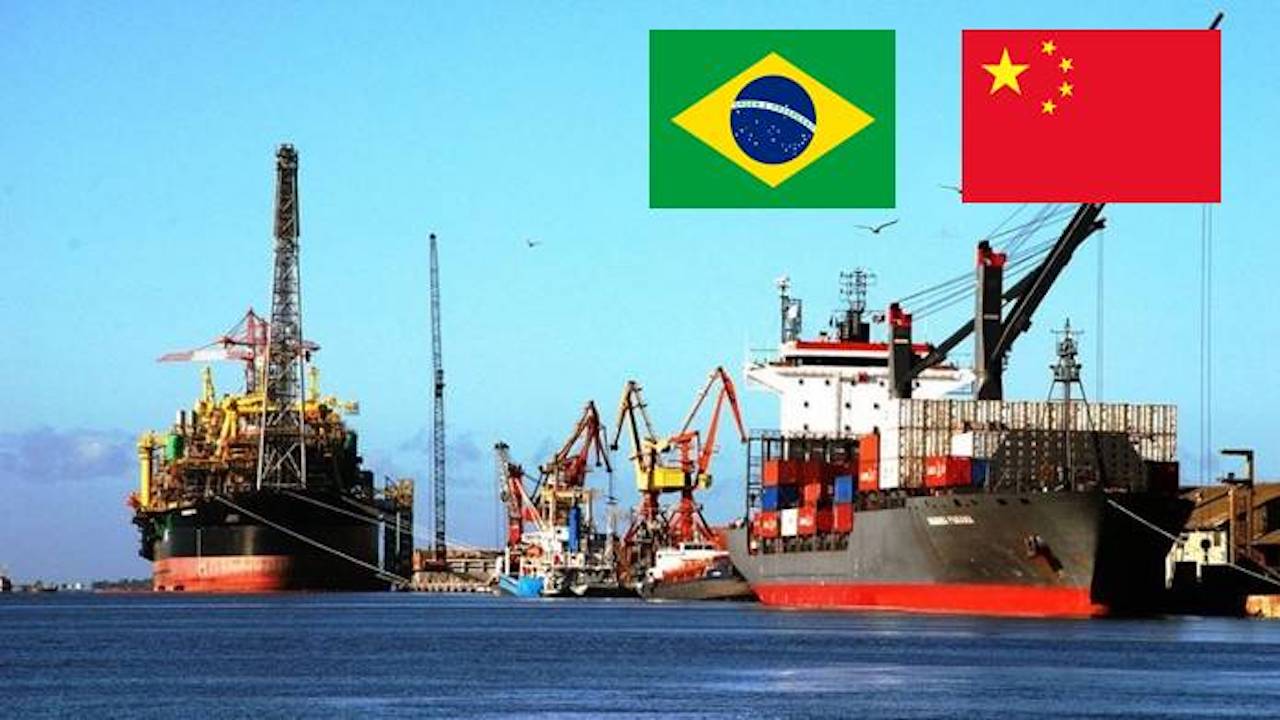
Iron Ore Sales to China Make Mineral Lead Brazil’s Export Ranking, Leaving Behind Crude Oil Exports
Although the news often gives more prominence to agricultural commodities when it comes to exports, iron ore remains firmly in the lead among the most exported products by Brazil, considering the transacted value. From January to November 2021, US$ 37.092 billion worth of the mineral was exported. The data comes from a study by Logcomex, a startup that provides big data and automation solutions for foreign trade.
Also Read
- After Being Accused of Plagiarism by Volkswagen for Manufacturing an Electric Copy of the Iconic Beetle, Chinese Automaker Challenges the German Company and Announces the Launch of the Chinese Electric Beetle in the Asian Market for March
- After Being Sued by Volkswagen for Plagiarism for Shamelessly Manufacturing an Electric Copy of the Iconic Beetle, Chinese Automaker Challenges the German Company and Announces the Launch of the Chinese Electric Beetle for March
- Converted in China and Commissioned at Drydocks Shipyard in Dubai, the FPSO Guanabara Finally Arrives in Brazil, the First of Four Petrobras Platforms Installed in the Third Largest Pre-Salt Field in the Santos Basin
- China, projected to have the world’s largest GDP (Gross Domestic Product) in 2030, changes a nearly 30-year rule and Allows Foreign Automakers in the Country to Manufacture 30 Million Vehicles by 2025; Decision Will Affect the Entire Global Automotive Industry
Asia accounted for more than 70% of the value of iron ore sales from Brazil. Approximately 64.5% of the exports were destined for China, 7% to Malaysia, 4% to Bahrain, and 3% each to Oman and the Netherlands.
The currency variation favored this growth and also provided more geological knowledge and enhanced the country’s potential in international representation.
-
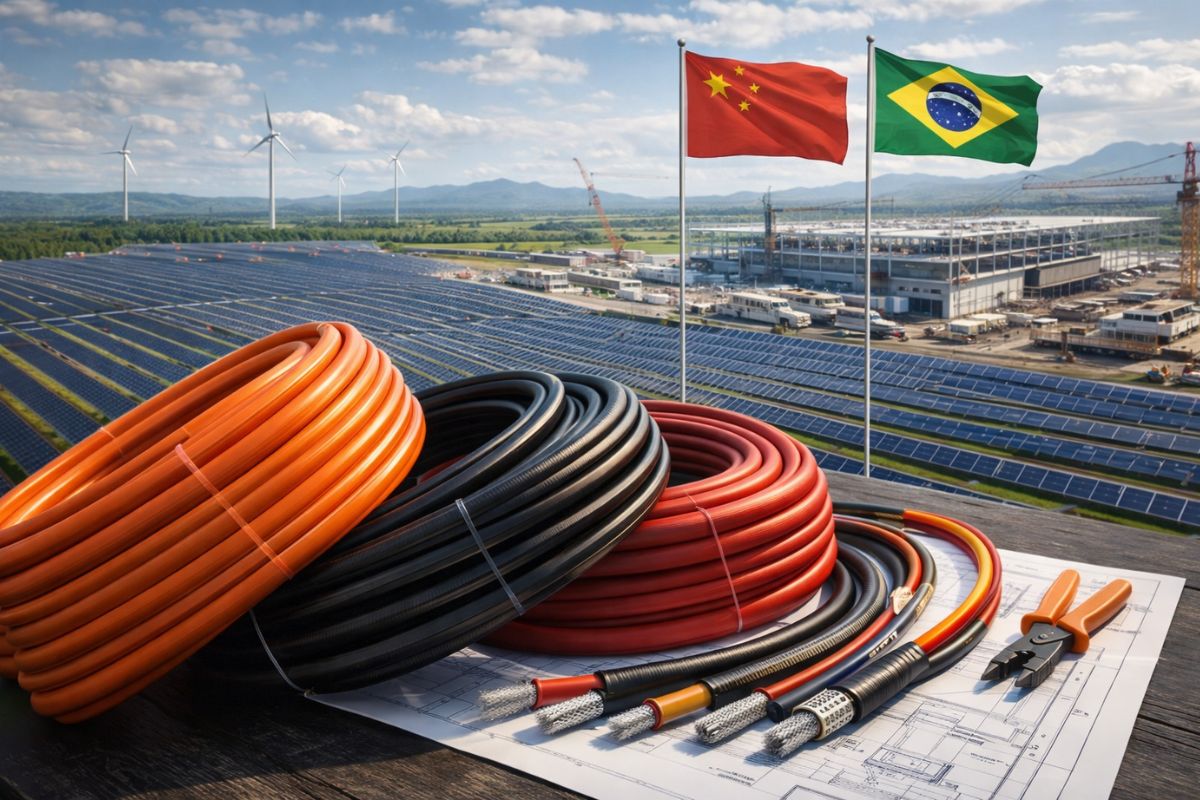
Chinese giant worth nearly R$ 4 billion that manufactures cables for electric cars, solar energy, and robotics wants to open a factory in SC.
-
Many employers do not know, but the law guarantees domestic workers a 25% increase in salary during trips, 50% for overtime, 20% for night shifts, and 17 additional benefits that can lead to labor lawsuits if not paid.

-
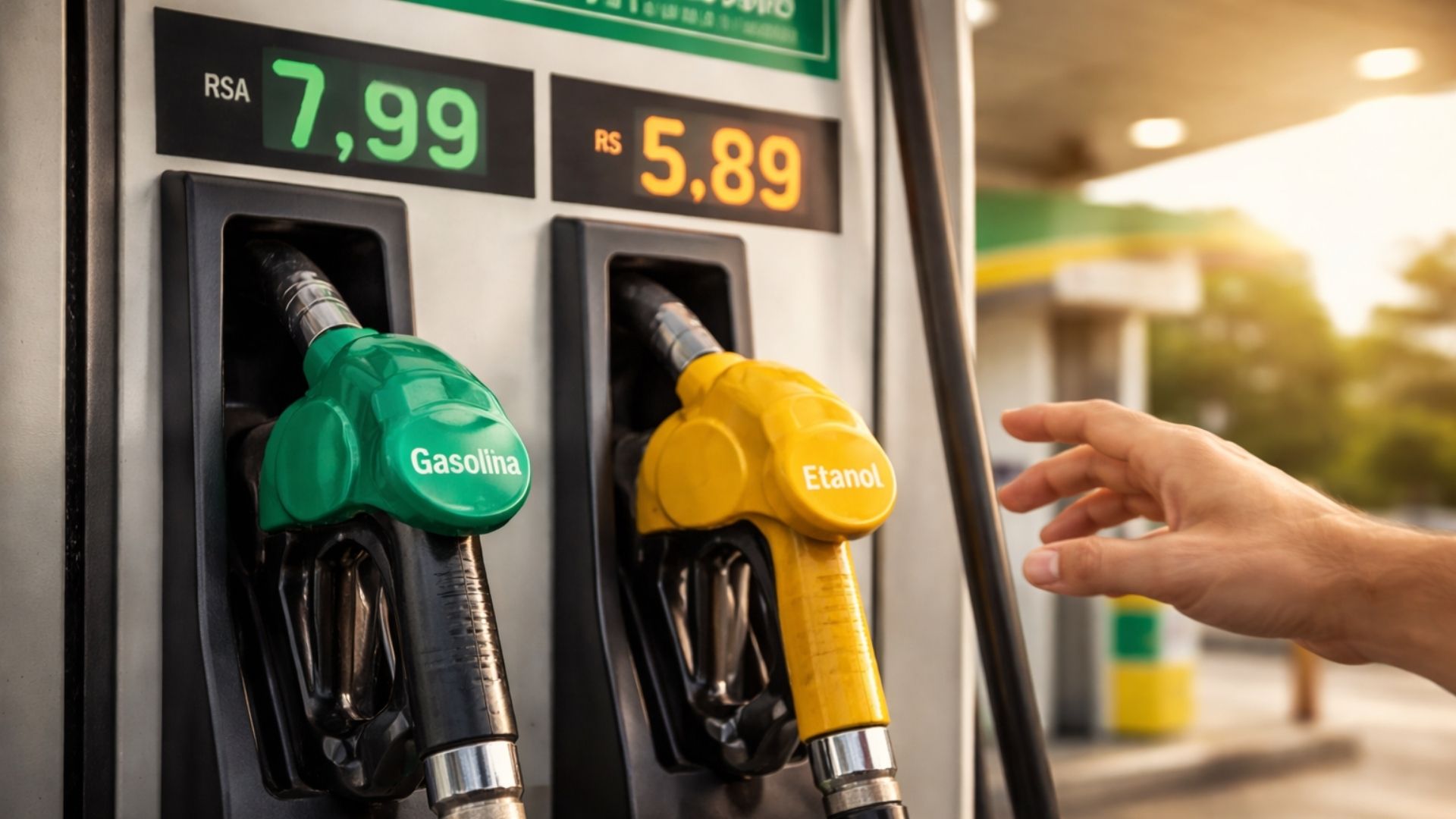
Gasoline prices soar and the question arises: is ethanol more advantageous? The 70% rule reveals the limit with gasoline.
-
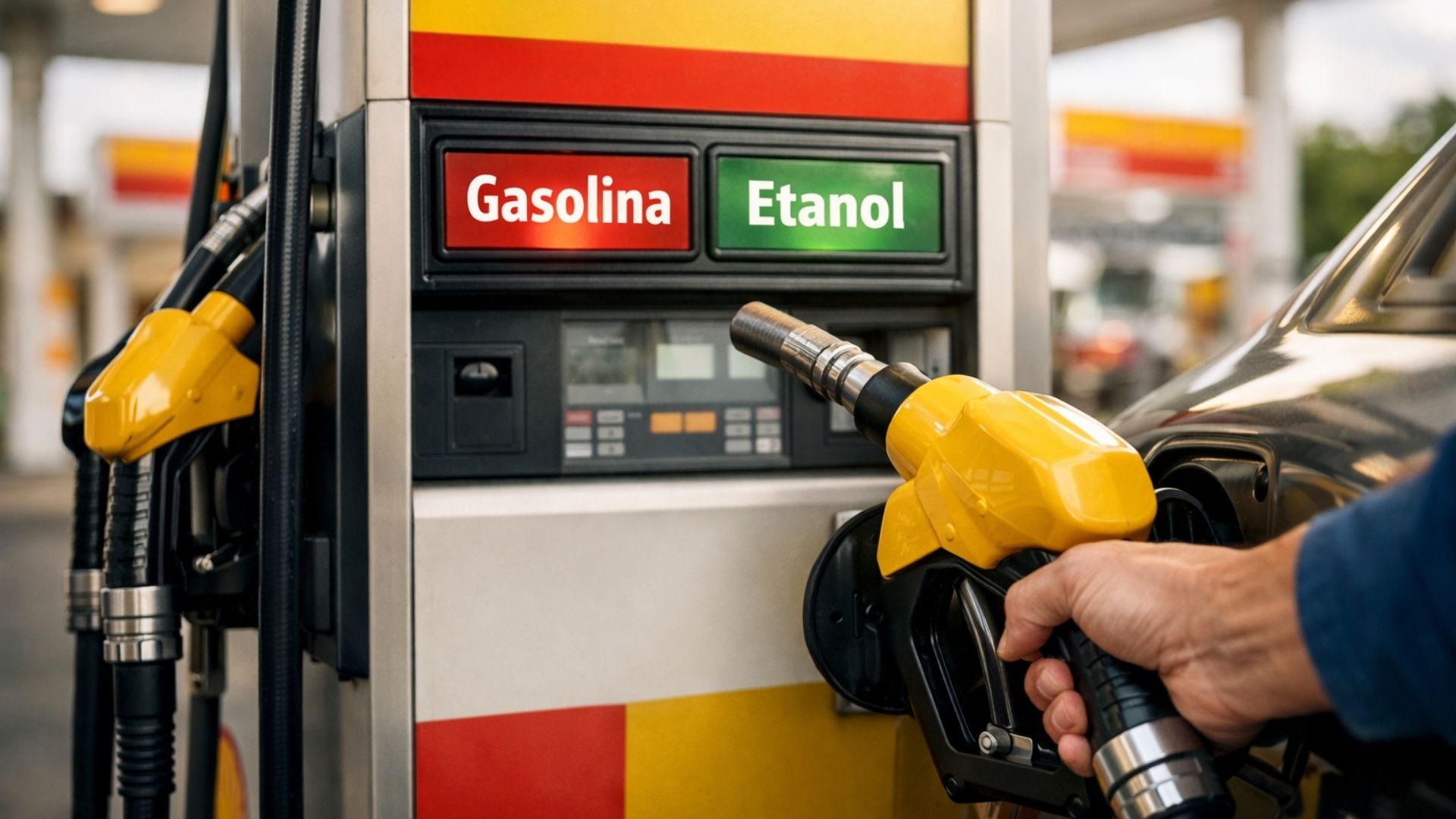
The government has made a decision and is starting a test with more ethanol in gasoline, anticipating a mixture of up to 35%, diesel with 25% biodiesel, and a study to assess the impacts on engines.

In second place is soybeans, with US$ 36.313 billion in exports, and in third place, crude oil, with US$ 23.822 billion.
“Soybeans are typically the most exported product by volume, along with oil and beef. However, iron ore has a higher value and, therefore, it often comes out ahead when we talk about the amount of money,” explains Helmuth Hofstatter, CEO of Logcomex.
China, the World’s Largest Oil Importer, ‘Skirts’ US Sanctions and Buys Over 324 Million Barrels from Venezuela and Iran at Low Prices
China, the Asian giant, doubled its imports of Iranian and Venezuelan oil in 2021. The Chinese country took full advantage of US-sanctioned regimes for three years, while the country’s refineries avoided the risk of penalties to obtain cheap oil.
According to data from market intelligence firm Kpler, China’s oil processors, the world’s largest importer, bought 324 million barrels from Iran and Venezuela in 2021, representing about 53% more than the previous year. This is the highest since 2018 when China took 352 million barrels from the two nations.
China Takes Risks and Buys Oil from Iran and Venezuela
Chinese private refineries have benefited from the US hardline stance toward Iran and Venezuela, continuing to buy oil from these countries long after other places in Asia stopped purchases.
The risk that non-American entities may lose access to the US financial system, or have their American assets frozen if found guilty of violating sanctions, did not deter them.
An excess of unsold cargo, rising international prices making sanctioned oil relatively cheaper, and the issuance of more oil import quotas in China have encouraged private refineries, known as “teapots,” to buy more oil from pariah states. These shipments usually do not appear in official customs data. Read the full article here.







Seja o primeiro a reagir!