





 Portuguese
  English
  Spanish
 5 min of reading
  0 comments


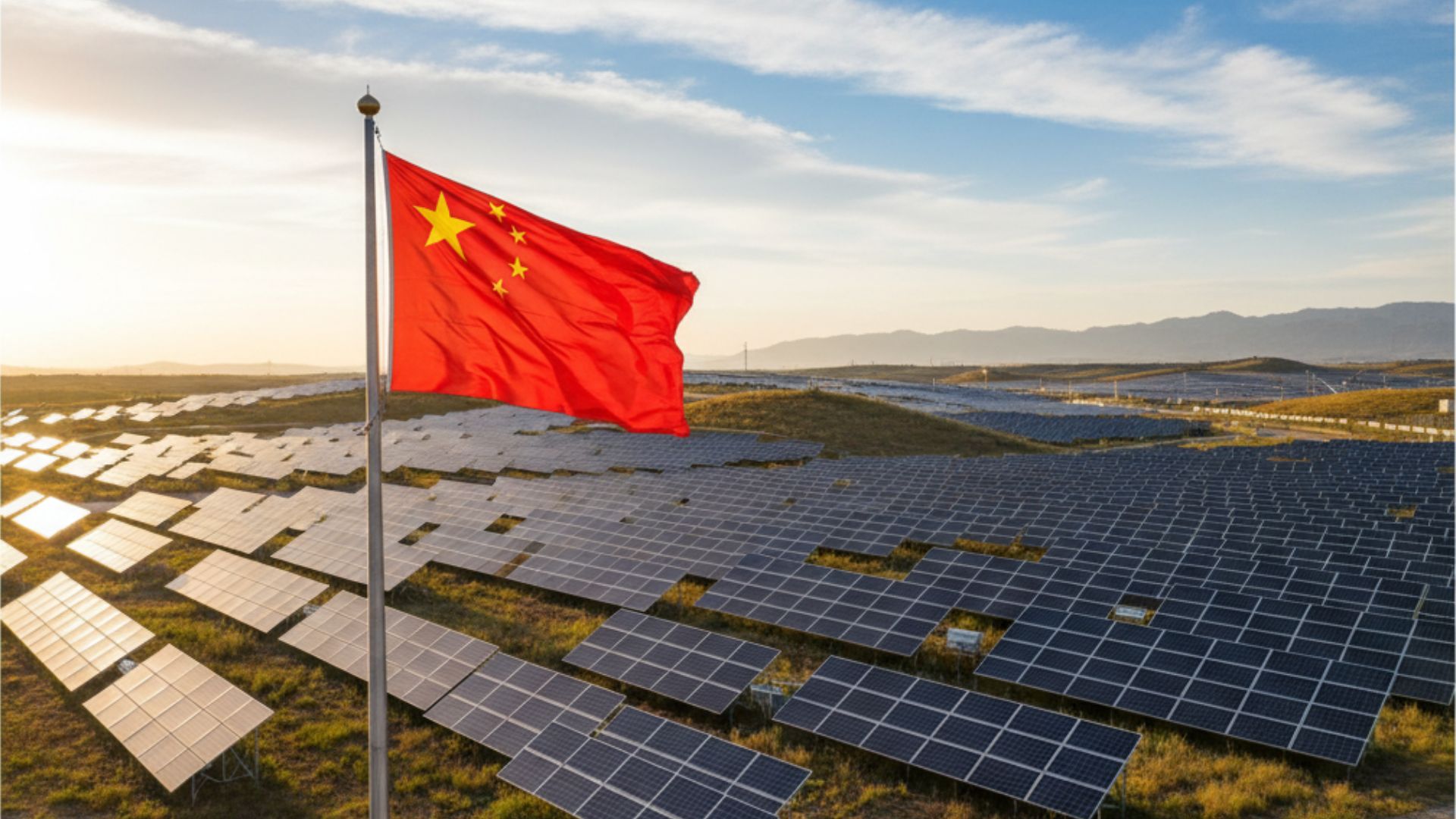
China Energy Announces Investment of R$ 520 Million in Paraíba Through the Purchase of Solar Plants, Expanding Its Operations in Renewable Energy and Driving Sustainable Transition in Brazil
The Chinese company China Energy Engineering Group Co., Ltd., one of the largest in the world in the infrastructure and energy sector, officially confirmed on November 4, 2025 its entry into the Brazilian renewable energy market.
The move comes through the acquisition of three solar plants located in the municipality of Coremas, in the hinterland of Paraíba, in a transaction valued at approximately R$ 520 million, according to information from the portal Cenário Energia.
The operation marks a decisive step in the company’s internationalization strategy and reinforces global interest in Brazil’s energy potential. The investment positions the country as a priority destination for foreign capital aimed at sustainable energy transition, with an emphasis on solar generation.
-
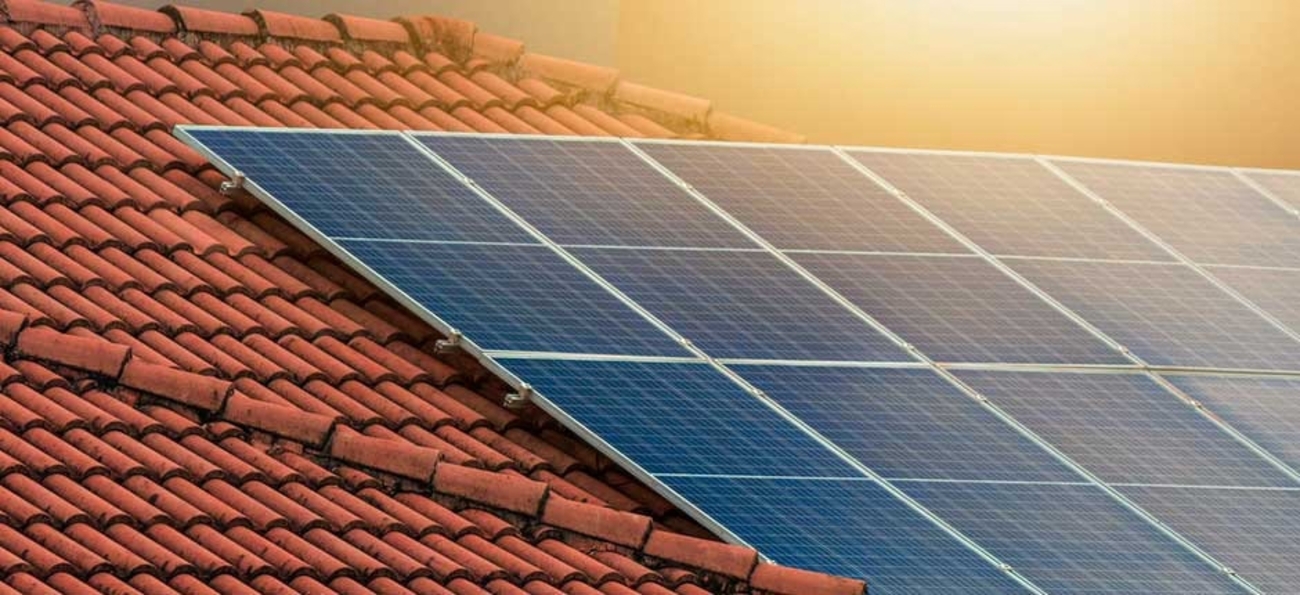
Roraima bets on the sun to escape high tariffs: Amid the energy crisis and price hikes, solar energy is growing in Roraima and transforming consumption in the North region.
-
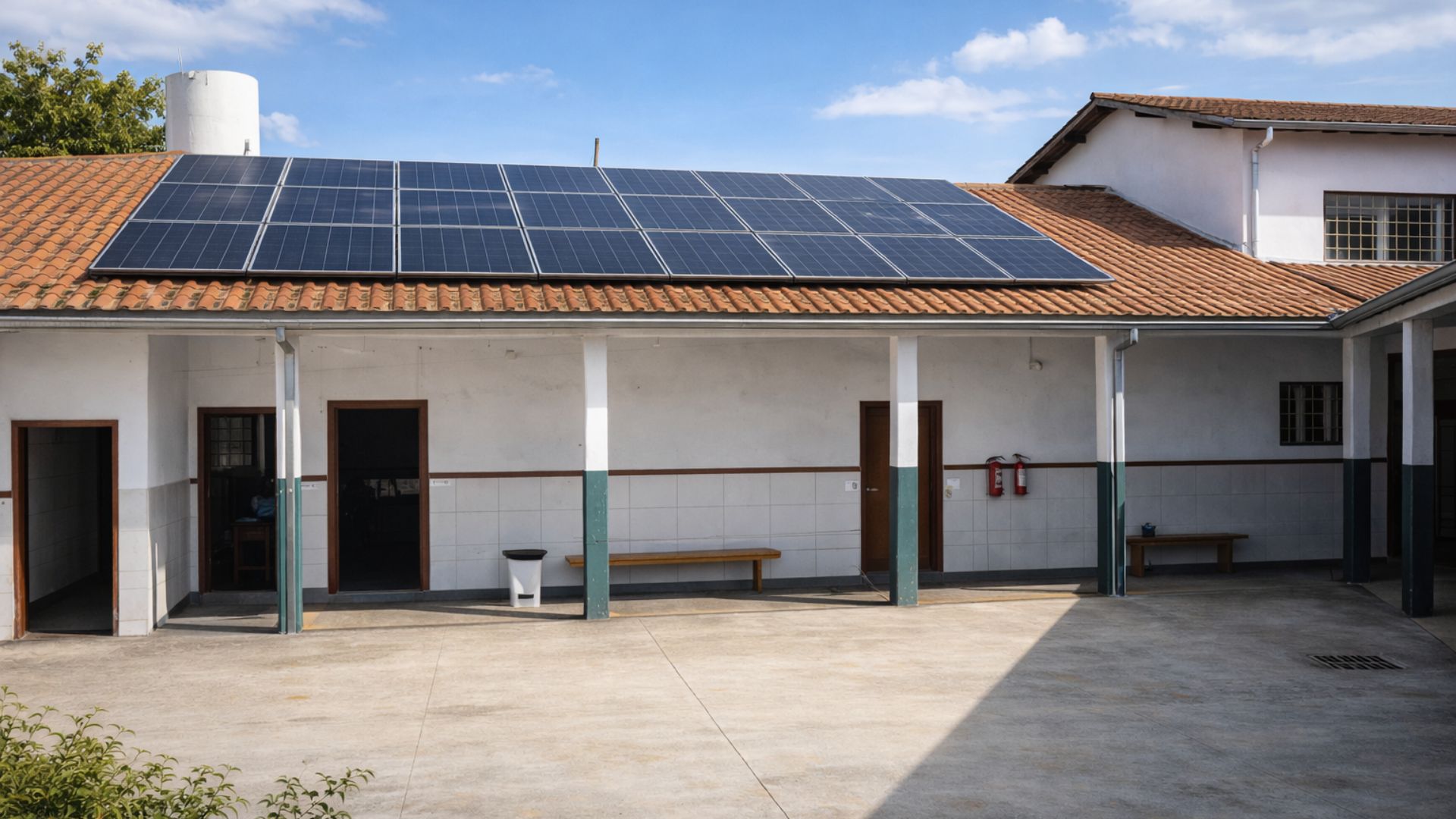
Copel boosts solar energy in Paraná and brings innovation to public schools, promoting savings on electricity bills, energy efficiency, and a direct impact on the quality of education.
-
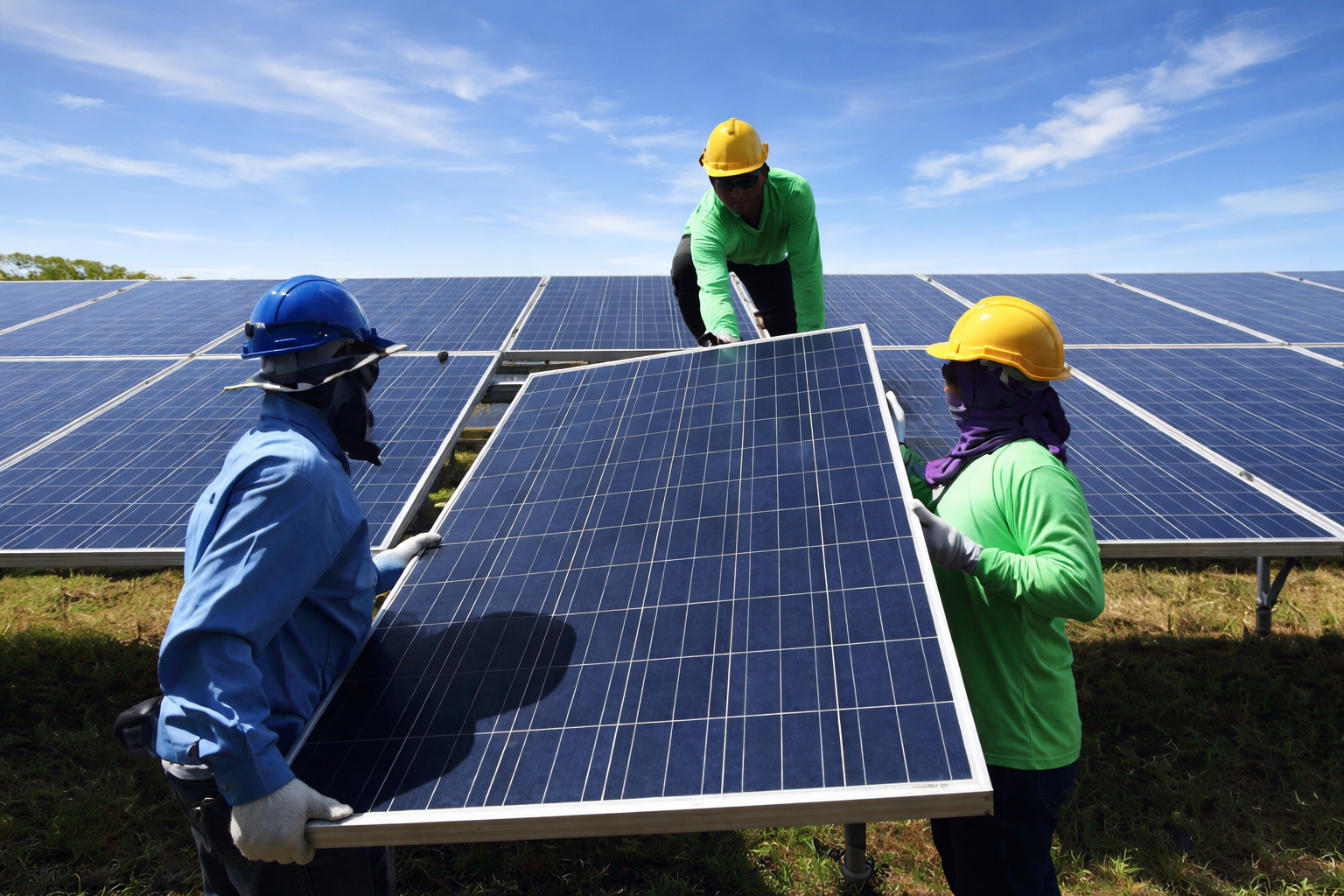
Brazil reaches historic milestone in solar energy: Sector surpasses 2 million accumulated green jobs and generates billions in the national economy even under market pressure.
-
Minas Gerais takes the lead in renewable energy: State surpasses historic mark of 14 GW in solar energy generation in MG and consolidates dominance in the Brazilian electric sector.

Details of China Energy’s Investment
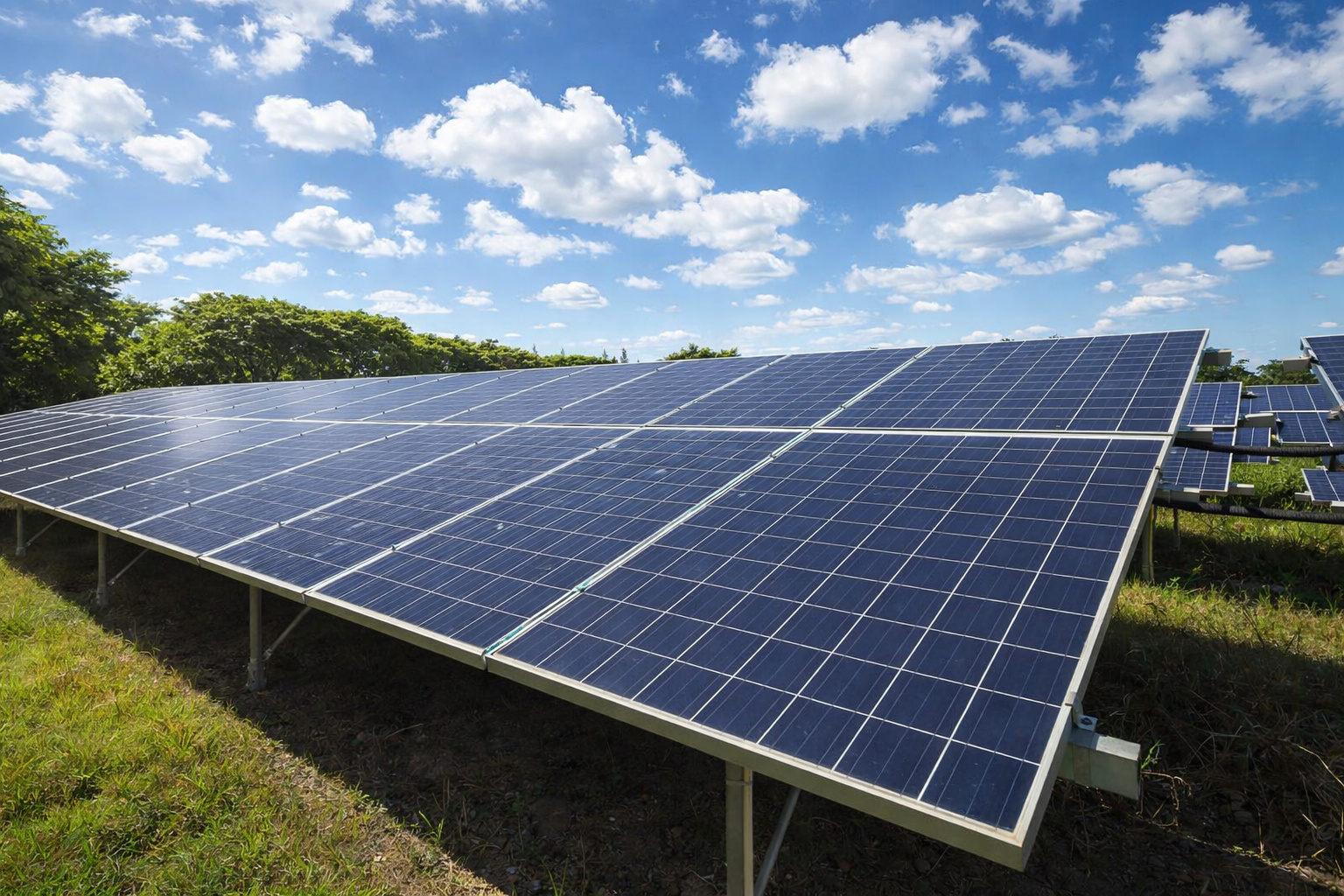
The three solar plants acquired by the Chinese company have a combined installed capacity of 93.41 megawatts-peak (MWp), according to the disclosed data.
Located in Coremas, interior of Paraíba, they represent a significant contribution to strengthening the northeastern electric matrix, which already leads solar generation in the country.
The investment of R$ 520 million includes the value of the assets and the financial liabilities of the plants, which were previously owned by a renewable energy fund with a consolidated operation in Brazil.
This acquisition is seen as a strategic move to diversify China Energy’s global presence, aiming to integrate solar generation, energy storage, and green hydrogen projects in different regions.
According to the original publication, the company believes that Brazil offers superior legal security and regulatory stability compared to other emerging countries, factors that make the local market attractive for new foreign investments.
China Energy Speaks Out on Investment in Paraíba
According to Rafael Qi, CEO of CEEC Brasil, the transaction represents more than just a simple acquisition of assets, functioning as an entry platform for structural investments in clean energy and sustainable infrastructure in Brazil.
CEEC Brasil has expertise in investing, developing, implementing, and operating assets throughout their entire life cycle, working not only in the energy sector but also in sanitation. Since 2018, the company has controlled and operated the São Lourenço Water Treatment Station in São Paulo, through a public-private partnership contract with Sabesp.
The company’s entry into the Brazilian market reinforces China Energy’s commitment to long-term investments and bilateral cooperation between Brazil and China.
Furthermore, by expanding its operations in the country, the company reaffirms its commitment to the sustainable socioeconomic development of Brazil and China, aligned with the strategic consensus established between the two countries and the collaborative spirit of BRICS.
Paraíba Gains Spotlight on Renewable Energy Map
With the deal, Paraíba solidifies its position as one of the leading regions in the Northeast in the renewable energy sector, especially in solar generation. The Coremas region, where the plants are installed, has a high solar irradiation index and infrastructure favorable for expanding photovoltaic projects.
According to industry data, Paraíba surpassed the mark of 510 megawatts (MW) of installed capacity in its own solar generation in 2025, encompassing centralized and distributed systems.
The state government has also been promoting tax incentives and public-private partnerships to attract new investors, which should accelerate the arrival of other foreign companies to the sector.
Expansion of the Brazilian Renewable Energy Market
Brazil is currently one of the countries with the highest growth rates in the renewable energy sector. According to the Energy Research Company (EPE), in 2024 88.2% of national electricity generation came from clean sources.
The pace of expansion has been constant. Data from August 2025 from ABSolar indicates that Brazil’s total solar generation capacity reached 60 gigawatts (GW), combining large-scale plants and distributed generation systems.
Even with this progress, the sector still faces challenges: bottlenecks in transmission lines, delays in environmental licenses, and exchange rate fluctuations that affect the cost of imported equipment. The presence of international companies like China Energy tends to alleviate some of these difficulties, bringing greater investment scale and cutting-edge technology.
Economic and Social Impacts of China Energy’s Investment
The entry of China Energy into the Brazilian market has the potential to generate direct and indirect impacts on the local economy. Only during the integration and operation phases of the plants, it is estimated that hundreds of temporary and permanent jobs will be created.
Moreover, the investment reinforces Paraíba’s role as a destination for sustainable business and increases the state’s international visibility. The presence of a giant in the energy sector is also expected to stimulate new academic and technological partnerships, aimed at developing solutions in storage, digital monitoring, and operational efficiency.
According to data, the photovoltaic sector has already generated more than millions of jobs in Brazil by 2025, distributed across the entire production chain—from component manufacturing to installation and maintenance. With new foreign investments, this figure is expected to grow significantly in the coming years.
Perspectives for the Sector and Attraction of New Investments
The movement by China Energy sends a clear signal to the international market: Brazil is one of the leading global hubs for investments in clean energy. The operation could trigger a new wave of acquisitions and partnerships in the solar and wind generation segments, particularly in the Northeast.
Companies from European, North American, and Asian origins have already shown interest in expanding their presence in the country, especially in regions with high solar irradiation and potential for green hydrogen export.
For the Brazilian government, the arrival of new players represents more competitiveness, technological innovation, and diversification of the production base. The Brazilian energy transition gains momentum when international capital and public policies move in the same direction.
Importance of the Investment for the Future of Clean Energy in Brazil
The acquisition of the solar plants in Coremas is more than a financial transaction: it represents a symbolic milestone in the consolidation of Brazil as a safe and attractive destination for investments in renewable energy.
The country combines three essential elements for this type of expansion: abundant natural potential, modernizing infrastructure, and stable regulation. At the same time, the arrival of China Energy strengthens the link between the Brazilian market and international capital, enhancing technology exchange and knowledge flow.
In the coming years, the consolidation of strategic partnerships of this magnitude is expected to drive the development of new productive chains, reduce generation costs, and contribute to the decarbonization of the economy.








Seja o primeiro a reagir!