





 Português
  Inglês
  Espanhol
  3 min de leitura
  0 comentários


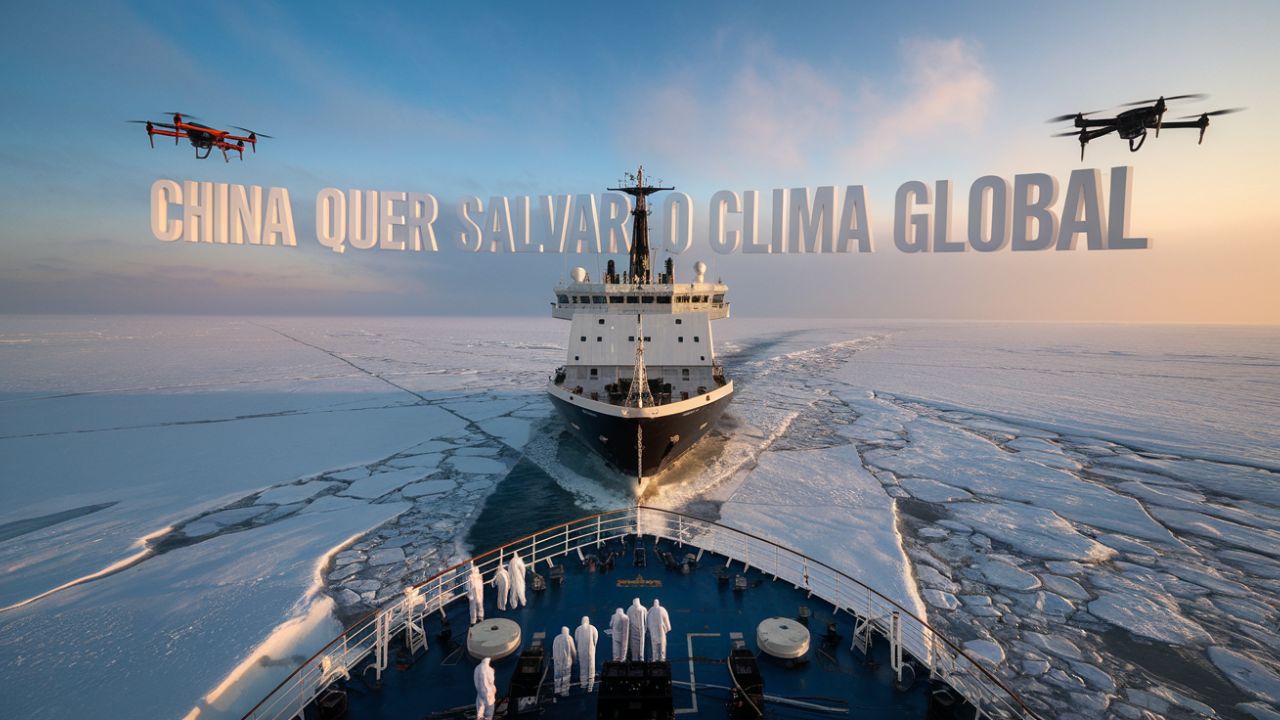
First Winter Mission of China in the Bohai Sea Studies the Impact of Ice Melting on Global Climate and Tests Cutting-Edge Technology in Extreme Conditions, While Scientists Warn of a Future with “Ice-Free Summers” in the Arctic.
Have you ever stopped to think about how sea ice can influence the climate of the entire planet? China is exploring this connection in an innovative mission in the Bohai Sea. For the first time, the country is sending an icebreaker to study the winter ice in this strategic region. And believe it, the results could change the way we understand global climate.
Why Is the Bohai Sea a Strategic Point for China?
The Bohai Sea, located north of China, is more than just an ice-covered gulf in winter. It is a key piece in the global climate puzzle. Why? Because rapid changes in the formation and melting of ice directly affect local ecology and have far-reaching climatic implications.
Think of ice as the planet’s air conditioning. When it melts faster than it should, the whole system suffers. In the case of the Bohai Sea, the dynamics of ice affect not only the region but also the Arctic, impacting wind patterns and ocean currents worldwide.
-
A bright yellow mushroom imported from Asia escaped from a cultivation farm in the United States in 2010 and is now aggressively spreading across 25 states, destroying entire communities of native fungi in American forests.

-
Buried under China, a colossal machine weighing 20,000 tons began operating as the largest neutrino detector on the planet and, in just 59 days, surpassed results that science took half a century to achieve.

-
Iran enters the center of a climate alert after the war emitted 5.6 million tons of CO2 in two weeks, surpassing the annual pollution of entire countries.

-
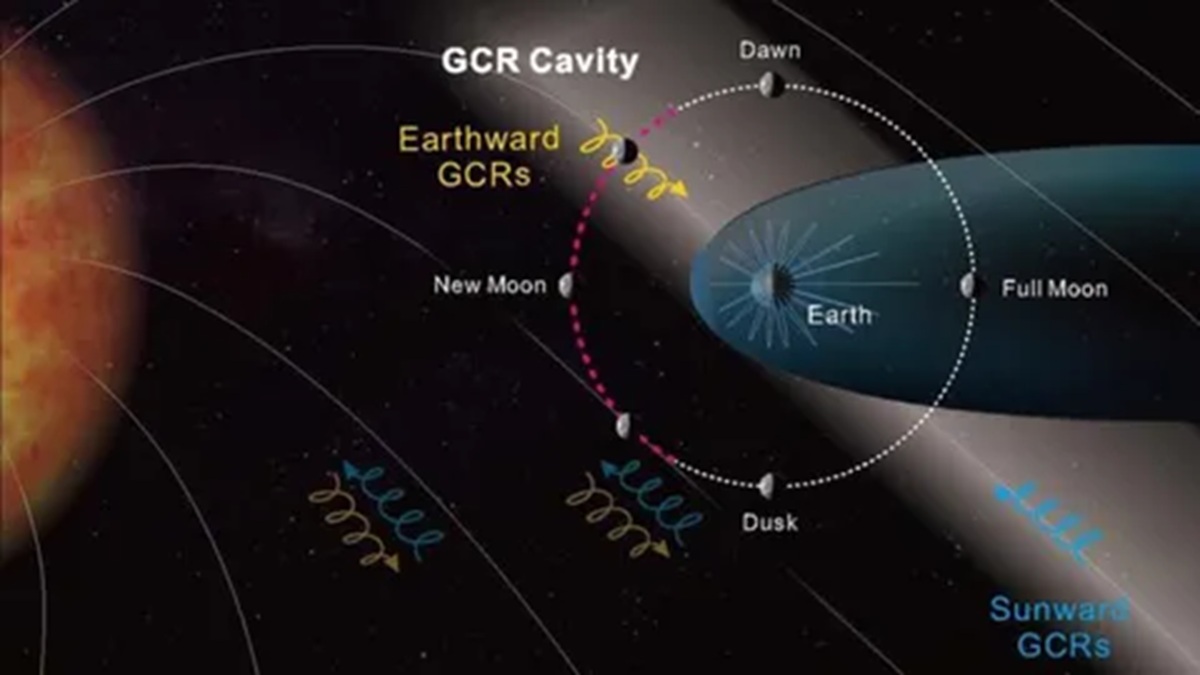
Lunar exploration may change after a Chinese probe finds a “cavity” of radiation that reduces the impact on astronauts by up to 20% at certain times on the Moon.
Ice melting in the Arctic and regions like Bohai can trigger extreme weather events. More intense heatwaves, more violent storms… We are already feeling the effects, and this mission seeks to understand the mechanisms behind it.
The First Winter Expedition of China in the Bohai Sea

This is no ordinary mission. Led by Sun Yat-sen University, the expedition marks China’s debut in winter data collection in an almost polar environment.
The star ship of this journey, the Zhong Shan Da Xue Ji Di, is a true technological gem. Built in Canada, it has been adapted to withstand extreme temperatures and conduct research at depths of up to 10,000 meters. An icebreaker equipped to face the unknown.
In addition to deep-sea submersibles, the ship is equipped for atmospheric data collection and geophysical analysis. It is like a floating laboratory, ready to unveil secrets hidden beneath the ice.
What Can This Mission Reveal?
The main objective is to understand the processes of formation and melting of winter ice in the Bohai Sea. But the expedition goes further: it also aims to create ecological models and investigate how these changes impact the marine ecosystem.
These cycles are like a complex dance between the ocean and the atmosphere. Understanding them can help us predict and perhaps even mitigate the impacts of climate change.
The data collected will help fill a critical gap in knowledge about winter in the Bohai Sea. More importantly, they may provide insights to protect vulnerable ecosystems and create climate adaptation strategies.
The Global Context: The Melting in the Arctic and the “Ice-Free Summer”
As the mission progresses in the Bohai Sea in China, scientists warn of a troubling future: an Arctic without ice during the summer. This scenario, predicted to occur in just five years, could trigger catastrophic changes in global climate.
Without the polar “air conditioning,” wind patterns and currents could go out of control, increasing the frequency of hurricanes, floods, and droughts. It’s as if the planet’s delicate balance is about to collapse.
The Chinese expedition in the Bohai Sea is not just a scientific milestone. It is a powerful reminder that every piece of ice, every molecule of water, is connected to the fate of our planet. As the ship breaks the ice on its journey, it also breaks barriers in understanding global climate. What we learn now could make all the difference in the future. After all, time is melting away, just like the ice.






Seja o primeiro a reagir!