





 Portuguese
  English
  Spanish
  5 min of reading
  4 comments





Designed To Integrate Western China With The Economic Core, The High-Speed Railway Cut Through The Gobi Desert With Sand Fixation In Grid Patterns, Suspended Viaducts, And Barriers Against Extreme Winds, Reducing The Journey From About 20 To 12 Hours After Opening In 2014 In The West.
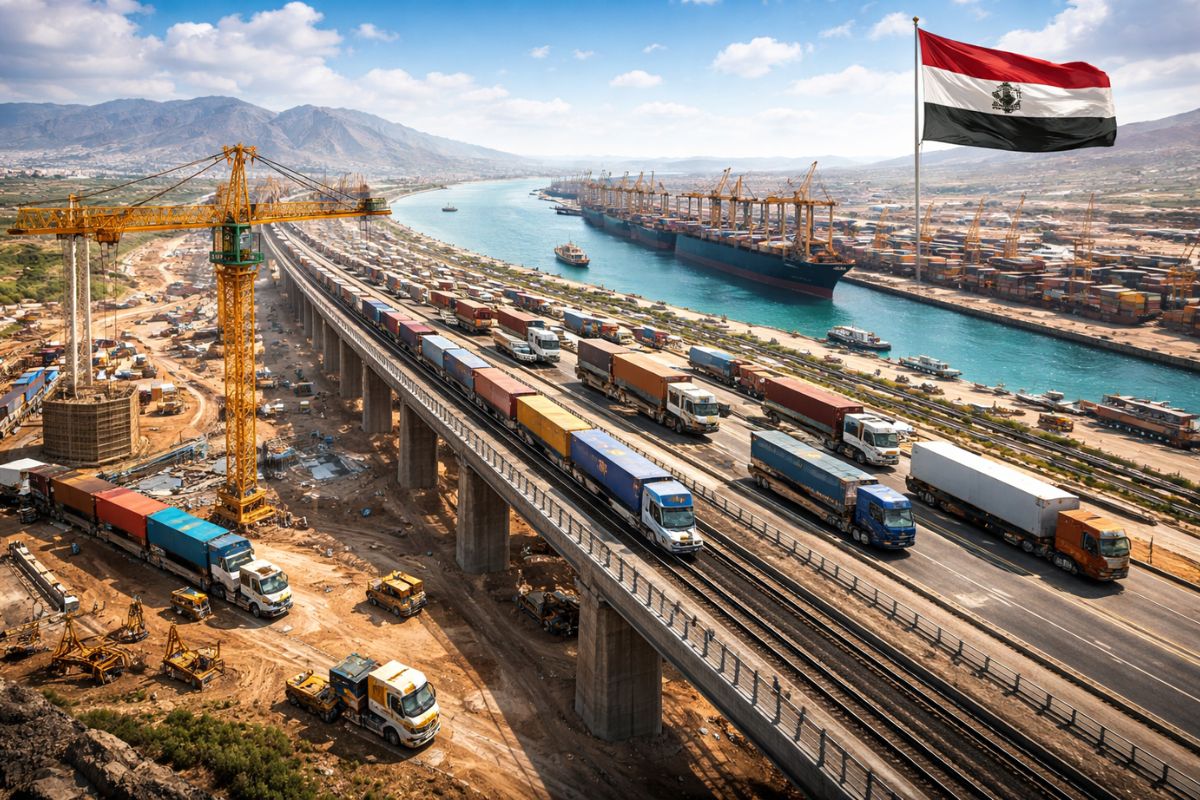
On November 4, 2009, China began construction of a high-speed railway over 2,000 km long, crossing the Gobi Desert to connect western areas to the country’s economic centers. The project combined sand fixation in grid patterns, deep foundations, and suspended viaducts to reduce soil instability and contain dunes.
In 2014, after studies on wind, soil, and seismicity and a phase of tests at multiple speeds, the high-speed railway was inaugurated focusing on operational safety in the face of extreme winds and sand accumulation. The material also notes subsequent expansions in 2017 and 2021, and the reduction of the travel time from about 20 hours to 12 hours.
Why The High-Speed Railway Was Taken To The Gobi Desert

The record attributes the work to a strategy for developing western China aimed at reducing regional inequalities between the rich eastern areas and the less developed regions.
-
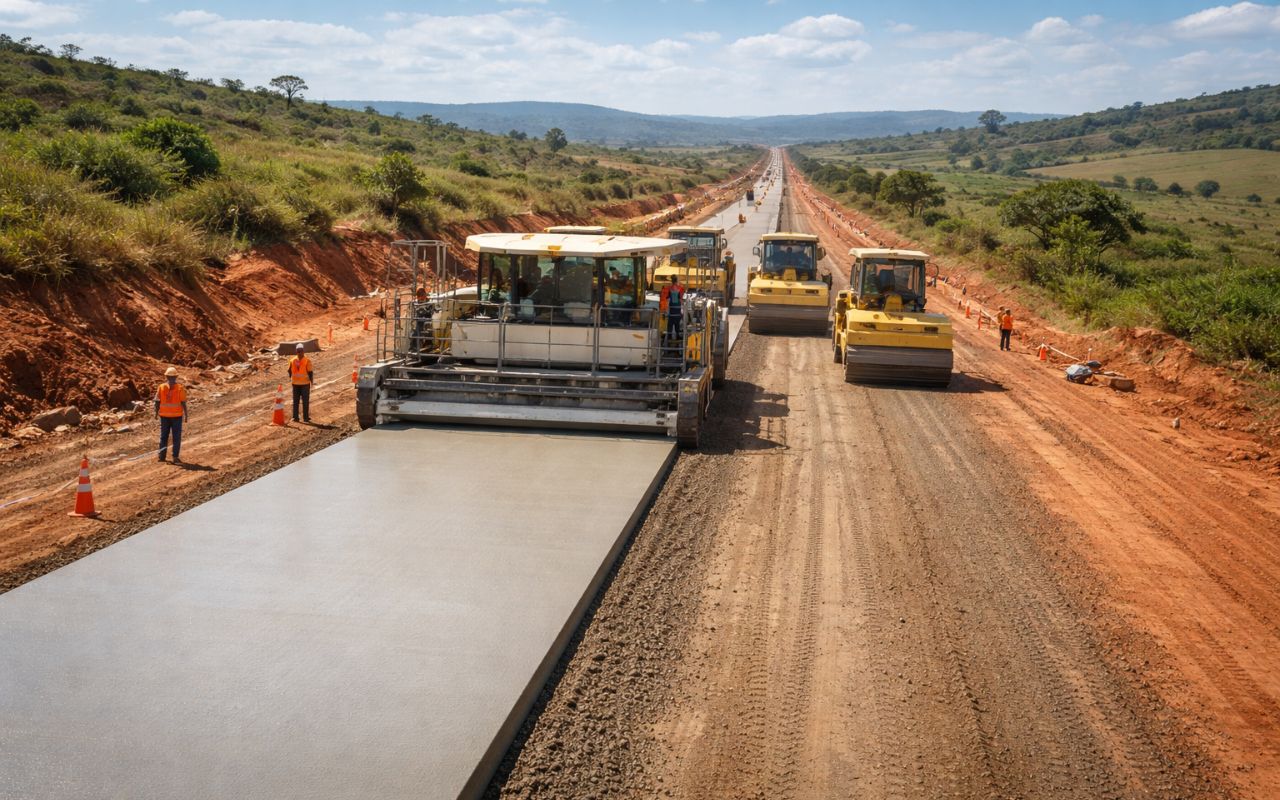
New CCR concrete paving technology promises roads up to 3x more durable, less maintenance, and cost reduction in Brazil.
-
Made from recycled plastic, plastic wood is gaining space in the construction industry because it does not rot, resists moisture, and reduces maintenance costs over the years.

-
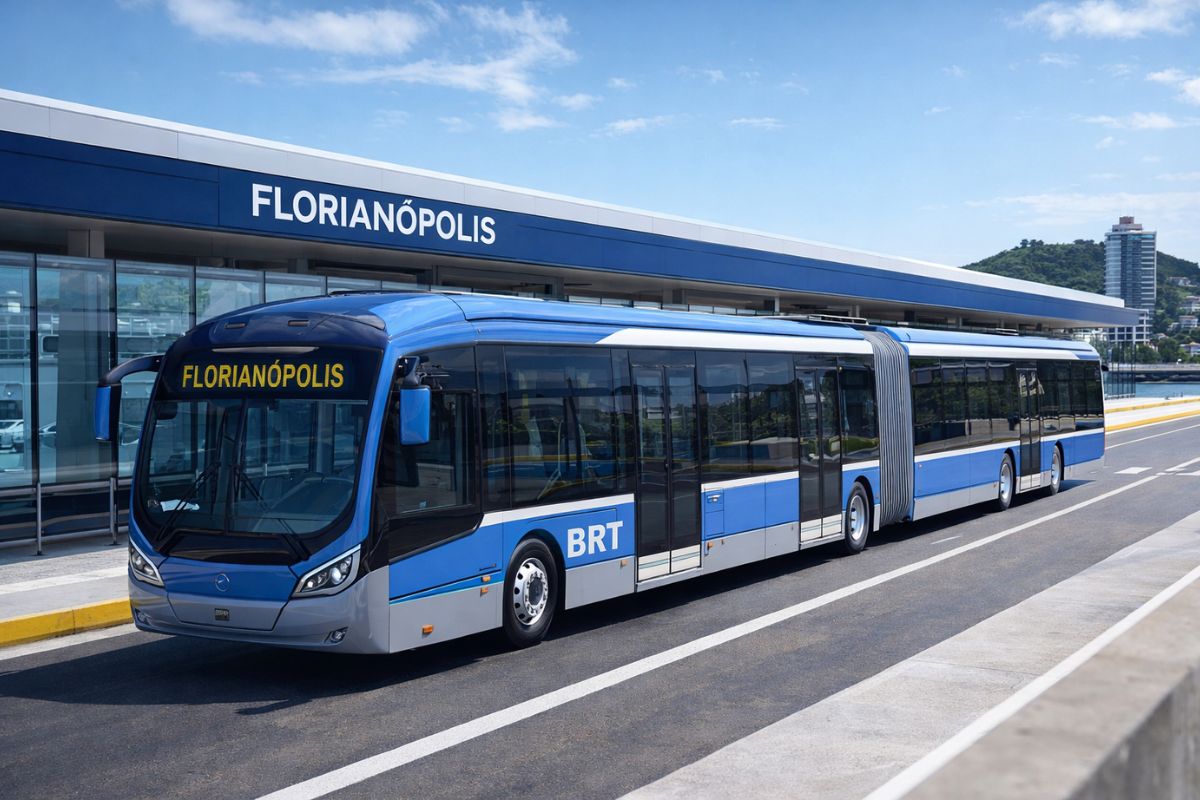
Florianópolis will receive a million-dollar BRT that will begin construction in 2026 with nearly 400 million in funding from the federal government and the Inter-American Development Bank, and the map already shows the routes for the exclusive bus corridors.
-
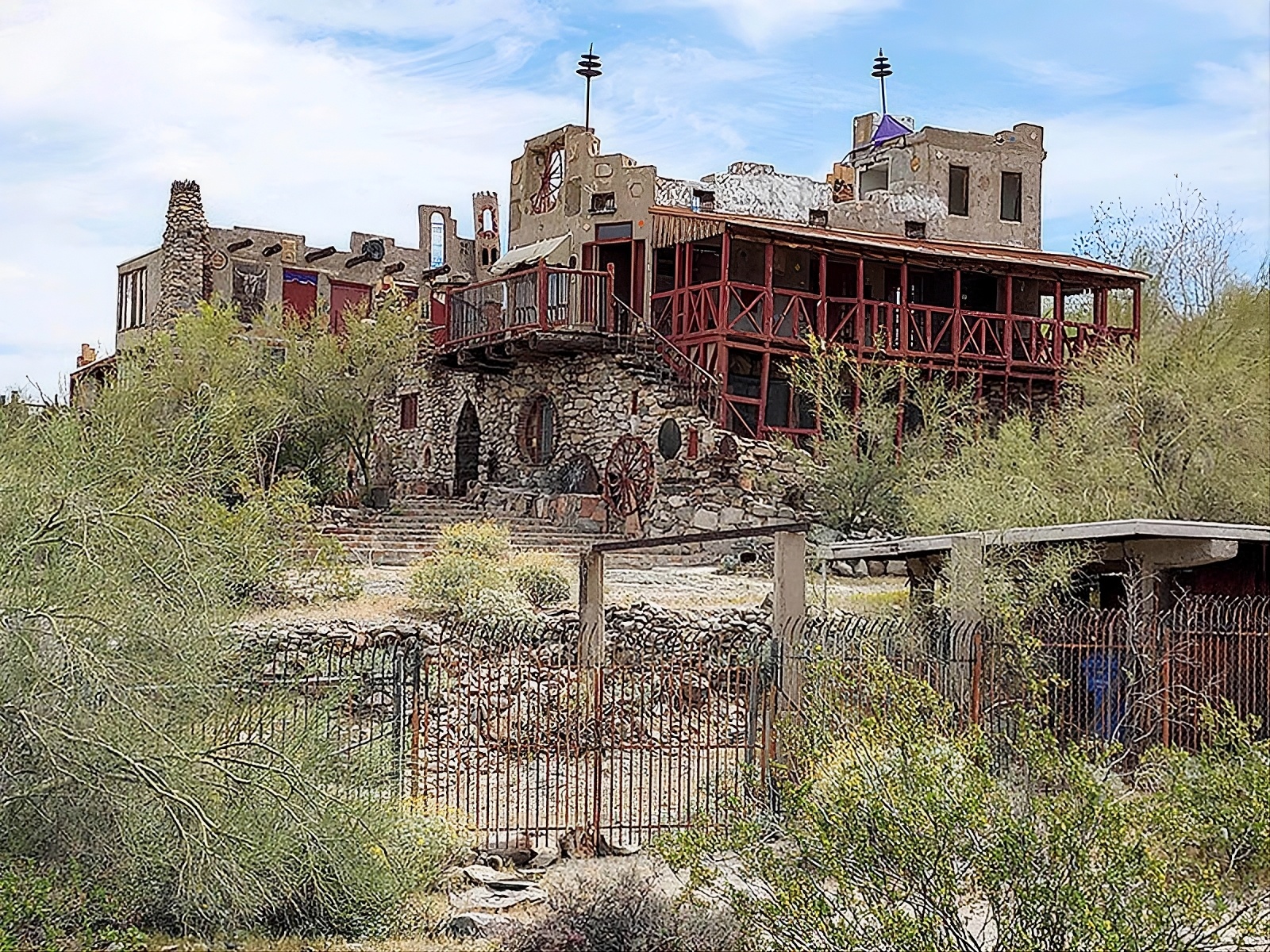
Without a blueprint, without an engineer, and using scrap from the dump, a father spends 15 years building an 18-room castle for his daughter, featuring tram tracks, 13 fireplaces, and over 700 m², which may now be demolished.

In this context, the high-speed railway emerges as a response to the limitation of a previous conventional link, described as slow and outdated.
The decision to cross the Gobi Desert is presented as a consequence of a land corridor without viable alternatives, with additional challenges in mountains, valleys, and areas of extreme climate.
The base text states that the desert grows about 3,000 square kilometers per year, increasing the risk of advancing dunes and reinforcing the need for sand control.
Route, Provinces, And Connection Points In The West
According to the material, experts analyzed maps and routing options to reduce detours, maintain efficiency, and connect urban centers.
The described route starts in Lanjou, crosses provinces of Gansu, Kinhai, and Shinjang, traverses the Gobi Desert, climbs the Kilian Mountains, and ends in Urumqi.
The technical justification for the design involves planned curves to reduce travel time and consumption, as well as adjustments based on terrain analysis.
The process itself is described as a sequence of proposals revised by engineers and authorities until the final corridor approval.
Sand Fixation In Grid Patterns To Stabilize Dunes


The sand fixation is presented as the critical step to transform loose sand into a supportive base.
The described method uses bamboo, dry straw, and twigs to create a grid pattern on the ground, with squares of 1 meter, applied over dunes and valleys in the Gobi Desert.
The goal of sand fixation, according to the text, is to reduce the wind force on the sand and encourage deposition within the squares, stabilizing the terrain over time.
After weeks, the ground would have firmed up enough for truck passage, serving as a base for subsequent leveling and compaction stages.
For additional reinforcement, the material reports the injection and spraying of water, the use of compacting rollers, layers of soil and gravel, geotextile blankets, and, when necessary, the addition of cement in unstable points.
The sequence is described as essential to support the weight of trains and structures over hundreds of kilometers.
Suspended Viaducts, Deep Foundations, And High Precision Tracks
To reduce the risk of sand accumulation on tracks, the project adopted elevated sections with viaducts and suspended platforms.
The logic presented is that elevation makes it more difficult for sand mounds to form directly on the track, reducing the chance of derailment, especially in sections of the Gobi Desert.
The support required deep foundations with concrete and steel piles driven by pile drivers into firmer layers below the sand.
Subsequently, concrete pillars were molded on-site, forming alignments to receive beams and slabs that make up the viaduct’s platform.
The material describes the installation of beams by cranes and, mainly, by a launching bridge that moves over finished sections and positions new pieces with precision.
Afterward, a rail launcher automates the placement of sleepers, rails, and fixings, while teams perform fine adjustments to maintain alignment and leveling.
Barriers Against Sand And Operational Response To Extreme Winds
Even with elevated sections, part of the route runs close to the ground, requiring fences against sand encroachment. The text reports multiple layers of barriers in areas of greater accumulation incidence, complementing the role of the suspended viaducts.
The risk is not limited to sand.
The material states that regions of the Gobi Desert experience extreme winds exceeding 190 km/h and that high-speed trains are vulnerable to lateral gusts.
To mitigate this, protective walls were erected, and in more critical points, elevated tunnels above the ground with an external geometry to divert the wind.
After the inauguration, the record describes continuous monitoring with wind sensors along the desert stretch and automatic protocols for speed reduction or temporary service interruption when extreme winds exceed levels considered safe.
Active inspections and removal of sand are also cited, along with the use of robots for some inspections.
Mountains, Tunnels, And The Highest Point Of The Line
After the Gobi Desert, the high-speed railway faces mountainous terrain, with additional viaducts and dozens of tunnels to maintain a safe and efficient route.
The technique cited for excavation is the new Austrian tunneling method, with progress in segments and successive reinforcement to avoid collapses.
The base text points to an altitude landmark: in tunnel number two of Kilan, the tracks reach 3,607 meters above sea level, described as the highest point of the line.
This section reinforces the environmental span of the corridor, which goes from the heat of the desert to frozen areas in the Kilian Mountains.
Testing, Inauguration Of 2014, And Registered Expansions
Before opening, the high-speed railway underwent routing, load, and performance tests, operating at low, medium, and maximum speeds.
The material highlights monitoring by sensors and immediate corrections, with extra attention to sections of the Gobi Desert, including safety tests for crosswinds and checks on sand control.
The inauguration is noted as occurring in 2014.
Afterward, the text mentions expansion in 2017, with a connection to the city of Dahan, and in 2021, with the inauguration of the Shandan Machang railway station.
Effects On Travel Time, Logistics, And Territorial Strategy
The material states that, before the new corridor, the journey between the mentioned extremes took about 20 hours, and with the high-speed railway, the time fell to 12 hours, a reduction of 8 hours.
The change is presented as a direct impact for passengers and as a facilitator for economic integration in the West.
The separation of functions is also described: the new line, dedicated to passengers, would have freed the old railway to focus on freight, reducing overload and delays.
Aside from the economic argument, the text associates the high-speed railway with the strategic relevance of Shinjang, which borders eight countries, increasing administrative and security response capacity.
In your opinion, should a high-speed railway project prioritize viaducts in the Gobi Desert or invest more in barriers and continuous maintenance against extreme winds?









!!! Hermoso !!!, Muy bien pensado y Adelante!!!!
Fantástico
Sim
Nos trilhos faltou exaustor subterrâneo para retirar areia