





 Portuguese
  English
  Spanish
  3 min of reading
  0 comments


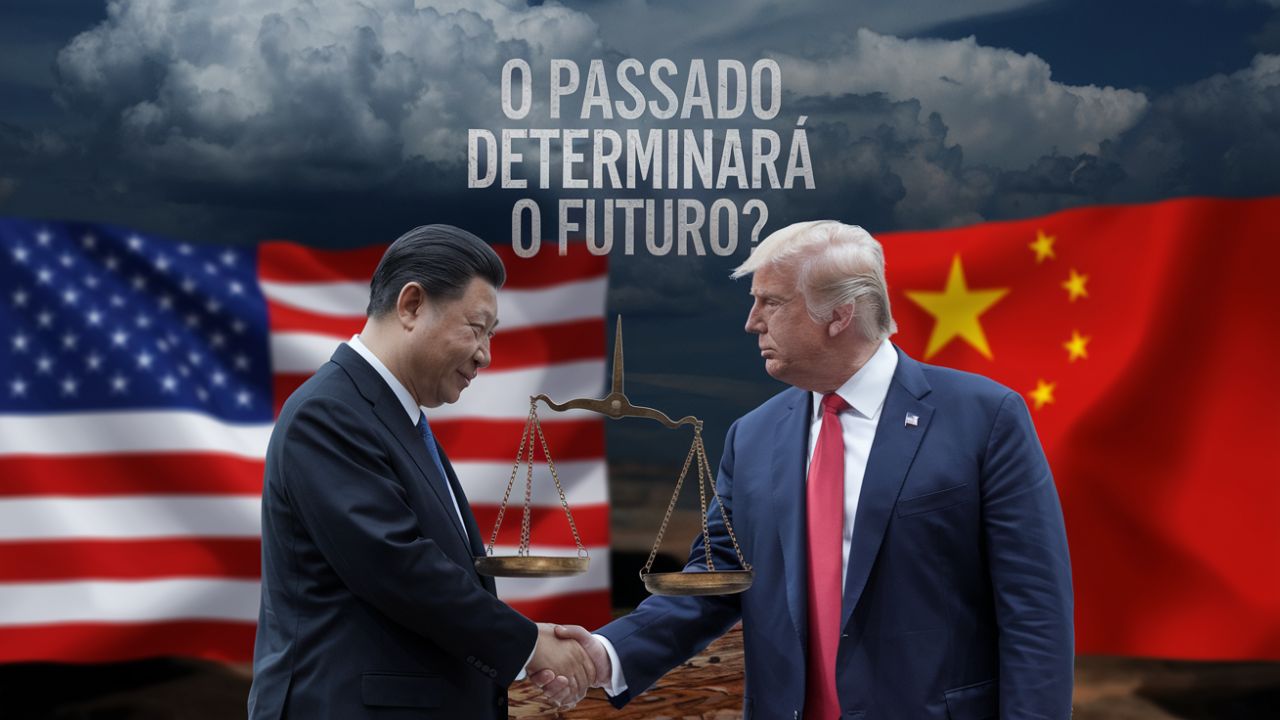
With Trump’s Return to the White House, China Faces the Fear of New Tariffs, Tries to Protect Its Fragile Economy, and Seeks to Renew Diplomatic Ties to Avoid a Repetition of the Trade War That Shook the World.
The relations between China and the United States have never been simple, but Donald Trump’s return to the White House has brought a mix of hope and concern in Beijing. The reason? A recent history filled with trade and diplomatic tensions, but also marked by opportunities for cooperation.
A Past of Conflicts and Renewed Hopes
When Trump took office, the ensuing trade war created an abyss between the two largest economies in the world. Tariffs on over $300 billion in Chinese goods not only impacted exports but also fueled a climate of economic uncertainty.
However, there are signs of a more diplomatic approach in this new cycle. Xi Jinping, in a gesture of goodwill, sent Vice President Han Zheng to represent China in meetings with American executives. This move, although symbolic, demonstrates that Beijing is willing to negotiate, but without forgetting the wounds of the past.
-
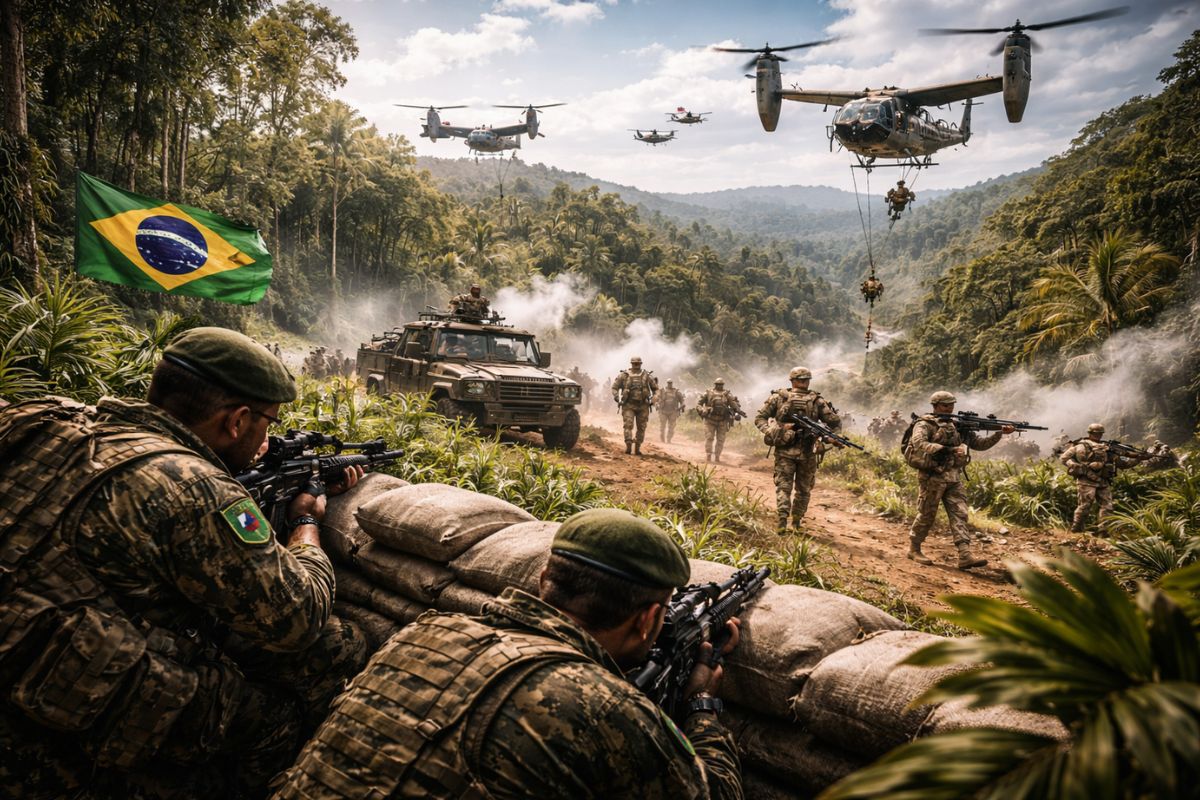
If the USA were to go to war with Brazil, Washington’s greatest fear would not be the attack itself, but facing a vast territory, prolonged resistance, and a costly, chaotic, and unpredictable occupation.
-
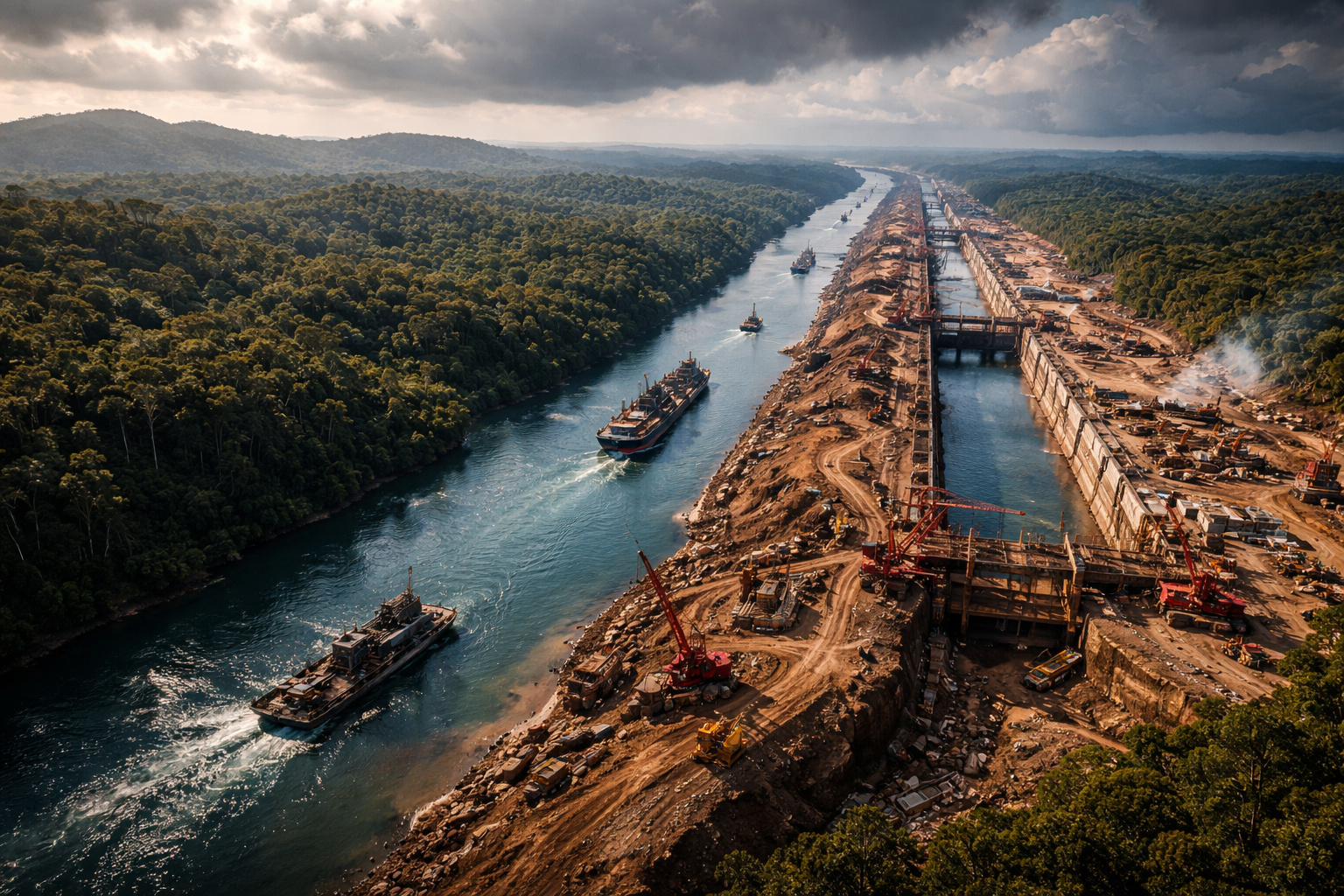
In 2013, Nicaragua sold the concession for a canal to rival Panama to a Chinese billionaire who lost 85% of his fortune, disappeared, and was declared bankrupt. Now the project resurfaces with a new route, a new Chinese partner, and a cost of $64.5 billion.
-
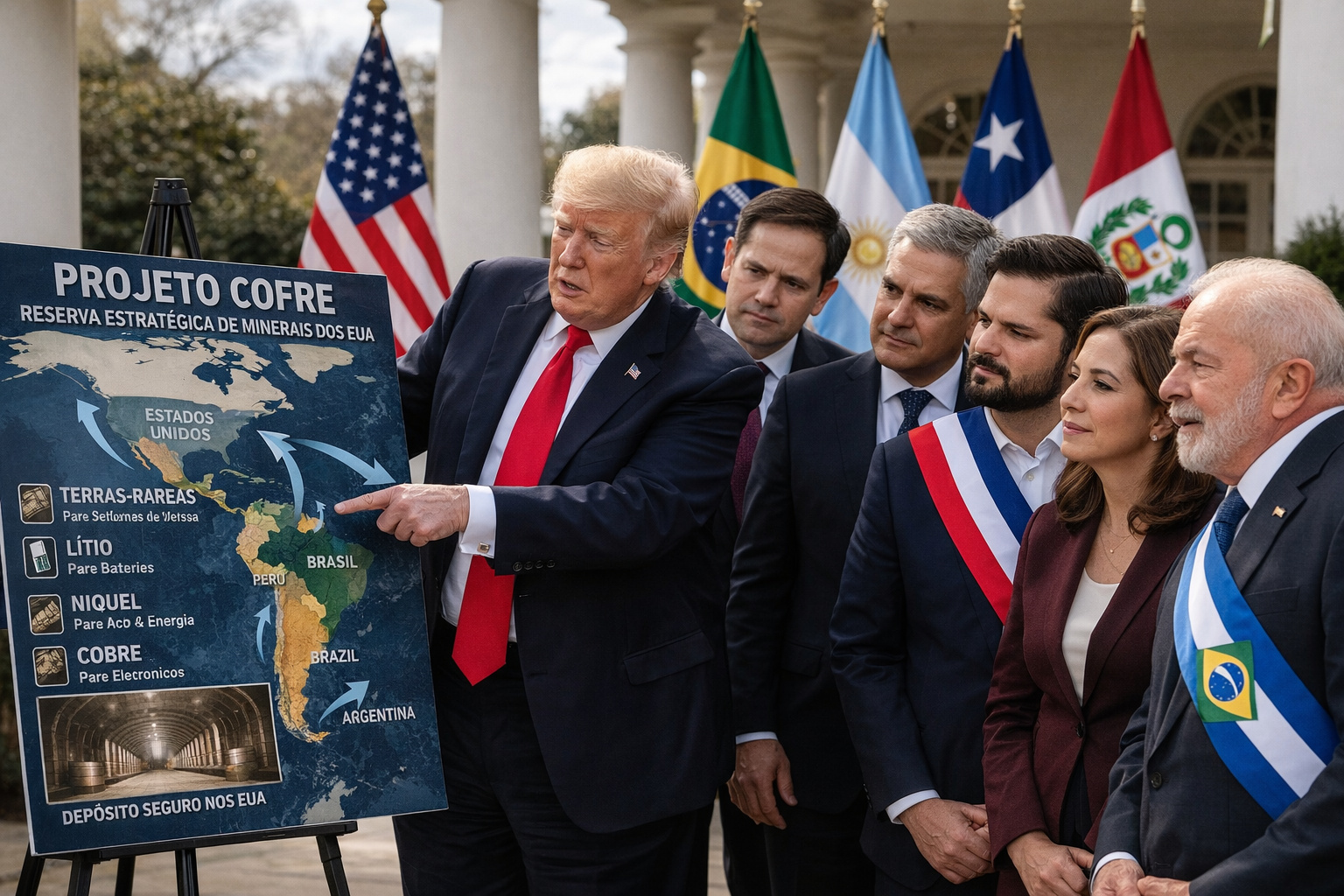
The USA announces a mysterious billion-dollar vault project to store critical minerals, but what intrigues experts is not just the plan itself, but why Latin America, including Brazil, has entered the center of this global dispute against China.
-
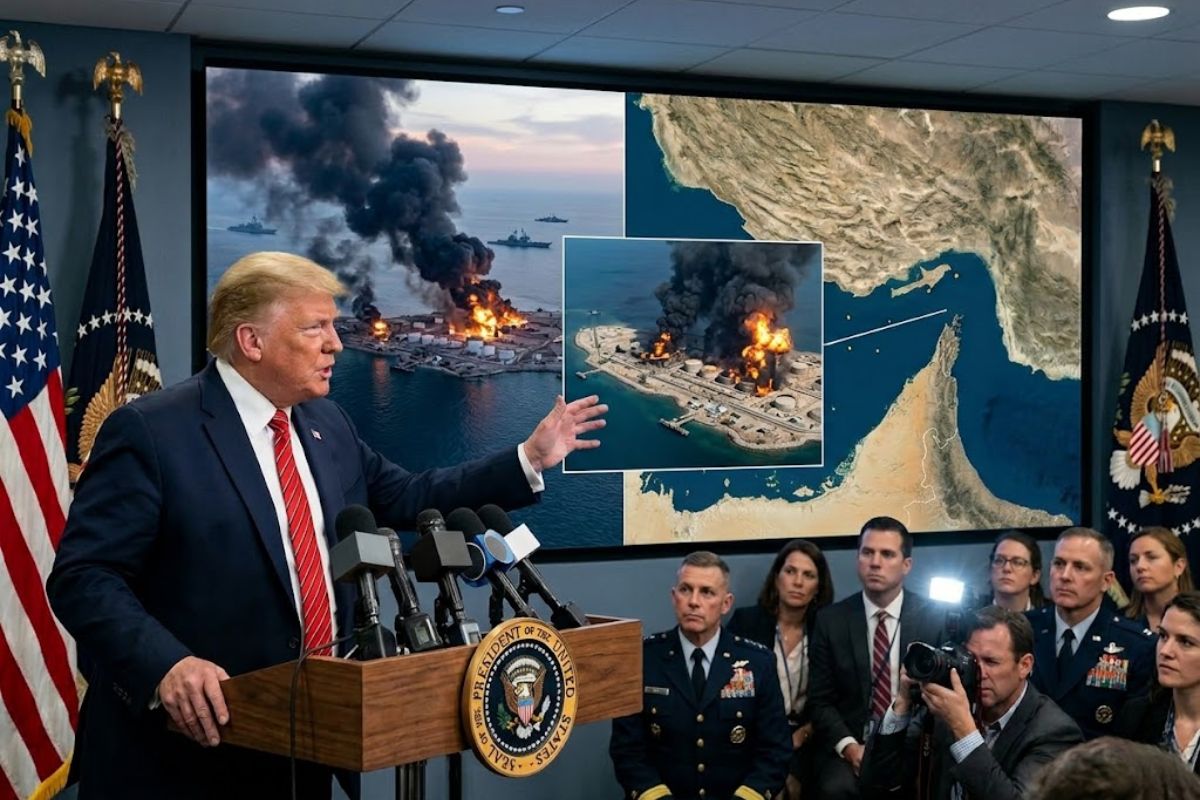
Trump Announces Bombing of U.S. Military Targets on Iranian Island Responsible for About 90% of Iran’s Oil Exports, Warns of Further Attacks if Navigation in Strategic Strait of Hormuz Is Threatened

The Economic Game on the International Board

According to InfoMoney, Elon Musk, one of the leading entrepreneurs in the U.S., was a key figure in recent discussions with Chinese representatives. During a meeting with Han Zheng, Musk received a clear invitation: for American companies to continue investing in China. Beijing understands that the presence of these companies is essential for stabilizing bilateral relations and avoiding new frictions.
On the other hand, Trump has already signaled that he will not hesitate to increase tariffs if he deems it necessary. This stance keeps both countries in a tense game of economic chess, where each move has global consequences.
The Sentiment in China: Optimism and Concern
Within China, there is a mix of feelings. On one hand, Xi and Trump maintained a cordial phone conversation, described as “very good” by Trump. On the other, many entrepreneurs and ordinary citizens fear a new escalation of tensions. The memory of the 2018 tariffs is still fresh, and China’s internal challenges – such as a real estate crisis and high youth unemployment – make the country more vulnerable than before.
“If new tariffs are imposed, we will be in trouble,” comments Dominic Desmarais, a foreign businessman based in China. He is not the only one with this concern. The current economic scenario is delicate, and any aggressive measure could intensify the problems.
A New Starting Point or Old Habits?
Mao Ning, spokesperson for China’s Ministry of Foreign Affairs, described the moment as a “new starting point” for relations between the two powers. The question, however, is: will both sides be able to overcome the cycle of conflicts that has marked the last few years?
Diplomacy will play a crucial role in the coming months. The world is watching this relationship, as the impact of a new trade war would not be limited to the two nations – it would resonate globally, affecting supply chains, investments, and financial markets.









Seja o primeiro a reagir!