





 Português
  Inglês
  Espanhol
  4 min de leitura
  80 comentários


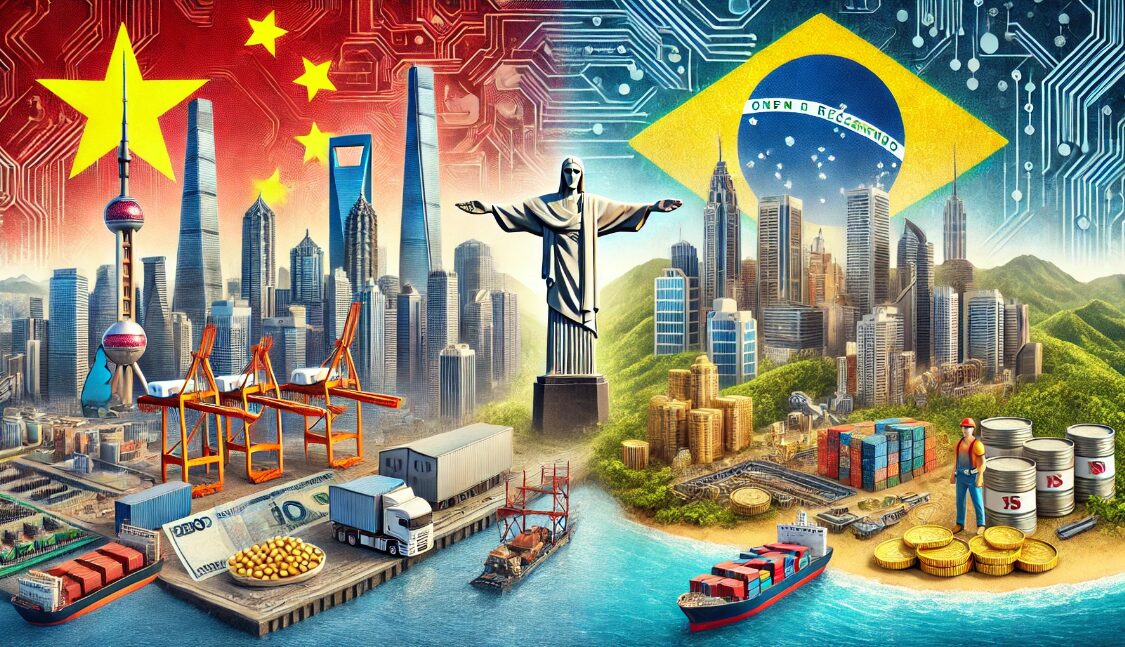

China May Be About to Launch One of the Biggest Consumer Stimulus Packages Ever Seen, with 1 Trillion Yuan Injected Directly into Consumers’ Pockets. This Bold Proposal, Backed by Renowned Economist Li Daokui, Could Change the Course of the Global Economy, with Brazil at the Center of This Revolution.
Imagine a giant economy on the brink of a new economic experiment that could change the global consumption landscape. This is what is happening in China, where an economic proposal that seemed unthinkable is beginning to gain traction among the upper echelons of power. The Idea? Injecting trillions directly into consumers’ pockets to stimulate consumption in an unprecedented way. But this story goes far beyond the numbers.
Is the Beijing government ready to fund the consumption of its citizens? And what are the implications for the global market? Get ready to discover how China could revolutionize global consumption with a proposal that has been under discussion for over a year.
According to experts, the Chinese government is preparing a 1 trillion yuan stimulus for consumption. The proposal advocated by renowned economist Li Daokui, a professor at Tsinghua University, has gained prominence in recent weeks.
-
Brazilian city gains industrial hub for 85 companies that is equivalent to 55 football fields.

-
Peugeot and Citroën factory in Argentina cuts production by half and opens a layoff program for more than 2,000 employees after Brazil drastically reduced purchases of Argentine vehicles.

-
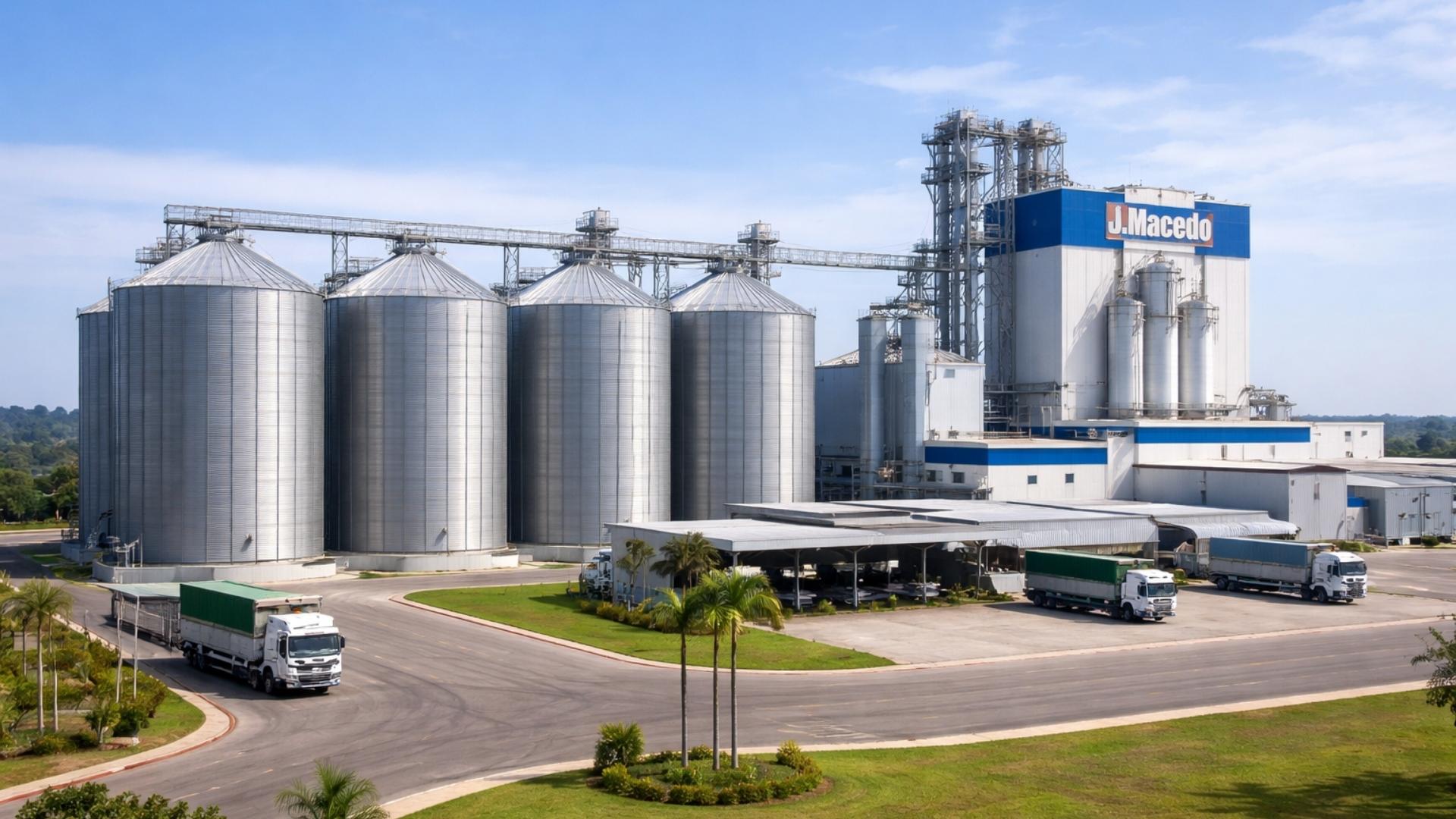
A Brazilian city gains a factory worth R$ 300 million with the capacity to process 200 thousand tons of wheat per year, a mill of 660 tons/day, silos for 42 thousand tons, and an industrial area of 276 thousand m².
-
Havan will leave the shopping mall in Blumenau to inaugurate something that the chain has never done before: a megastore in half-timbered style in the Historic Center of the city, which is expected to be completed in May and change the landscape of local retail.

According to him, the Chinese government is considering directly covering one fifth of consumer spending during Golden Week, the one-week holiday that occurs in October.
This period is considered one of the most important for trade in the country, and the impact of such a financial stimulus could be enormous. The estimated amount is 1 trillion yuan, equivalent to nearly R$ 800 billion.
Li Daokui is an influential figure in the Chinese economic landscape and has been advocating this idea for a year.
Now, with increasing support from fellow economists and coverage in official Party outlets, such as China Daily and the People’s Daily, the proposal seems to be getting closer to reality.
Growing Optimism and the Details of the Consumption Stimulus
Li’s proposal is simple: during Golden Week, the government would subsidize 20% of purchases made by consumers.
This means that if a Chinese person spends 1,000 yuan, 200 would be paid by the government. According to the economist, this quick and direct measure would help stimulate consumption, which is crucial for the recovery of economic growth.
He believes that China needs to break the vicious cycle of low demand that has dragged the economy into a concerning slowdown.
“Reality is the best argument,” argues Li Daokui
Historically, China has always focused its economic stimuli on the supply side, but this view is beginning to shift.
“We have always believed that the economy should be stimulated by supply and not by consumption,” says Li, emphasizing that the current crisis requires a new approach.
“Reality is the best argument,” the economist argues, stressing that the lack of consumption is the main obstacle to the growth of the Chinese economy today.
He also advocates for the removal of barriers to the consumption of goods, such as motorcycles, which are rare in cities like Beijing. According to him, many of these restrictions are outdated and hinder the development of the domestic market.
China Looks to Brazil as a Reference in Consumption
When analyzing the international scenario, Li Daokui highlights Brazil as an example of a consumption-driven economy.
He praises Brazilian consumers for spending more confidently, unlike the Chinese, who are more cautious about the future, worrying about retirement and health.
“We really admire Brazilian consumers,” says Li, suggesting that China should encourage a more consumption-oriented mindset to break the cycle of excessive saving and lack of demand.
This comparison with Brazil, made by Li after a trip to the country, also raises an interesting point about urbanization.
According to the economist, the urbanization rate in Brazil is over 80%, while in China, about 50% of people working in cities do not actually live in them.
He advocates for policies that facilitate permanent migration to urban centers, which would further boost consumption.
Impacts of Protectionism and Trade Relations with Brazil
Another point raised by Li Daokui is the growing protectionism against Chinese products in the United States, Europe, and Brazil. Despite trade barriers, he believes that the demand for Chinese products is still high, especially in the U.S., where the economy is heating up.
However, he warns that, in one or two years, a slowdown in Western economies could create challenges for China, reinforcing the need to stimulate internal consumption.
Regarding Brazil, Li emphasizes the importance of Beijing and Brasília negotiating to reduce protectionist measures.
Additionally, he views with optimism the possibility of more Chinese factories being established in the country, which would benefit both economies.
Li also believes that Brazil could integrate into the Belt and Road Initiative, an ambitious Chinese international infrastructure project. “It’s a win-win agreement,” he emphasizes.
Does the Future of China Depend on Internal Consumption?
As global protectionism and trade tensions rise, China seems to be preparing for a new chapter in its economy.
With Li Daokui’s proposal gaining traction, the Chinese government may be on the brink of taking a decisive step towards direct consumption stimulation.
However, there are still doubts about the long-term impact of this measure and whether it will be sufficient to contain the economic slowdown on the horizon.
Now, the question remains: do you believe Brazil should follow China’s example and implement a plan to directly help Brazilians pay for their consumption items?







Distribuir dinheiro apenas causará hiper-inflação, pois naturalmente reduz seu valor (é oferecido gratuitamente), levando a subida desenfreada dos preços dos produtos. IDEIA DE GIRICO!
E quem irá cobrir os gastos deste dinheiro sendo dado? É uma ingenuidade ou maldade acreditar que uma economia onde o governo passa a dar dinheiro a sociedade é benéfica. Depois de um tempo estarão todos dependentes desse “incentivo” e fadados a receber somente o que o governo determinar. Isso já está sendo implantado no Brasile não me admira que a china queira fazer o mesmo, como também não me admira nem um pouco o estreitamento das relações entre as duas nações. Já passou da hora de acordar.
Se for verdade e algo der certo, o presidente condenado por corrupção e Rei da Mentira, dirá aos i-d-i-o-t-a-s que o mérito foi dele, como fez quando o Brasil surfou na onda da China, entre 2002 e 2008. Podem esperar!