





 Portuguese
  English
  Spanish
  4 min of reading
  0 comments


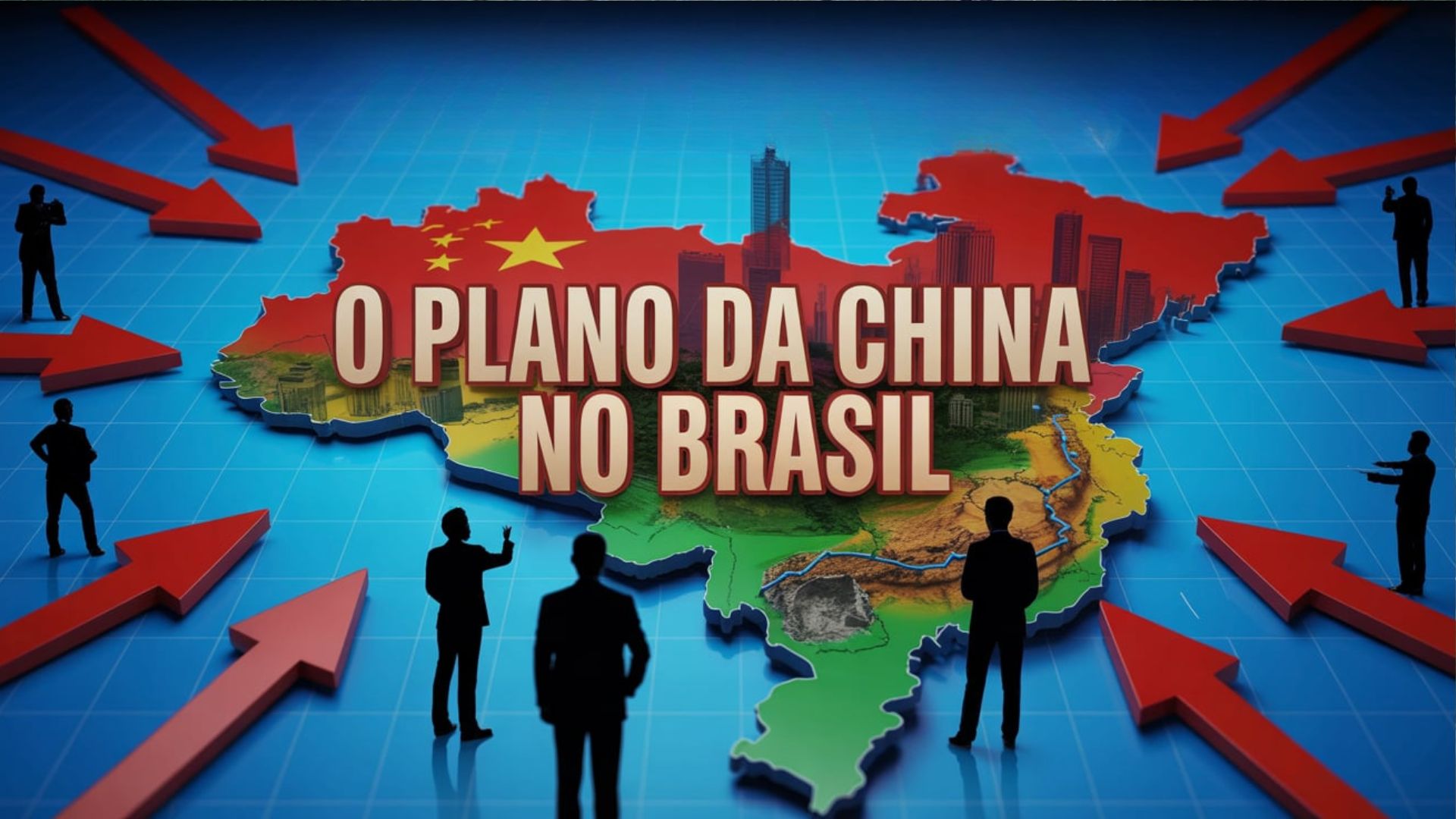
Chinese Strategy Uses Brazil As Base For Multinationals To Expand Business In Latin America, Intensifying Global Trade Disputes And Expanding Investments In National Strategic Sectors.
The Chinese government has confirmed a strategic move that is expected to directly impact the Brazilian economic and commercial landscape in the coming years.
Chinese Prime Minister Li Qiang officially declared during the BRICS summit in Rio de Janeiro, held this Tuesday (08), that the country intends to transform Brazil into a platform for the expansion of Chinese companies throughout Latin America.
The announcement reinforces the presence of Chinese multinationals on Brazilian soil and demonstrates the intention to expand businesses into neighboring markets, using Brazil as the main operational base.
-
Larger than entire cities in Brazil: BYD is building a 4.6 km² complex in Bahia with a capacity for 600,000 vehicles per year, but the discovery of 163 workers in conditions analogous to slavery has shaken the entire project.

-
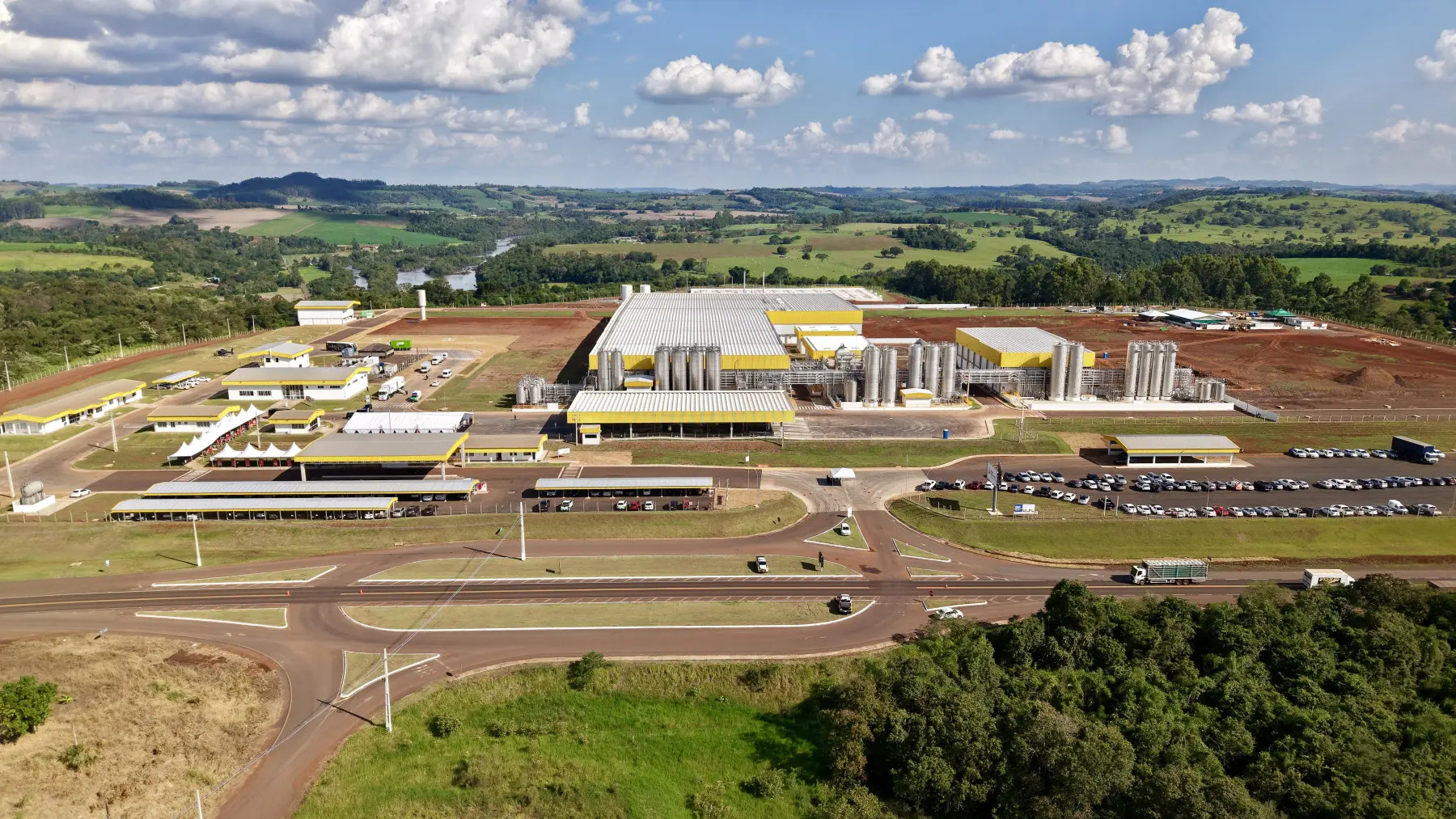
With an investment of R$ 612 million, a capacity to process 1.2 million liters of milk per day, Piracanjuba inaugurates a mega cheese factory that increases national production, reduces dependence on imports, and repositions Brazil on the global dairy map.
-
Brazilian city gains industrial hub for 85 companies that is equivalent to 55 football fields.

-
Peugeot and Citroën factory in Argentina cuts production by half and opens a layoff program for more than 2,000 employees after Brazil drastically reduced purchases of Argentine vehicles.


Chinese Expansion In Brazil And Latin America
According to information published by the website Poder 360, at the meeting with representatives of some of the leading Chinese companies established in Brazil, Li Qiang emphasized that the international economic environment has become more complex in light of the rise of global protectionism.
The Prime Minister highlighted that “the scenario is challenging,” but argued that, even in this context, China is ready to devise strategies to further strengthen its multinationals, not only on Brazilian territory but throughout Latin America.
According to Li Qiang, the advancing protectionist measures in various parts of the world demand new approaches to ensure the growth of Chinese companies abroad.
The Chinese leader did not directly mention the United States, but the context of the speech alludes to trade barriers recently imposed by the U.S. government, particularly against products and companies originating from China.
Li Qiang emphasized that companies should “deeply cultivate the local market, provide consumers with more popular products and services, and use Brazil as a platform to expand the Latin American market in general, seeking greater development”.
Trade Disputes And Economic Impact
The Chinese plan is driven by the search for new markets in light of the trade disputes and restrictions faced in other continents.
In recent months, the European Union (EU) and China have been engaged in a trade battle, especially in the health sector, with mutual restrictions imposed on companies’ participation in public bidding.
In June 2025, the EU restricted the operation of Chinese companies in public contracts above 5 million euros, a measure that China quickly responded to by prohibiting European companies from participating in similar bids in the Asian country.
Despite these tensions, the Prime Minister highlighted that the Chinese economy has maintained resilience.
According to Li Qiang, the results of the first half of 2025 demonstrate that the country was able to record economic growth, even amid the adversities imposed by international trade disputes.
Chinese Companies Strengthen Presence In Brazil
In Brazil, the advance of Chinese multinationals is already a reality.
At the meeting in Rio de Janeiro, executives from companies in various sectors, such as energy, finance, technology, food, and the automotive industry, were present.
Among the companies making their mark in the Brazilian market are:
- State Grid (energy)
- Banco da China (finance)
- GWM – Great Wall Motors (automotive)
- Goldwind (renewable energy)
- Dahua Technology (technology and security)
- Cofco (food)
- Gree Electric (home appliances)
- Zhongtian Technology (technology and special cables)
These companies have been investing in large-scale projects in Brazil, expanding their participation in the domestic market and creating a bridge to Latin America.
The Banco da China offers credit lines and financial solutions aimed at large infrastructure and foreign trade projects.
The State Grid is responsible for some of the main power transmission projects in the country, connecting producing regions to major consumer hubs.
In the automotive sector, GWM has been expanding its operations with new factories and the launch of electric vehicles, following the sustainability trend that has gained traction in Brazil and throughout South America.
Investments And Chinese Influence On Brazilian Development
The intensification of this Chinese presence is also occurring amid the growth of foreign direct investment in Brazil.
According to data from the Central Bank released in June 2025, China ranks among the top international investors, especially in sectors considered strategic, such as renewable energy, infrastructure, and technology.
The Chinese movement reflects the search for alternative markets in light of restrictions in other economic blocs, in addition to addressing the growing demand in Latin America for innovation, technology, and financing for large projects.
In the global context, the Chinese commercial offensive raises questions about the dependence of Latin American countries on foreign investments, especially in critical segments such as energy, food, and technology.
International relations experts evaluate that Brazil can benefit from the arrival of capital and technology but also needs to adopt policies to ensure balance in its relations with major powers, preserving national interests and promoting sustainable development.
Global Strategy And Future Of Brazil-China Relation
The plan announced by Li Qiang does not occur in isolation.
In recent years, the Chinese government has encouraged the internationalization of its companies as a way to circumvent trade barriers and secure new markets for their products and services.
The use of Brazil as a springboard to conquer Latin America is part of a broader strategy that includes bilateral agreements, investments in infrastructure, and partnerships in cutting-edge sectors.
While the international scenario points to an intensification of trade disputes, the Chinese presence in Brazil is likely to consolidate even further.
The advancement of companies like State Grid, Banco da China, and GWM may transform the country into a true gateway for Chinese-origin products, services, and technological solutions throughout the Latin American continent.








Seja o primeiro a reagir!