





 Portuguese
  English
  Spanish
  3 min of reading
  0 comments


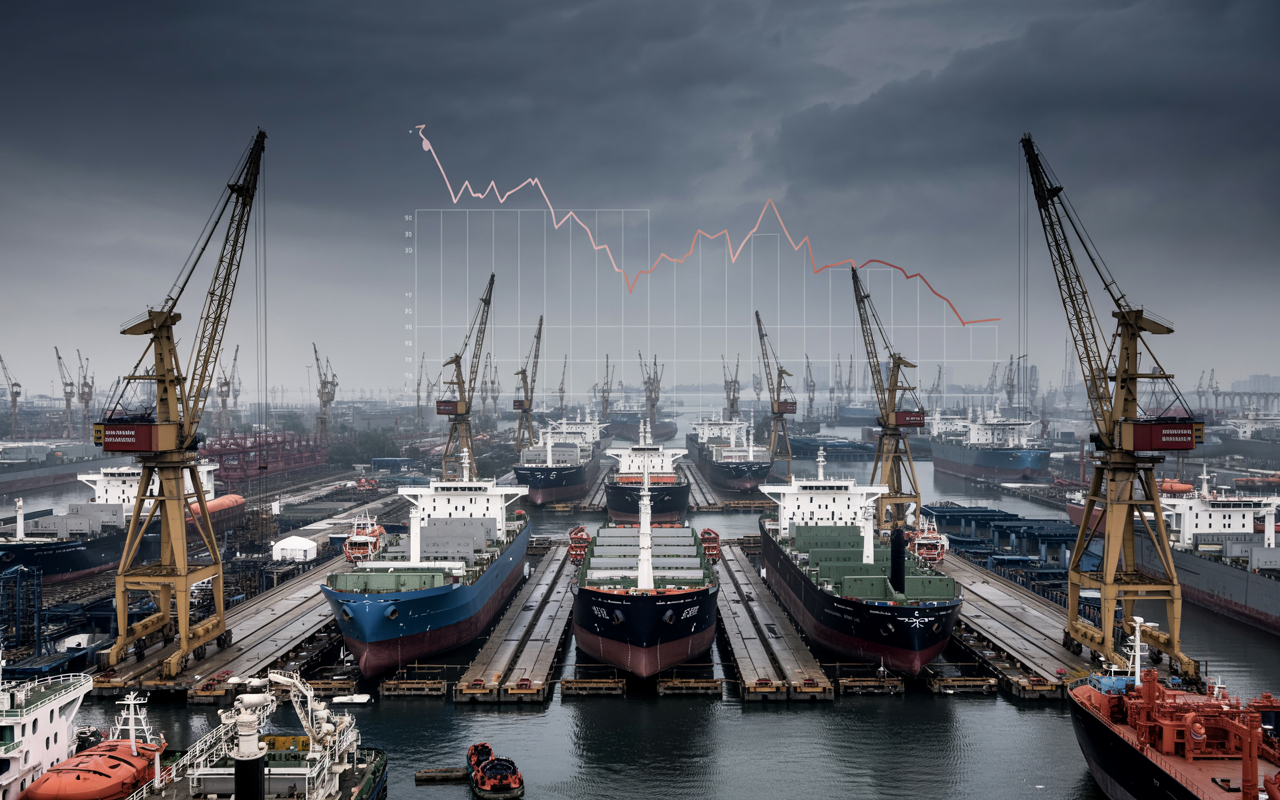
Global Orders For New Ships Fall To Lowest Level In Four Years, As Chinese Shipyards Seek To Maintain Global Leadership Amid Uncertainties And External Pressures.
The Chinese shipbuilding industry, the world leader in the sector, is undergoing a period of adjustment with a significant decline in orders for new ships. According to data released by China Shipbuilding News, only 71 ships were ordered globally in May of this year, totaling 1.66 million gross tons. This represents a 55% reduction compared to the same period last year. The volume has been decreasing for five consecutive months, with a decline of more than 50% in gross tons.
Chinese Shipbuilding Industry Faces Lower Demand After Peak In 2024
According to experts, the sector peaked in 2024, after three years of strong growth in the global market. Data from Clarksons indicates that last year there were 2,390 orders for new ships, totaling 65.55 million gross tons — the highest volume in 17 years. This trend occurred in a cycle that began in 2021, driven by fleet renewal and the pursuit of more efficient and environmentally friendly vessels.
Chen Jun, vice president of the Shanghai Society of Shipbuilding and Ocean Engineering, explained that after the peak, shipowners’ demand stabilized and went through a saturation process, making the current phase of retraction a natural occurrence in long-term cycles such as those in the shipbuilding industry.
-
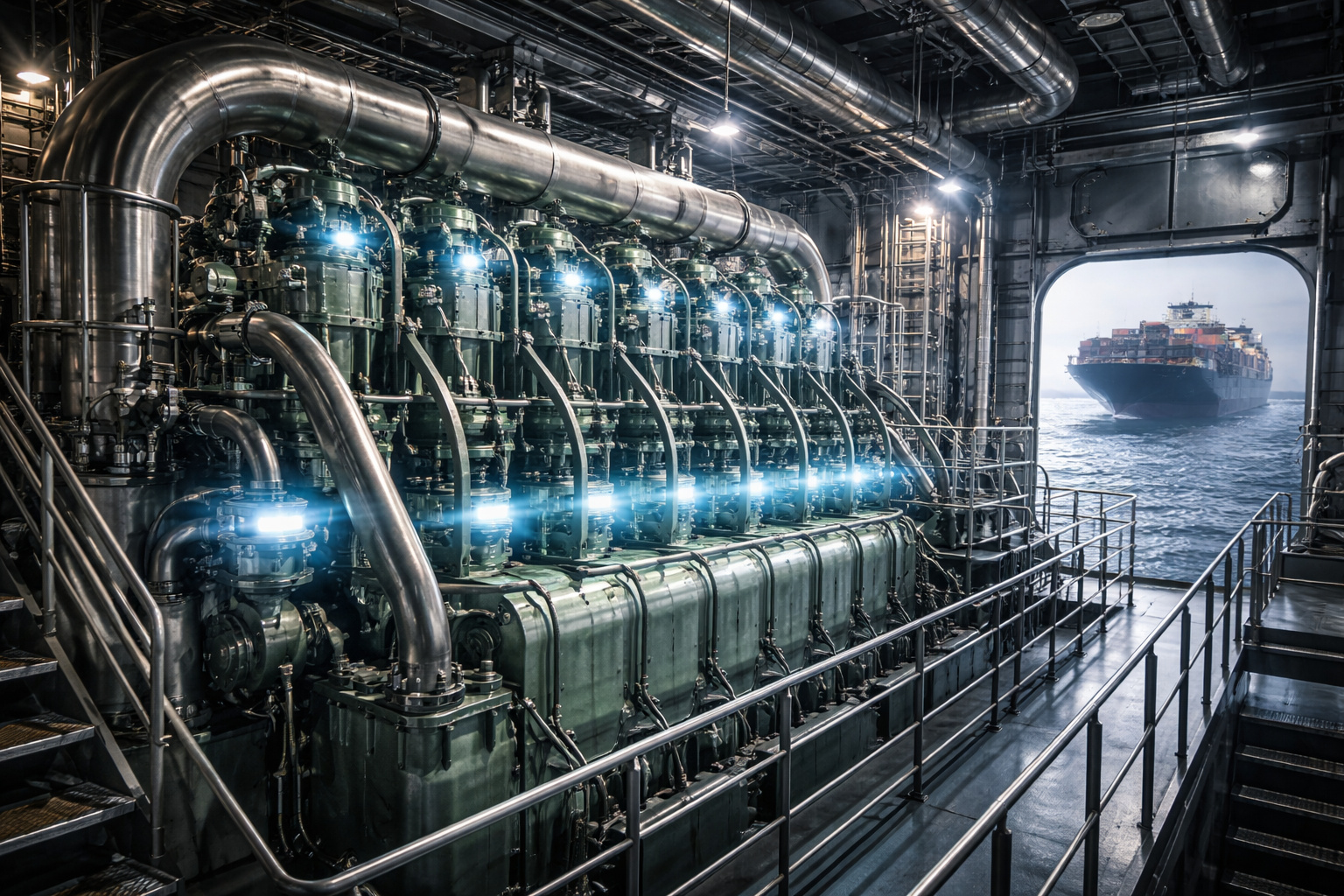
Europe is trying to create an ammonia-powered marine engine without auxiliary fuel, which could unlock the race for giant emission-free ships. The technology aims to eliminate one of the biggest obstacles to clean maritime propulsion.
-
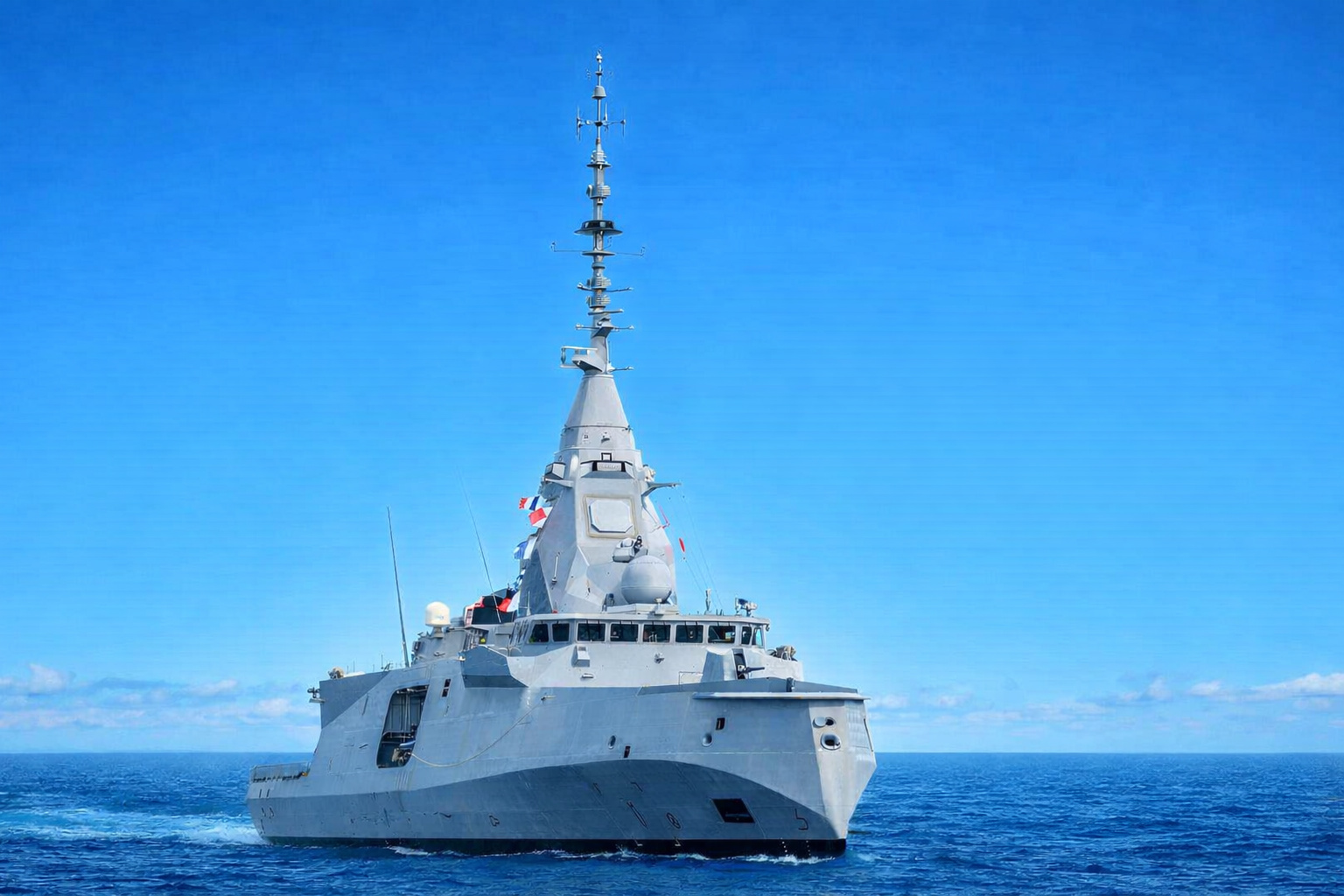
A 4,500-ton frigate with just over 100 crew members, state-of-the-art radar, and cruise missiles is being touted as the new standard of naval warfare in the 21st century.
-
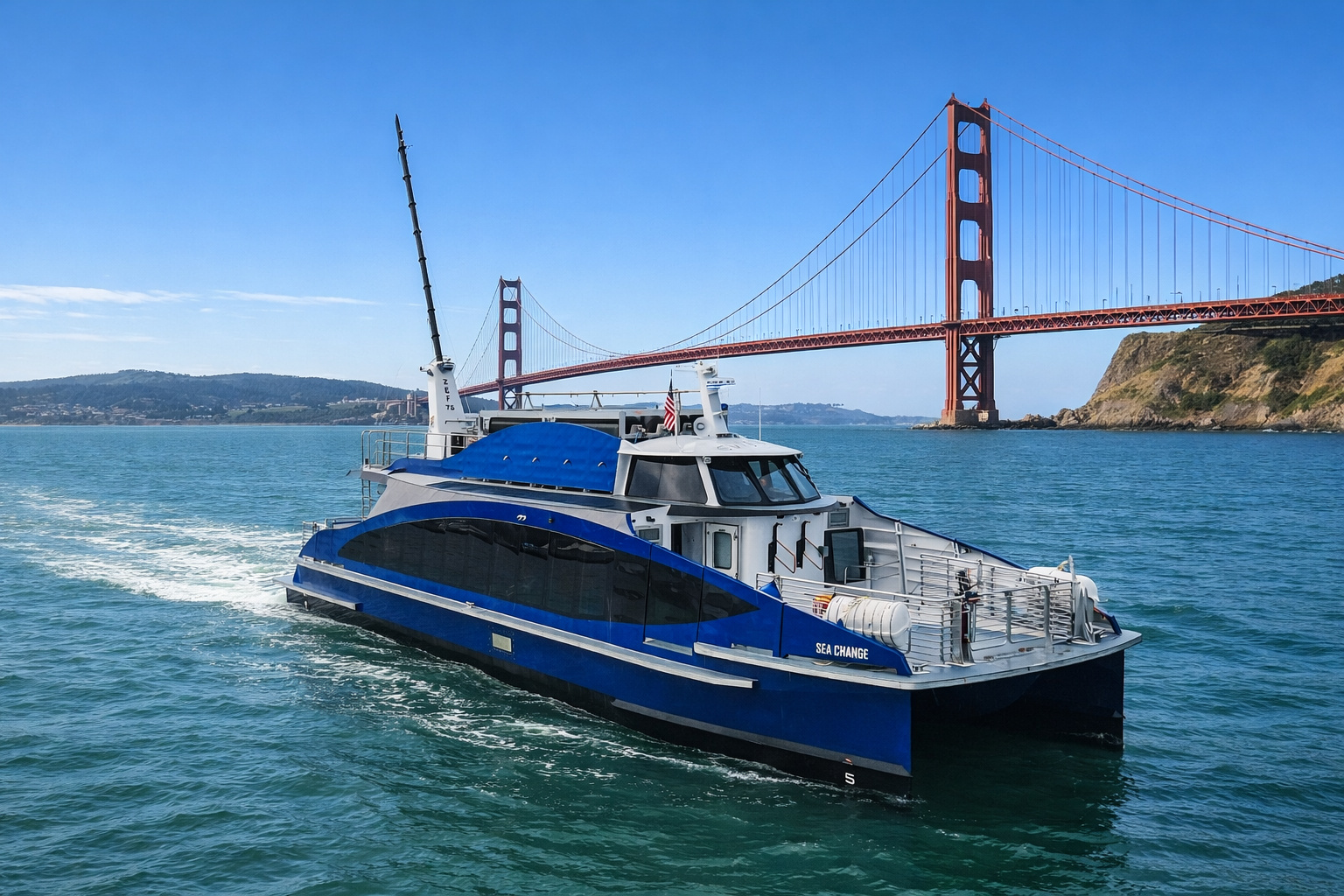
The first commercial hydrogen-powered ferry enters operation in the U.S., eliminates the use of diesel, uses fuel cells to generate clean energy on board, and transforms San Francisco Bay into a landmark of the new era of emission-free navigation.
-
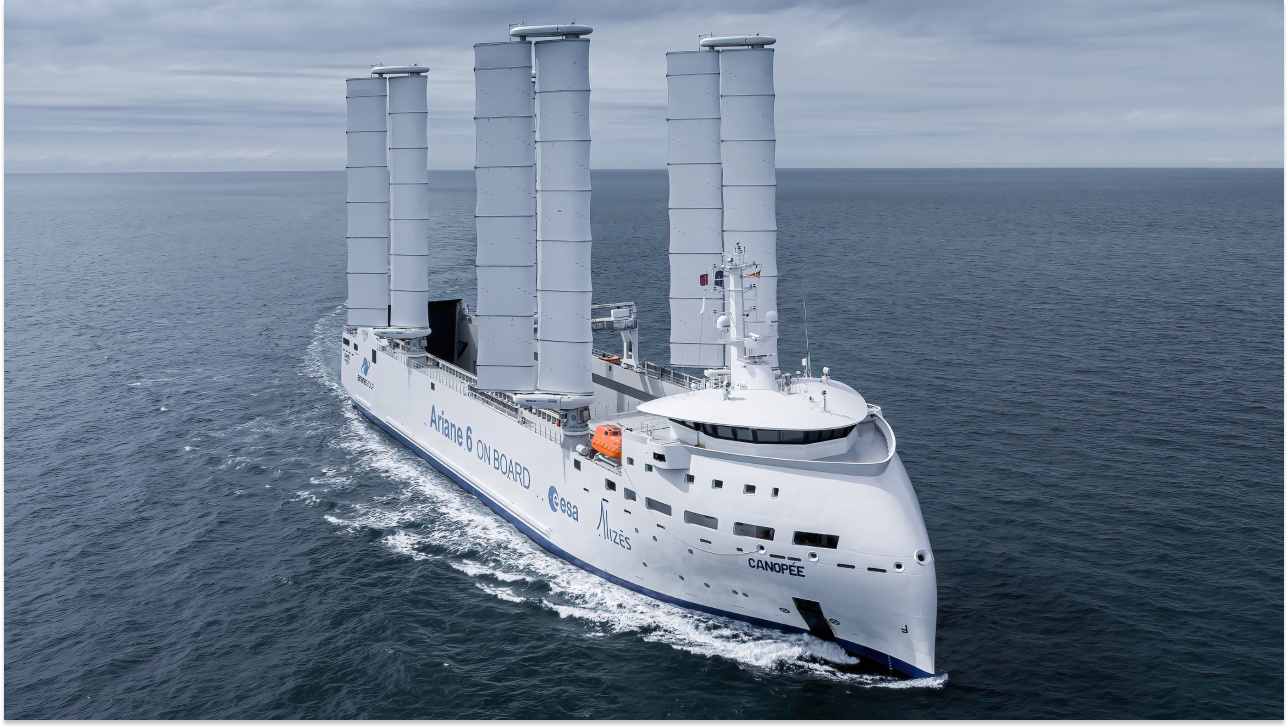
With a length of 121 meters and four rigid sails of 36 meters that automatically rotate to capture the wind, Canopée is the world’s first hybrid industrial cargo ship powered by wind, used to transport rockets and reduce fuel consumption by up to 30% on transoceanic routes.

U.S. Restrictive Policies Increase Uncertainty In The Sector
In addition to the natural cycle contraction, restrictive policies adopted by the United States against the Chinese shipbuilding industry have contributed to increasing uncertainty in the market. The measures, based on the so-called “Section 301 investigation,” include additional tariffs on ships built by Chinese shipyards, Chinese shipping companies, and specific types of vessels.
In parallel, the “American Ships Act” bill, reintroduced in the U.S. Congress, proposes additional port charges for vessels linked to China, affecting not only ships owned by Chinese entities but also those operated by third parties with a history of construction or maintenance at Chinese shipyards.
Chinese Shipyards Maintain Global Leadership Despite The Decline
Even in the challenging environment, Chinese shipyards maintain their leadership position. In the first five months of this year, they received 274 new ship orders, totaling 7.86 million modified gross tons and accounting for about 49% of global orders. China remains ahead of South Korea, which during the same period recorded 95 orders, representing 24% of the global share in modified gross tonnage.
The competitive advantages of China, such as production capacity, efficiency, cost, and integrated supply chain, strengthen its position in the market. Leadership in delivery volume, new orders, and order backlog has been maintained for 15 consecutive years.
Chinese Shipbuilding Industry Seeks Strategies To Face Challenges
Experts state that in the current context, Chinese shipyards need to adopt strategies to reinforce their position and face the uncertain external environment. Chen Yang, editor-in-chief of Xinde Maritime Network, emphasizes that the focus should be on industrial modernization, on the construction of green and smart ships, and on consolidating advantages in cost and quality.
He assesses that despite the geopolitical challenges, alternatives to Chinese supply are limited. South Korea and Japan, traditional competitors in the shipbuilding industry, face capacity and labor limitations. Meanwhile, emerging markets such as India and Southeast Asia still lack the infrastructure to absorb large-scale orders.
Outlook For The Global Market
Analysts predict that demand for new ships will continue at a moderate pace in 2025, with a potential decline between 20% and 25% in global orders compared to last year. Despite this, China is expected to maintain a share of over 50% in the global market, with South Korea accounting for between 30% and 40% and Japan close to 10%.
For Chen Jun, the focus should be on ensuring high-quality development to overcome external uncertainties and keep the Chinese shipbuilding industry competitive in the international arena.









Seja o primeiro a reagir!