





 Portuguese
  English
  Spanish
  3 min of reading
  0 comments


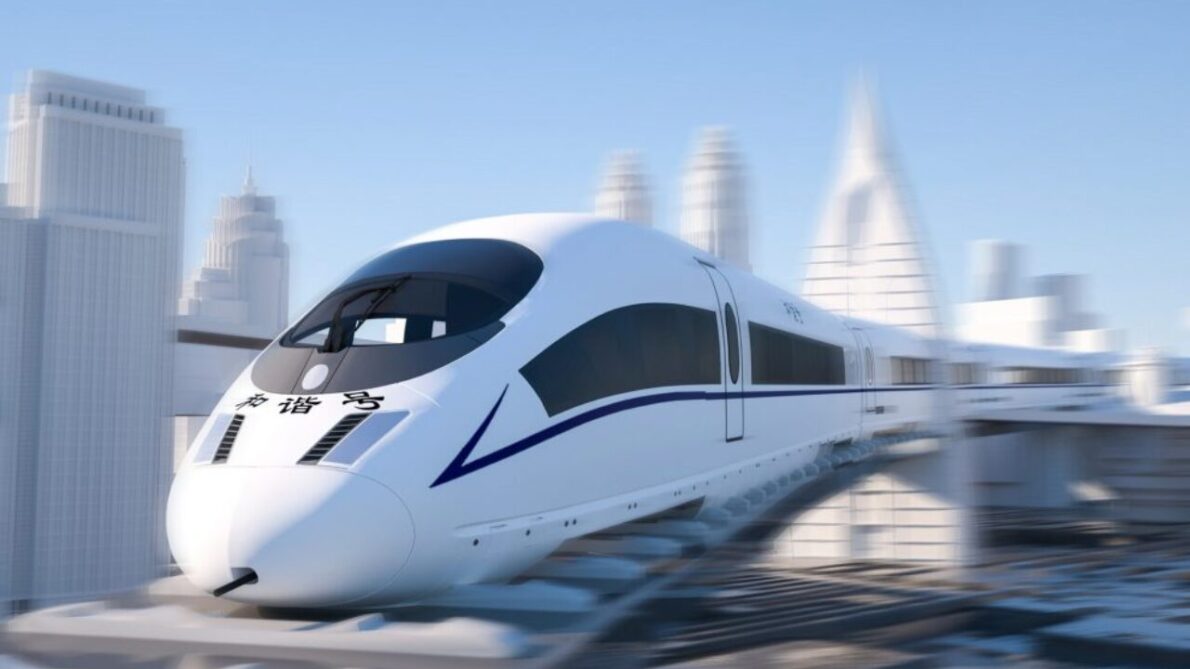
China Inaugurates High-Speed Train Line in Gansu, Boosting Regional and Economic Connections.
China has reached another significant milestone in the development of its railway infrastructure with the inauguration, at the end of June, of a new high-speed train section in Gansu province, in the northwest of the country. The new line connects the provincial capital, Lanzhou, to the city of Wuwei, spanning 193 km and operating with trains that reach speeds of up to 250 km per hour. This section is part of a larger project aimed at integrating the Northwest region, including the Xinjiang capital, Urumqi, into the national railway network.
Expansion of China’s High-Speed Railway Network
The Lanzhou-Wuwei line not only increases regional connectivity but also marks the achievement of the goals set for the expansion of high-speed railways in China by 2030.
The country already has an extensive network of 45,000 km of high-speed train lines, a result of a strategic plan initiated in 2004 with the Medium and Long-Term Railway Network Plan.
-
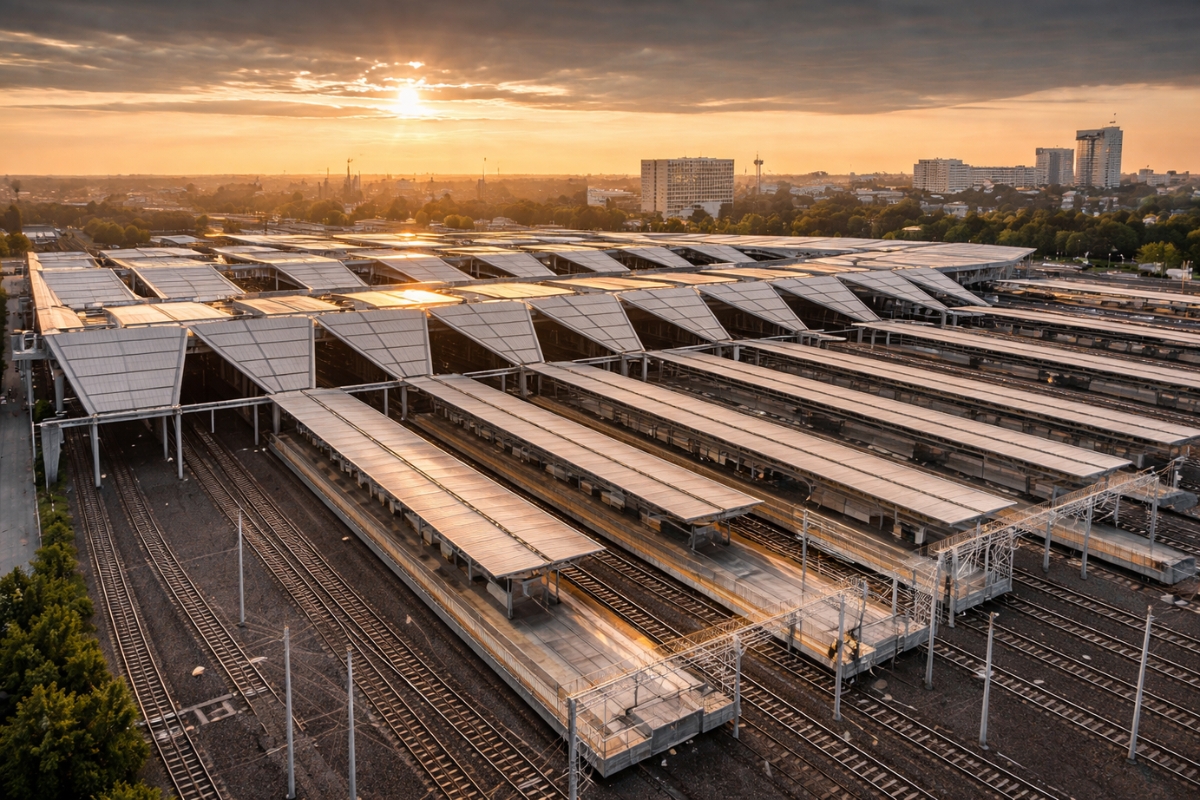
In A European City, The Country’s Largest Railway Junction Was Modernized Without Closing Its Doors, Kept Trains Running During Years Of Construction, Now Serves Up To 60,000 Passengers Per Day, And Installed Solar Panels That Generate About 30% Of Its Energy
-
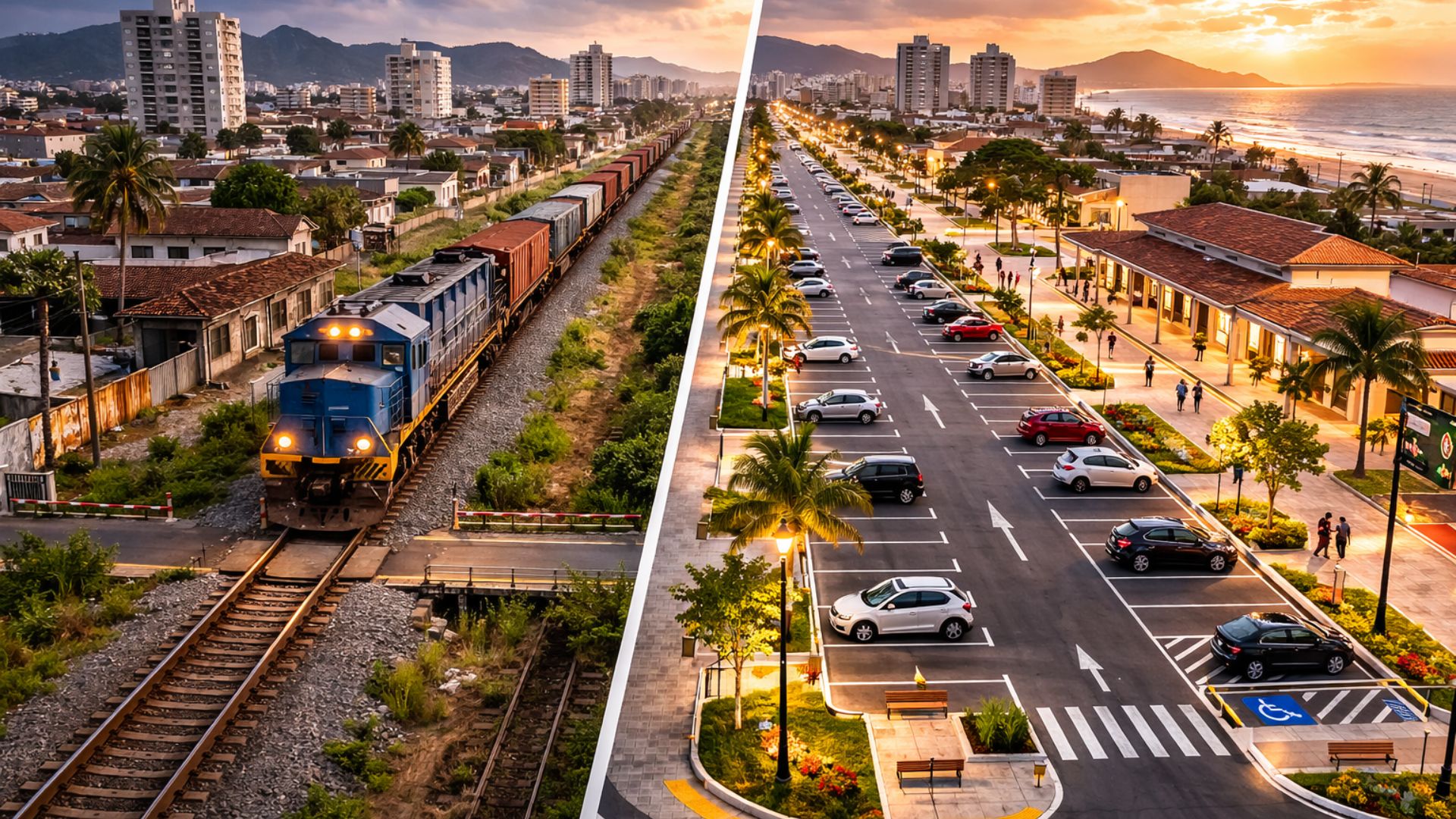
Famous Brazilian Railway May Become a Parking Lot
-
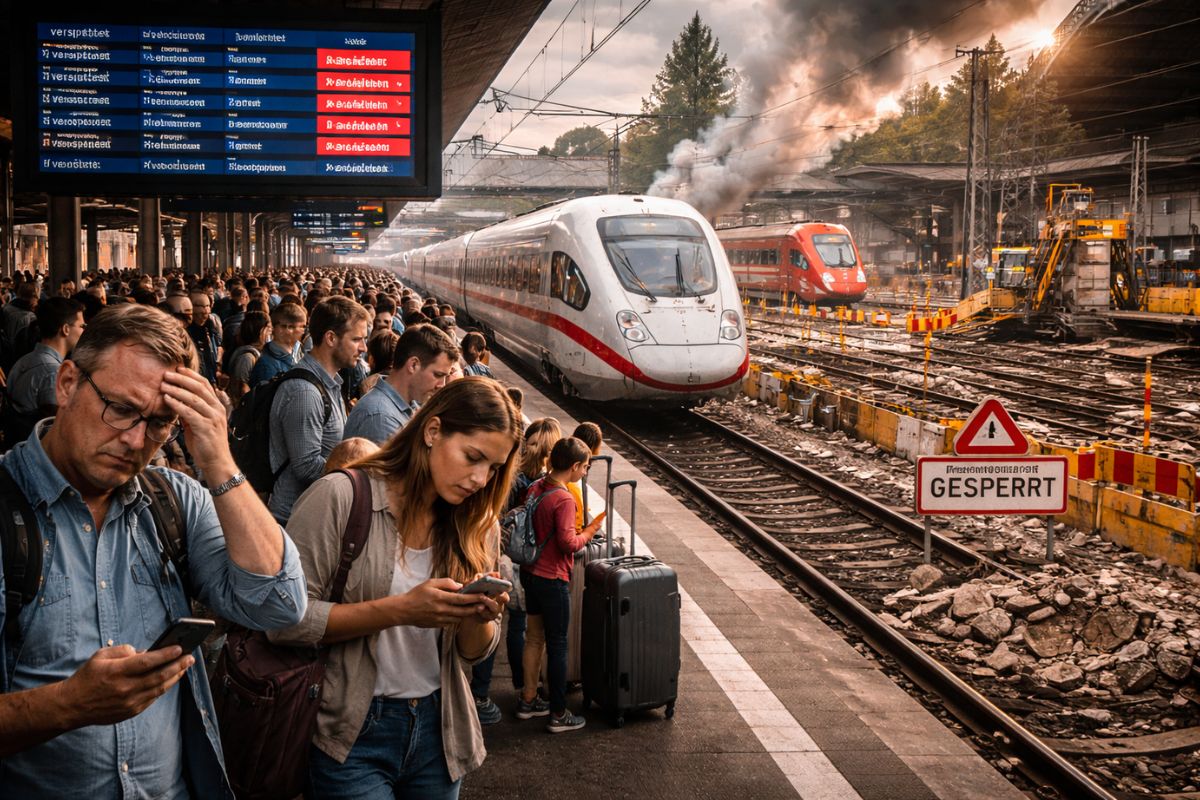
The Country of “Punctual As a Train” Admits It Has Lost Control: High-Speed Trains Delay, Stop, Disappear from the Map and Turn 6-Hour Trips into 10, While Deutsche Bahn Promises Restructuring in 2026 But Faces 19th Century Infrastructure, Staff Shortages and Sections Closed for Months
-
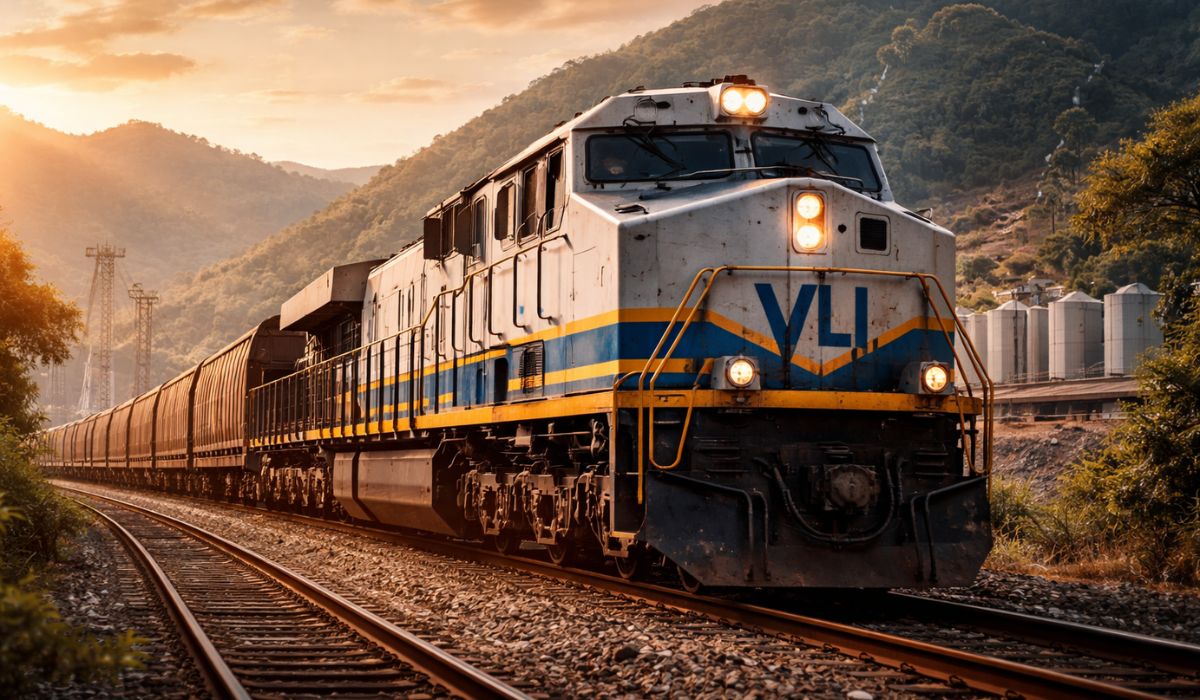
With an Investment of R$ 700 Million in One of the Country’s Main Rail Networks, VLI Reinforces Infrastructure, Receives 8 New Locomotives, and Expands the Corridor Connecting 7 States, Boosting Jobs and the Transportation of Grains, Ore, and Oil Products to the Port of Santos

This plan was revised in 2016 to anticipate objectives, including the creation of the so-called “eight verticals and eight horizontals,” which aim to significantly improve interconnection between regions.
Social and Economic Impacts of the New Line
The development of this infrastructure is not limited to the improvement of urban mobility.
It also plays a crucial role in rural revitalization and poverty reduction, supporting the ongoing program to eradicate extreme poverty in China.
According to Manmohan Parkash, a transportation specialist at the Asian Development Bank, the discipline and skills of the Chinese workforce have been fundamental to the success of the projects, which introduce new techniques and practices of efficiency in railway management.
Local Benefits and Tourism Potential for the New High-Speed Train Line
The new high-speed line not only increases passenger transport capacity but also opens new opportunities for freight transport, directly benefiting regions such as Tianzhu, a county with a majority Tibetan ethnic population known for its agriculture, livestock, and tourism.
The inauguration of a station in this region promises to boost the commercialization of local products, such as yak meat, contributing to local economic development.
Hao Yuqin, from the Tianzhu Cultural Tourism Company, highlights the potential of the new station to attract tourists and foster new businesses, as well as strengthen the regional economy.
It is expected that the high-speed infrastructure will not only facilitate access to services and markets but also help contain internal migration, providing opportunities within the communities themselves.
The Future of China After the Inauguration of This Project
With the success of these projects, China not only reinforces its position as a global leader in transportation infrastructure but also sets new standards for sustainable and inclusive economic development.
The continuous expansion of the high-speed railway network not only connects cities and regions but also strengthens commercial and cultural ties within the country and beyond its borders.
The inauguration of the Lanzhou-Wuwei line represents not just a technological advancement, but also a significant step toward a more integrated and prosperous future for China and its peripheral regions.










Seja o primeiro a reagir!