





 Português
  Inglês
  Espanhol
  2 min de leitura
  0 comentários


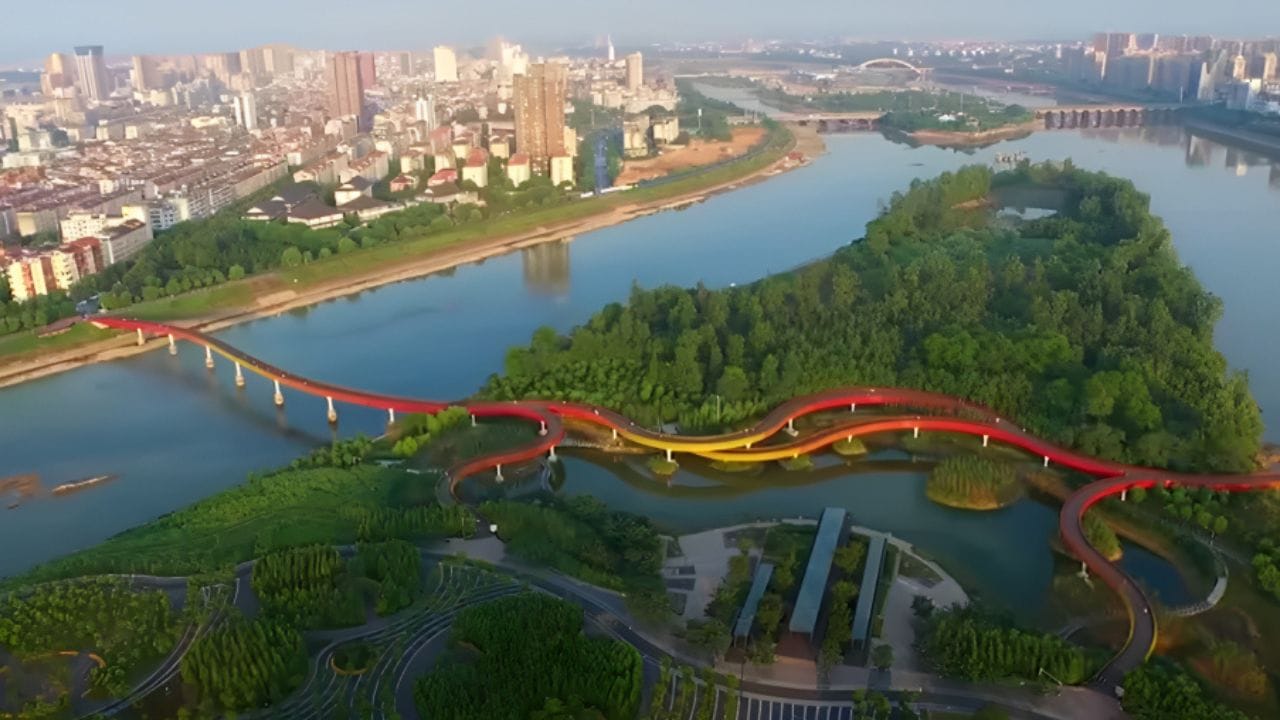
Although they are not a definitive solution, they offer a way to live more sustainably with the environment. China is at the forefront of this innovation, showing how the integration of nature into urban infrastructure can make a significant difference in the quality of life in cities.
Amid the challenges posed by climate change, China is adopting an innovative approach to make its cities more resilient to flooding. The concept of “sponge cities” is being implemented in various regions of the country, combining natural infrastructure with advanced engineering techniques.
What Are Sponge Cities?
Sponge cities are designed to absorb and reuse rainwater, reducing the risk of urban flooding. These cities utilize urban parks, such as the one in Nanchang, filled with native trees and volcanic rocks, to create an effective natural drainage system. The goal is to improve urban drainage and flood prevention while also creating a biologically diverse environment.
Biodiversity plays a crucial role in defending the Earth against climate change. Healthy cities, with forests and native plants, are essential for carbon dioxide absorption and supporting crop pollination. However, continuous urban expansion can lead to habitat loss and negatively impact global biodiversity.
-
A megaproject worth R$ 89 billion is advancing in Iraq and promises to change the game in global trade by creating a new corridor between Asia and Europe, reducing traditional routes and repositioning the country as a logistics powerhouse.

-
Goodbye bedside table: floating shelves become a trend in 2026 by freeing up space in the bedroom, improving circulation, bringing visual lightness, and integrating technology without taking up floor space.

-
Israel, Greece, and Cyprus signed an agreement in 2020 to transport gas from the Mediterranean to Europe via a 1,872 km pipeline, but Turkey claimed sovereignty over part of the maritime route, and the project never materialized.
-
Israel, Greece, and Cyprus signed an agreement in 2020 to transport gas from the Mediterranean to Europe via a 1,872 km pipeline, but Turkey claimed sovereignty over part of the maritime route, and the project never materialized.

Implementation of Sponge Cities in China
In 2015, China launched a pilot program in 30 cities to promote the construction of sponge cities. Architects and engineers are reintegrating natural solutions, such as rain gardens and native trees, to complement the existing gray infrastructure. These solutions are inspired by ancient drainage systems that had already proven effective in stormwater management.
Despite the benefits, sponge cities face limitations; in 2021, the floods in Zhengzhou revealed that these systems have a limited capacity to absorb water. We can also say that the implementation of sponge infrastructure varies significantly from city to city due to climatic, hydrological, and socioeconomic differences.

Adaptation of Cities in the USA
In the United States, cities like Los Angeles and Boston are adapting the concept of natural infrastructure, using existing green spaces. They are experimenting with planting vegetation on sidewalks and creating green spaces in medians. According to Folha, flooding has increased in the U.S., and some incidents have even led to fatalities; in Brazil, it is no different, and we eagerly await innovations similar to those in China in our country.










Seja o primeiro a reagir!