





 English
  Francês
  Alemão
  Italiano
  Japonês
  Norueguês
  Portuguese
  Spanish
  3 min of reading
  4 comments


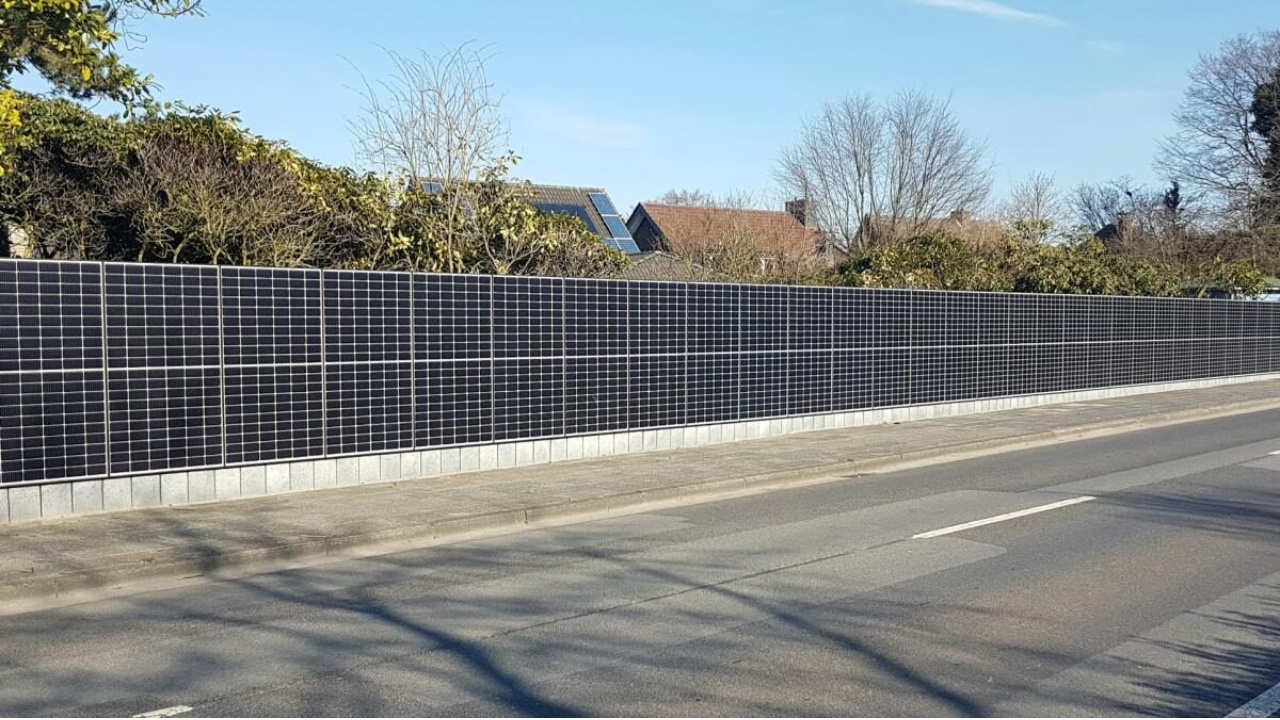


With Mass Production in China, Solar Panels Reach Historic Prices and Are Now Installed on Walls and Fences, Changing the Traditional Concept of Solar Energy Generation.
For decades, the classic image of solar energy has been linked to sloped rooftops and large power plants in the countryside. However, this logic is beginning to change rapidly. Now, solar panels are being installed on walls, fences, and facades.
The change has a clear reason: price. With mass production led by China, photovoltaic modules have reached values that, just a few years ago, seemed impossible. In some markets, they are already sold for around US$ 0.10 per watt. In 2010, the price exceeded US$ 1 per watt.
Moreover, since 2022, there has been a cumulative decrease of approximately 50% in prices. This movement has completely altered the math of the sector. If before each panel needed to be in the most efficient position possible, today the focus has shifted to the total cost of the project.
-
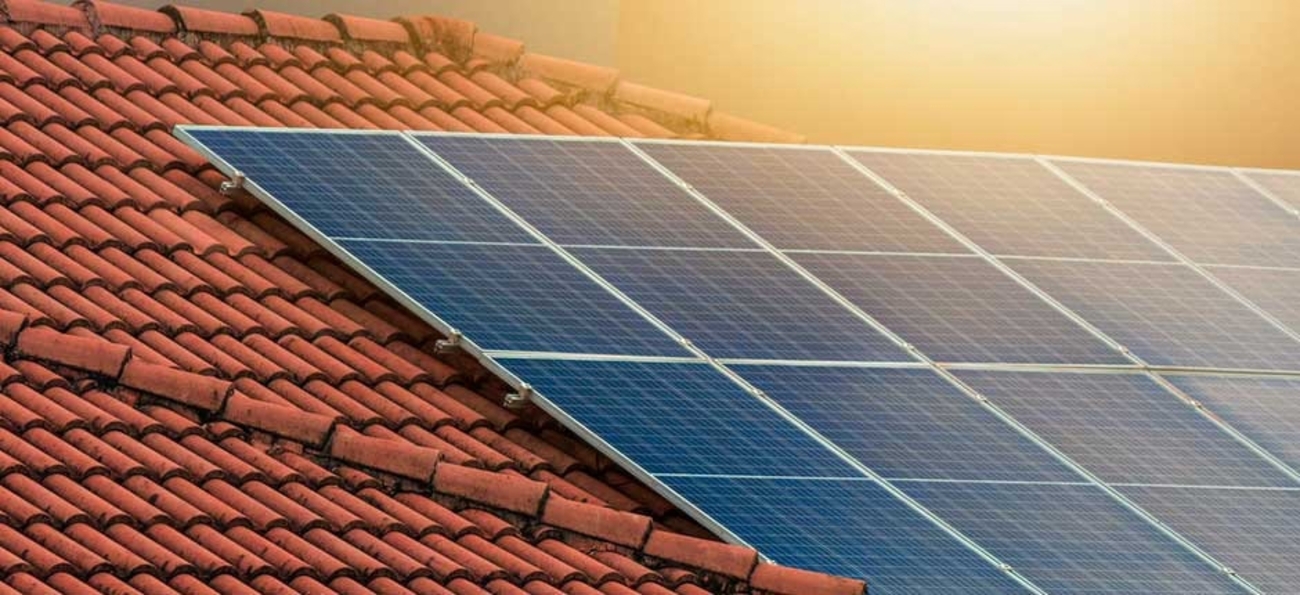
Roraima bets on the sun to escape high tariffs: Amid the energy crisis and price hikes, solar energy is growing in Roraima and transforming consumption in the North region.
-
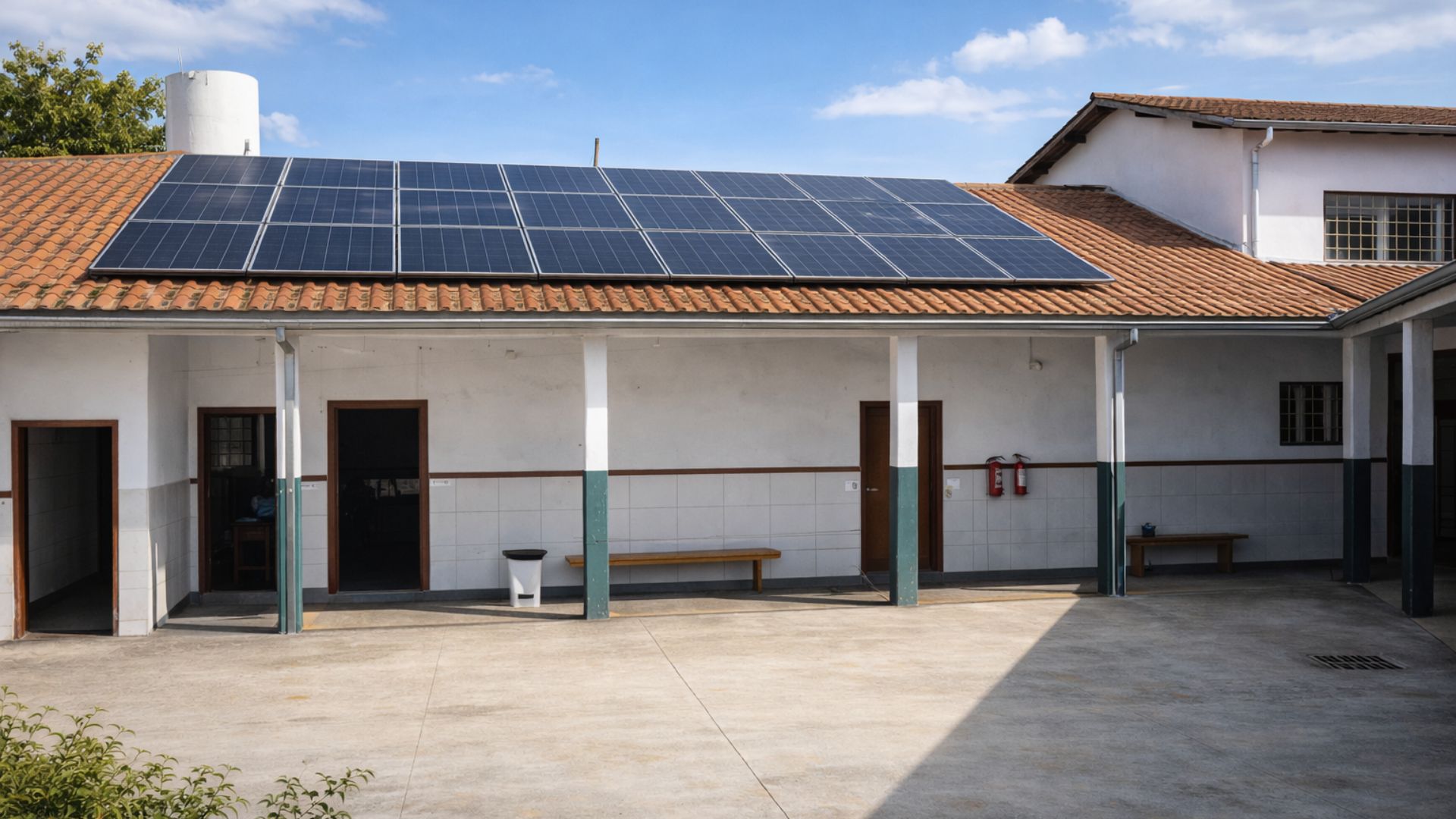
Copel boosts solar energy in Paraná and brings innovation to public schools, promoting savings on electricity bills, energy efficiency, and a direct impact on the quality of education.
-
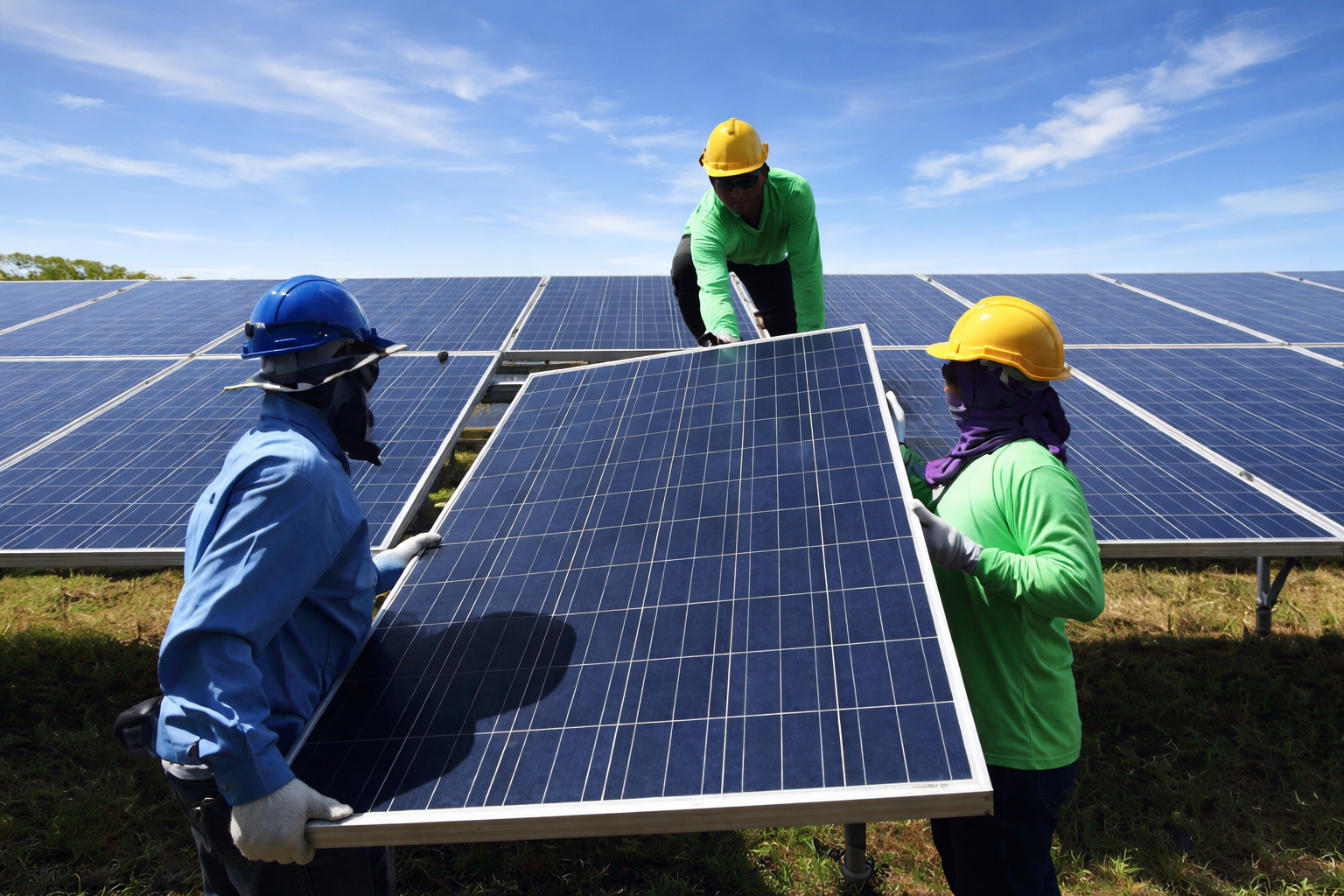
Brazil reaches historic milestone in solar energy: Sector surpasses 2 million accumulated green jobs and generates billions in the national economy even under market pressure.
-
Minas Gerais takes the lead in renewable energy: State surpasses historic mark of 14 GW in solar energy generation in MG and consolidates dominance in the Brazilian electric sector.
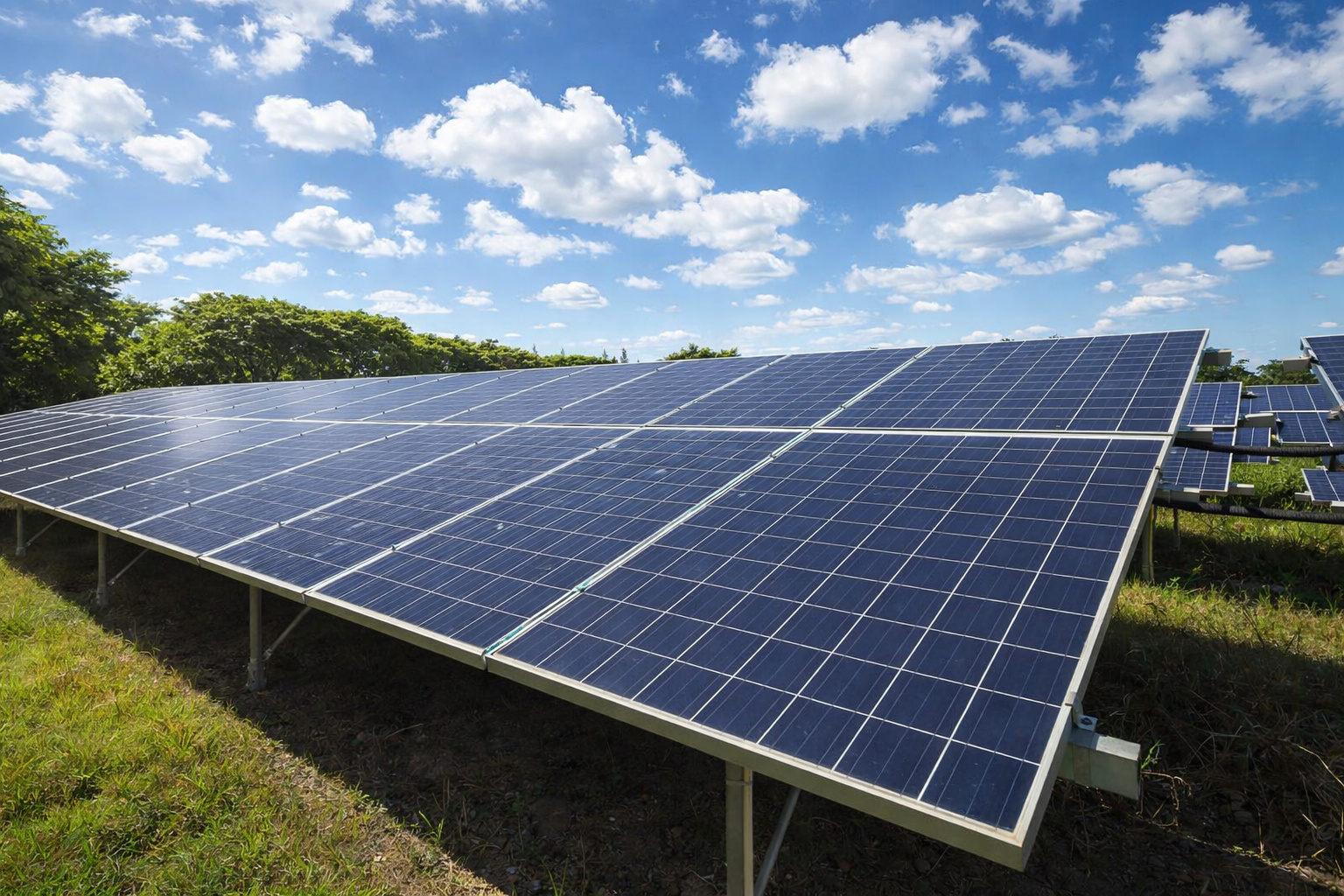

Chinese Production Changes Historic Rules of the Sector
The transformation did not happen by chance. China’s industrial capacity has grown at all stages of the production chain. From silicon purification to the final assembly of modules, the country has expanded global supply.
As a consequence, production has outpaced demand. The surplus quickly drove prices down. In 2017, modules still cost around US$ 0.40 per watt in the international market. By 2024, the price had dropped to a quarter of that.
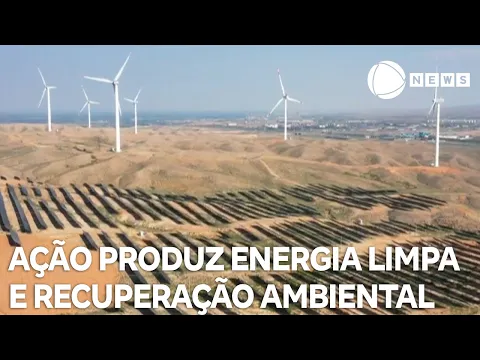

With the cheapest solar panels in history, surfaces previously considered inefficient are now making sense. Vertical walls, which capture less light throughout the day, can now generate energy in an economically viable way.
More Power in Less Space
It’s not just the price that has changed. Technology has also advanced. The consolidation of monocrystalline modules has raised the efficiency of solar cells to levels above 20%.
Currently, residential modules between 500 and 600 watts have become common. This means more generation in less space. Thus, even limited areas such as fences and external dividers can contribute to electricity production.
Solar Walls Reduce Installation Costs
Installing solar panels on rooftops requires working at height. It requires safety equipment. Often, it also necessitates structural reinforcement. All of this increases labor costs.
In contrast, the so-called “solar walls” simplify the process. Installation occurs at ground level. Access for maintenance is easier. Assembly time is shorter.

It’s true that the vertical position reduces light capture compared to sloped roofs. However, the savings in total costs can compensate for that difference. The system becomes modular, expandable, and financially competitive.
Planning Still Makes a Difference
Even with low prices, not every wall is ideal. Solar orientation, shading, and geographic location continue to influence the performance of solar panels.
Therefore, technical planning remains essential. The combination of cost, available area, and generation potential defines the success of the project.
And would you install solar panels on the wall of your house if it meant paying less on your electricity bill, even if the efficiency was not the maximum possible?








Interessante pra quem não tem espaço no telhado
Nao acho seguro! Por certo carregarão os painéis, país sem segurança como o Brasil, não funciona.
Com certeza