





 Português
  Inglês
  Espanhol
  3 min de leitura
  0 comentários


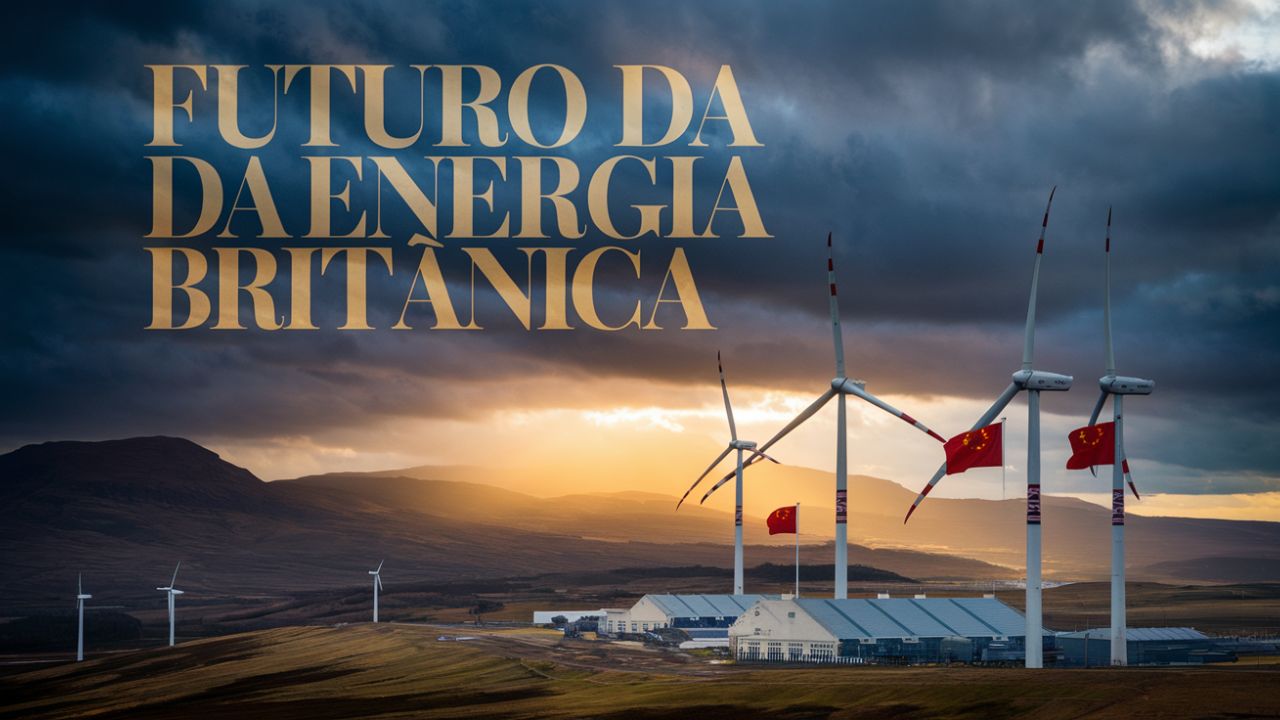
With £60 Million at Stake, SNP Strikes Deal with Chinese Giants for Wind Turbines in Scotland, But Experts Warn: Risk of Energy Disruption and Foreign Control Puts National Security at the Center of Debate.
The Scottish government, led by the Scottish National Party (SNP), is at the center of a heated debate. The reason? An investment of £60 million to bring two Chinese giants from the renewable energy sector, Mingyang Smart Energy and Orient Cable, to build wind turbine factories in Scotland. In theory, it seems like a brilliant idea: clean energy, local jobs, and advanced infrastructure. But is that all there is to it?
The Billion-Dollar Deal Between SNP and Chinese Companies
Mingyang Smart Energy is the largest offshore turbine manufacturer in China, while Orient Cable dominates the submarine cable market. Together, these companies have the potential to transform Scotland into a renewable energy hub in the North Sea, aligning with the UK’s goal of achieving net-zero emissions by 2050.
According to Express, with the construction of a factory in the Inverness area, the project could generate hundreds of jobs and improve local infrastructure. Manufacturing turbine parts closer to installation areas saves costs and reduces the carbon footprint of transportation.
-
Renewable energy advances over protected areas in Brazil, and a survey by the Energy Transition Observatory reveals silent impacts that challenge environmental conservation and pressure sensitive traditional territories.

-
Rio Grande do Sul accelerates energy transition: State invests in renewable technologies and consolidates decarbonization strategies and pathways to attract billions in new industrial investments.

-
With 160,000 m² of collectors, an area larger than 20 football fields, Silkeborg, in Denmark, hosts a solar thermal plant that heats 19,500 homes and could become the largest solar heating plant in the world.

-
A study reveals the expansion of renewable energy procurement in Brazil and shows how companies are taking advantage of opportunities to reduce expenses, ensure energy efficiency, and strengthen strategic environmental commitments.

Concerns About National Security and Dependence on China

The fears are not unfounded. After the invasion of Ukraine in 2022, Vladimir Putin used the supply of gas to destabilize Europe. Could China do something similar in the future by leveraging control over the UK’s energy infrastructure?
Parliamentarians are calling for guarantees that Chinese equipment cannot be turned off remotely or used as tools for political influence. MP Christine Jardine emphasized the need for local controls and stressed that the UK must learn from Europe’s mistakes.
A Green Transition “Made in Britain” as an Alternative
Many British politicians argue that the transition to clean energy should be driven by local companies, ensuring energy independence and reducing geopolitical risks.
Besides security, turbines manufactured by British workers strengthen the local economy and create a more sustainable supply chain. After all, who wouldn’t want to see a genuinely “Made in Britain” energy transition?
The Role of the Scottish Government and the UK in Risk Assessment
According to the Scottish government, all companies undergo thorough scrutiny before receiving public funding. This assessment takes into account security risks, sustainability, and economic impact.
The UK government also ensures that investments in the energy sector are subject to rigorous national security scrutiny, protecting the country from potential external threats.








Seja o primeiro a reagir!