





 Portuguese
  English
  Spanish
  5 min of reading
  0 comments


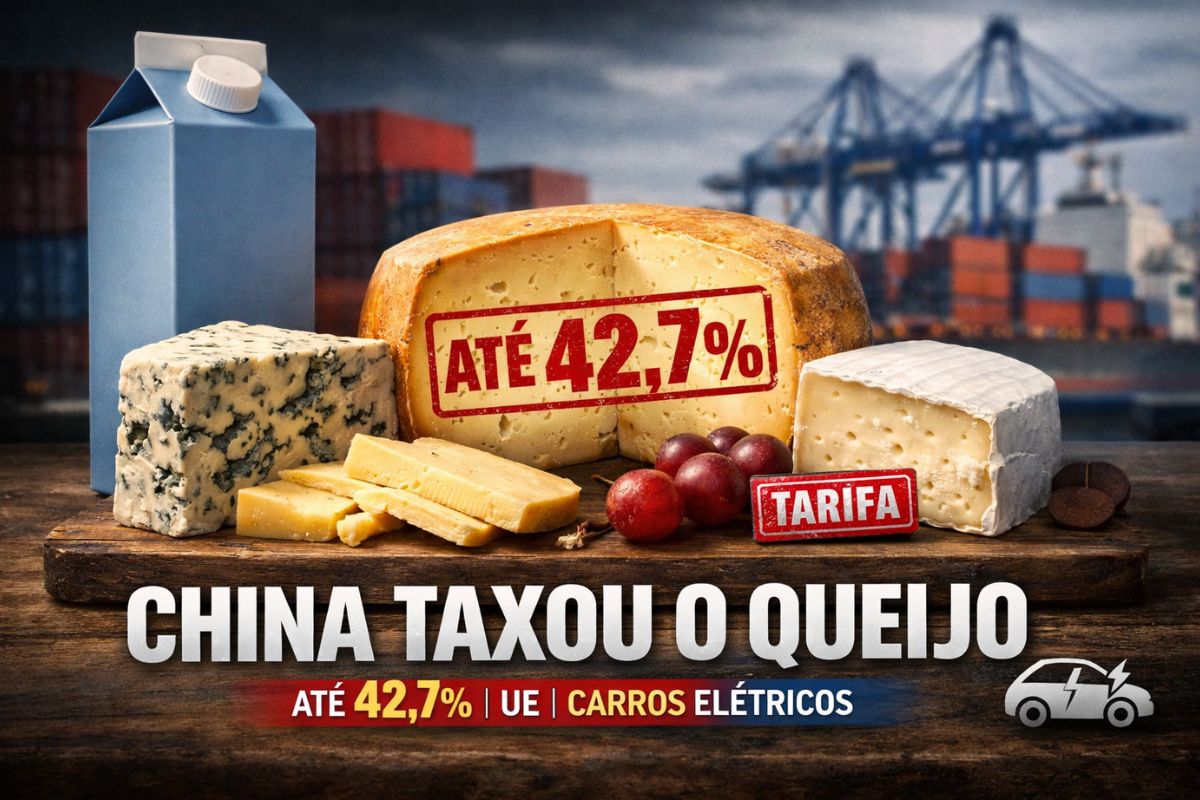
China Announces Temporary Tariffs of 21.9 to 42.7 Percent on Milk and Cheeses from the European Union Starting December 23, 2025, Hits Roquefort and Gorgonzola, Responds to European Tariffs Against Chinese Electric Cars and Provokes Strong Reaction from the European Commission and Calls Unjustified and Unfounded Measures
On Monday, December 22, 2025, the Ministry of Commerce of China announced temporary tariffs of 21.9 to 42.7 percent on milk and cheeses imported from the European Union, effective from Tuesday, December 23. According to the Chinese government, the decision is the result of an investigation that concluded that European dairy products receive subsidies and cause “substantial harm” to China’s dairy industry.
The new round of tariffs directly affects traditional dairy brands from the European bloc, especially protected-designation cheeses, such as French Roquefort and Italian Gorgonzola. The tariffs on milk and cheese add to other measures already adopted by Beijing in response to the European Union’s actions in the trade dispute over Chinese electric cars.
Tariffs Between 21.9 and 42.7 Percent
According to the announcement from the Ministry of Commerce of China, the new tariffs on European dairy products will be provisional at this initial stage.
-
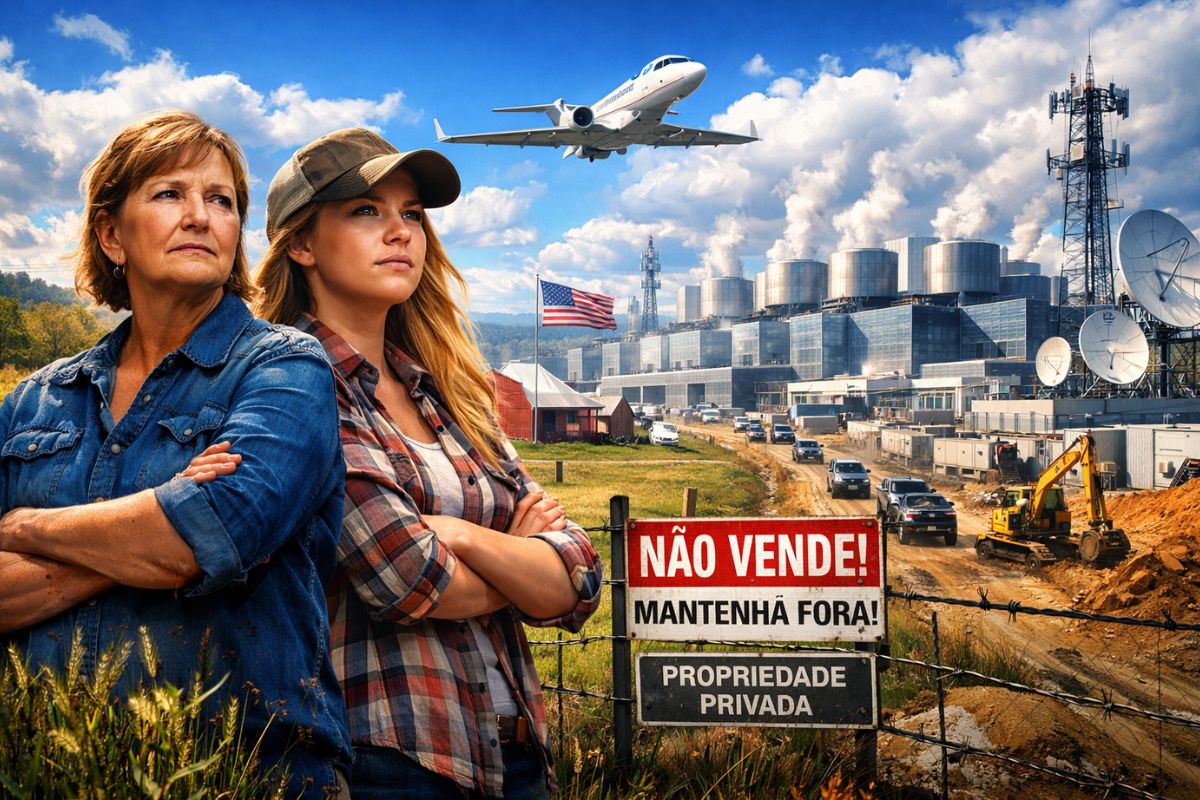
They said no to 26 million dollars and would do it all over again: mother and daughter from Kentucky reject a million-dollar offer from a mysterious company that wants to build the largest data center in the state on more than 2,000 acres of rural land.
-
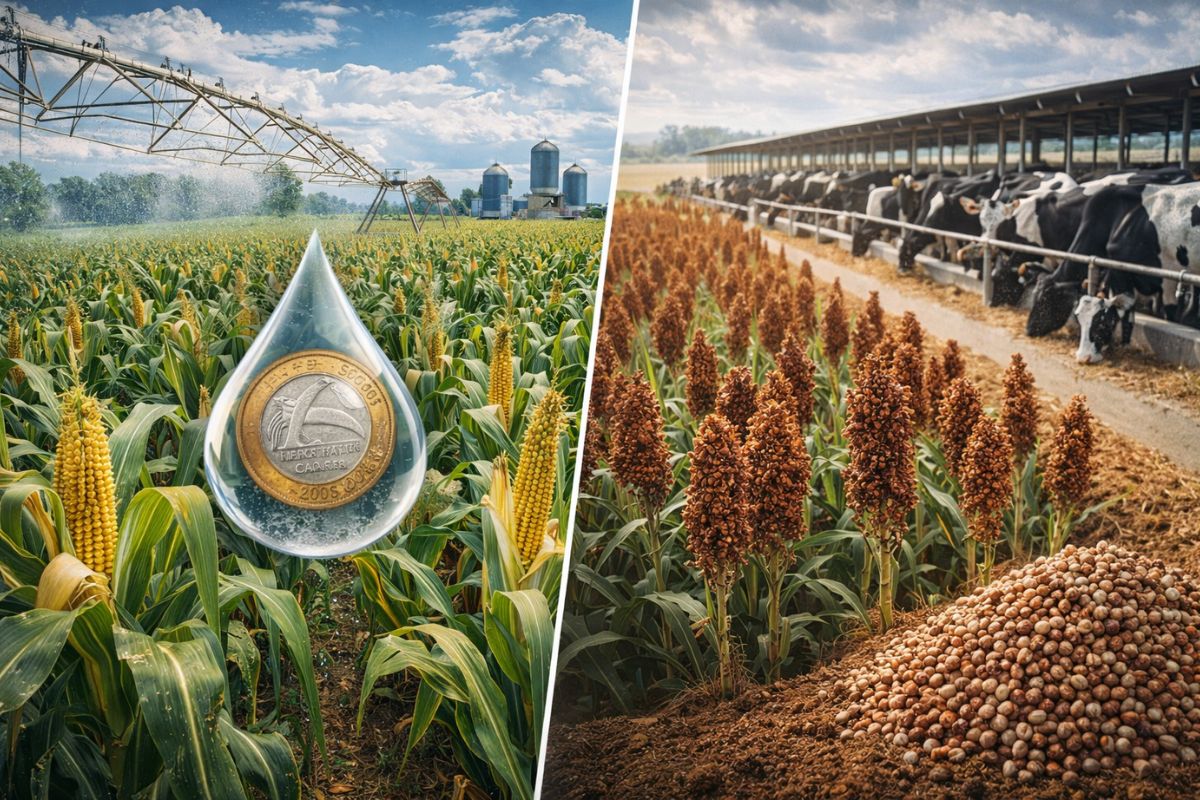
While corn requires rain and is expensive, sorghum produces almost the same volume per hectare at a cost up to 80% lower and uses less water, and it is revolutionizing dairy farming in the Triângulo Mineiro, where producers save hundreds of reais per hectare.
-
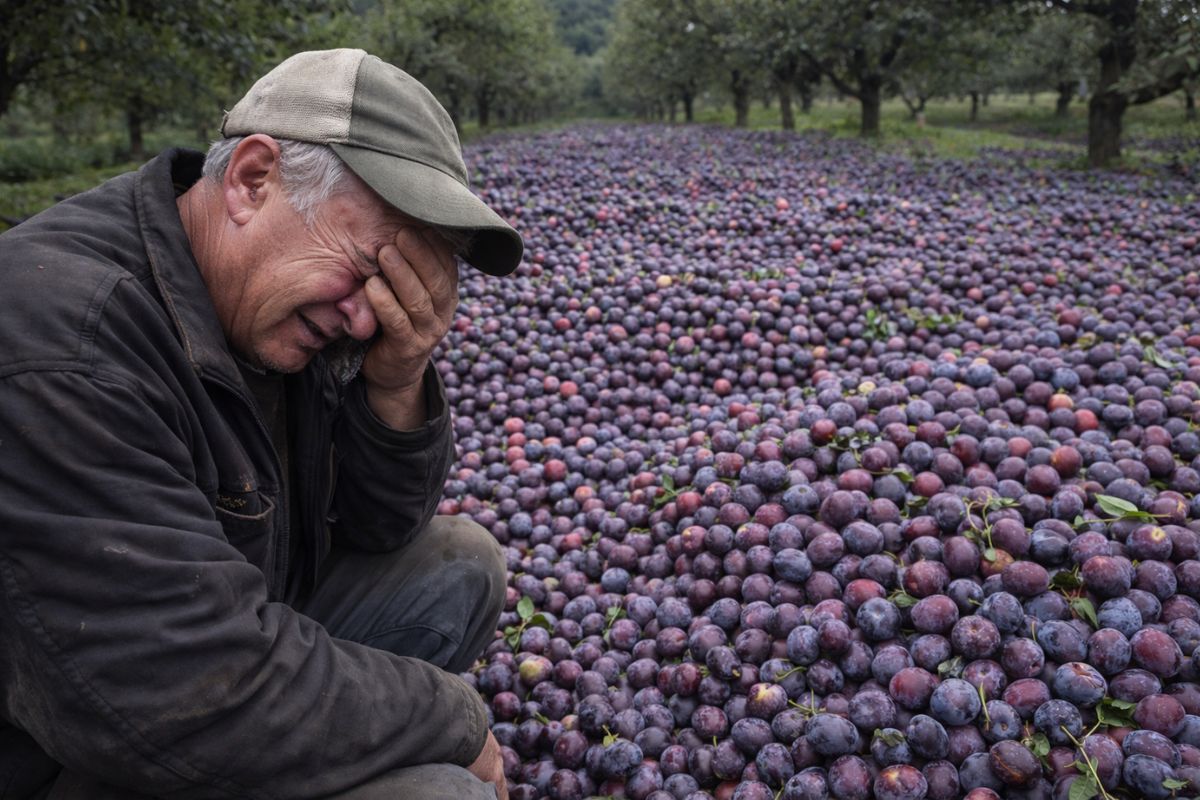
A rural producer from Urubici cries as he shows 50 tons of plums thrown on the ground because no one wanted to buy them, and in desperation, he records a video asking anyone to come to the property to pick the fruits before they rot.
-
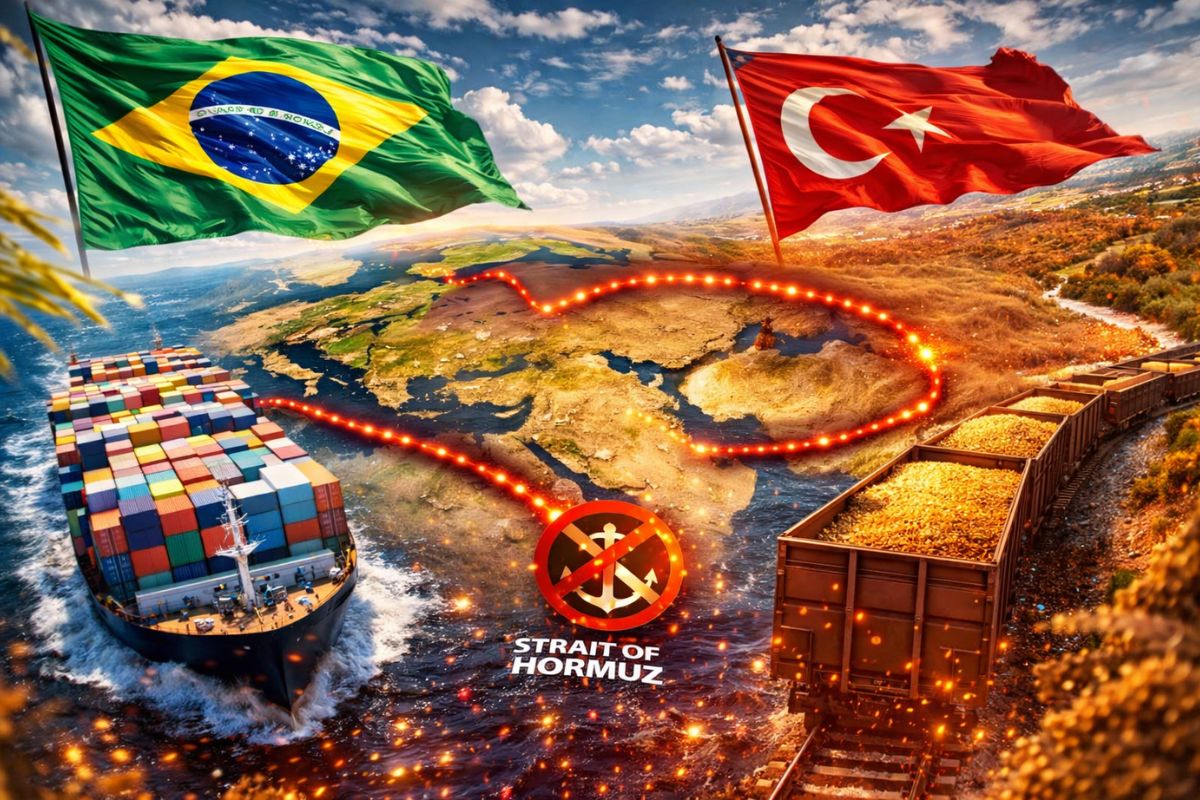
Unable to pass through Hormuz, Brazil activated a plan B that uses Turkey as a gateway to the Middle East: the route through Gibraltar and the Mediterranean is longer and more expensive but ensures that chicken, beef, and corn continue to reach Arab markets.

The rates will range from 21.9 to 42.7 percent, with most companies paying something close to 30 percent on the imported value.
These tariffs apply to different types of milk and cheeses produced in the European Union and sold in the Chinese market.
Beijing claims the aim is to offset the effect of subsidies granted to European producers, which, according to the Chinese investigation, artificially lower production costs and harm the competitiveness of the local dairy industry.
The measures may be revised in the future when the final decision of the anti-subsidy investigation conducted by China is released.
Until then, the European dairy sector will operate in an environment of uncertainty in one of the world’s largest consumer markets.
Roquefort and Gorgonzola in the Sights of Beijing
Among the affected products, China highlighted protected-designation cheeses, such as French Roquefort and Italian Gorgonzola, icons of European cuisine and of high added value.
These items usually occupy the premium segment on shelves and menus, which increases the sensitivity of producers and exporters to the new tariffs.
For European manufacturers, the loss of competitiveness in China may pressure margins, reduce sales, and even force them to seek new buying markets.
For the Chinese consumer, the increased cost of imported cheeses tends to reinforce the position of domestic producers, who gain market share as imports from the European Union become more expensive.
By targeting well-known and symbolic products, China also sends a political signal.
The message is that Beijing’s response to the European Union will not be limited to industrial sectors, but will reach sensitive items for the image and economy of European countries.
Dispute Over Electric Cars Is at the Center of the Crisis
The announcement of tariffs on milk and cheese does not happen in a vacuum.
In 2023, the European Union opened an anti-subsidy investigation against electric vehicles manufactured in China, alleging that automakers from the Asian country receive state support that distorts competition in the European electric car market.
The European investigation resulted in the imposition of tariffs on the Chinese automotive sector, raising the stakes in the dispute.
Since then, China has begun to react with a series of measures against European products, including imports of brandy, pork, and now dairy products.
Every new announcement increases the perception of an escalating trade war between the two largest commercial powers on the planet.
For China, the European Union’s offensive against electric cars threatens a strategic industry that the country has been using to expand its technological and industrial influence in the world.
For Brussels, Chinese subsidies threaten the survival of European manufacturers in a key sector for the energy transition. The result is a conflict that has spilled over from the automotive sector to the consumer table.
European Union Criticizes China’s Investigation
The European Union’s political reaction came swiftly. The European Commission labeled China’s investigation as weak and poorly founded.
According to spokesperson Olof Gill, quoted by the international press, the assessment in Brussels is that the process is based on questionable allegations and insufficient evidence, making the measures “unjustified and unfounded”.
The criticism reinforces the perception that the Chinese tariffs on milk and cheese from Europe have a strong political component.
In the view of European authorities, Beijing is using the anti-subsidy investigation structure as a pressure tool in the broader dispute over electric cars and access to Chinese products in the European market.
At the same time, China maintains that it is merely defending its national industry.
For the Chinese government, subsidized products from the European Union enter the market at artificially low prices, which distorts competition and threatens jobs in the dairy sector. This clash of narratives deepens the distrust between both sides.
How Subsidies Affect Prices and Competition
In practice, subsidies mean that governments take on part of the production costs of companies, whether through cheap credit, tax incentives, or direct support.
When a subsidized product enters another market, it tends to be sold at a lower price than competitors that do not receive the same type of state assistance.
This is the argument used by China against the European Union in the case of dairy products and also the reasoning that the EU applies to the Chinese electric vehicle industry.
Both sides claim to advocate fair competition, but they disagree on who is actually distorting the game.
And you, do you think China is just retaliating against the European Union or is it taking this trade war too far?









-

-

-

-

5 pessoas reagiram a isso.