





 English
  Francês
  Alemão
  Italiano
  Japonês
  Norueguês
  Portuguese
  Spanish
  3 min of reading
  0 comments


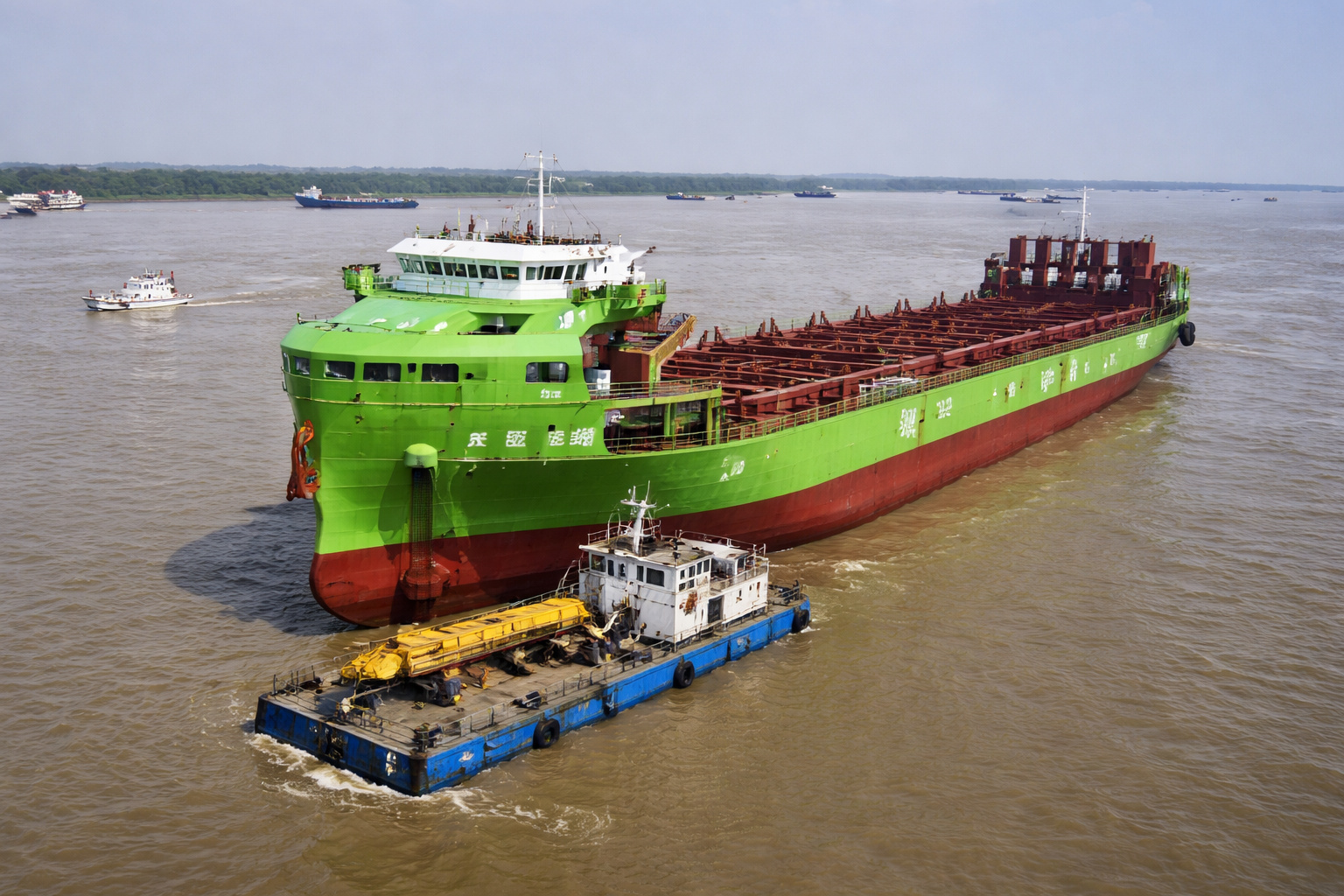
Largest 100% Electric Container Ship Ever Built Begins Testing in Shanghai and Bets on Modular Batteries to Reduce Emissions in Maritime Transport
A major environmental and logistical innovation was recently presented in China, attracting international attention from the maritime sector.
The Ning Yuan Dian Kun, developed by the Jiangxi Jiangxin Shipbuilding, began sea trials in 2025 after completing mooring tests in Shanghai.
With 127.8 meters in length, 21.6 meters in beam, and a capacity for 740 TEU, the ship is designed to operate commercially on actual coastal routes.
Its displacement reaches approximately 10,000 tons, while the maximum speed is 11.5 knots.
This launch occurs at a strategic moment, as maritime transport accounts for about 90% of global trade and is also one of the largest emitters of CO₂.
Energy Revolution Under the Deck
The technical differential is concentrated in the propulsion system.
The ship uses ten modular batteries installed in interchangeable containers, with a total capacity of 19,000 kWh.
These modules power two permanent magnet electric motors of 875 kW each, ensuring fully electric operation.
Additionally, the batteries can be recharged via high-voltage connection at the port and, simultaneously, replaced by fully charged units.
This model allows “refueling” to occur through the exchange of energy containers, significantly reducing downtime.
As a complement, photovoltaic panels have been integrated to provide additional energy during operation.
Commercial Operation Focused on Zero Emissions
According to the shipyard, the project aims to ensure zero emissions during navigation and port maneuvers.
Therefore, the ship reduces air pollution and noise during loading and unloading.
Moreover, the inclusion of the project in the Chinese national list of “green technology demonstration” reinforces its strategic role.
If the model expands to regional corridors, the sector could reduce its dependence on fossil fuels.
-
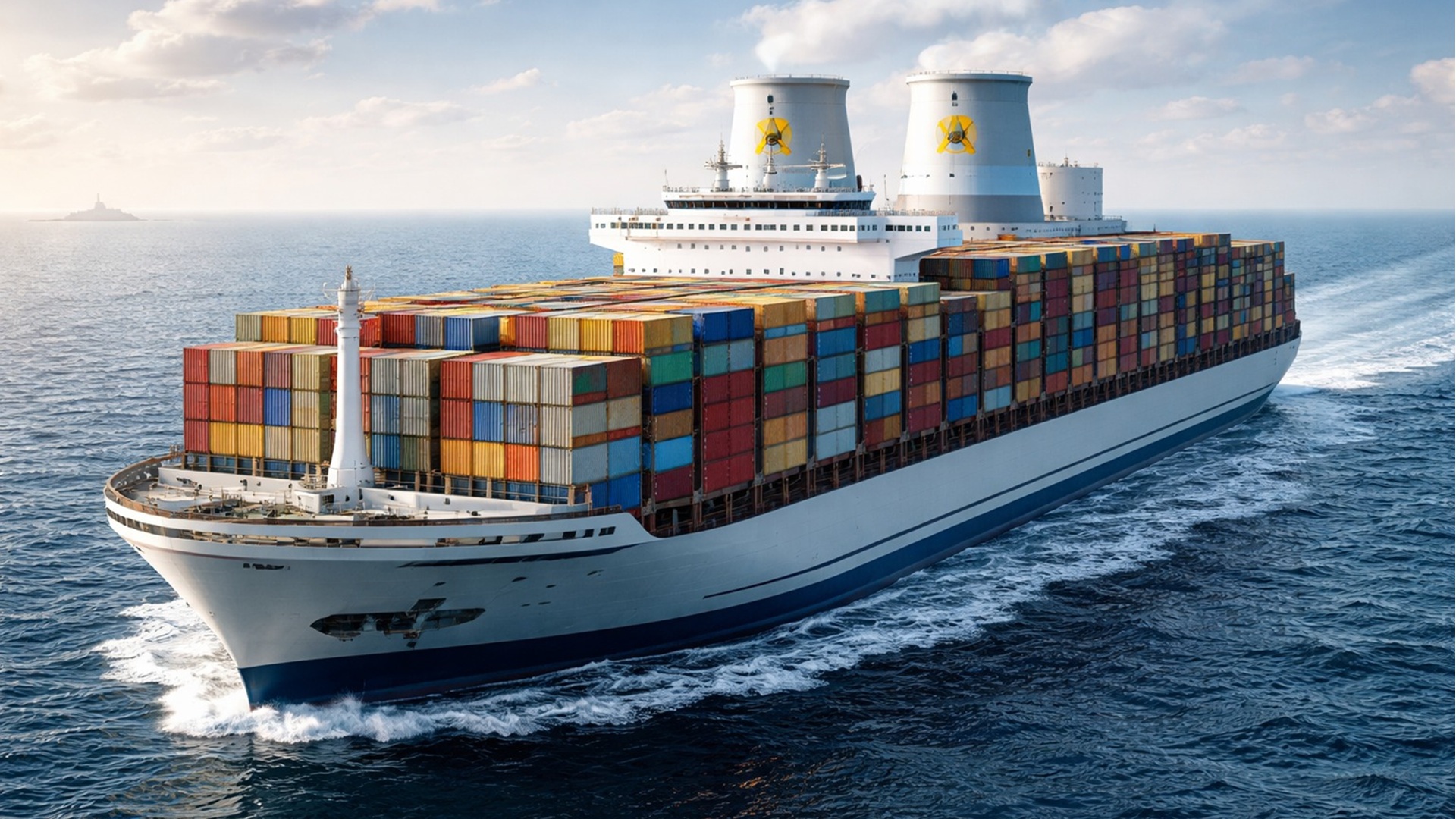
Ocean Giant Could Change Everything: Nuclear Container Ship Project Promises to Transport 16,000 Containers Without Using Fossil Fuels
-
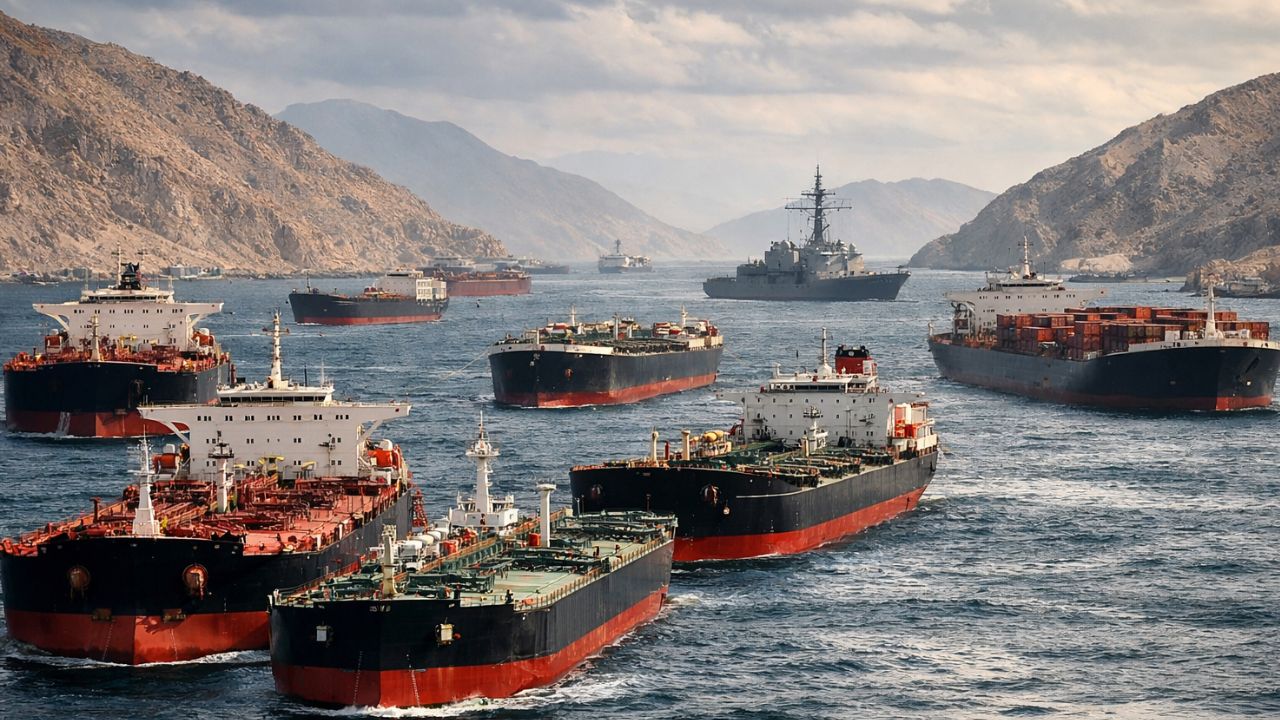
Hormuz Strait: Hundreds of Ships and Oil Tankers Stranded After Attacks in the Middle East
-
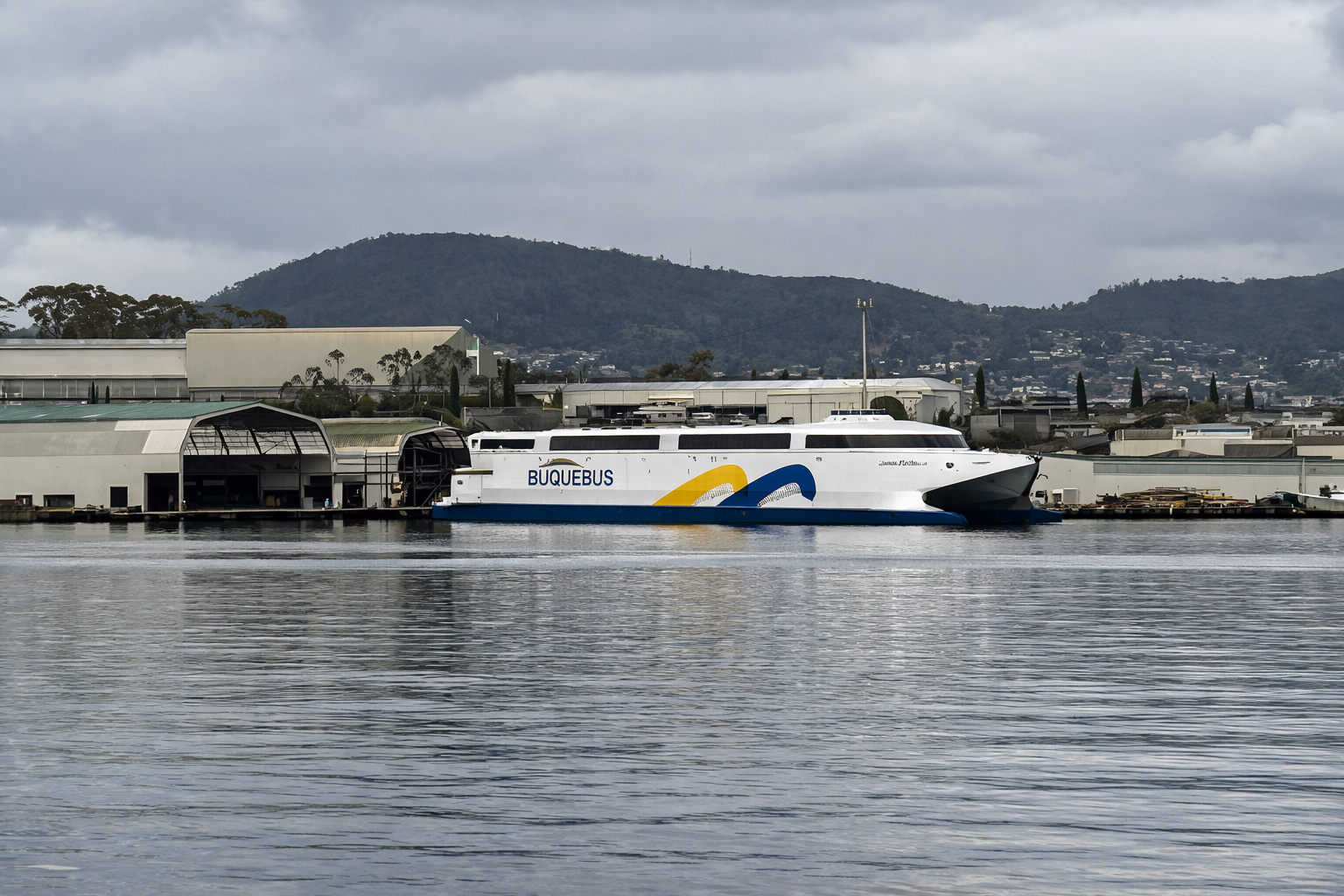
World’s Largest Electric Ship, China Zorrilla, Will Connect Argentina and Uruguay Across the Río de la Plata with a $200 Million Investment and Operations Planned for 2026
-
How A 20-Ton Anchor Holds 200,000-Ton Ships Even Under Extreme Winds And Why It Fails In The Deep Ocean

Digital Technology and Autonomous Navigation
In addition to electric propulsion, the Ning Yuan Dian Kun incorporates advanced digital control platform.
Consequently, the system performs real-time environmental monitoring.
Moreover, the vessel conducts automatic route planning.
Similarly, it integrates collision avoidance systems.
At the same time, the ship maintains visual perception in different weather conditions.
Currently, technical teams are conducting tests off the coast of Shanghai to validate electrical performance and reliability of the systems.
Integration with One of the Largest Hubs in the World
If approved after testing, the ship will be operated by Ningbo Ocean Shipping.
The planned routes connect regional areas to the Ningbo-Zhoushan port, considered one of the largest global maritime hubs.
This strategy strengthens Chinese coastal logistics and positions the project as an industrial reference for decarbonization.
The Future of Maritime Decarbonization
Subsequently, Ningbo Ocean Shipping will operate the ship on feeder routes connected to the Ningbo-Zhoushan port.
Thus, the project will integrate one of the largest maritime hubs in the world.
In this way, the vessel can establish a new technological standard for coastal routes.
Will the expansion of electric vessels with interchangeable batteries accelerate the decarbonization of regional maritime transport?









-

3 pessoas reagiram a isso.