





 Portuguese
  English
  Spanish
  3 min of reading
  11 comments


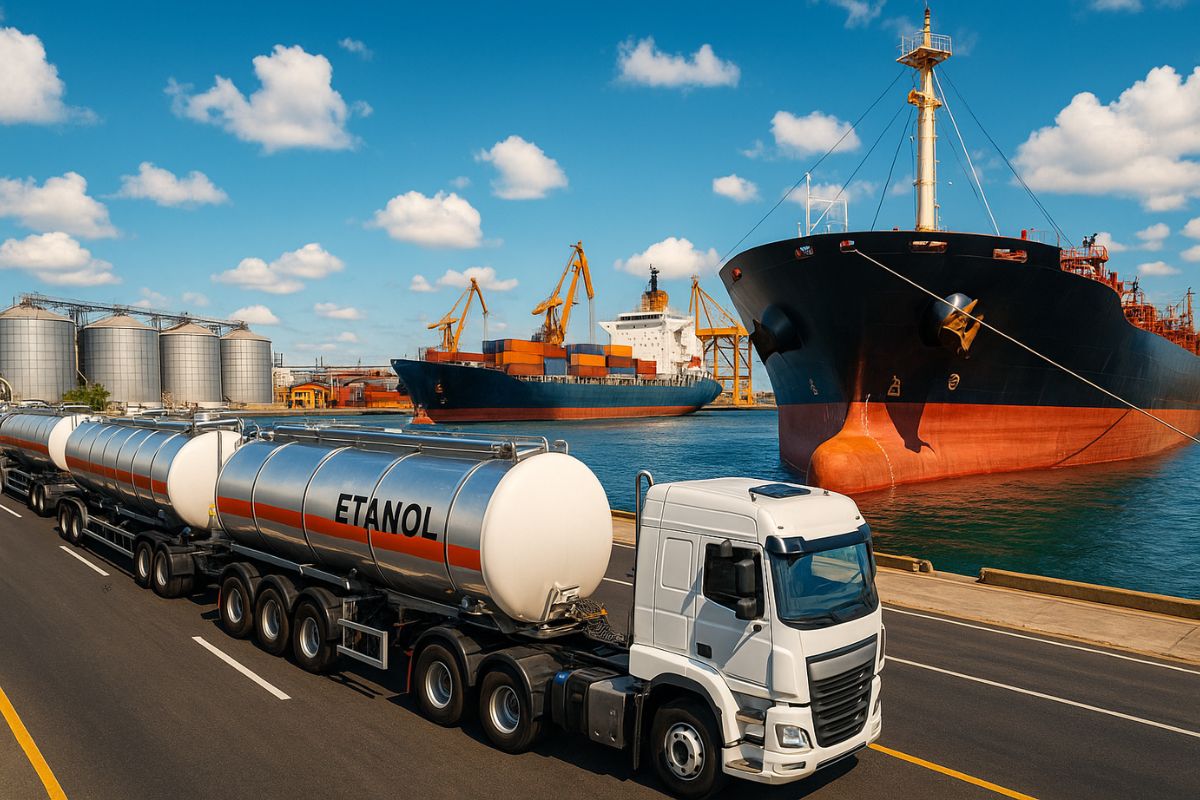


China Wants Brazilian Ethanol in Aviation Fuel Production. Asian Country Negotiates Billion-Dollar Partnership with Brazil to Boost Sustainable Fuels and Reduce External Dependence
The China wants Brazilian ethanol as a central input in its strategy for sustainable aviation fuel (SAF) production. Chinese authorities are discussing a long-term supply agreement with the Brazilian government that could involve billions of dollars, positioning Brazil as a key player in the energy transition of the world’s second-largest economy.
According to an investigation by Folha, the negotiation involves representatives from the China Petroleum and Chemical Industry Federation (CPCIF), Chimbusco — a subsidiary of PetroChina — and the Ministry of Agriculture and Livestock (Mapa). China’s goal is to achieve a 3% blend of SAF in its flights by 2030, producing 46 million tons per year, and Brazilian sugarcane ethanol is seen as the most viable alternative.
Why Brazilian Ethanol is Strategic for China
China faces limitations of agricultural land for non-food crops and low domestic ethanol production. Among the four technological routes evaluated for SAF production — recycled oil, synthetic fuel, hydrocarbons, and ethanol — Brazilian sugarcane stands out for its high scalability potential, competitive cost, and lower environmental impact.
-
Unemployment rises again to 5.8% at the beginning of 2026, raising alarms about the end of temporary positions and its impact on the Brazilian job market.

-
Document organization can cut invisible costs in small businesses, a simple step that prevents waste, rework, and losses in daily operations.

-
Chinese giant worth nearly R$ 4 billion that manufactures cables for electric cars, solar energy, and robotics wants to open a factory in SC.
-
Many employers do not know, but the law guarantees domestic workers a 25% increase in salary during trips, 50% for overtime, 20% for night shifts, and 17 additional benefits that can lead to labor lawsuits if not paid.


President Xi Jinping told President Luiz Inácio Lula da Silva that the partnership could become an example of “unity and self-sufficiency” among Global South countries. According to Xi, the cooperation will allow China and Brazil to avoid rules imposed by third parties, such as the United States, which have already imposed high tariffs on Brazilian ethanol.
Ethanol and Energy Geopolitics
The China wants Brazilian ethanol not only for its energy efficiency but also as a strategic move in the face of the global trade dispute. The technical protocol for SAF standardization, currently in the final phase at CPCIF, will enable Brazilian products to meet Chinese market requirements.
The negotiations include bilateral green financing funds and Brics mechanisms to reduce investment costs, as well as studies for the recovery of degraded pastures in Brazil aiming to increase biofuel production. The proposal is to finance projects with low-interest rates and protection against exchange rate fluctuations.
Next Steps of the Partnership
Brazil intends to sign, during COP30 in Belém, a memorandum of understanding (MoU) with the China Council for the Promotion of International Trade (CCPIT) for cooperation in sustainable trade. In addition to ethanol, the document should address environmental certifications for agricultural products, allowing labels such as Carbon Neutral Meat (CCN) and Low Carbon Meat (CBC) to be accepted by the Chinese market.
The alignment also reinforces integration with the New PAC and the Belt and Road Initiative, strengthening Brazil’s presence in strategic production chains and diversifying markets for agribusiness.
Impact for Brazil
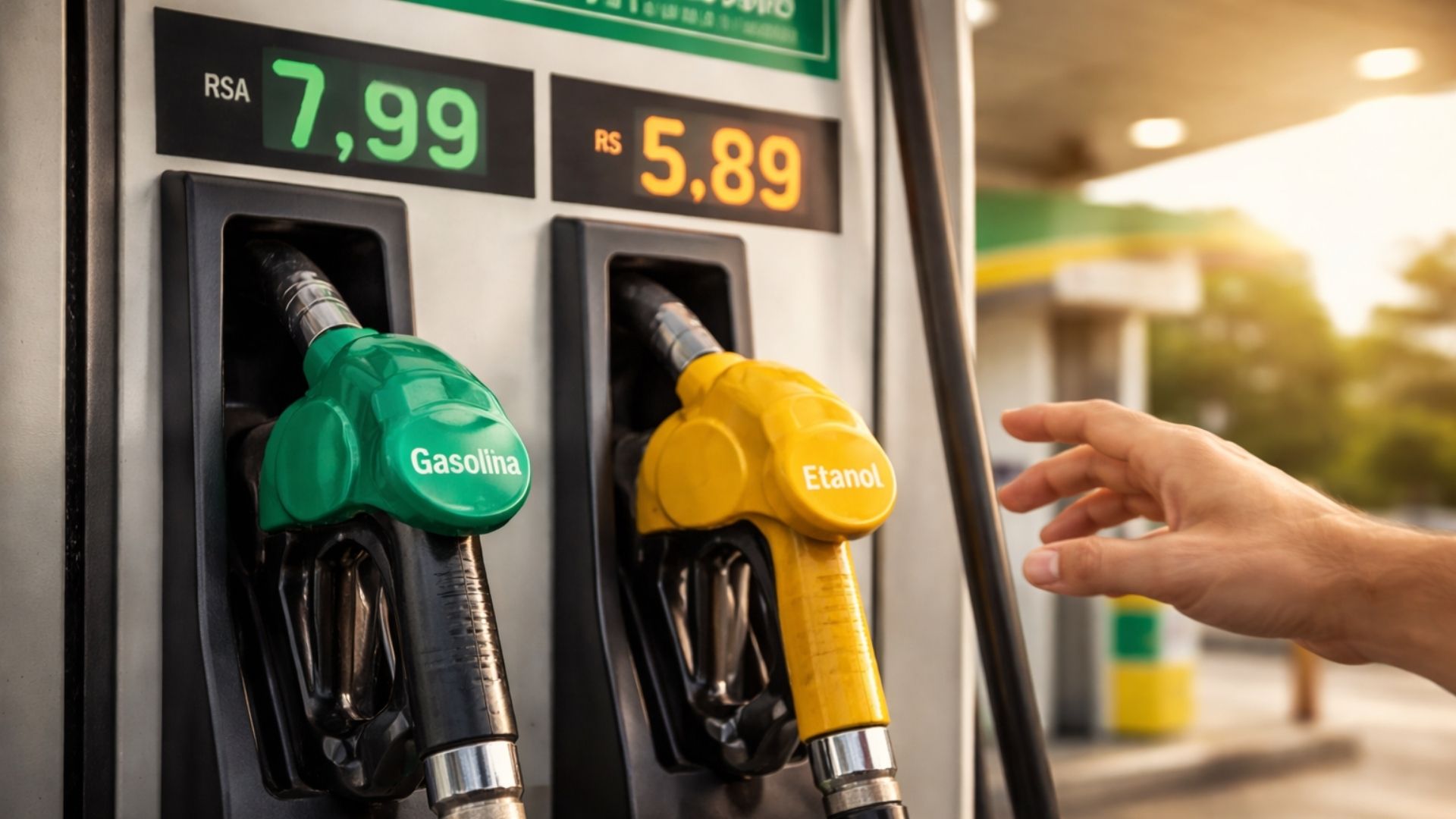
Experts point out that if the agreement is finalized, Brazil could expand its ethanol exports, add value to production, and attract investments in logistics and refining infrastructure. At the same time, it will be necessary to balance internal and external supply to avoid impacting domestic prices.
Do you think that the fact that China wants Brazilian ethanol for its aviation fuel represents a historic opportunity for Brazil or a risk for internal supply? Share your opinion in the comments — we want to hear from those closely following the energy and foreign trade sector.









Infelizmente o aumento da produção de cana de açúcar em larga escala poderá trazer prejuízos para agricultura sustentável e mais desmatamentos do nosso bioma,fora que a China e outros países estão se apoderando das nossas terras
Essa quantidade é a produção de 50 dias em 1 usina media.
Não tem nenhuma influência no mercado de etanol.
Para se ter uma ideia, uma única boa rede de postos em SP vende isso em 3 meses.
A reportagem é tendenciosa e não esclarece essas coisas.
Abrir mercado é importante, sem dúvidas, mas é importante também esclarecer que a situação não está boa, não é a China que vai salvar o Brasil, são os brasileiros de bem .
O mundo precisa dos Estados Unidos, porém eles precisam do mundo, o mundo com ou sem eles continuam mundo e eles sem o mundo não são nada, basta ter coragem pra enfrentar esses mercenários.