





 Portuguese
  English
  Spanish
  4 min of reading
  0 comments


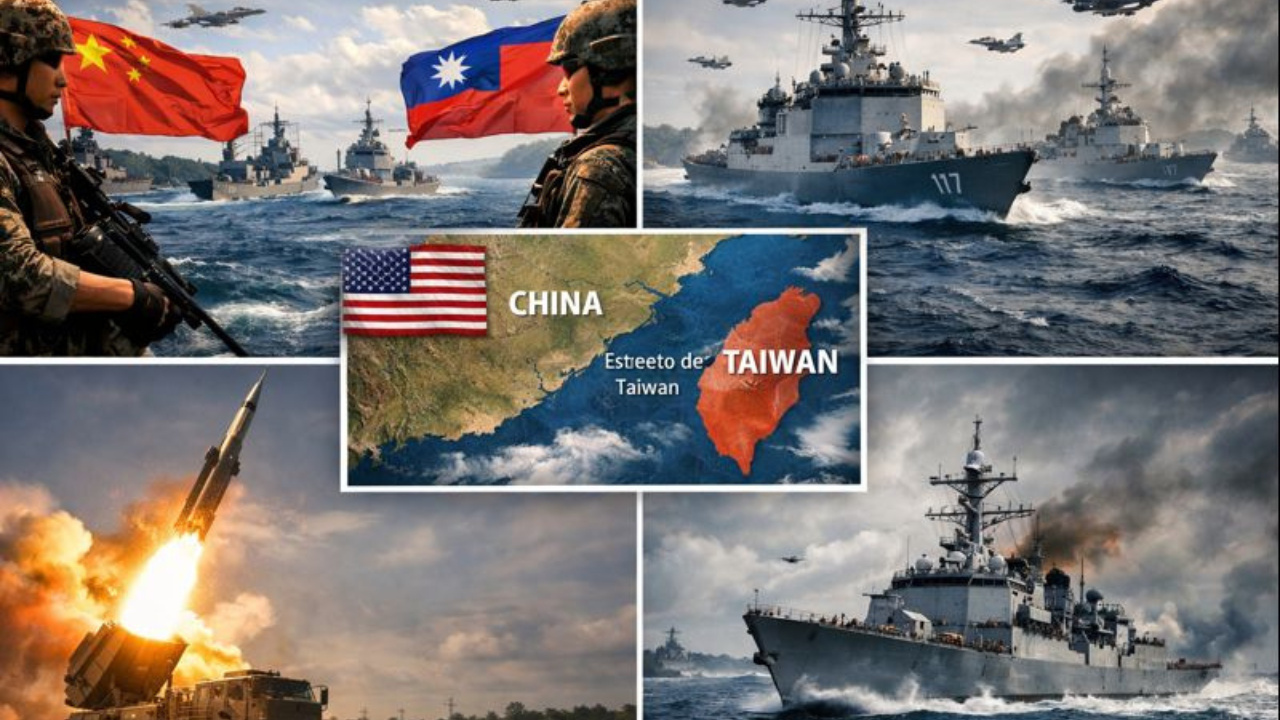
China Criticizes U.S. Arms Sale to Taiwan and Announces Military Response, Escalating Military Tension in the Strait.
The China announced this Friday (19) that it will intensify its military training and adopt “strong measures to safeguard national sovereignty and territorial integrity,” according to the Ministry of Defense.
The decision comes after Taiwan reported that the United States approved a new arms sale to the island, valued at US$ 11.1 billion, which significantly raised the military tension in the Taiwan Strait region.
The Chinese statement was released on the official social media channels of the government and states that Beijing sees the transaction as a serious violation of the principle of “one China.”
-
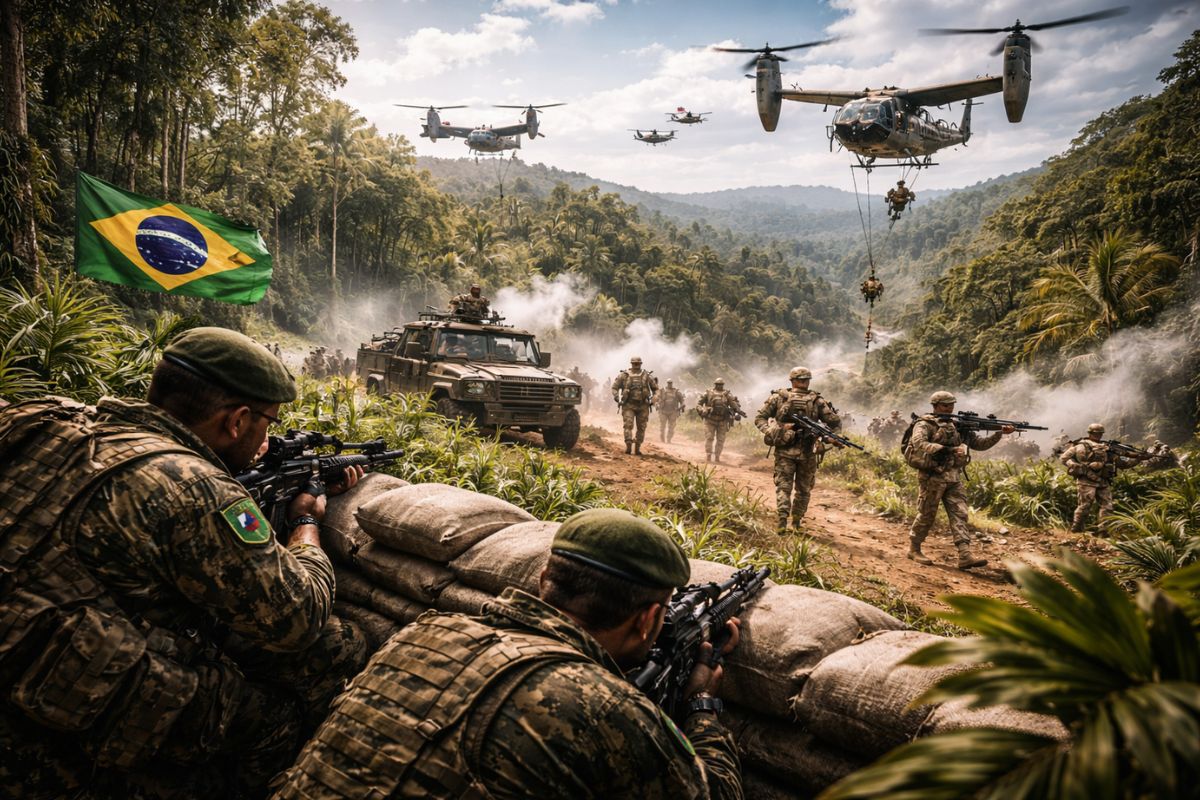
If the USA were to go to war with Brazil, Washington’s greatest fear would not be the attack itself, but facing a vast territory, prolonged resistance, and a costly, chaotic, and unpredictable occupation.
-
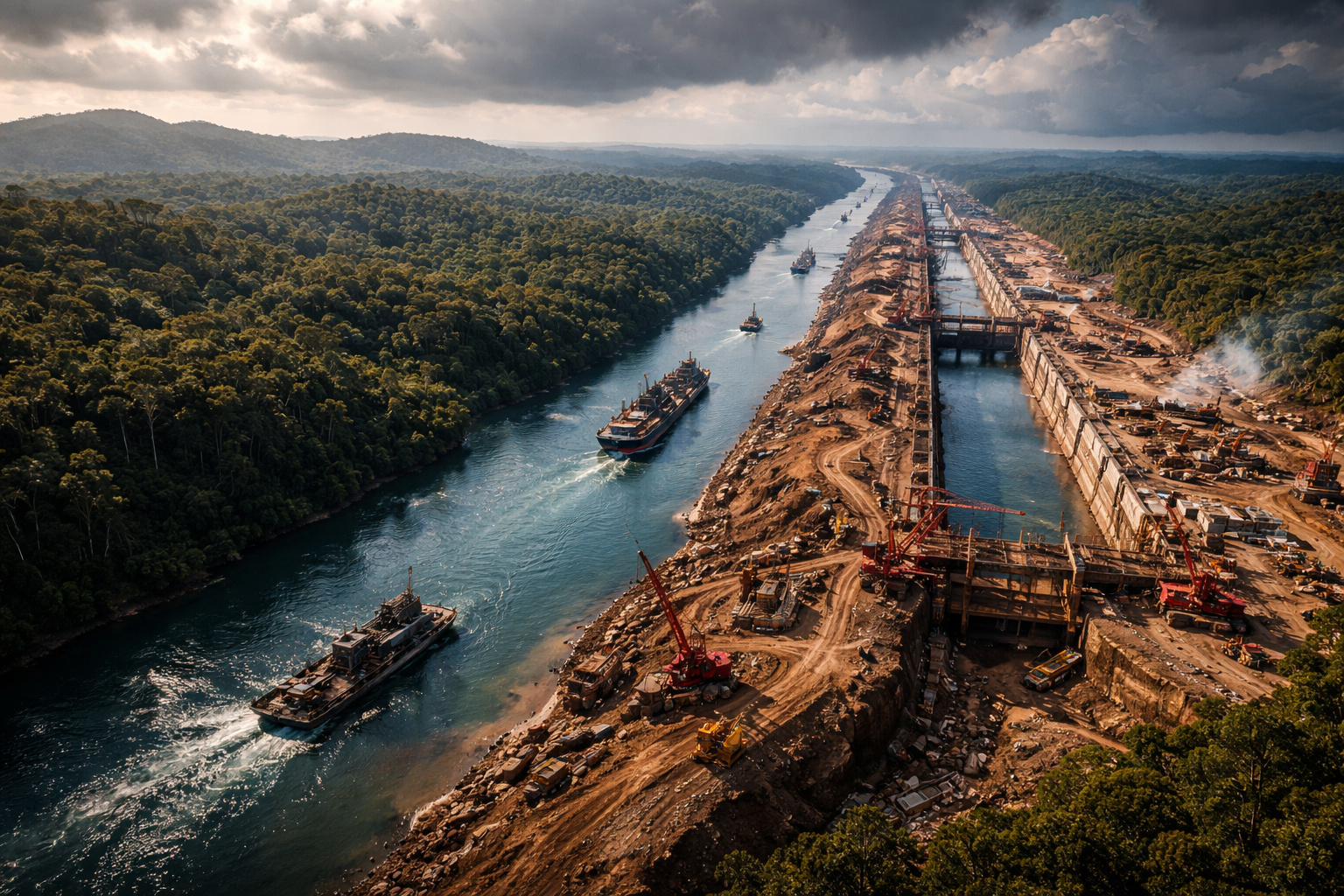
In 2013, Nicaragua sold the concession for a canal to rival Panama to a Chinese billionaire who lost 85% of his fortune, disappeared, and was declared bankrupt. Now the project resurfaces with a new route, a new Chinese partner, and a cost of $64.5 billion.
-
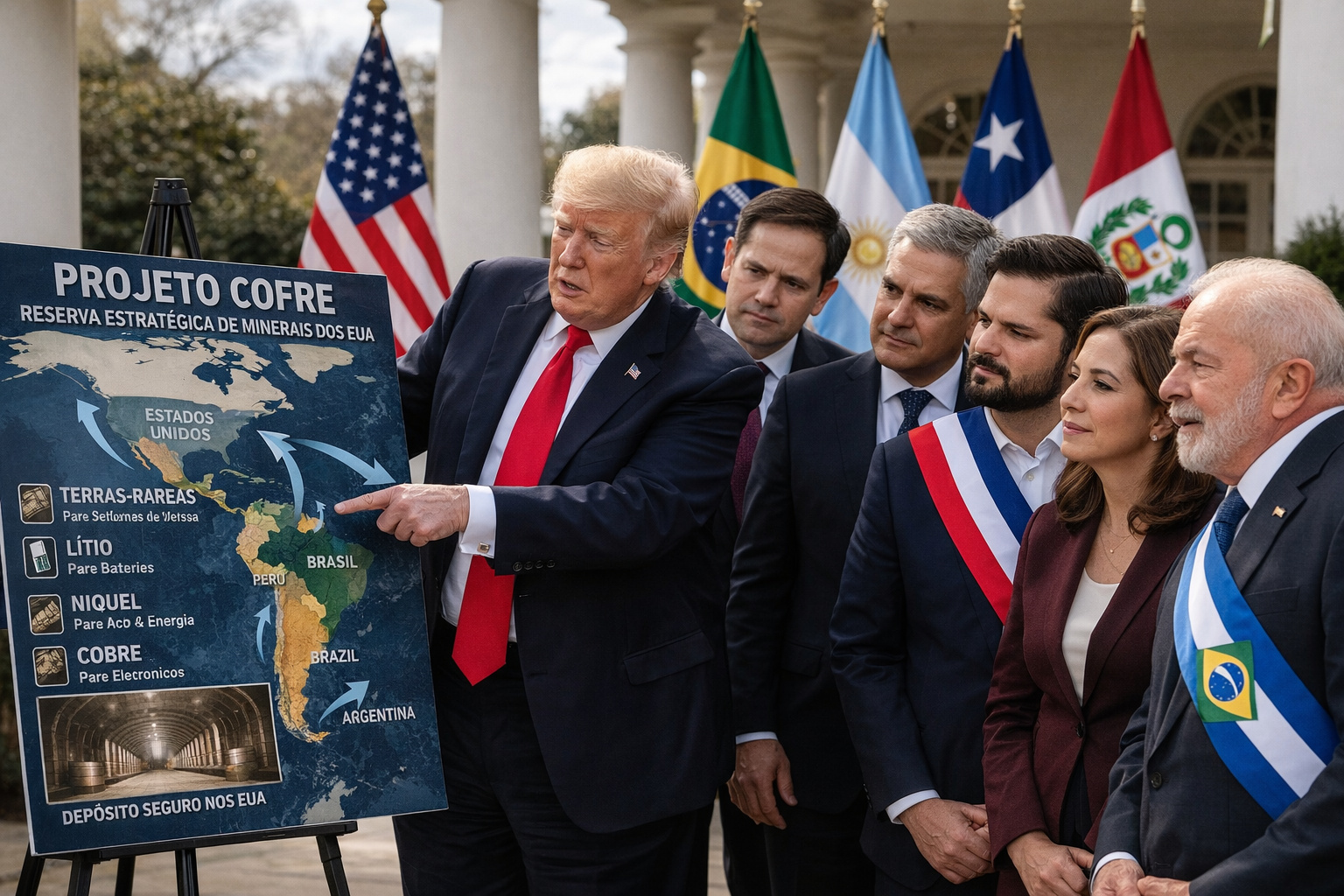
The USA announces a mysterious billion-dollar vault project to store critical minerals, but what intrigues experts is not just the plan itself, but why Latin America, including Brazil, has entered the center of this global dispute against China.
-
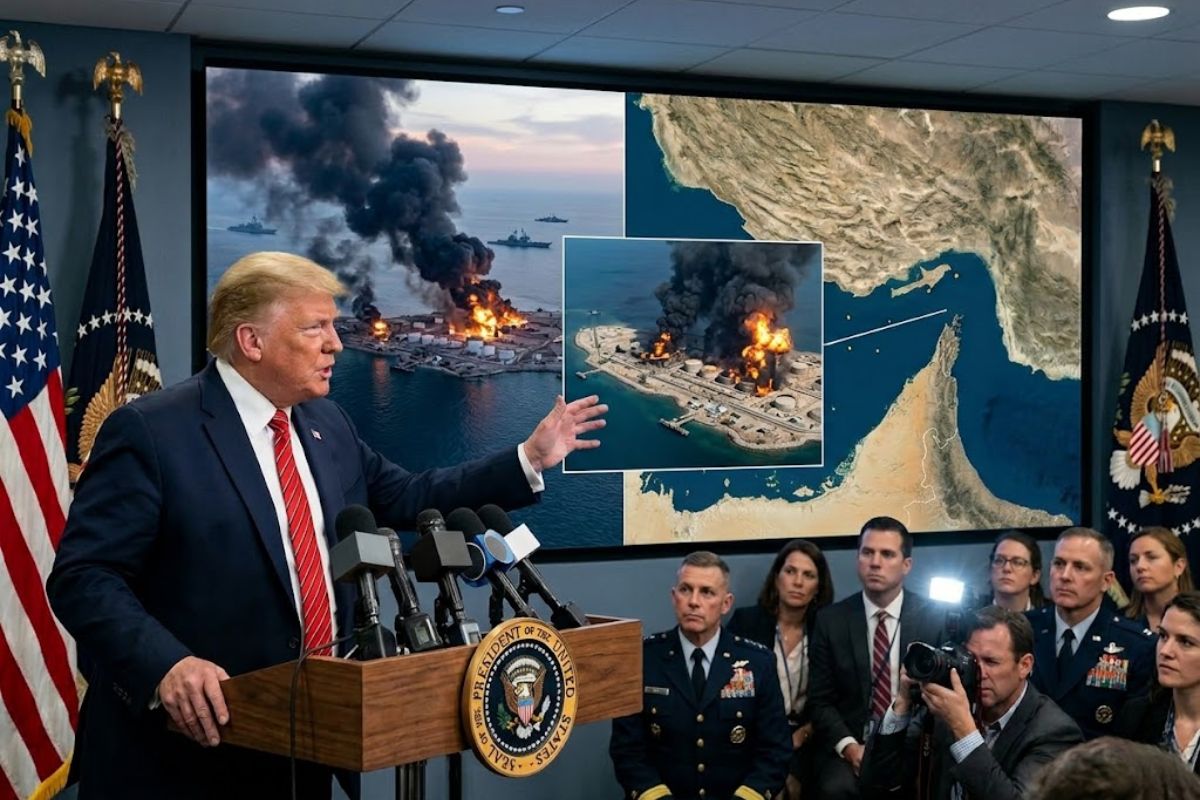
Trump Announces Bombing of U.S. Military Targets on Iranian Island Responsible for About 90% of Iran’s Oil Exports, Warns of Further Attacks if Navigation in Strategic Strait of Hormuz Is Threatened

According to the ministry, the U.S. must “immediately cease arms sales to Taiwan” and “concretely fulfill its commitment not to support ‘independence forces of the island’.”
Arms Sale Rekindles Military Tension Between China, Taiwan, and the United States
The approval of the military package was announced by Taiwan on Thursday (18) and represents the second arms sale authorized during the current administration of North American President Donald Trump.
The deal comes at a sensitive time as China intensifies its diplomatic and military pressure on the island.
According to the Taiwanese Ministry of Defense, the proposal includes eight strategic items.
Among them are Himars rocket systems, howitzers, Javelin anti-tank missiles, Altius loitering munition drones, and spare parts for other military equipment.
For Beijing, such external military support exacerbates military tension and represents direct interference in Chinese internal affairs.
On the other hand, Taiwan claims that the acquisitions are defensive and aim to ensure the safety of the population in light of increased threats.
China’s Military Exercises Heighten Regional Alert
Meanwhile, in early December, China resumed military exercises around Taiwan.
The U.S. State Department classified the maneuvers as “aggressive,” emphasizing that it is closely monitoring the movements of Chinese forces.
To Reuters, a senior Taiwanese security official reported that more than ten Chinese warships were spotted in the region.
Additionally, according to him, the Chinese Coast Guard also participated in actions described as “harassment” exercises.
During the first day of these operations, Chinese authorities stated that the maneuvers served as a direct “warning” to separatist movements.
Thus, military tension has gained new contours, amplifying fears of a broader conflict in the Indo-Pacific.
Discrepancies Over Sovereignty Remain at the Center of the Conflict
For the Chinese government, Taiwan is a rebellious province that continues to be part of its territory.
On the other hand, Taiwanese authorities reject this interpretation and assert that the island is an independent state, with its own constitution, free elections, and armed forces.
The United States has reaffirmed its political and military support for Taiwan and stated that it is closely monitoring the situation.
In a recent statement, the State Department declared that “China’s aggressive military activities and rhetoric regarding Taiwan only serve to exacerbate tensions.”
The American government added: “In light of China’s intimidation tactics and destabilizing behavior, the United States’ enduring commitment to our allies and partners, including Taiwan, continues.”
Historical Roots Explain the Current Military Tension
The dispute between China and Taiwan has its origins in the early 20th century, after the fall of the Chinese imperial dynasty and the founding of the Republic of China in 1912.
The country entered a civil war between Kuomintang (KMT) nationalists and communists led by Mao Zedong.
In 1949, the communists won the conflict and founded the People’s Republic of China in Beijing.
The defeated KMT fled to Taiwan, where they established their own government, giving rise to the current political division.
For decades, Taiwan lived under martial law, until the democratic transition in the 1980s.
Growing Pressure Maintains Risk of Escalation
The so-called “1992 Consensus” holds that there is only one China, but with different interpretations.
While Taiwan defends its political autonomy, Beijing insists on reintegration with the mainland, even without ruling out the use of force.
In recent years, Taiwan’s rapprochement with the United States has intensified military tension.
China considers any change in the island’s political status as a red line, which keeps the region under constant risk of escalation.








Seja o primeiro a reagir!