





 English
  Francês
  Alemão
  Italiano
  Japonês
  Norueguês
  Portuguese
  Spanish
  5 min of reading
  0 comments


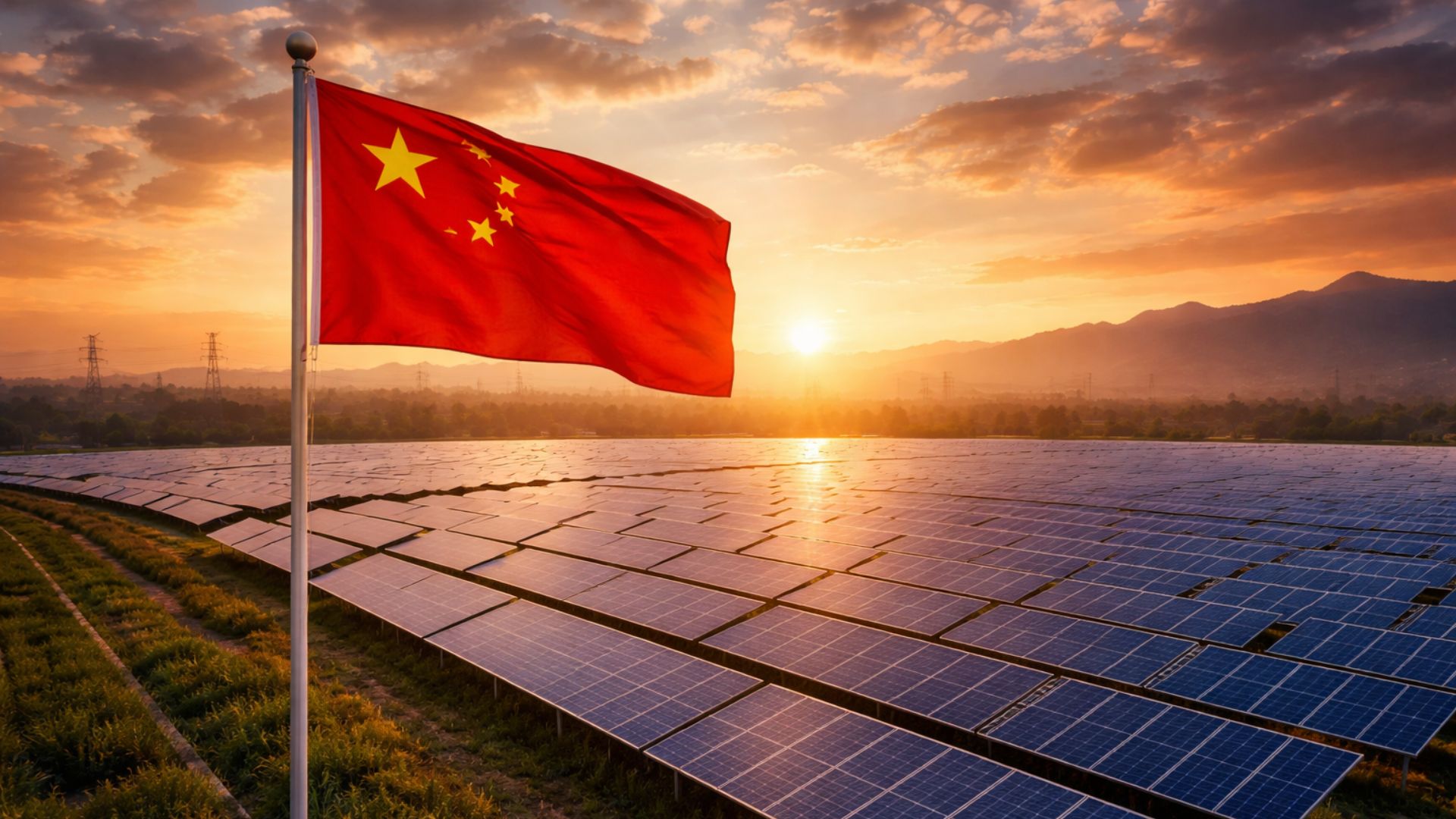
China Accelerated Energy Transition In 2025 By Strengthening Solar Energy, Setting Record Installed Capacity, And Enhancing Its Renewable Matrix With Global Impact On The Electricity Sector.
Official data released this Wednesday by the National Energy Administration (NEA) confirmed that China recorded a historic record in the expansion of solar energy in 2025, consolidating its leadership in the renewable matrix and accelerating the decarbonization of the electricity sector.
According to an article published by Exame on Wednesday (28), the Asian country ended 2025 with 1.2 billion kilowatts (kW) of installed capacity in solar energy, resulting from an annual growth of 35.4%. This advance was the largest among all energy sources and reinforces China’s central role in the global energy transition. At the same time, the total generating capacity of the country reached 3.89 billion kW, up 16.1% from 2024.
China Increases Energy Capacity In Solar Energy
The numbers confirm a structural transformation of the Chinese electricity system. The accelerated expansion of clean sources positions the country as a global reference in scale, investment, and implementation of renewable technologies.
-
Roraima bets on the sun to escape high tariffs: Amid the energy crisis and price hikes, solar energy is growing in Roraima and transforming consumption in the North region.
-
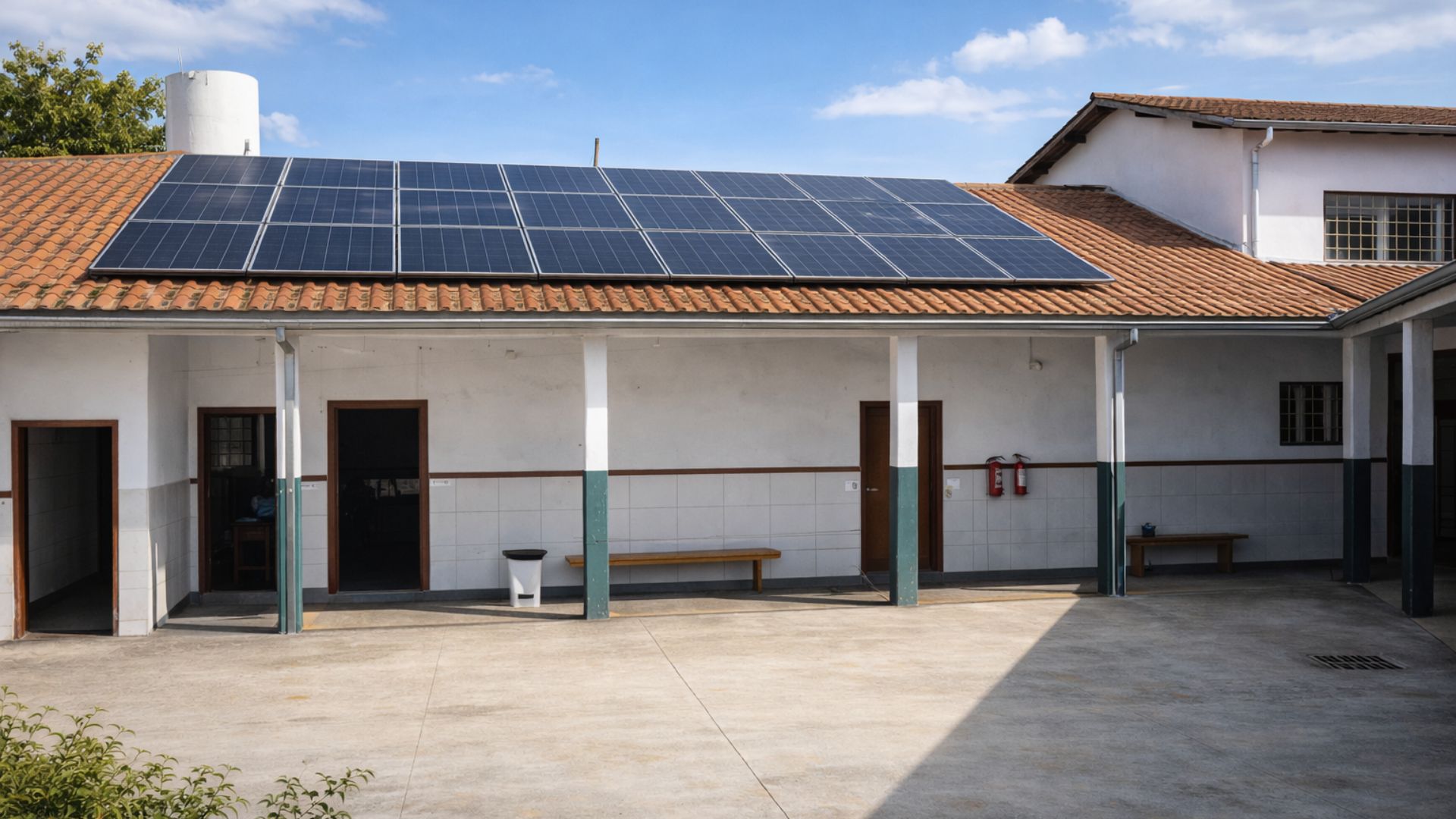
Copel boosts solar energy in Paraná and brings innovation to public schools, promoting savings on electricity bills, energy efficiency, and a direct impact on the quality of education.
-
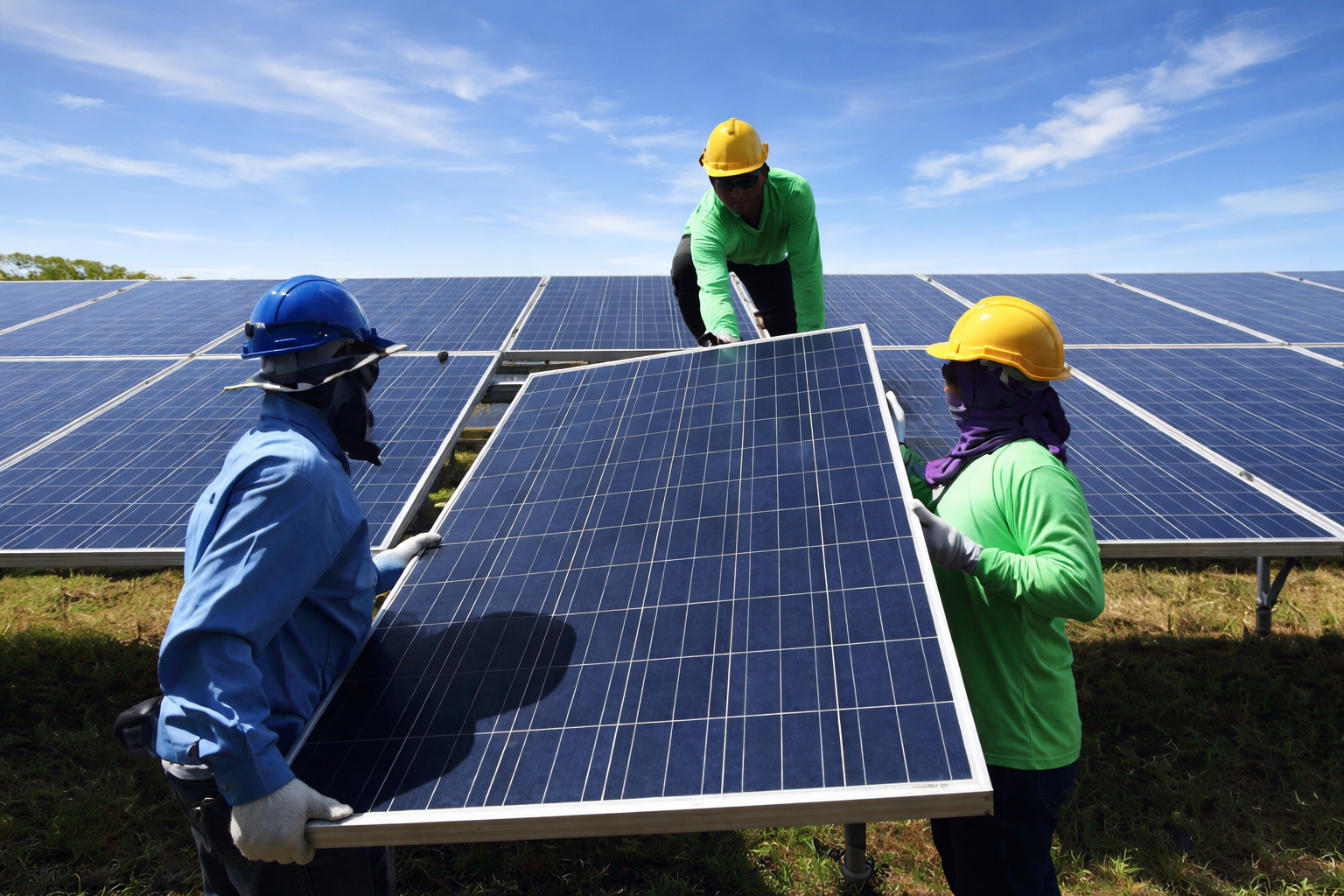
Brazil reaches historic milestone in solar energy: Sector surpasses 2 million accumulated green jobs and generates billions in the national economy even under market pressure.
-
Minas Gerais takes the lead in renewable energy: State surpasses historic mark of 14 GW in solar energy generation in MG and consolidates dominance in the Brazilian electric sector.
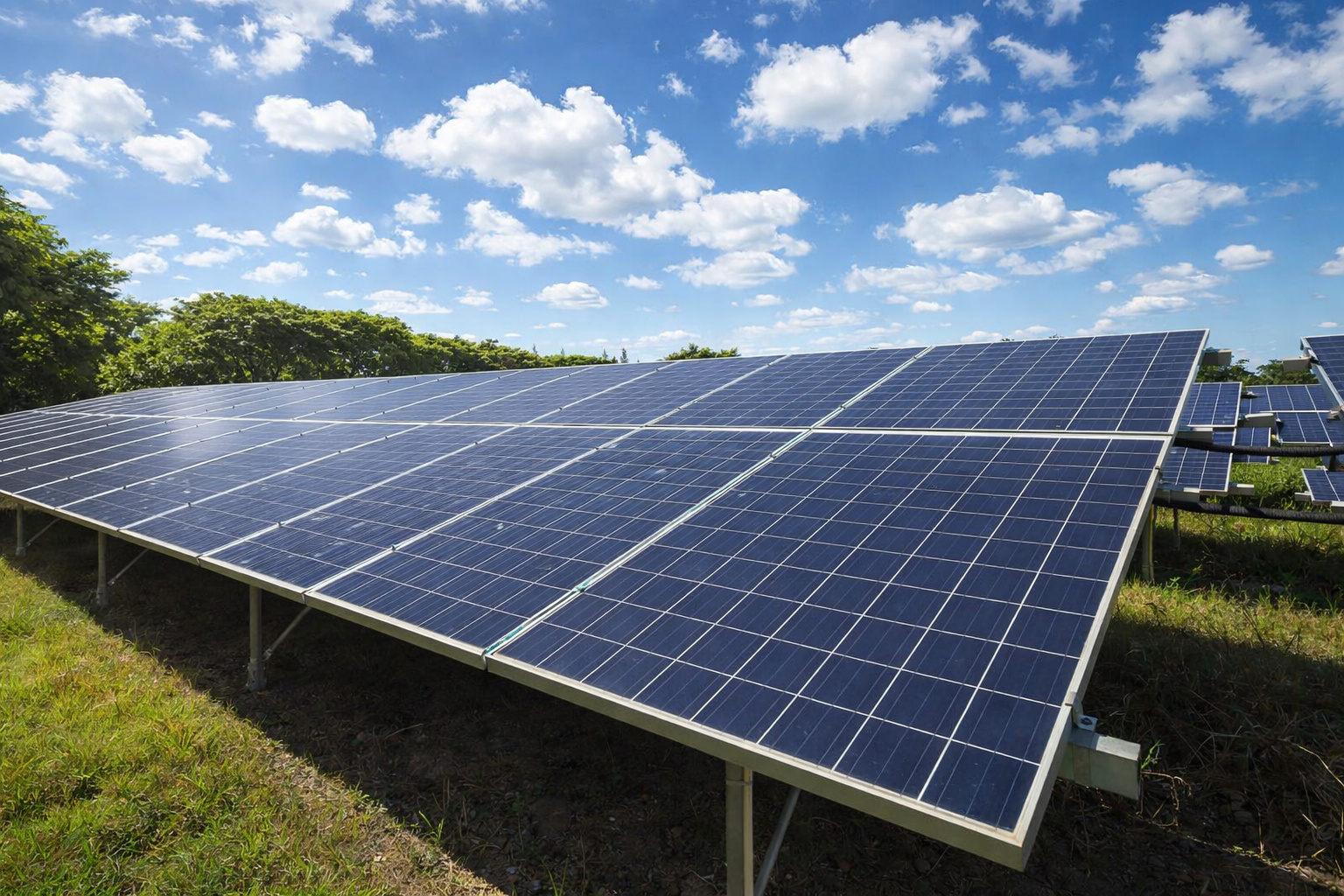

China maintained a rapid expansion pace of its electricity system in 2025. According to the NEA, the growth of installed capacity occurred in almost all sources but was mainly driven by solar energy, which established yet another historic record. The 16.1% increase in total capacity reflects a national strategy focused on energy security and reducing dependence on fossil fuels.
Throughout the year, new projects came online in different regions of the country, including large solar plants in desert areas and distributed systems in urban and industrial centers. This advancement demonstrates scale, planning, and speed. Few countries in the world can add such capacity in such a short period.


Solar Energy Leads Expansion Of The Renewable Matrix In China
Within the renewable matrix, solar energy was the source with the highest percentage growth in 2025. The jump of 35.4% raised installed capacity to 1.2 billion kW, consolidating a global record in installed photovoltaic capacity.
This performance is the result of a combination of factors. Among them are industrial policies aimed at national solar panel production, reduction in technology costs, expansion of transmission infrastructure, and regional incentives for large-scale projects.
Solar energy has become the main pillar of China’s renewable matrix. The installed volume alone surpasses the total generating capacity of many developed countries.
Growth Of Wind Energy Strengthens The Renewable Matrix
In addition to solar energy, China also made consistent advances in wind generation. In 2025, the installed capacity of this source reached 640 million kW, representing an annual growth of 22.9%, according to the NEA.
Although the percentage advance is lower than that of solar, wind energy plays a strategic role in the renewable matrix, contributing to the balance of the electricity system and to the diversification of clean sources.
The combined growth of the two technologies sustains the record of renewable expansion observed in the country. The complementarity between solar and wind reduces operational risks. When one source has lower generation, the other can offset part of the demand.
Average Use Of Power Plants Declines, But System Gains Robustness
The NEA report also revealed that the cumulative average utilization of power generation equipment, considering plants with power of 6,000 kW or more, was 3,119 hours in 2025. This number represents a reduction of 312 hours compared to 2024 in China.
Despite the decline, expectations are that this data will not compromise the security of the system. On the contrary. The accelerated growth of solar energy and the renewable matrix expands the total supply, compensating for the lower average utilization factor of the plants.
Additionally, rapid expansion often precedes natural adjustments in efficiency and integration into the electric grid, especially in large-scale systems like China’s.
Economic Impacts Of China’s Leadership In Solar Energy
The record achieved by China in solar energy generates direct impacts on the global economy. The country leads the production chain of photovoltaic equipment, influencing prices, supply, and technological innovation on an international scale.
With an increasingly robust renewable matrix, China reduces its exposure to fluctuations in the international fossil fuel market. This strengthens the predictability of energy costs and enhances the competitiveness of the national industry. The electricity sector becomes more stable and strategic. This advantage reflects in various segments of the economy, from industrial to technological.
Advancement Of The Renewable Matrix And Climate Goals
The expansion of the renewable matrix is directly aligned with China’s climate goals, which seek to reduce carbon emissions and achieve climate neutrality in the coming decades. Solar energy plays a central role in this process, being a clean, scalable, and quickly implementable source.
The record of 2025 reinforces the trajectory of gradually replacing fossil sources with renewables. At the same time, it expands the country’s capacity to meet the growing demand for electricity, driven by urbanization, industrial electrification, and digitalization of the economy. This is a large-scale energy transition, with effects that transcend Chinese borders.
What The 2025 Record In China Reveals About The Energy Future
Data released on January 28, 2026, shows that China not only leads but redefines global standards for solar energy expansion. The record of 1.2 billion kW consolidates the largest renewable matrix on the planet and establishes a new benchmark for the global energy transition.
The advance observed in 2025 signals continuity. The trend is that investments in clean sources will continue to grow, increasing the share of renewables in the electricity system and reinforcing China’s role as a protagonist in global decarbonization.
For the international market, the numbers function as a thermometer and reference. For the energy sector, they represent a watershed in how electricity is produced, distributed, and consumed in the 21st century.







Seja o primeiro a reagir!