





 Portuguese
  English
  Spanish
  3 min of reading
  0 comments


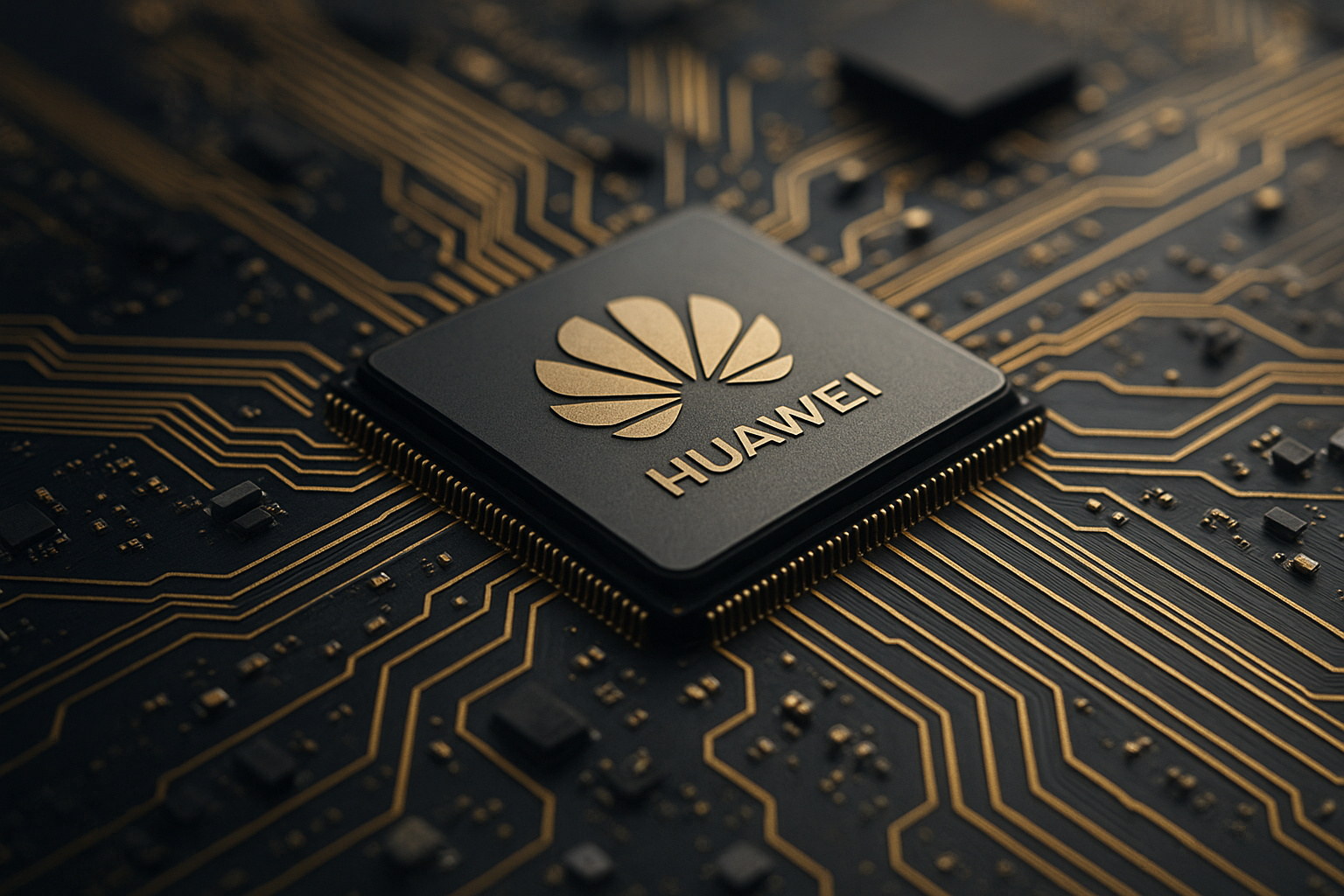
Measure Prioritizes Local Semiconductors and Alters Agreements with Nvidia, AMD, and Intel
The Chinese government has banned the use of foreign-made artificial intelligence chips in state-funded data centers. As a result, the country has begun to prioritize domestic components.
The decision, announced by Chinese regulators, will impact agreements with Nvidia, AMD, and Intel. Furthermore, the measure reinforces the goal of accelerating the local semiconductor industry.
This strategy is part of Beijing’s efforts to develop its own solutions.
It also reduces dependence on foreign suppliers.
Trade tensions with the United States have intensified this need. Therefore, the determination aims to protect sectors considered critical to national security.
Immediate Impact on State-Funded Data Centers
Although the order was directed at government-supported facilities, it will not cover all the data centers in the country.
According to sources cited by the press, the guidance focuses on structures that received state funding. Additionally, only centers with less than 30% execution will be required to remove already installed imported chips. They will also need to cancel future purchases, according to the initial guidelines.
In more advanced projects, authorities will evaluate each case individually.
This analysis will allow for suitable adjustments in the implementation of the measure.
Still, there are doubts about the uniform application of the measure across all provinces.
This uncertainty creates challenges for the sector. Thus, some projects have been temporarily suspended before the start of construction. One of these projects was set to be built in the northwest region.
It would include a large volume of Nvidia GPUs. Although led by a private company, the venture had state support. Therefore, it became subject to the new rules.
ARTICLE CONTINUES BELOWSee also
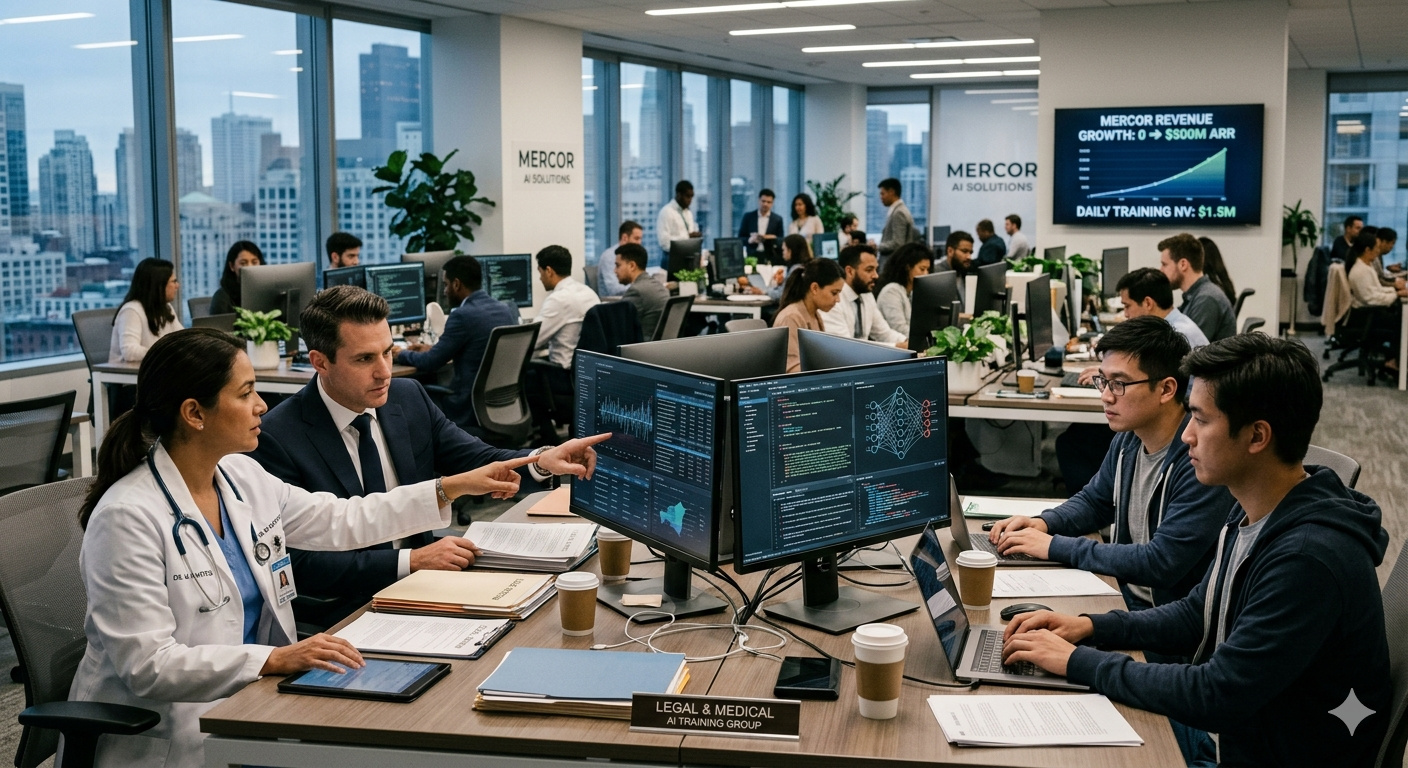
Mercor paid $1.5 million per day for doctors, lawyers, and former Goldman Sachs bankers to teach artificial intelligence to do their jobs, and in 17 months, it went from zero to $500 million in annual revenue while its own contractors accelerated the replacement of their own work.
Casio Unveils Moflin, Robotic Pet With Artificial Intelligence Designed To Provide Emotional Comfort And Simulate A Permanent Affectionate Bond

Google Maps Revolutionizes GPS Navigation With Gemini Artificial Intelligence, Ask Maps Feature, and Advanced 3D Visualization for Route and Travel Planning

China Warns the U.S. of a “Terminator” Style Apocalypse: Military AI Rivalry, Sanctions Against American Startup, and Fear of Algorithms Deciding Who Lives or Dies Place the World on the Brink of a Nightmare That Seemed Like Fiction

Cancellations, Uncertainties, and Adjustments in the Sector
The determinations reflect a series of decisions made by Beijing to reduce the use of American technologies. This occurs mainly after restrictions imposed by the United States.
Thus, China intensifies measures that impact foreign manufacturers.
This scenario has been observed in previous actions involving Micron.
As a result, companies using western processors will need to revise their strategies. This inevitably alters internal timelines and planning.
The removal of chips or the revision of purchases will require quick adaptations. There are still gaps regarding how each province will apply these guidelines.

Chinese Companies Gain More Ground with the Ban
With the blockade of foreign chips, domestic companies gain a competitive edge. They will have priority in the expansion of state-funded data centers.
Thus, local companies can accelerate development and increase market share domestically.
Among them, Huawei stands out.
The company announced new processors and is advancing to compete with brands from the United States. In addition to it, Cambricon Technologies, MetaX, Enflame, and Moore Threads may also expand their operations. They will see smaller expansions compared to Huawei. However, some companies still show resistance to abandoning Nvidia solutions.
This resistance exists due to familiarity with the American company’s ecosystem. Nonetheless, the shift is likely to reshape part of the market. The process strengthens Chinese manufacturers in the semiconductor supply chain.










-

-

-

-

-

-

14 pessoas reagiram a isso.