





 Portuguese
  English
  Spanish
  3 min of reading
  3 comments


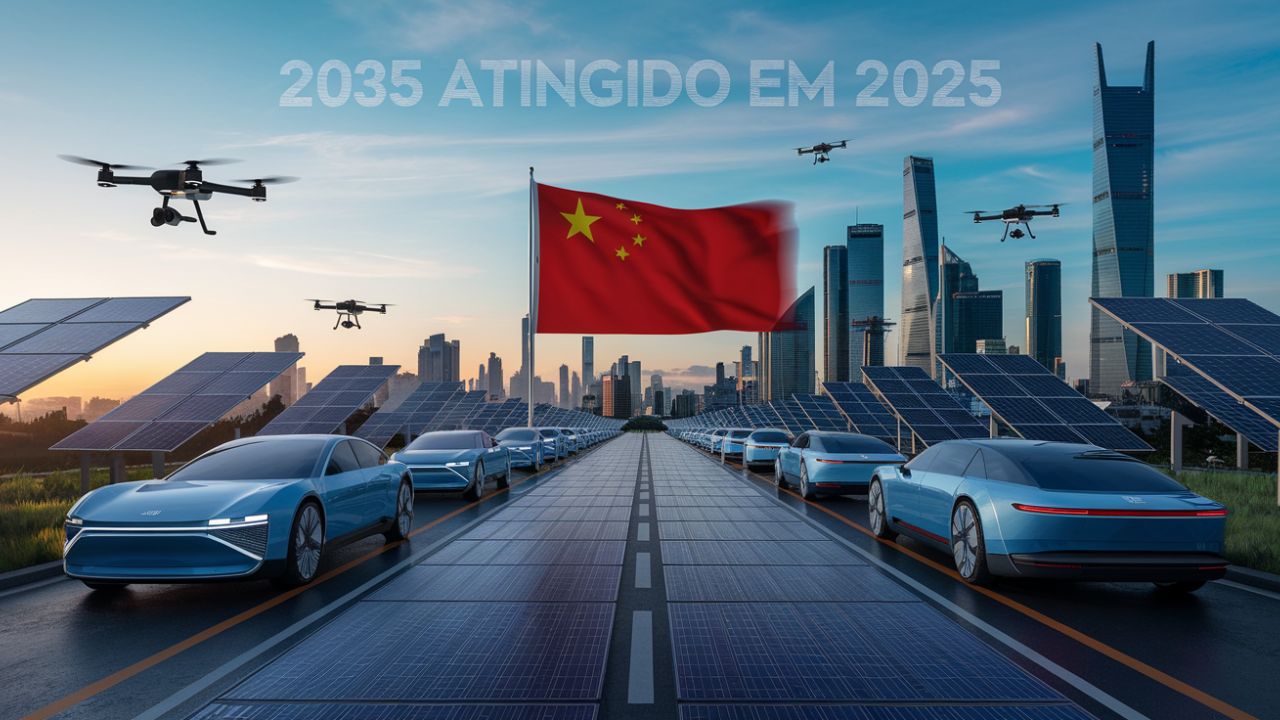

In Just Five Years, China Became Global Leader in Electric Vehicles, Reaching Goals for 2035 a Decade Ahead of Schedule, While Exporting More Cars Than Japan and Leaving Europe Behind.
China has stood out as an impressive example of industrial adaptation and innovation. In the past five years, the country has transitioned from a supporting role to a leading role in the electric vehicle sector, becoming the largest market in the world. This transition was not only swift but also strategic, challenging other countries to rethink their approaches. What can Europe learn from this movement?
From Latecomer to Global Leader in Record Time
In 2020, China lagged behind many countries in the adoption of electric vehicles. Only 5.4% of the cars sold were electric, a modest number compared to Europe. However, the Chinese government had a clear vision: to transform the automotive market and reduce dependence on fossil fuels. With initially unambitious goals, the country surprised by achieving impressive results even ahead of schedule.
The Chinese strategy involved a combination of economic incentives and strict regulatory standards. While Europe debated bans on combustion cars by 2035, China advanced with incentives for manufacturers and consumers, prioritizing a swift and efficient transition.
-
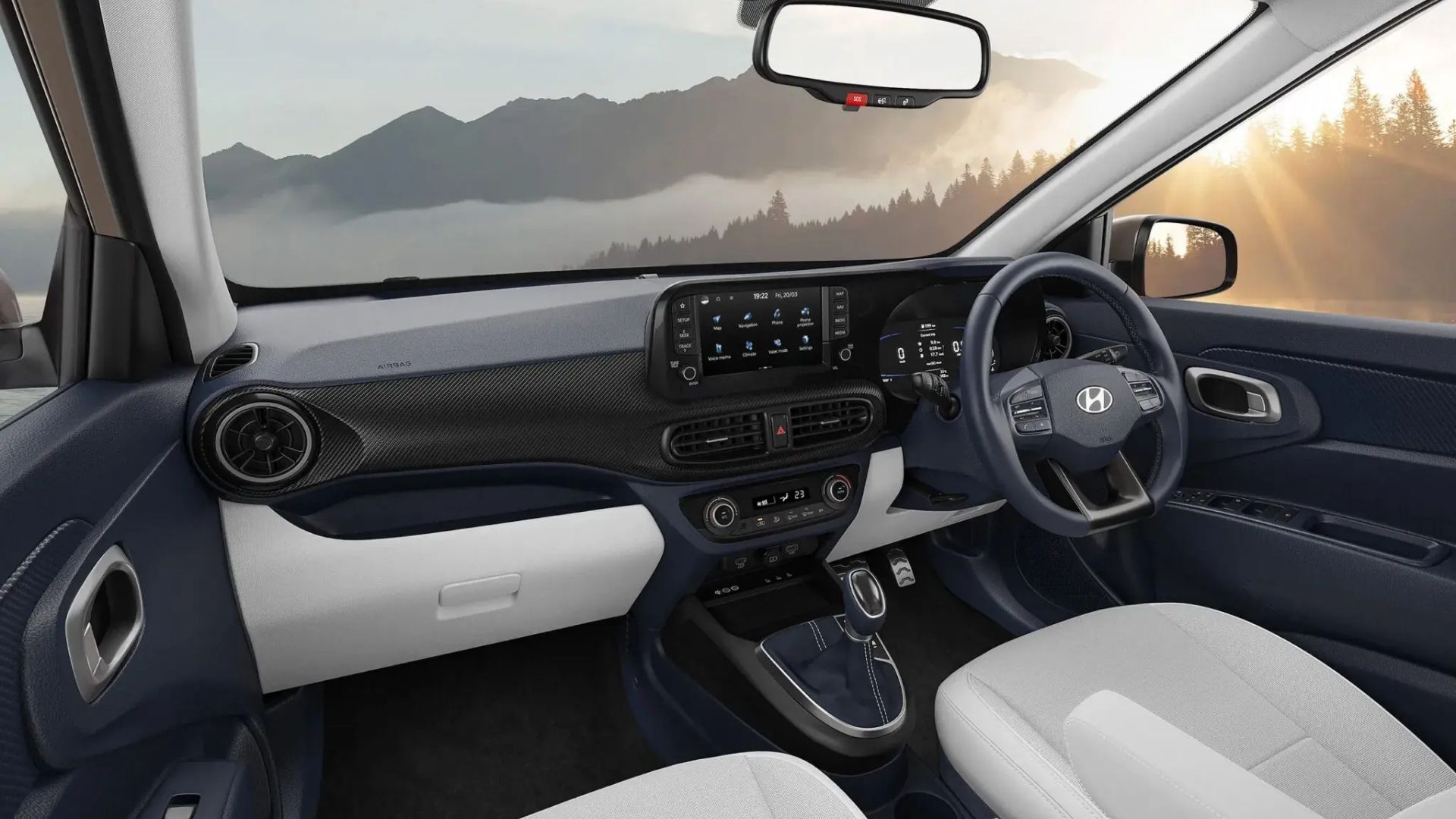
For R$ 32,000, a brand new Hyundai car is a rival to the Kwid with a 1.2 engine producing 82 hp, 6 airbags as standard, multimedia with wireless Android Auto, up to 391 liters in the trunk, and a refreshed look for 2026 in India.
-
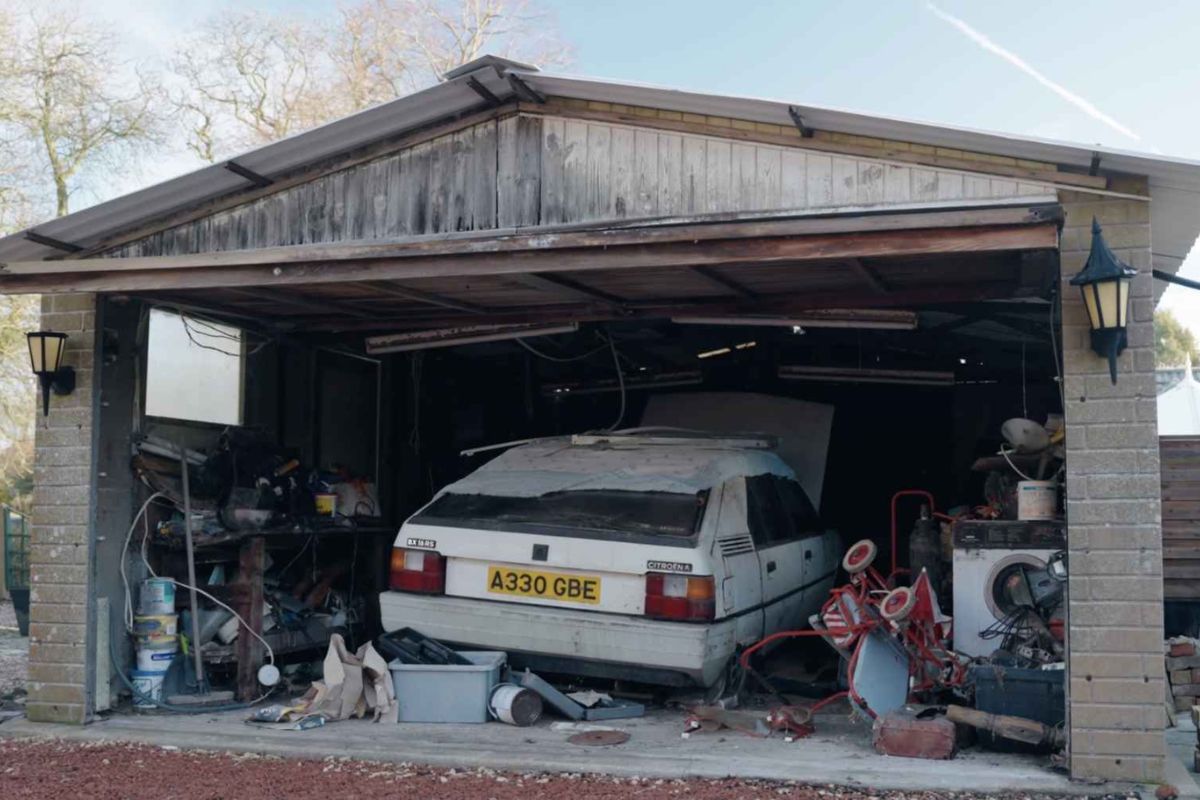
He bought a new car in 1983, locked it in the barn in 1988, and no one opened the door for 38 years until the family discovered what was stored inside and realized it looked like something out of a movie.
-
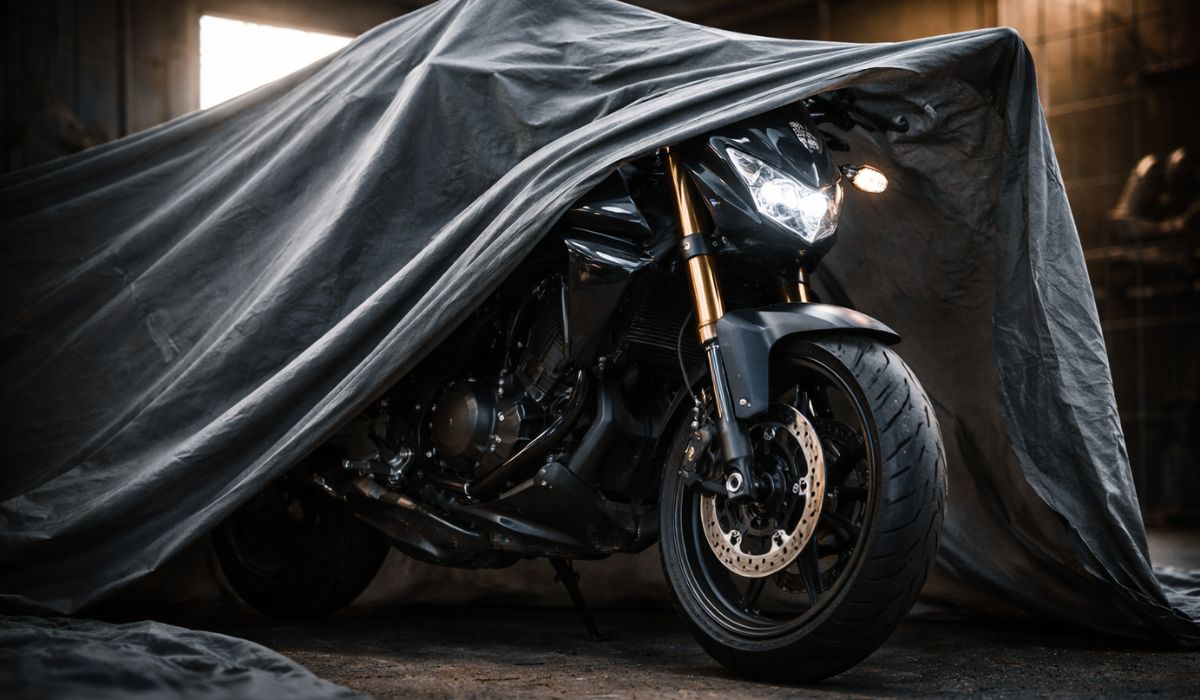
A 250cc motorcycle that can reach 560 km with a 14-liter tank, features disc brakes on both wheels and is among the most well-known in Brazil.
-
Man finds over 200 rare cars abandoned on a lot and tries to do the impossible in 8 hours with a surprise at the end.

Strategies That Redefined the Game

A robust industrial policy, focused on the supply of minerals and strengthening local manufacturers, was essential. China ensured that its industry had the necessary resources to compete globally, becoming an example of how to align public and private interests.
The introduction of strict emission standards forced the industry to adapt quickly. While global brands struggled to meet the requirements, local manufacturers grew, elevating the quality and competitiveness of their products.
Accelerating Development: The Example of China
Even amid COVID-19, China managed to maintain production and quickly recover sales. This resilience was not a matter of chance but the result of strategic planning that ensured the continuity of industrial and logistical operations.
The proactive mindset of Chinese dealers, who called for swift measures to liquidate combustion vehicle stocks, highlighted a dynamism that is lacking in many countries. Within a few years, China became the world’s largest automotive exporter, surpassing Japan.
The Contrast with Europe
In Europe, prolonged debates and internal resistance delayed the transition to electric mobility. Meanwhile, China accelerated, showing that swift and decisive actions can yield transformative results.
Europe has much to gain by adopting practices similar to those of China, such as more targeted incentives and greater regulatory flexibility. Countries like Norway have already demonstrated that it is possible to achieve ambitious goals, but the continent as a whole needs a more unified approach.
The story of the transformation of the Chinese industry is a reminder that significant changes are possible when there is determination and strategic planning. Europe, with its rich industrial tradition, can learn a lot by observing the Chinese example. After all, as they say, the future belongs to those who prepare today. How about picking up the pace?










O ocidente como um todo esnobou a China. Esqueceram que a China é uma civilização milenar e a história mostra que contribuiu muito para o desenvolvimento em diversas áreas.
Talvez eles tenham se perdido nesta tentativa de seguiram a corrente dominante do ocidente. E agora se encontraram.
Não são fornecedores de mão de obra barata e com produtos de baixa qualidade como a grande maioria do ocidente imagina.
VW, Chevrolet, Fiat e Ford são as Kodak da vez!!!
Só esqueceu de mencionar o trabalho escravo, subsidio do governo, não adoção de patentes,
Tipo o Brasil, América latina, como um todo.