





 English
  Francês
  Alemão
  Italiano
  Japonês
  Norueguês
  Portuguese
  Spanish
  5 min of reading
  0 comments


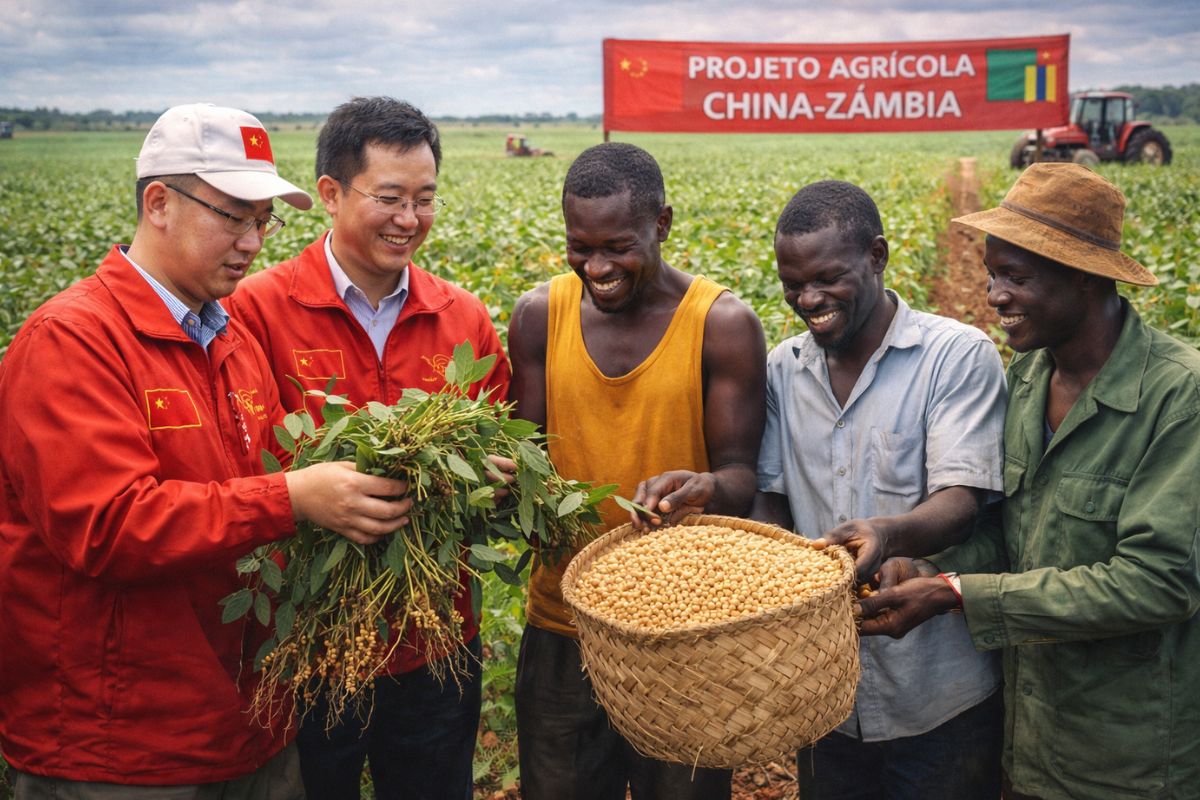
Program led by Chinese experts introduces adapted varieties and ecological production cycle, transforming the reality of more than 3,000 Zambian farmers facing acidic soil and low productivity in soybean crops.
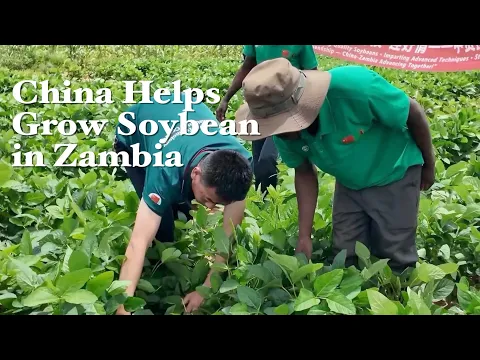
Chinese experts are at the center of a silent transformation in Zambia’s soybean fields. Since 2023, an agricultural cooperation program led by technicians from China has been teaching Zambian farmers to cultivate under conditions that were previously considered unviable. The so-called “soybean science and technology backyard” has already reached over 3,000 rural producers and brought results that have surprised even the participants themselves.
The red soil of Zambia is known for its high acidity, lack of nutrients, and poor water retention a combination that has historically limited agricultural production in the country. With the arrival of Chinese experts and the introduction of new soybean varieties adapted to this type of terrain, producers who harvested only 1.5 tons per hectare have begun to report significantly higher yields.
How the program created by Chinese experts in Zambia works
The project is not limited to a fixed training center. The strategy of the Chinese experts is to go where the farmers are.
-
Forgotten region becomes a powerhouse in the heart of Brazil, transforming unproductive lands into fortune and making MATOPIBA the new billion-dollar agricultural empire that almost no one saw being born.
-
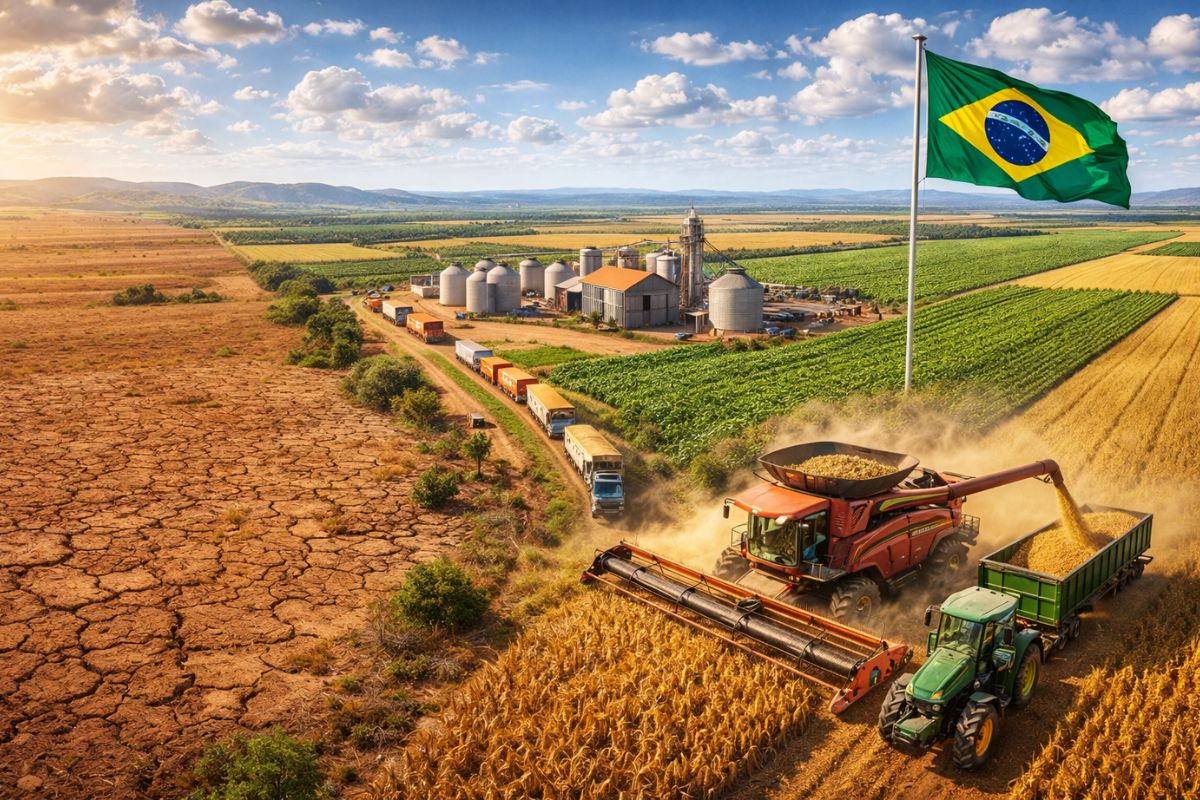
With a 775 hp engine, the world’s largest axial combine harvester arrives in Brazil, promising to harvest more in less time with advanced automation and the capacity for platforms up to 61 feet.

-
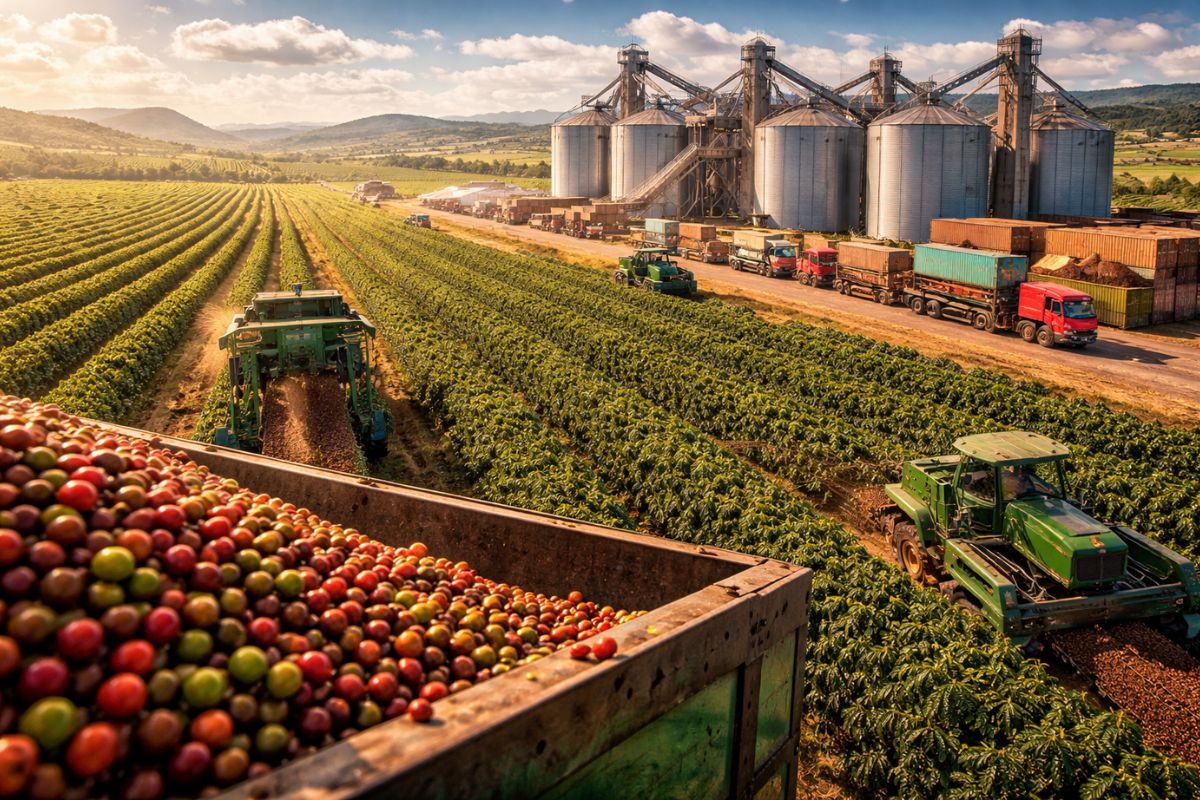
With 18 million feet, giant farms, and 2.2 million sacks per year, a mining group is building a coffee empire in Brazil with heavy mechanization, giant silos, and exports to various continents.
-
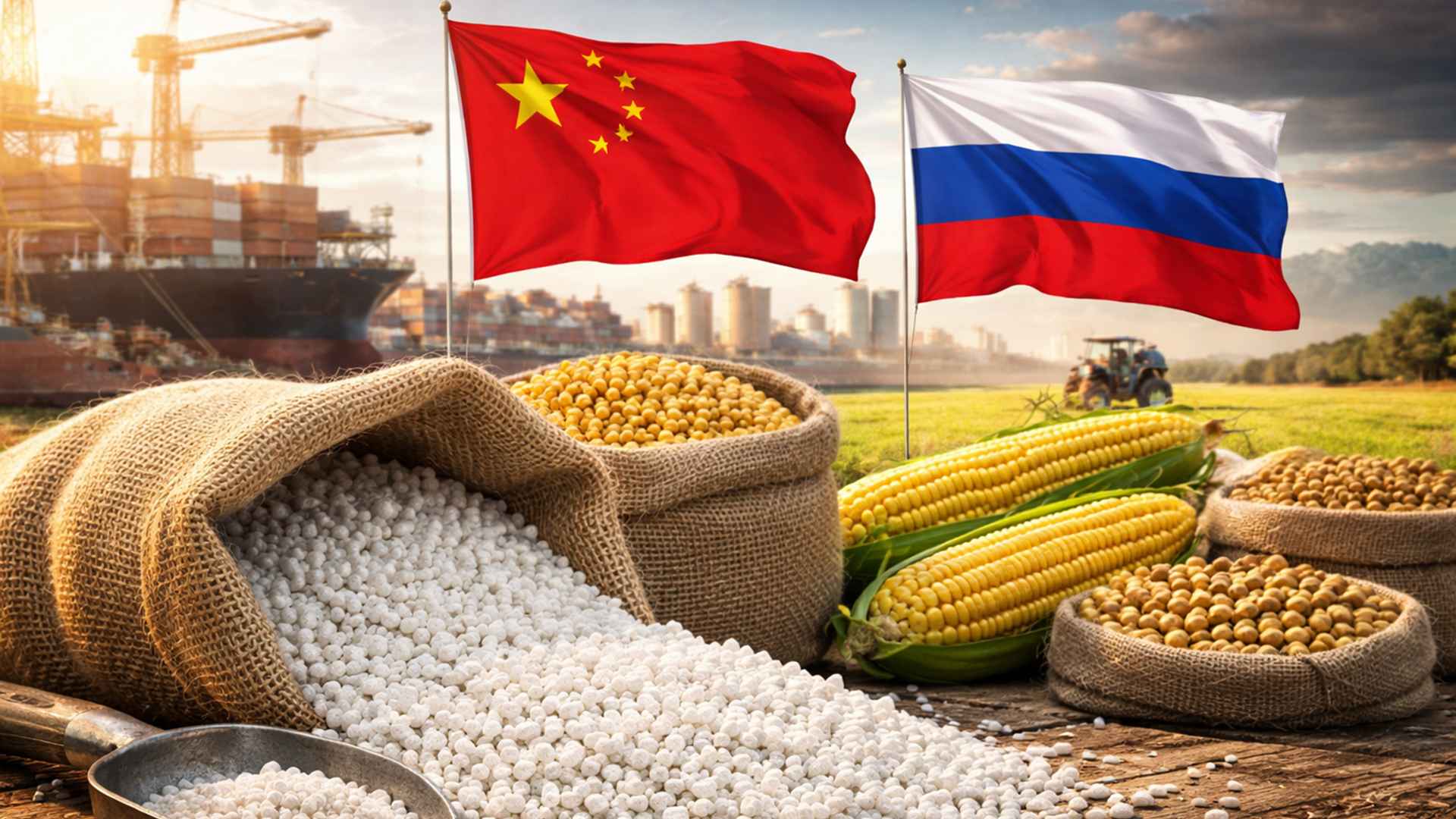
China and Russia suspend fertilizer exports, prices soar, and Brazil is already at real risk of shortages in the fields.

Technicians travel rural areas door to door, providing practical guidance on soil preparation, ideal planting times, proper use of inputs, and integrated crop management. The name “backyard” comes precisely from this proximity: knowledge reaches the producer’s land, not the other way around.
In total, four high-yield soybean varieties have been introduced by the program, all specifically selected for Zambia’s acidic soil.
In addition to soybeans, the Chinese technicians also brought eight varieties of edible mushrooms, cultivated in greenhouses using corn stalks as substrate. The residues from this cultivation return to the fields as organic fertilizer, closing an ecological cycle that reduces costs and improves soil quality over time.
The ecological cycle that is changing Zambian agriculture

image: video
One of the pillars of the program is the so-called recyclable green agriculture. Instead of relying solely on chemical fertilizers, farmers learn to utilize the residues from mushroom production as natural fertilizer for corn crops.

The corn, in turn, provides the stalks that serve as substrate for the mushrooms. The result is an integrated system that generates less waste and strengthens soil fertility with each harvest.

This approach by the Chinese experts addresses an old problem in the region.
Many Zambian farmers relied on rudimentary techniques that quickly depleted the already fragile soil. With the proposed ecological cycle, the land not only produces more but also recovers. It is a change in mindset that goes beyond technique: it is about teaching producers to think of the crop as a living and interdependent system.
Testimonials show the real impact on rural communities
The accounts from the farmers themselves illustrate the significance of what the program represents. “Before, I didn’t know how to do it. My yield was very small, only 1.5 per hectare”, says a local producer who participated in the courses.
According to him, after training with the Chinese experts, productivity improved significantly: “My yield is now very good, really very good.”
Another participant highlights that the program allowed him to connect the theory learned in the classroom with the reality of the field.
The training is not limited to teaching what to plant, but how and when to plant, which chemicals to use and in what quantity. This attention to detail is what sets the project apart from previous initiatives that failed by offering generic solutions to specific problems of Zambian soil.
Why the cooperation between China and Zambia in agriculture deserves attention
The work of the Chinese experts in Zambia does not happen in a vacuum. It is part of a broader context of agricultural cooperation between China and African countries, focusing on technology transfer adapted to local conditions.
Unlike models that export ready-made packages without considering the specifics of the terrain, the Zambian program starts from a precise diagnosis of the soil and the needs of the producers.
With over 3,000 farmers already trained and measurable results in soybean productivity, the project serves as a reference for other African nations facing similar challenges.
The introduction of adapted varieties, combined with the model of direct technical assistance and the ecological production cycle, forms a set of replicable practices that can transform food security in regions where the soil has always been seen as an obstacle.
What to expect from the future of soybean crops in Zambia

The progress brought by the Chinese experts opens concrete possibilities for the expansion of soybean production in Zambia. If the current model is scaled up to other provinces, the country could establish itself as a relevant producer on the African continent.
The global demand for soybeans remains high, and Zambia now has the right techniques to occupy a larger space in this market.
The next steps depend on continuous investment in training and maintaining the model of direct assistance to the producer. The success of the program shows that the problem was never the soil itself, but the lack of technical knowledge adapted to the local reality. And this is, perhaps, the most important legacy of the presence of Chinese experts in Zambia: to prove that, with the right technique, even the most difficult terrain can produce.
The story of Zambian farmers who have started harvesting soybeans with the help of Chinese experts is a concrete example of how technical cooperation can generate real results.
More than just productivity numbers, the program has changed the way thousands of producers view their own land and potential.

With information from the Channel ShanghaiEye魔都眼.
And what do you think about this type of international agricultural cooperation? Do you believe that similar programs could work in other regions with difficult soils? Leave your opinion in the comments and share with those interested in agriculture and innovation.










Seja o primeiro a reagir!