





 Portuguese
  English
  Spanish
 3 min of reading
  0 comments


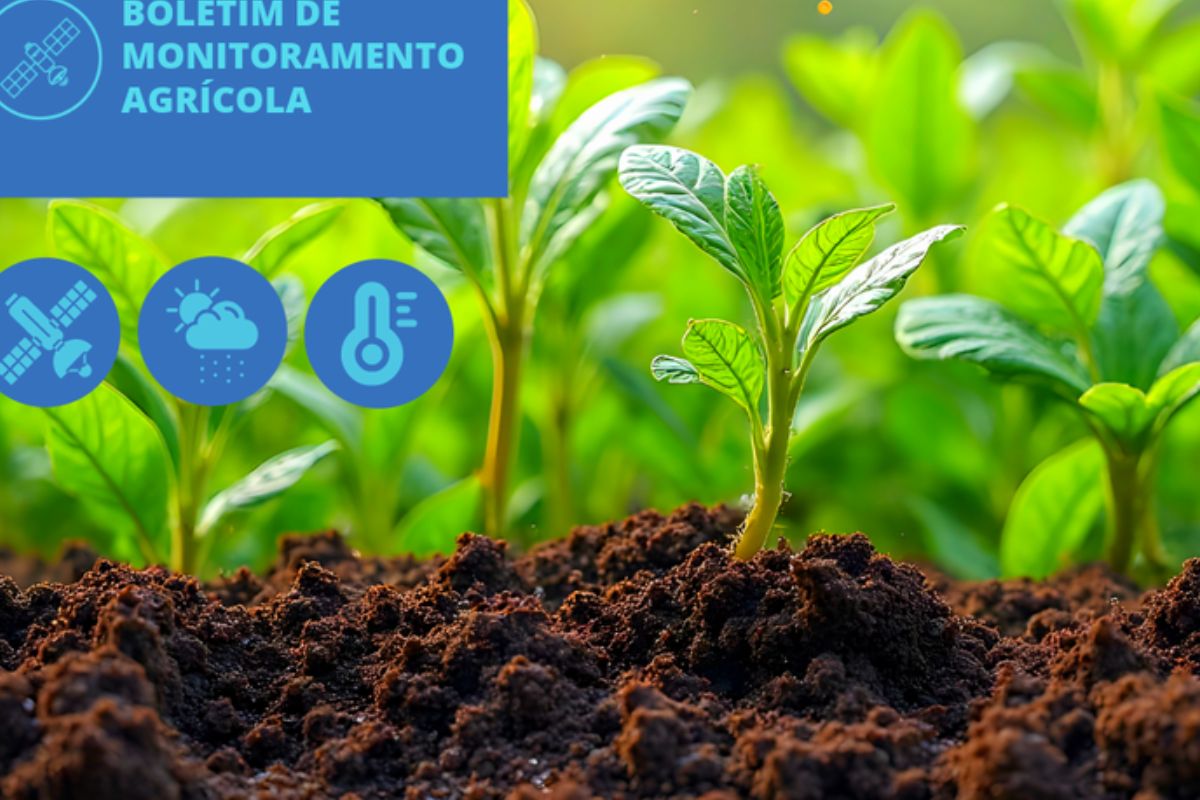
Winter Crops Are Being Favored by Rain in the South, According to the Conab Bulletin. Wheat, Corn, Irrigated Rice, and Soybeans Show Good Conditions, Highlighting Rio Grande do Sul, Paraná, and Santa Catarina. Data Reveal Positive Evolution of the Vegetation Index and Progress of Sowing for the 2025/26 Harvest in Brazil
The winter crops gained prominence in the Agricultural Monitoring Bulletin released by the National Supply Company (Conab).
The document shows that the rains recorded in the first 20 days of September helped most crops in the South of the country, according to a report published.
In Rio Grande do Sul alone, the highest rainfall volumes occurred right in the first week of the month. This scenario brought gains, especially for wheat, which is the most significant grain among winter crops.
-
Alone, the producer applies 7,400 hectares with the T100 drone in an optimized structure, replaces the generator with a silent battery, and demonstrates how technology reduces costs, increases productivity, and even challenges the uniport in the field.

-
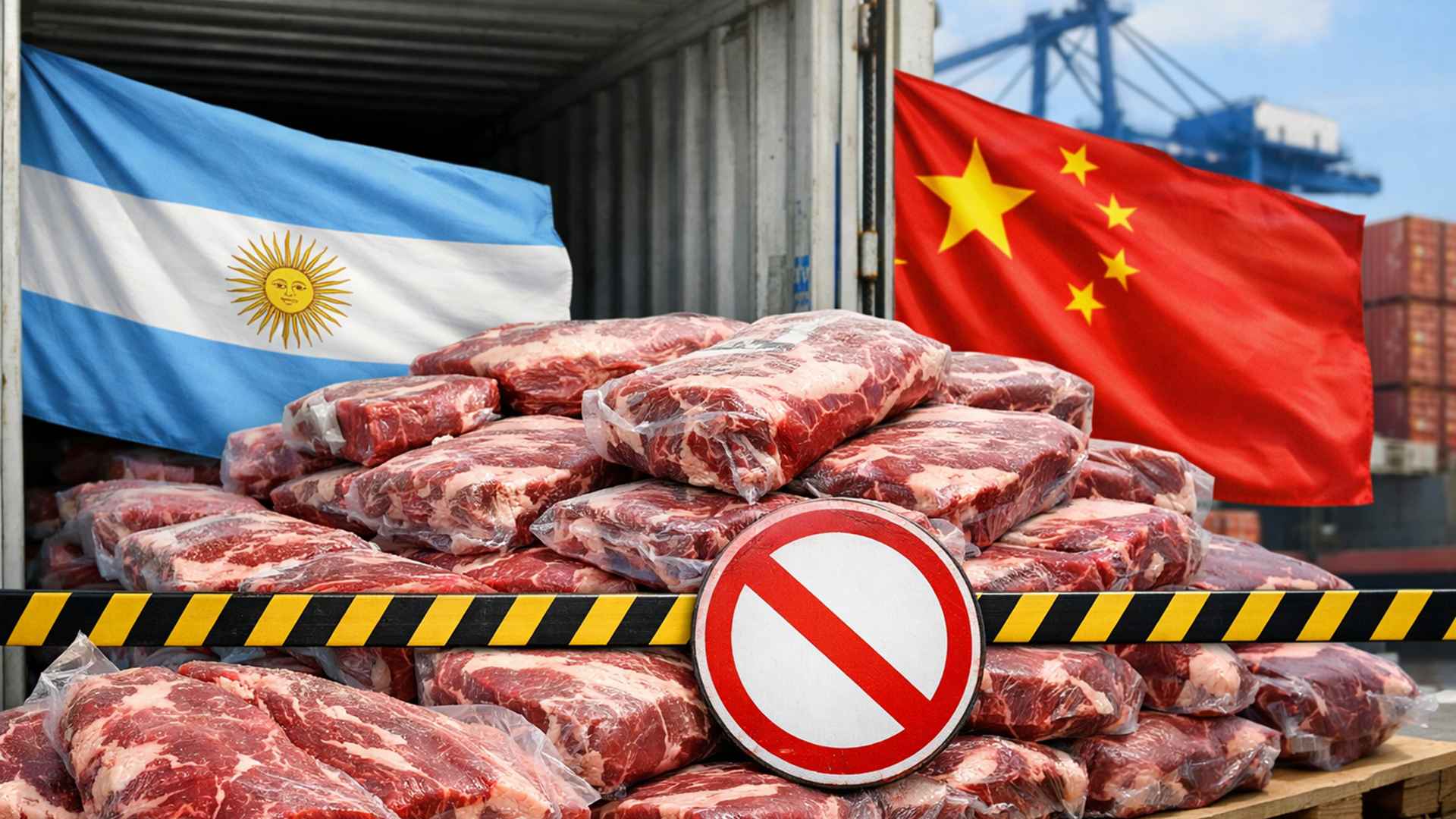
China banned the export of 22 tons of meat from Argentina.
-
JBS, founded by the Batista brothers, continues to conquer the world: entrepreneurs built a ‘factory in the desert’ creating 3,000 jobs.

-
With only 1% of Brazil’s territory, Santa Catarina has built one of the most competitive industrial parks in the country, with 64,000 companies, nearly 1 million jobs, and a growth rate of 5.3% while the national industry is practically stagnant.


Even with reports of frosts and storms in some areas, spectral data indicate that crop development has remained in good condition.
Evolution of Wheat and Vegetation Index Data
Among the winter crops, wheat occupies the largest sowing area and is the main focus of monitoring.
The graphs of Vegetation Index (VI) evolution show that, in the monitored regions, the crops are in phases of vegetative development, flowering, and grain filling.
The results indicate that the index has remained above the historical average for most of the cycle and is now close to or even higher than that observed in the previous harvest.
In Rio Grande do Sul, the largest national producer, the situation for wheat is considered positive. In Paraná, another strong production state, the harvest has gained momentum with favorable weather.
In Santa Catarina, the crop maintains productive potential, with fields in the growth stage and others in grain filling. The combination of moisture and sunny periods has supported this performance.
Advancement of Summer Crops in the 2025/26 Harvest
Although the focus is on winter crops, the Conab bulletin also brought data on the 2025/26 summer harvest.
The planting of irrigated rice has already begun in Rio Grande do Sul, especially in pre-germinated cultivation areas. In Santa Catarina, the progress of sowing is concentrated along the North coast.
The first crop corn also shows accelerated progress in the South, driven by regular rainfall and rising temperatures.
Regarding soybeans, planting is still in its initial stages in the Midwest, restricted to irrigated areas. In Paraná, some regions in the west and southwest have already started operations, with good soil moisture conditions.
This progress ensures a promising start for the crops that will make up the new agricultural season.
Role of Conab and Importance of Data for the Sector
The Conab Bulletin emphasizes how monitoring climatic conditions helps understand the behavior of winter crops and summer crops.
Vegetation Index information allows assessing how crops are responding to climate, from initial growth to maturation. This detailed view assists producers and sectors linked to agribusiness in planning their next actions.
The report also highlights how factors such as sun and moisture alternation, localized frosts, and storms directly affect the expected yield.
Additionally, the analyses help outline prospects for the harvest, not only in the South but also in other strategic regions of the country.








Seja o primeiro a reagir!