





 Portuguese
  English
  Spanish
  6 min of reading
  1 comment


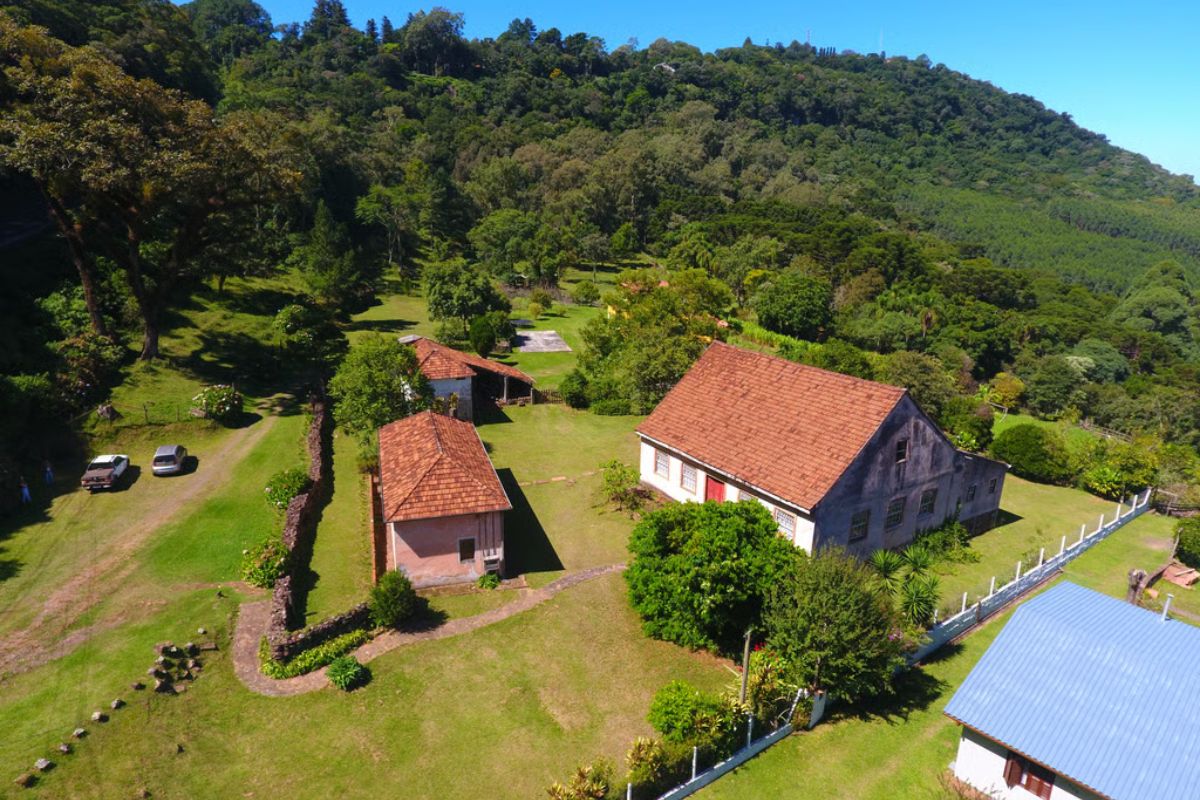


With only 3,920 inhabitants according to IBGE, the brazilian city Treviso, in Southern Santa Catarina, leads the regional salary average with 3.6 minimum wages, a per capita GDP of R$ 58,025.97, mining and waterfalls like Salto Branco and Rio Manin, as well as viewpoints and trails.
In the IBGE survey cited in the database, the brazilian city of Treviso, in Southern Santa Catarina, appears with 3,920 inhabitants and a noteworthy fact: it has the highest salary average among 45 cities in Southern Santa Catarina, with an income equivalent to 3.6 minimum wages, around R$ 5,9 thousand.
The institutional trajectory of the brazilian city is also recent and marked by dates: Treviso completed 30 years of emancipation and became a municipality in 1995, through state law No. 9,864. Before that, it was a district of Urussanga, it was part of Siderópolis and had an administrative change recorded in 1958, when it became part of that municipality.
Where Is Treviso and Why Location Impacts Tourism

The brazilian city Treviso is located 24.8 km from Criciúma and about 216 km from Florianópolis, in an area near the Serra do Rio do Rastro, one of the most well-known destinations in Santa Catarina due to the hills, curves, and scenery that attract visitors year-round.
-
Piauí will produce a new fuel that replaces diesel without needing to change anything in the truck’s engine and reduces pollutant gas emissions by half: truck drivers from all over the Northeast are already celebrating the news that will arrive later this decade.

-
A new Brazilian shopping center worth R$ 400 million will be built in an area equivalent to more than 4 football fields, featuring 90 stores, 5 cinemas, a supermarket, a college, and parking for 1,700 cars, potentially generating 3,000 jobs.

-
Larger than entire cities in Brazil: BYD is building a 4.6 km² complex in Bahia with a capacity for 600,000 vehicles per year, but the discovery of 163 workers in conditions analogous to slavery has shaken the entire project.

-
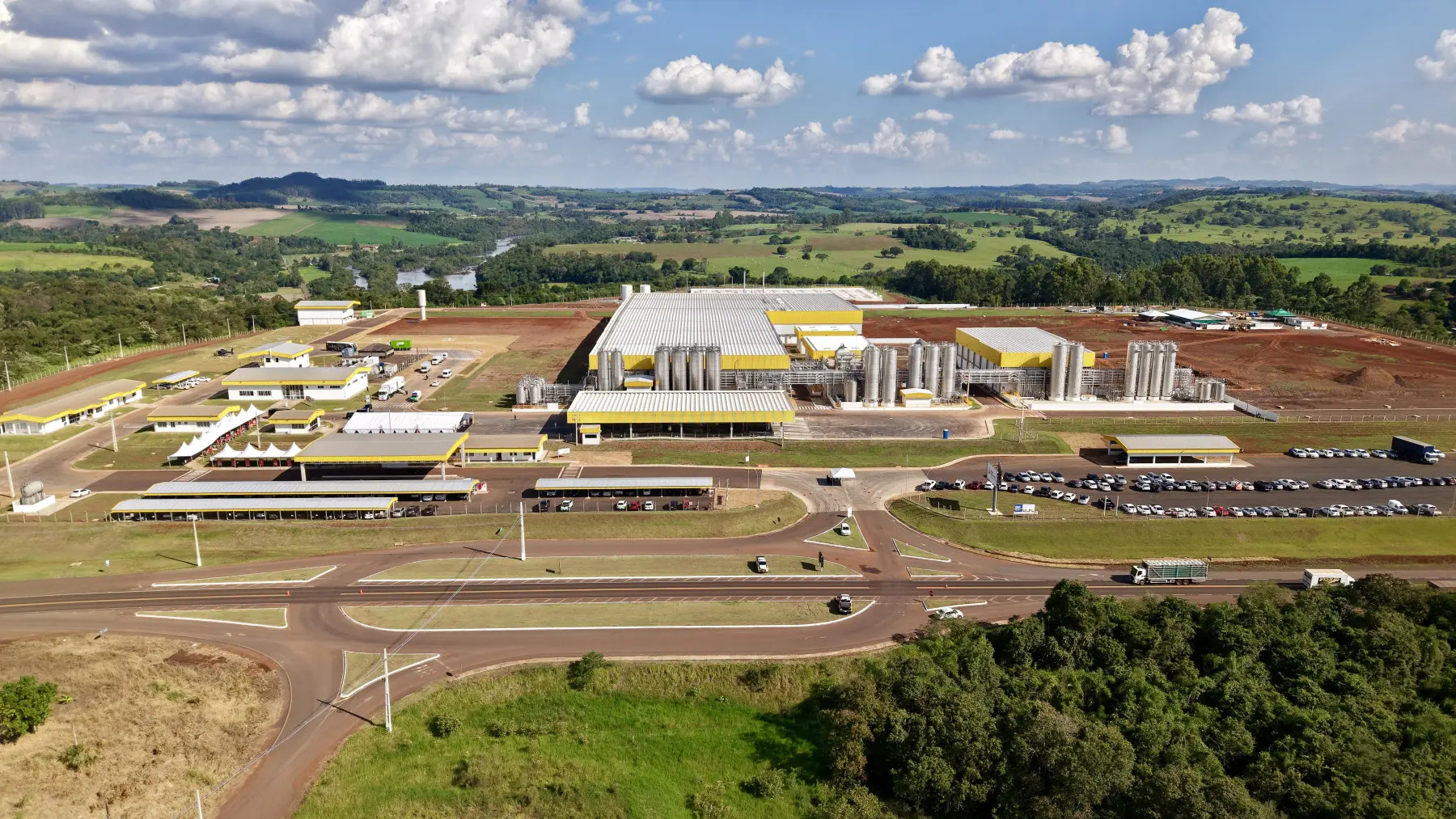
With an investment of R$ 612 million, a capacity to process 1.2 million liters of milk per day, Piracanjuba inaugurates a mega cheese factory that increases national production, reduces dependence on imports, and repositions Brazil on the global dairy map.

This geographic position helps explain why the brazilian city has become known not only for its income and economy but also for its nature.
Being close to a strong tourist region facilitates the flow of visitors who already circulate in the area and seek additional activities, such as trails, rivers, and waterfalls.
Average Salary of 3.6 Minimums: What the Figure Means in Practice
The most repeated highlight when talking about the brazilian city Treviso is the salary average equivalent to 3.6 minimum wages, estimated at around R$ 5,9 thousand.
In practical terms, this places the municipality at the top of the regional list and creates the perception of a “small town with high income.”
It is important to note what this type of data usually represents: salary average is not the same for everyone, but it shows that the set of formal jobs and the local economic structure pull the remuneration up. And this is where the main economic driver described in the database comes in.
Per Capita GDP of R$ 58,025.97 and the Strength of Mining
The database reports that Treviso’s per capita GDP is R$ 58,025.97, primarily driven by coal extraction, an activity that employs 1,934 people in the municipality.
For a brazilian city with 3,920 inhabitants, this number of jobs linked to mining is noteworthy and helps explain the high average income.
When the local economy is concentrated in a sector with a high demand for labor and a structured chain, it is common for this to reflect in both GDP and salary standards.
In the case of the brazilian city Treviso, mining appears as the strongest pillar of the described economic performance.
Agriculture Also Matters: Corn, Manioc, Beans, and Meats
In addition to coal extraction, the database indicates that agriculture plays an important role in the economy of the brazilian city, producing corn, manioc, beans, and meats.
This mix helps sustain a local dynamic that is more diversified than it seems at first glance.
In practice, this means that the brazilian city does not depend exclusively on a single activity to generate income and work, even though mining is described as the main driver of per capita GDP and employment.
Italian Roots and the Sequence of Administrative Changes
The history of the municipality is also an element that tends to increase reader interest, as it shows how the brazilian city was formed.
Treviso has roots linked to Italian colonization and, before becoming a municipality, went through several stages:
- It was a district of Urussanga, named Nova Treviso
- In 1958, it became part of Siderópolis
- In 1995, it became a municipality through state law No. 9,864
- The database mentions that the brazilian city completed 30 years of emancipation
This type of chronology helps understand why Treviso is still young as a municipality, but already appears in regional rankings for economic indicators.
Exuberant Nature and What Attracts Visitors
The database highlights that the brazilian city is close to the Costão da Serra, which explains the constant flow of tourists in search of trails, waterfalls, and rivers.
It is here that Treviso gains strength as a destination for those seeking natural landscapes without the need for long distances within the state.
Tourism, in this case, does not appear as “shopping tourism” or “beach tourism,” but as visits focused on nature and viewpoints, which tends to attract a specific audience: those seeking hiking, photography, river bathing, and outdoor experiences.
Viewpoint Morro de São Pedro: View of the City and Religious Symbols
Among the highlighted attractions is the Public Viewpoint Morro de São Pedro, one of the highest points in the brazilian city. From there, it is possible to observe the entire urban area. The location houses a statue of Christ and another of Saint Peter, the saint after whom the neighborhood is named.
The access is described as being made by dirt road with steep sections, a detail that helps the reader understand the type of transportation required.
For visitors, this serves as a practical warning: it is a notable point, but may require more attention during the journey.
Salto Branco Waterfall: 77 Meters and Trail of Approximately 2 km
One of the strongest natural postcards of the brazilian city is the Salto Branco Waterfall, described as having 77 meters in height.
The fall creates a striking visual between dense vegetation and rocky cliffs, the type of scenery that usually makes for impactful photos.
To reach it, the mentioned route is a trail of approximately 2 km (round trip) to the community of Santo Antônio.
This detail is important as it defines the expected level of effort and the profile of the outing: it’s not just stopping the car and viewing, it involves walking.
Rio Manin Waterfall: Natural Pool and Quick Access in Summer
Another highlighted attraction is the Rio Manin Waterfall, located about 7 km from the center. It is mentioned as the locals’ favorite during the summer for being more accessible and forming a natural pool of crystal-clear water.
Access is described as being made by a short trail under a bridge, which suggests a quicker and more “routine” outing, different from the longer trail experience of Salto Branco.
For visitors to the brazilian city, this creates two distinctly different options: one monumental waterfall and another more practical for bathing.
Why Does a Small Town Attract So Much Attention
The brazilian city Treviso brings together three elements that tend to generate curiosity in any regional economic matter:
- Very Small Population: 3,920 inhabitants
- Strong Economic Indicators: salary average of 3.6 minimum wages and per capita GDP of R$ 58,025.97
- Nature with Tourist Appeal: viewpoints and waterfalls with very different characteristics
This set helps explain why Treviso becomes a topic: it defies the expected standard for small municipalities and simultaneously offers a tourist side capable of expanding interest beyond the economy.
What to Observe Before Visiting the Brazilian City of Treviso
Based on what has been described:
- Treviso is close to tourist hubs and routes, but has sections of access to attractions via dirt road and steep climbs
- The Salto Branco Waterfall involves a trail of approximately 2 km in total
- The Rio Manin Waterfall is closer and favors a quick outing, especially in summer
Would you live in a brazilian city as small as Treviso because of the salary and quality of life, or would you prefer a larger center even earning less?







Caso tivesse uma oportunidade de trabalho digna, certamente trocaria por qualquer outra…